Psychedelic Therapy Legalization: Complete Guide to Psilocybin and MDMA Treatment Laws
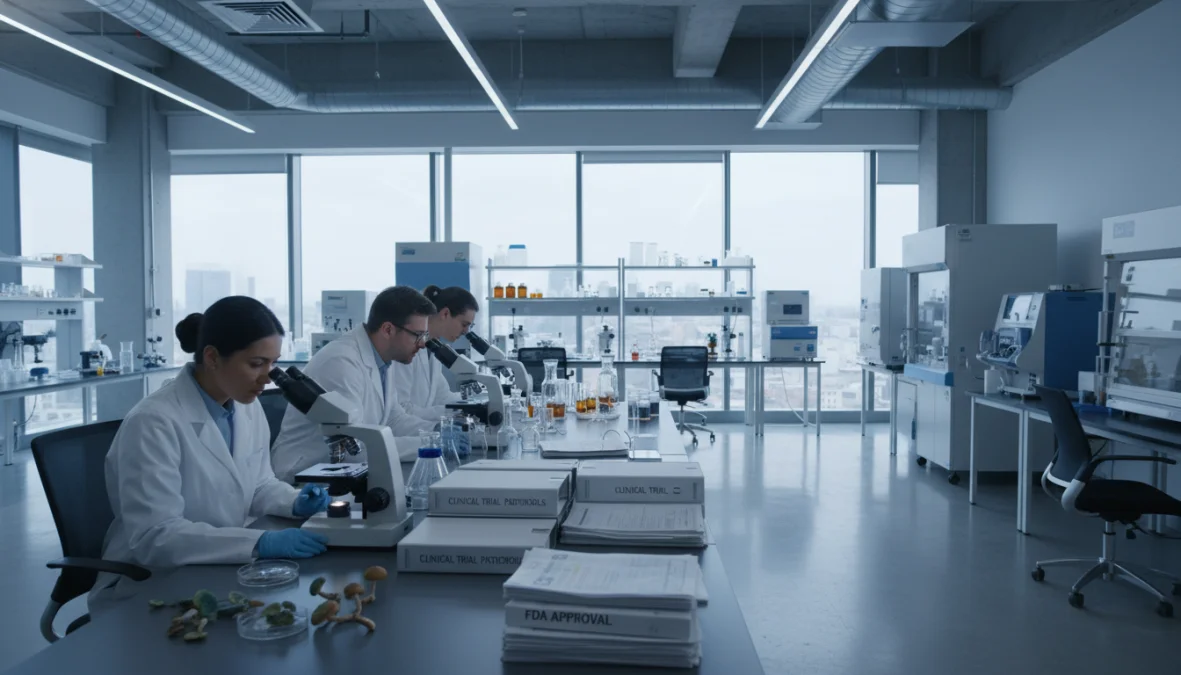
The landscape of mental health treatment is undergoing a seismic shift. After decades of prohibition, psychedelic therapy legalization is moving from the fringes to mainstream medicine. Researchers, clinicians, and lawmakers are recognizing what indigenous cultures have known for millennia: compounds like psilocybin and MDMA hold remarkable therapeutic potential. But navigating the complex web of regulations, clinical trials, and state laws can feel overwhelming. Whether you’re a patient seeking alternatives to traditional treatments or simply curious about this medical revolution, understanding where these therapies stand legally is crucial.
Understanding Psychedelic Therapy Legalization: The Current Landscape
The term psychedelic therapy legalization encompasses a nuanced spectrum of regulatory changes. It’s essential to distinguish between decriminalization—which removes criminal penalties for personal possession—and full medical legalization, which establishes regulated frameworks for therapeutic use. This distinction matters enormously for patients seeking treatment.
Historically, the War on Drugs in the 1970s classified psychedelics as Schedule I substances, deemed to have “no accepted medical use” and high abuse potential. This categorization effectively halted promising research for decades. However, the past fifteen years have witnessed a psychedelic renaissance, with rigorous clinical trials demonstrating these compounds’ efficacy for treatment-resistant conditions.
Two substances lead this medical revolution: psilocybin (the active compound in “magic mushrooms”) and MDMA (commonly known as ecstasy). Both are showing remarkable results in clinical settings—psilocybin for depression, anxiety, and existential distress, and MDMA primarily for PTSD. The psychedelic medicine regulation framework involves multiple agencies: the FDA evaluates safety and efficacy through clinical trials, while the DEA maintains scheduling classifications. State and local jurisdictions add another layer of complexity to psychedelic drug policy.
Psilocybin Legalization and Treatment Laws Across Jurisdictions
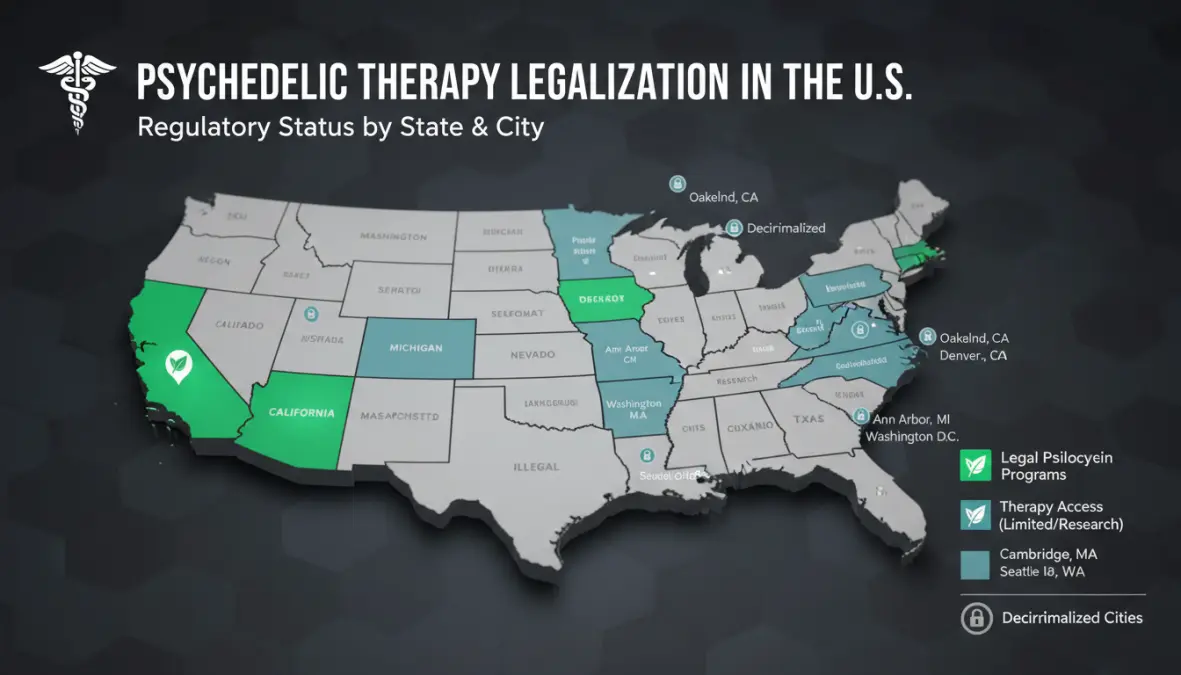
The path to psilocybin legalization is advancing on multiple fronts simultaneously, creating a patchwork of access that varies dramatically by location.
FDA Approval Process and Clinical Trial Status
The FDA has granted “breakthrough therapy” designation to psilocybin for treatment-resistant depression and major depressive disorder—a status reserved for therapies showing substantial improvement over existing treatments. This designation accelerates development and review processes. Multiple Phase III clinical trials are currently underway or recently completed, with psilocybin therapy clinical trial results showing response rates of 60-70% in patients who hadn’t responded to conventional antidepressants.
Breakthrough therapy status doesn’t guarantee approval, but it signals the FDA’s recognition of psilocybin’s therapeutic promise. Current timelines suggest potential FDA psychedelic approval could occur within the next few years, though regulatory processes remain unpredictable. Companies like Compass Pathways and Usona Institute are leading this research, conducting multi-site international trials examining psilocybin for various mental health conditions including anxiety, PTSD, and treatment-resistant depression.
State and Local Psilocybin Regulations
When asking “states where psilocybin therapy is legal,” Oregon stands as the pioneer. Measure 109, passed by voters, established the nation’s first legal psilocybin service program for therapeutic use. Licensed facilitators can now administer psilocybin to adults in approved settings, without requiring a medical diagnosis. This model prioritizes harm reduction and therapeutic support over medical gatekeeping.
Colorado followed with the Natural Medicine Health Act, creating a similar regulated access program. These aren’t traditional medical models—they’re supervised therapeutic frameworks where trained facilitators guide experiences in controlled environments. The cost of legal psilocybin assisted therapy in these states typically ranges from $1,500 to $3,500 per session, reflecting extensive preparation, dosing, and integration support.
Meanwhile, cities including Denver, Oakland, Seattle, Detroit, and Washington D.C. have decriminalized psilocybin, making enforcement of possession laws the lowest police priority. However, decriminalization doesn’t create legal access to therapeutic services—it simply reduces criminal consequences for personal use. These varying approaches to psilocybin treatment laws create confusion but also serve as natural experiments in drug policy reform.

MDMA-Assisted Psychotherapy: Regulatory Progress and Clinical Applications
MDMA-assisted psychotherapy represents perhaps the most advanced case for psychedelic therapy legalization. The Multidisciplinary Association for Psychedelic Studies (MAPS) has conducted extensive Phase III trials demonstrating unprecedented efficacy for PTSD treatment. In these studies, approximately 67% of participants no longer met PTSD diagnostic criteria after three MDMA-assisted therapy sessions—remarkable outcomes for a condition notoriously difficult to treat.
The MDMA therapy FDA approval timeline has faced recent complications, with the FDA requesting additional data before final approval. Initially anticipated for late summer, the decision has been delayed as regulators seek more information about the therapy’s implementation and potential risks. This represents standard regulatory caution for novel treatments, especially controlled substances.
The MDMA protocol differs significantly from simply taking the drug. MDMA-assisted psychotherapy involves extensive preparation sessions, a daylong dosing session with two trained therapists present, and multiple integration sessions afterward. The substance facilitates emotional processing by reducing fear responses while maintaining cognitive function—allowing patients to confront traumatic memories with therapeutic support.
Understanding the MDMA PTSD treatment legalization status requires recognizing that approval, when it comes, will likely be tightly controlled. Access will require specially trained therapists, specific clinical settings, and careful patient screening. Some treatment centers already offer expanded access programs for qualifying patients with severe PTSD. The psychedelic therapy training certification requirements for practitioners are rigorous, typically involving specialized education in trauma-informed care, psychedelic-specific therapeutic techniques, and supervised clinical experience.
Just as innovations in wellness treatments like cold water therapy have gained recognition for mental health benefits, psychedelic-assisted therapies represent another frontier where alternative approaches are entering mainstream acceptance through rigorous scientific validation.
FAQ: Psychedelic Therapy Legalization
Is psychedelic therapy legal in the US?
Currently, psychedelic therapy legalization exists only in limited forms. Oregon and Colorado have legal psilocybin service programs for adults. MDMA therapy may receive FDA approval soon, making it available through licensed providers. Otherwise, access is limited to approved clinical trials or expanded access programs for qualifying patients with specific conditions.
Where can I legally receive psilocybin therapy?
Legal psilocybin treatment is currently available only in Oregon through licensed service centers under Measure 109, with Colorado’s program also launching. Alternatively, you might qualify for clinical trials nationwide. Several research institutions actively recruit participants. Check ClinicalTrials.gov for studies accepting volunteers, or consider how to access legal psilocybin treatment through Oregon’s regulated program.
When will MDMA therapy be FDA approved?
The MDMA therapy approval timeline has been delayed beyond initial projections. The FDA is reviewing additional data before making a final decision. Most experts anticipate approval within the next year, specifically for PTSD treatment. Once approved, it will be available through specially trained therapists in clinical settings, not as a prescription you take home.
What conditions can psychedelic therapy treat?
Psychedelic-assisted psychotherapy shows promise for treatment-resistant depression, PTSD, anxiety (especially end-of-life anxiety), addiction, and OCD. Research continues for other applications. These aren’t recreational uses—they’re structured therapeutic interventions. The substances act as catalysts for psychological processing within carefully designed treatment protocols, offering depression therapy alternatives and mental health treatment options for those who haven’t responded to conventional approaches.
The momentum behind psychedelic therapy legalization reflects both scientific evidence and shifting cultural attitudes. As research continues demonstrating efficacy and safety within therapeutic contexts, expect the regulatory landscape to evolve rapidly. Whether you’re a patient, provider, or simply someone interested in mental health innovation, staying informed about these developments matters. The compounds once demonized as dangerous drugs are being reborn as potentially transformative medicines—a remarkable chapter in the ongoing story of how we understand and treat mental health conditions.