The Skills Mismatch Crisis: Why Education Doesn’t Match Job Market Needs

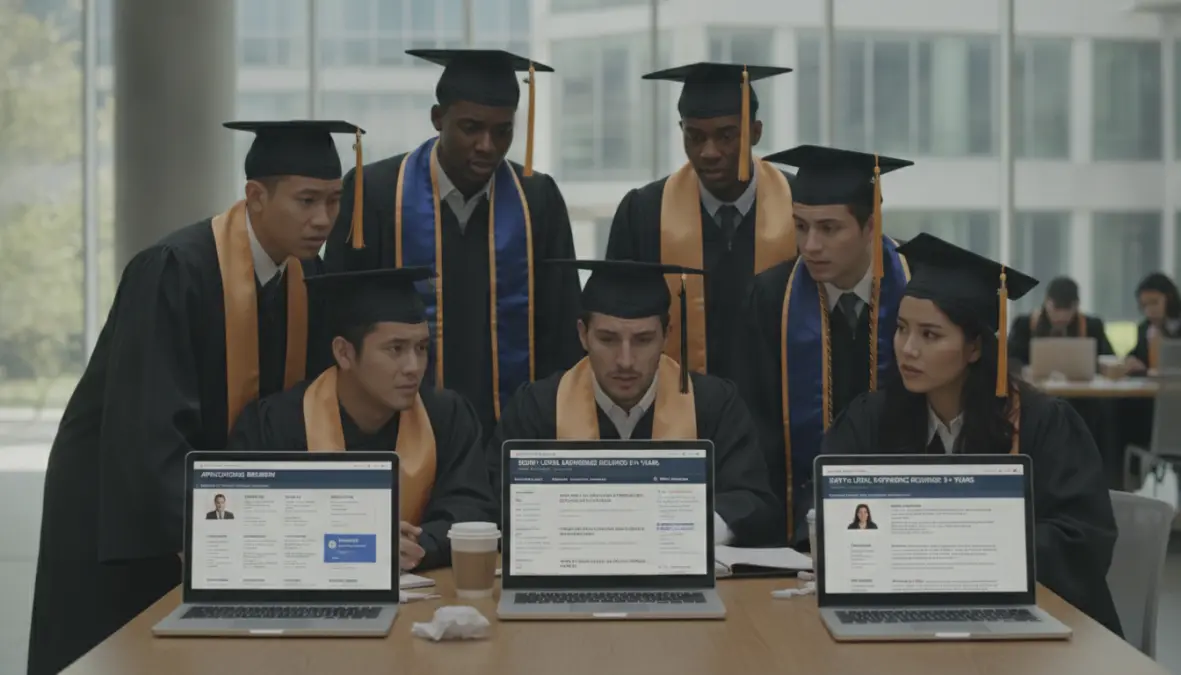
Picture this: a recent graduate walks out of university with a shiny degree, ready to conquer the working world—only to find that employers aren’t impressed. Meanwhile, companies are desperately searching for talent but can’t find candidates with the right skills. Sound familiar? This paradox is at the heart of what we call the skills mismatch, and it’s creating headaches for job seekers, employers, and economies worldwide.
The disconnect between what students learn in classrooms and what businesses actually need isn’t just frustrating—it’s costly. And unless we start addressing the root causes, this gap will only widen as technology and industries evolve at breakneck speed.
Understanding the Skills Mismatch Crisis
The skills mismatch refers to the gap between the skills workers possess and those that employers demand. It’s a phenomenon that manifests in two main forms: vertical mismatch, where someone is over- or under-qualified for their position, and horizontal mismatch, where a person’s field of study doesn’t align with their job requirements. This education employment gap has reached crisis proportions globally.
Recent data reveals that approximately 40% of employers worldwide report difficulty finding candidates with the necessary competencies. In Europe alone, the estimated annual cost of labor market mismatch exceeds €200 billion in lost productivity. Meanwhile, youth unemployment remains stubbornly high in many developed nations, even as businesses struggle to fill positions.
The impact isn’t evenly distributed. Tech sectors face severe shortages in cybersecurity, data analytics, and cloud computing expertise. Healthcare systems desperately need specialized nurses and technicians. The emerging green economy can’t find enough workers trained in renewable energy technologies and sustainable practices. Perhaps most tellingly, employers consistently report that graduates lack critical thinking, problem-solving abilities, and communication skills—the very competencies needed to thrive in modern workplaces.
This creates a vicious cycle: why graduates can’t find jobs in their field often has less to do with the number of positions available and more to do with the mismatch between their training and market realities. Fresh graduates face extended unemployment or underemployment, leading to skill degradation and decreased lifetime earnings, while businesses lose competitive edge due to talent shortages.
Root Causes: Why Education Systems Fall Short
Understanding how education fails to prepare students for work requires examining systemic issues that have plagued educational institutions for decades. The job market skills gap isn’t accidental—it’s the result of structural problems that prevent schools from keeping pace with rapidly changing employer skill requirements.
Outdated Curricula and Slow Institutional Adaptation
Educational institutions operate on timescales measured in years, while industries evolve in months. Universities typically take 3-5 years to design, approve, and implement new programs—an eternity in tech-driven sectors. By the time students graduate, the tools and frameworks they learned may already be obsolete. Academic bureaucracy prioritizes theoretical foundations over practical application, creating graduates who understand concepts but can’t execute tasks. The gap between classroom theory and workplace practice remains enormous, with many programs failing to incorporate hands-on projects, real-world case studies, or current industry tools. This institutional inertia is one of the primary reasons for skills mismatch in modern workforce development.
Disconnect Between Educators and Industry
Perhaps nothing illustrates the problem more clearly than the lack of communication between academia and business. Faculty members often have limited recent industry experience, teaching based on their own outdated training rather than current market needs. Few programs involve employer input in curriculum design, missing the opportunity to align learning outcomes with actual employer skill requirements. Industry advisory boards, when they exist, often serve ceremonial rather than substantive roles. This disconnect explains why college degrees don’t guarantee employment—the credential itself doesn’t signal possession of the specific competencies businesses need. Meanwhile, workforce skills shortage persists not because of insufficient graduates, but because those graduates lack targeted preparation. Technologies like AI recruitment tools (as discussed in algorithmic bias concerns) can sometimes exacerbate these issues when they filter candidates based on credentials rather than actual capabilities.

Bridging the Gap: Solutions and Best Practices
Fortunately, innovative approaches are emerging that show promise in how to bridge the gap between education and employment. These solutions prioritize graduate employability through practical reforms and collaborative models.
Germany’s dual education system remains the gold standard, combining classroom learning with apprenticeships where students spend significant time working in actual companies. This model achieves youth unemployment rates far below European averages while ensuring businesses get job-ready talent. Switzerland and Austria have adapted similar approaches with remarkable success.
Micro-credentials and digital badges are revolutionizing vocational training needs by allowing learners to acquire specific, industry-recognized competencies without committing to full degree programs. Platforms offering targeted certifications in high-demand areas enable rapid upskilling and reskilling, creating more agile workforce development pathways.
Forward-thinking universities are establishing genuine partnerships with industry. Northeastern University’s cooperative education program rotates students through paid professional positions. Singapore’s SkillsFuture initiative provides lifelong learning credits, recognizing that education system reform must extend beyond initial degrees to continuous development.
Addressing the soft skills deficit requires intentional curriculum design. Some institutions now embed communication, teamwork, and critical thinking into technical courses rather than treating them as separate subjects. Project-based learning that mimics real workplace challenges helps develop both technical skills training and collaborative competencies.
Modern apprenticeship programs aren’t just for trades anymore. Tech companies are creating their own training pipelines, recognizing that waiting for universities to adapt isn’t viable. IBM’s apprenticeship programs, for instance, provide career readiness training while building a qualified talent pipeline. This industry collaboration approach and curriculum alignment with actual needs represents the future of addressing what skills are employers looking for today.
FAQ
What is the skills mismatch?
The skills mismatch occurs when workers’ competencies don’t align with employer requirements, either due to over/under-qualification or training in irrelevant areas.
How does skills mismatch affect the economy?
The labor market mismatch costs billions in lost productivity, increases unemployment, reduces business competitiveness, and limits economic growth potential across sectors.
What skills are most in demand but undersupplied?
Currently, data analytics, cybersecurity, cloud computing, specialized healthcare roles, and critically—soft skills like communication, adaptability, and problem-solving face severe shortages.
How can graduates improve their employability?
Enhancing graduate employability requires pursuing relevant certifications, gaining practical experience through internships, developing soft skills, and continuously learning industry-relevant technologies beyond academic requirements.
What role should governments play in addressing skills mismatch?
Governments must facilitate education employment gap solutions by funding workforce development programs, incentivizing industry-education partnerships, and creating frameworks for lifelong learning and credential recognition.
The skills mismatch crisis won’t resolve itself. It demands coordinated action from educators willing to modernize, businesses committed to investing in talent development, and policymakers creating enabling frameworks. The good news? We know what works. The question is whether we’ll implement these solutions quickly enough to prepare the workforce for tomorrow’s challenges. The future of work depends on addressing skills shortages in the labor market today—not someday.