The Indoor Air Quality Crisis: How Modern Buildings Are Making Us Sick
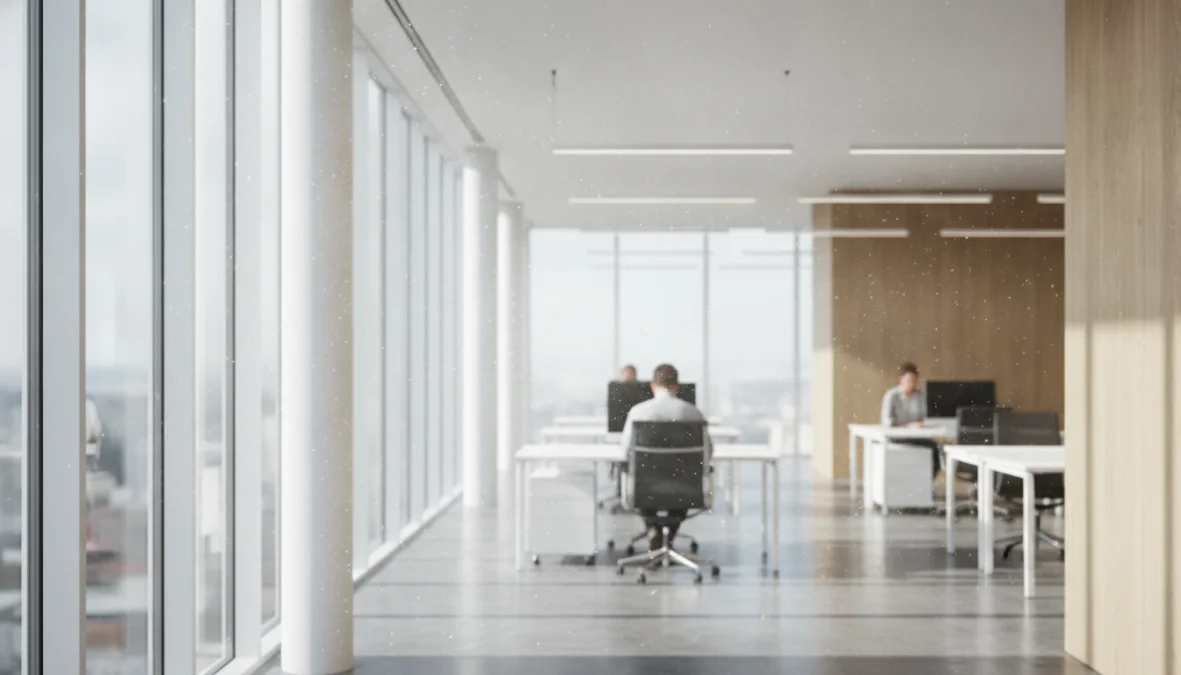
Ever walked into an office building and felt an inexplicable headache creeping in? Or noticed how you feel sluggish and foggy-brained after a few hours at your desk, only to feel miraculously better once you step outside? You’re not imagining things. The truth is, our modern buildings—those sleek, energy-efficient structures we work and live in—might be slowly poisoning us. Welcome to the indoor air quality health crisis, a silent epidemic that’s affecting millions of people worldwide.
Understanding the Indoor Air Quality Crisis in Modern Buildings
Here’s a sobering statistic: the average person spends approximately 90% of their time indoors. Let that sink in. Whether it’s your home, office, gym, or favorite coffee shop, you’re breathing indoor air for the vast majority of your life. And here’s the kicker—indoor air pollution is often 2 to 5 times worse than outdoor air pollution, even in major cities.
How did we get here? The story begins in the 1970s during the energy crisis. In response to skyrocketing energy costs, architects and engineers began designing buildings with what’s called a “tight building envelope”—essentially sealing structures to prevent air leakage and reduce heating and cooling costs. While this approach saved energy, it created an unintended consequence: inadequate ventilation and a buildup of pollutants inside our buildings.
The difference between outdoor and indoor environmental quality is stark. While outdoor air has its share of pollutants, it benefits from natural dilution and dispersion. Indoor air, however, becomes a concentrated cocktail of contaminants with nowhere to go. Modern construction materials, furnishings, cleaning products, and even our own activities continuously release pollutants into these sealed environments, creating what experts now recognize as a serious public health concern.
Common Indoor Air Contaminants and Their Health Effects
Understanding indoor air contaminants is crucial to recognizing why buildings make us sick. The list of culprits is extensive and often invisible. VOCs (volatile organic compounds) are chemical gases emitted from paints, varnishes, cleaning supplies, office equipment, and even new furniture—a process called building materials off-gassing. Formaldehyde, a common VOC found in pressed wood products and carpeting, is particularly notorious.
Then there’s carbon dioxide levels, which accumulate when ventilation is inadequate. High CO2 concentrations (above 1,000 ppm) can cause drowsiness, difficulty concentrating, and reduced cognitive performance. Mold and mildew exposure from poor humidity control can trigger allergic reactions and respiratory issues. Particulate matter, dust mites, pollen, and even bacteria circulate through poorly maintained systems.
Sick building syndrome is the umbrella term for the collection of health symptoms that building occupants experience without any identifiable illness. Common poor air quality symptoms include headaches, dizziness, nausea, eye and throat irritation, dry cough, dry or itchy skin, difficulty concentrating, fatigue, and sensitivity to odors. These symptoms typically improve when people leave the building.
Short-term effects are uncomfortable but manageable. Long-term exposure, however, is where things get serious. Chronic exposure to poor indoor air can lead to the development or exacerbation of asthma, allergies, chronic respiratory diseases, and even cardiovascular problems. Certain groups are particularly vulnerable—children (whose lungs are still developing), elderly individuals, people with pre-existing respiratory conditions, and those with compromised immune systems face heightened risks. Similar to how environmental factors affect our overall wellbeing in biohacking approaches to health optimization, the spaces we inhabit profoundly impact our physical and mental performance.
The Role of HVAC Systems in Air Quality Problems
HVAC air quality is central to understanding how do modern buildings affect indoor air quality. Your heating, ventilation, and air conditioning system should be your first line of defense against pollutants, but when poorly designed or maintained, it becomes part of the problem. Many building ventilation systems simply don’t bring in enough fresh outdoor air, instead recirculating the same contaminated air throughout the building.
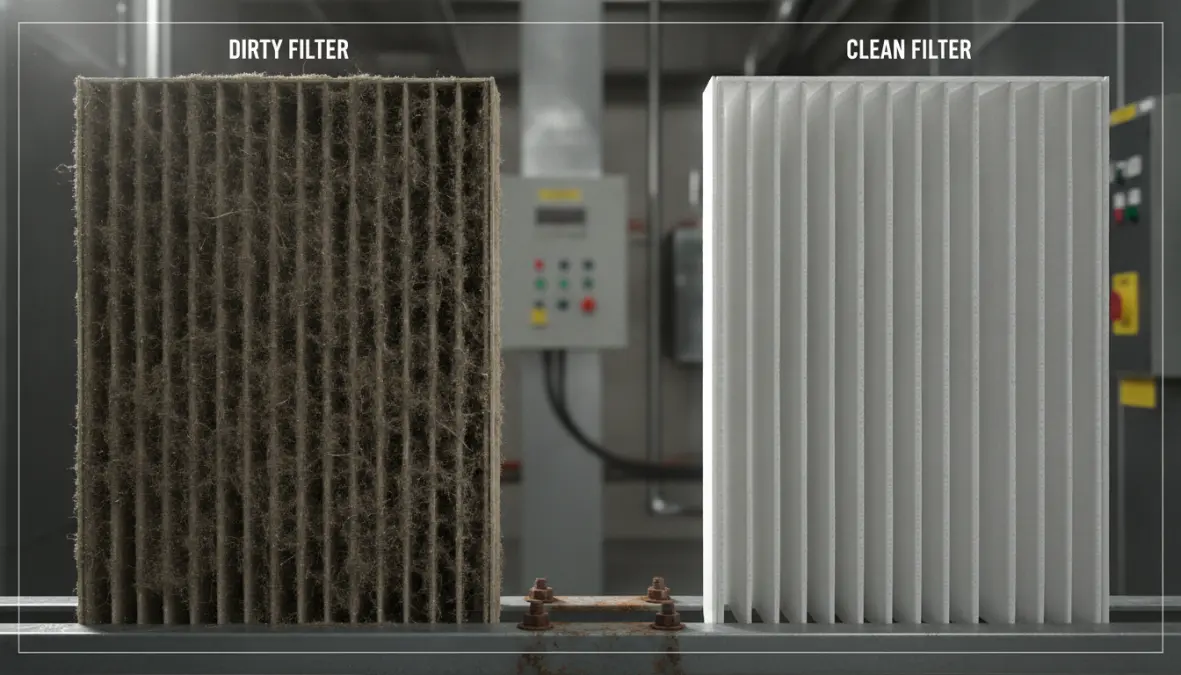
The American Society of Heating, Refrigerating and Air-Conditioning Engineers (ASHRAE) sets standards for ventilation rates, but many buildings don’t meet these benchmarks. Dirty filters, clogged ducts, standing water in drip pans, and neglected maintenance create perfect breeding grounds for mold, bacteria, and other contaminants. When these systems then distribute air throughout a building, they’re essentially spreading pollutants to every room. Regular HVAC maintenance isn’t just about comfort—it’s a critical health issue.
Solutions: Improving Indoor Air Quality in Your Building
The good news? How to improve indoor air quality in buildings isn’t rocket science, though it does require commitment. Solutions vary depending on whether you’re a building owner, facility manager, or occupant, but everyone has a role to play in creating healthier indoor environmental quality.
For building owners and managers, upgrading building ventilation systems is paramount. This means ensuring adequate fresh air exchange rates that meet or exceed ASHRAE standards. Installing advanced air filtration systems with HEPA filters or high MERV-rated filters (MERV 13 or higher) can capture smaller particles and significantly reduce airborne contaminants. Modern buildings should incorporate demand-controlled ventilation that adjusts based on occupancy and real-time air quality monitoring.
Humidity control is another critical factor—maintaining indoor humidity between 30-50% prevents mold growth while avoiding the discomfort of overly dry air. Source control is equally important: selecting low-VOC paints, adhesives, and furniture, establishing cleaning protocols with non-toxic products, and ensuring proper ventilation during and after construction or renovation projects.
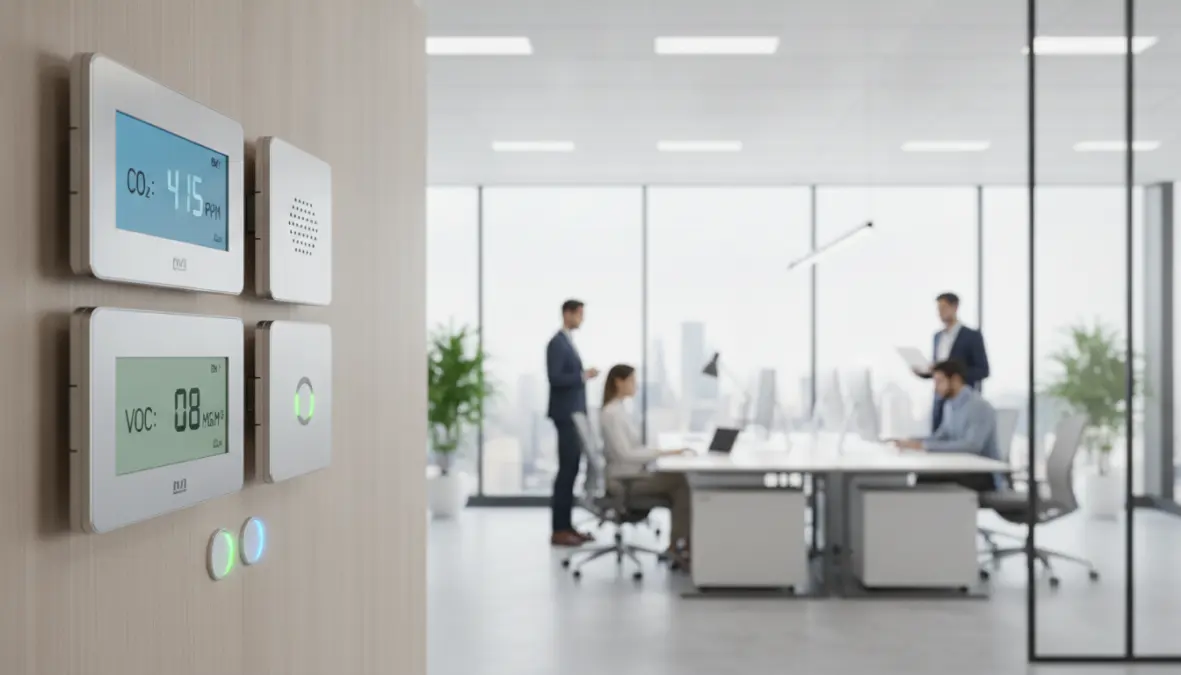
Real-time air quality monitoring with CO2 sensors, VOC detectors, and particulate matter monitors provides valuable data to inform ventilation decisions. Many building certification programs like WELL Building Standard and LEED (Leadership in Energy and Environmental Design) now include stringent indoor air quality requirements, setting benchmarks for healthy buildings. Just as adaptive reuse architecture transforms old structures, we can retrofit existing buildings with modern air quality solutions.
For individual occupants, simple steps can make a difference: opening windows when possible, using portable air purifiers with HEPA filters, avoiding synthetic air fresheners, maintaining indoor plants (though their air-purifying abilities are limited and shouldn’t be relied upon as a primary solution), and advocating for better air quality measures in your workplace. Regular HVAC air quality inspections and filter changes should be non-negotiable in any building maintenance schedule—experts recommend professional servicing at least twice yearly.
FAQ: Indoor Air Quality and Health Concerns
What is sick building syndrome?
Sick building syndrome refers to situations where building occupants experience acute health effects and discomfort that appear to be linked to time spent in a building, but no specific illness or cause can be identified. Symptoms typically disappear when people leave the building and include headaches, eye irritation, fatigue, and difficulty concentrating.
How do I know if my building has poor air quality?
Common signs include persistent musty or chemical odors, visible mold growth, excessive dust accumulation, inconsistent temperatures, stuffiness, and—most tellingly—when multiple occupants experience similar health symptoms that improve away from the building. Professional air quality testing can provide definitive answers about specific contaminant levels.
Can indoor air pollution cause long-term health problems?
Yes. The health effects of poor indoor air quality in buildings extend beyond temporary discomfort. Chronic exposure can lead to the development of asthma, allergies, and other respiratory conditions, worsen existing cardiovascular disease, and has been linked to certain cancers when exposure to specific contaminants like radon or formaldehyde is prolonged.
What are the most dangerous indoor air pollutants?
Radon (a radioactive gas) tops the list as the second-leading cause of lung cancer. Other serious threats include carbon monoxide, asbestos fibers, formaldehyde, benzene, and biological contaminants like mold spores. VOCs (volatile organic compounds) from everyday products also pose significant risks with long-term exposure.
How often should HVAC systems be serviced for optimal air quality?
Professional HVAC maintenance should occur at least twice yearly—typically before heating and cooling seasons. However, filters should be checked monthly and replaced every 1-3 months depending on usage and filter type. High-traffic commercial buildings may require more frequent attention to maintain optimal air quality standards.
The indoor air quality health crisis isn’t going away on its own. As we continue spending the vast majority of our lives indoors, recognizing and addressing these invisible threats becomes not just important—it’s essential. Whether you’re experiencing symptoms of sick building syndrome yourself or simply want to create healthier spaces for your family or employees, taking action on indoor air quality is one of the most impactful health interventions you can make. After all, every breath matters.