The Polarization Economy: How Division Became the Most Profitable Business Model
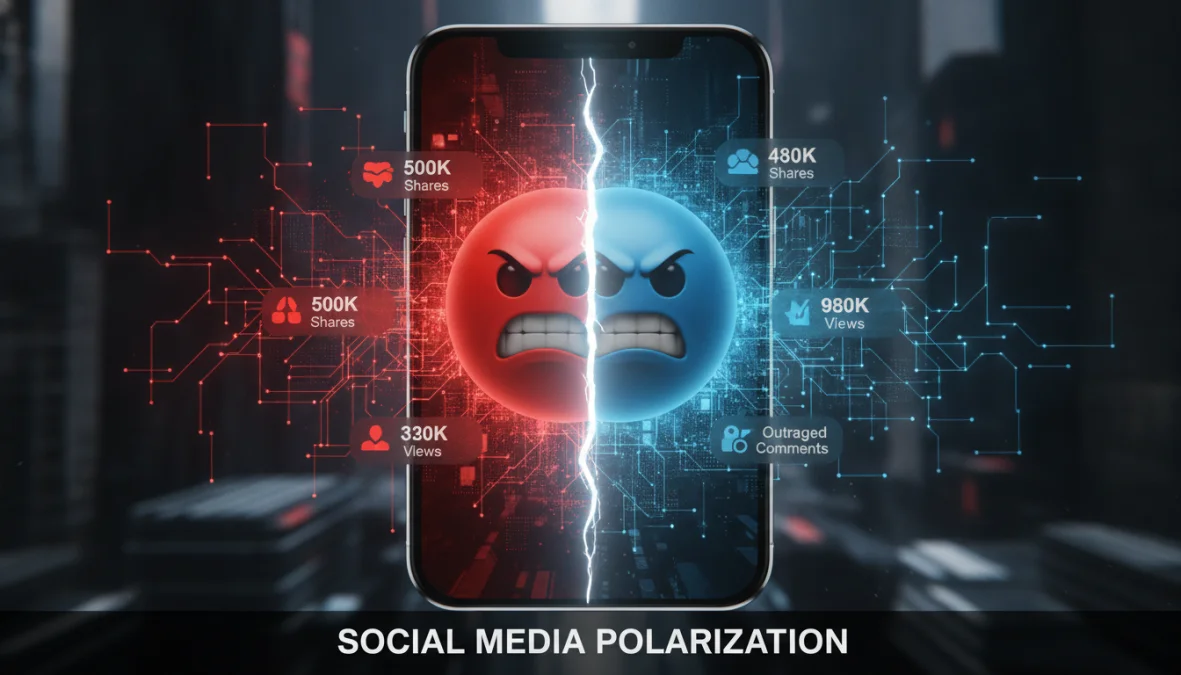
Ever notice how the angriest content gets the most shares? How news headlines seem designed to make your blood boil? Welcome to the polarization economy—where your outrage isn’t just a feeling, it’s a revenue stream. In this new economic landscape, division isn’t a bug; it’s the entire business model. Companies across industries have discovered that keeping us angry, tribal, and at each other’s throats is far more profitable than bringing us together.
What is the Polarization Economy and Why It Matters
The polarization economy represents a fundamental shift in how businesses generate profit. Instead of appealing to broad audiences with consensus-building messages, companies now maximize revenue by amplifying political polarization business strategies and leveraging social division as an economic asset. This division economy thrives on conflict, controversy, and tribal identity.
Historically, mainstream media and consumer brands aimed for mass appeal—think of network television’s golden age when three channels competed to offend nobody. That consensus-based model has been replaced by fragmentation and deliberate positioning along cultural fault lines. Research shows that polarizing content generates 5-8 times more engagement than neutral content, and engagement directly translates to advertising revenue.
Several industries have become particularly dependent on this model. Social media platforms optimize for engagement metrics that favor divisive content. Cable news networks discovered that partisan programming attracts more loyal viewers than balanced coverage. Political consulting firms profit from heightened tensions. Even consumer brands increasingly position themselves within cultural battles, understanding that passionate tribal loyalty—even from a smaller segment—often generates more value than tepid approval from everyone.
How the Polarization Profit Model Works Across Industries
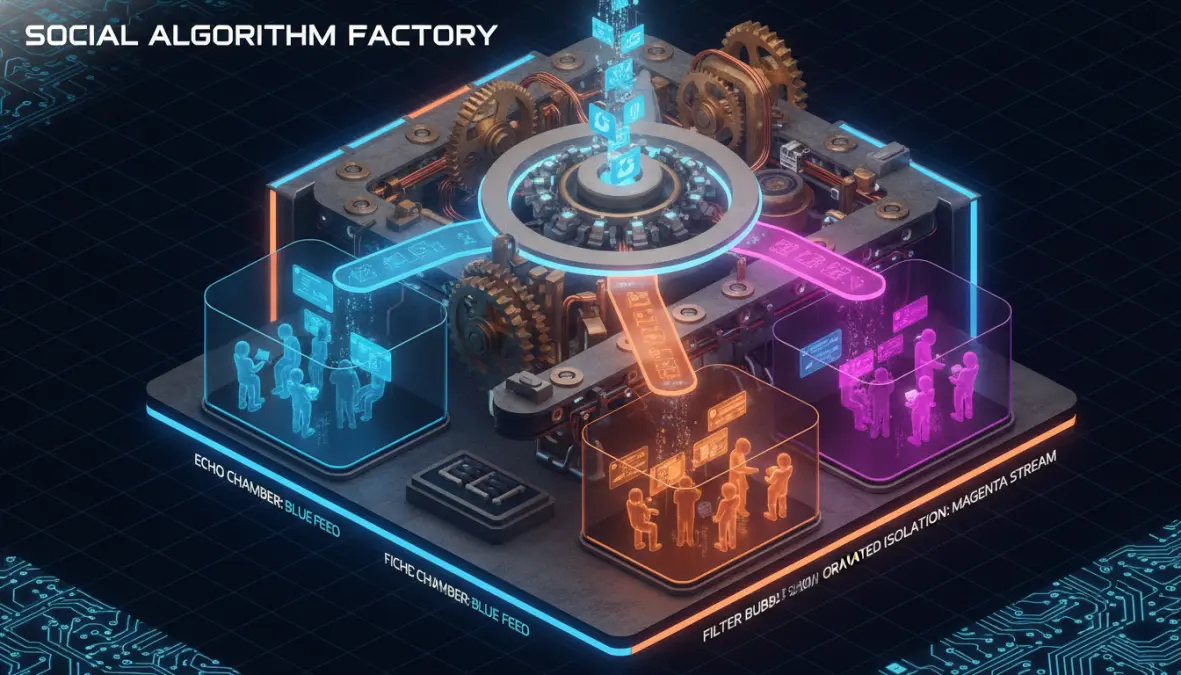
The polarization profit model operates through sophisticated mechanisms that convert social division into conflict driven revenue. At its core lies a simple equation: heightened emotions lead to increased engagement, and the engagement economy rewards platforms and content creators who keep users clicking, watching, and sharing.
Algorithmic systems form the backbone of this model. Platforms use algorithmic amplification to surface content that generates the strongest reactions. These algorithms don’t have political preferences—they simply optimize for whatever keeps users on the platform longest. Unfortunately, outrage, fear, and tribal signaling consistently outperform nuanced discussion in holding attention. This creates filter bubbles and echo chambers where users primarily encounter information confirming their existing beliefs, while contrary viewpoints appear increasingly extreme.
The relationship between the polarization economy and the broader attention economy is fundamental—both monetize user focus, but polarization strategies prove particularly effective at capturing and retaining that valuable attention.
Social Media and the Engagement Economy
Social media platforms exemplify how companies profit from polarization. Facebook’s internal research, leaked by whistleblowers, revealed that the platform’s algorithms disproportionately amplified divisive content because it drove higher engagement. Twitter’s (now X) trending topics consistently feature controversies and conflicts. These aren’t accidents—they’re the predictable outcomes of systems optimized for engagement metrics.
The business model is straightforward: more engagement means more ad impressions, which means more revenue. A user scrolling past neutral content doesn’t generate much value. A user enraged by outrage marketing might spend hours arguing in comments, repeatedly refreshing their feed, and sharing inflammatory posts—each action generating advertising opportunities. This is how social media profits from polarization in its purest form.
Platforms have essentially manufactured outrage as a commodity. Content that triggers anger, moral indignation, or tribal belonging gets algorithmically promoted. This creates perverse incentives for content creators who quickly learn that nuance doesn’t pay the bills, but controversy does.
Tribal Marketing Strategies in Consumer Brands
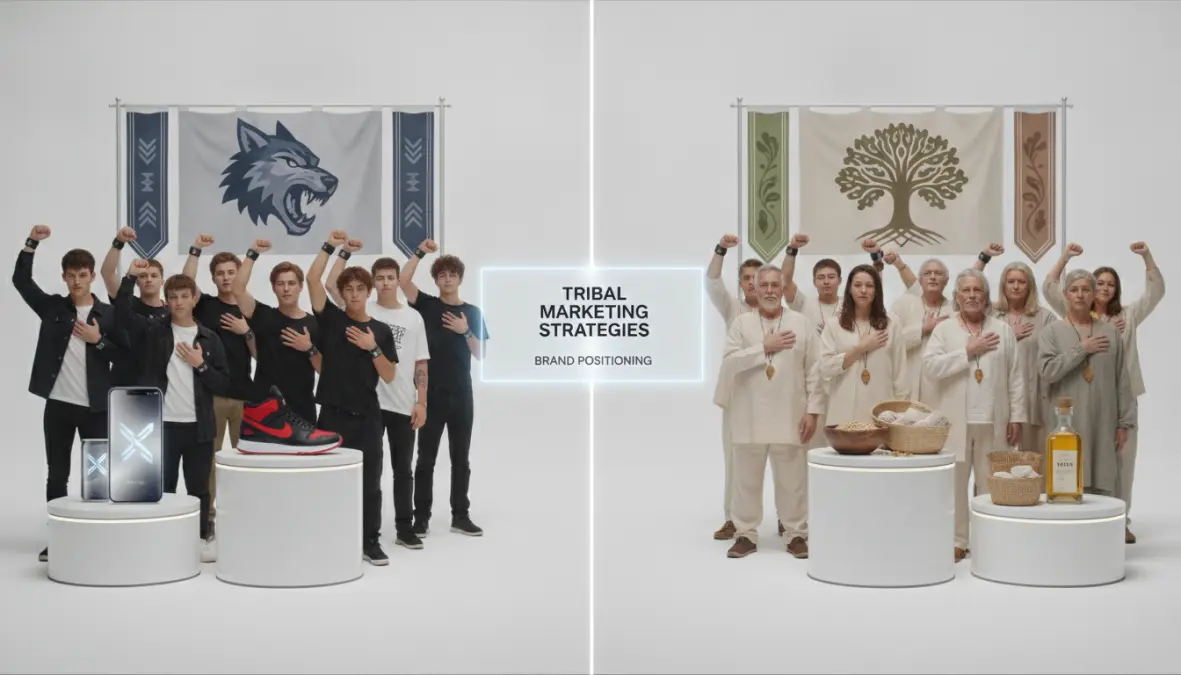
Tribal marketing strategies represent how traditional businesses have adapted to the polarization economy. Rather than seeking universal appeal, brands increasingly plant flags in cultural debates, understanding that passionate support from one tribe outweighs alienating another.
Nike’s Colin Kaepernick campaign exemplifies this approach. By featuring the controversial athlete, Nike alienated some customers but deepened loyalty among its core demographic. Chick-fil-A’s stance on social issues created both boycotts and “buycotts,” with supporters deliberately patronizing the chain to signal tribal membership. Patagonia’s environmental activism positions it within progressive identity, creating customer relationships that transcend typical brand loyalty.
These strategies leverage confirmation bias exploitation—customers don’t just buy products; they purchase validation of their worldview. The brand becomes a badge of tribal identity. This tribal identity marketing approach recognizes that in a polarized landscape, trying to please everyone means being passionate about nothing, which fails to generate the intense loyalty that drives premium pricing and repeat purchases.
The Real Costs of the Division Economy and What Comes Next
While the polarization economy generates impressive profits for some businesses, its societal costs are mounting. The division economy erodes social trust, making cooperation on shared challenges increasingly difficult. When algorithms optimize for division, democratic discourse suffers.
Research links increased social media usage and polarized news consumption to political radicalization. Filter bubbles prevent exposure to diverse viewpoints, while echo chambers amplify extreme positions until they seem normal. This isn’t just about annoying political arguments—it’s about the fundamental capacity of societies to function. When business models that exploit political division become dominant, the infrastructure of democratic deliberation itself deteriorates.
The question of sustainability looms large. Can democracies function when their information ecosystems are optimized for conflict? Some businesses are beginning to recognize reputational risks. Advertisers occasionally pull spending from particularly toxic platforms. Regulatory pressure is increasing, with proposals ranging from algorithmic transparency requirements to changes in Section 230 protections.
Alternative business models exist. Subscription-based media without advertising can reduce dependence on engagement metrics. Platforms experimenting with chronological feeds rather than algorithmic curation show promise. Some brands are deliberately choosing inclusive positioning over tribal marketing. These approaches demonstrate that monetizing social and political conflict isn’t inevitable—it’s a choice.
The economics of outrage and division may be reaching an inflection point. As users experience “outrage fatigue” and societal dysfunction becomes harder to ignore, both consumer preferences and regulatory environments may shift. Whether businesses will voluntarily move away from polarization profit models or require external pressure remains an open question, but the conversation about why companies benefit from cultural polarization is finally happening in mainstream discourse.
FAQ
What companies benefit most from the polarization economy?
Social media platforms like Facebook, Twitter/X, and TikTok benefit enormously through algorithmic amplification of divisive content that increases engagement metrics and ad revenue. Cable news networks, particularly those with partisan programming, capture loyal audiences through tribal identity marketing. Political consulting firms and certain consumer brands that position themselves within cultural debates also profit substantially from the polarization economy.
Is political polarization intentionally created by businesses?
It’s complicated. Most businesses don’t explicitly set out to divide society, but they design systems that reward polarizing content because it drives engagement. The polarization profit model creates incentives that favor divisive content, even if individual companies claim neutrality. While manufactured outrage isn’t always deliberate, companies understand and accept that their algorithms promote division because it’s profitable.
Can the polarization economy be reversed?
Reversal is theoretically possible but requires significant changes. Potential solutions include regulating algorithmic amplification, changing advertising-based revenue models, promoting media literacy, and consumer pressure on companies profiting from division. Some platforms are experimenting with alternatives to engagement economy metrics, but widespread change would require either regulatory intervention or major shifts in consumer behavior that reduce the profitability of the division economy.
How do algorithms contribute to the division economy?
Algorithms optimize for engagement metrics—clicks, shares, time spent—which favor emotionally charged, polarizing content over nuanced discussion. This creates filter bubbles and echo chambers where users see primarily content confirming existing beliefs. The systems exploit confirmation bias and amplify extreme positions because they generate stronger reactions. This how algorithms amplify political polarization for profit—not through political preference but through mathematical optimization of user attention.