Swarm Robotics: How Coordinated Multi-Robot Systems Are Transforming Automation
Picture this: hundreds of tiny robots working together like a colony of ants, each following simple rules but collectively solving complex problems that would stump even the most advanced single machine. This isn’t science fiction—it’s swarm robotics, and it’s quietly revolutionizing how we think about automation. From warehouse floors to disaster zones, these coordinated multi-robot systems are proving that sometimes, many simple minds really are better than one brilliant brain.
What Is Swarm Robotics and How Does It Work?
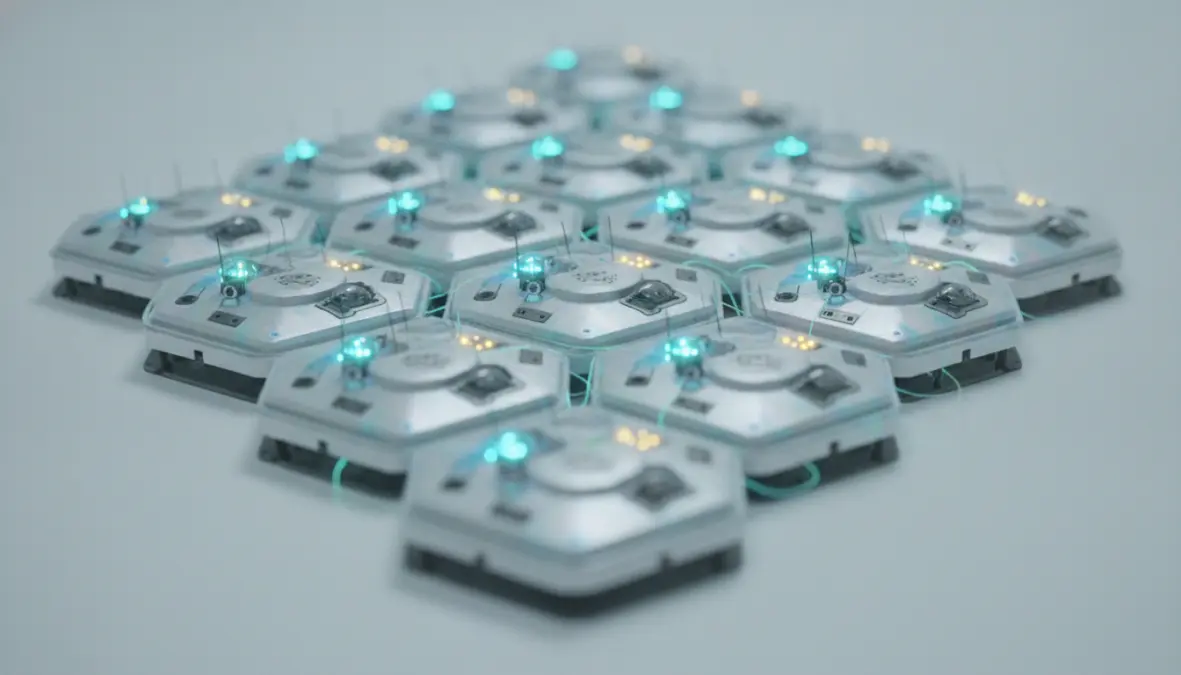
At its core, swarm robotics is all about creating intelligent systems from simple parts. Inspired by nature—think bee hives, ant colonies, flocking birds, and schooling fish—swarm intelligence emerges when multiple simple robots interact following basic local rules, producing sophisticated collective behavior that no single unit could achieve alone.
Here’s the fascinating part: individual robots in a swarm don’t need fancy processing power or complex programming. Instead, they rely on self-organization and local interactions with nearby neighbors. When a robot detects something in its environment or receives signals from peers, it adjusts its behavior according to simple algorithms. Multiply this by dozens or hundreds of robots, and you get emergent intelligence—complex patterns and problem-solving capabilities that seem almost magical.
What sets collective robotics apart from traditional robotic systems? Four key characteristics define multi-robot systems:
- Decentralization: No single robot acts as a boss; decisions happen through distributed control
- Scalability: Add more robots, and the system adapts without reprogramming
- Robustness: If one robot fails, the swarm continues functioning
- Flexibility: The same swarm can tackle different tasks by tweaking simple behavioral rules
Unlike traditional robotics where a single sophisticated machine handles complex tasks alone, swarm robotics distributes intelligence across many simple agents. It’s the difference between hiring one expert consultant versus assembling a crowd of specialists who communicate effectively.
Core Technologies Behind Swarm Robotics Systems
The magic of robot coordination relies on several enabling technologies working in harmony. First up: sensing and communication. Autonomous swarm systems depend on robots detecting their environment and neighbors through sensors—infrared, ultrasonic, cameras, or GPS. Communication happens locally, with robots sharing information only with nearby units, creating a decentralized information network.
Swarm algorithms form the brain of these systems. Flocking algorithms, inspired by bird migrations, help robots maintain formation while moving. Each robot follows three simple rules: separation (avoid crowding neighbors), alignment (steer toward average heading), and cohesion (move toward average position). The result? Elegant, coordinated movement without a leader.
Consensus protocols enable swarms to make collective decisions. When robots need to choose between options—which path to take, where to gather—they share preferences with neighbors, gradually converging on agreement through repeated local interactions. It’s democracy at the microscopic level.
Foraging algorithms, borrowed from ant colony behavior, employ stigmergy—indirect coordination through environmental modifications. Robots leave virtual or physical markers (like chemical trails), guiding others toward resources or completed tasks. This simple mechanism enables impressive task allocation without complex planning.
Distributed artificial intelligence and machine learning are now supercharging swarm capabilities. Robots can learn optimal behaviors through reinforcement learning, improving coordination strategies over time. Bio-inspired computing continues pushing boundaries, with researchers developing algorithms that mimic slime molds, fish schools, and even cellular processes to solve optimization problems.
Emergent behaviors arising from these technologies include spontaneous pattern formation (robots arranging themselves into specific shapes), dynamic task allocation (automatically distributing work based on demand), and collective transport (multiple robots moving objects too heavy for individuals)—all without centralized commands.
Real-World Applications and Future Potential of Multi-Robot Systems
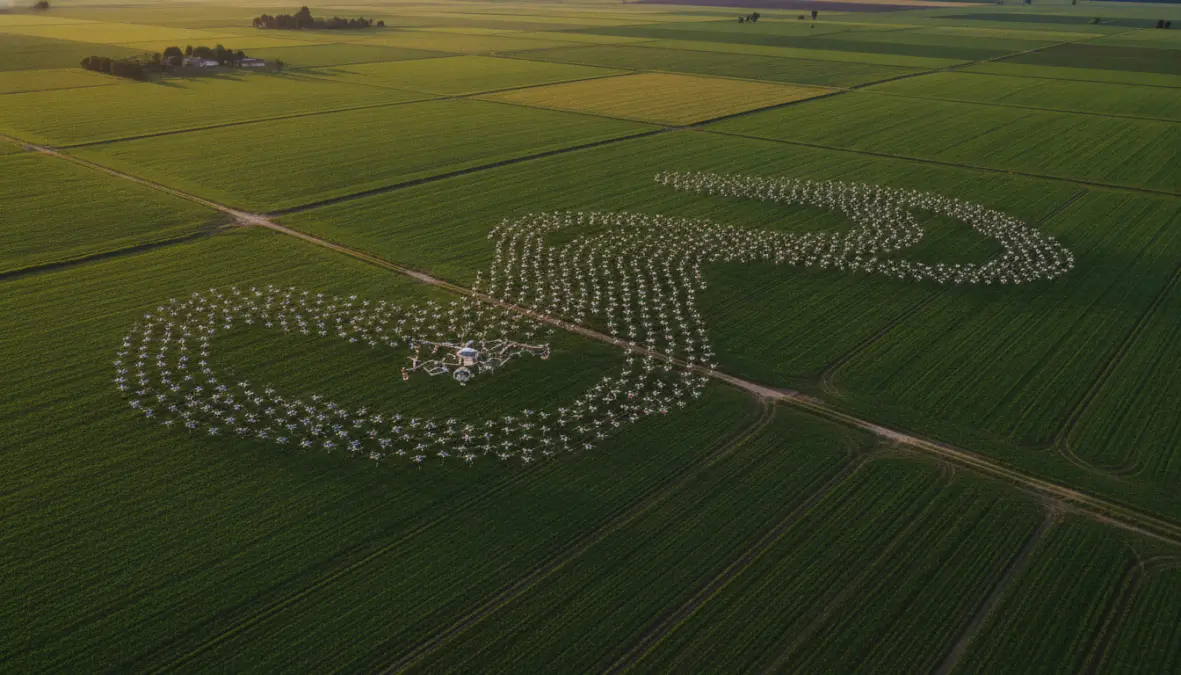
The practical applications of swarm robotics applications in industry are expanding rapidly. In precision agriculture, drone swarms equipped with multispectral cameras monitor crop health across vast fields simultaneously. Each drone covers a section, collectively creating detailed maps that identify disease, water stress, or nutrient deficiencies faster and more comprehensively than single-unit operations. Some systems even coordinate pollination tasks or targeted pesticide application, similar to approaches seen in sustainable environmental management like rewilding initiatives that restore natural ecosystems.
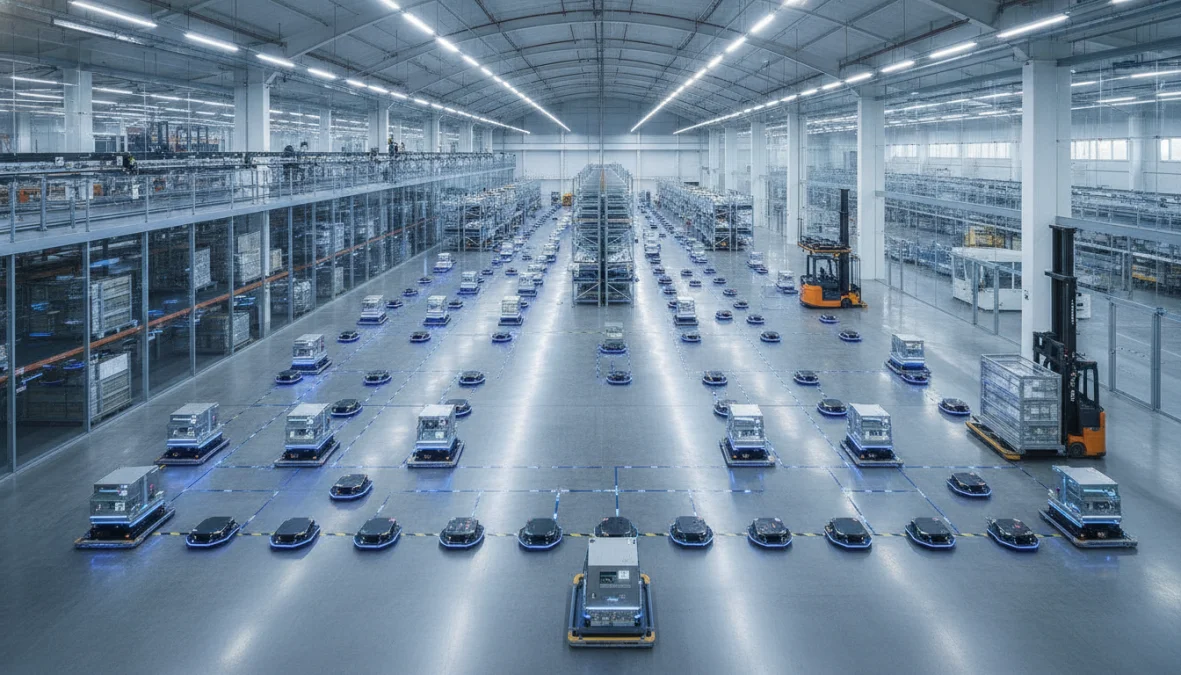
Warehouse automation represents another sweet spot for distributed robotics. Companies deploy hundreds of small robots that coordinate to move inventory, pick items, and optimize storage. The decentralized control in swarm robotics means these systems adapt instantly to changing demand without reprogramming. If one robot breaks down, others compensate automatically—crucial for operations running 24/7.
Swarm robotics for search and rescue offers life-saving potential. Following disasters, swarms can cover large areas quickly, each robot searching zones while sharing findings with the collective. Thermal sensors detect survivors under rubble, while chemical sensors identify hazardous leaks. The redundancy means mission success doesn’t depend on any single unit surviving harsh conditions.
Environmental monitoring benefits tremendously from autonomous swarm systems. Underwater robot swarms track ocean pollution, monitor coral reef health, and map seafloors. Aerial swarms survey deforestation or wildlife populations. The distributed approach provides comprehensive data coverage impossible for individual units, supporting broader sustainability efforts alongside technologies like decentralized energy systems that reimagine resource management.
Collaborative construction projects utilize multi-robot systems to build structures autonomously. Inspired by termite mounds, robot teams coordinate to place materials following simple rules, eventually constructing complex buildings. Defense and surveillance applications employ swarms for perimeter monitoring and reconnaissance, with distributed intelligence making these systems difficult to disable.
Despite progress, challenges in swarm robotics coordination remain. Dynamic environments require constant adaptation. Security concerns arise when swarms operate autonomously—how do we prevent malicious hijacking? Standardization across platforms and algorithms needs industry agreement. Energy management poses difficulties; coordinating charging schedules for hundreds of robots demands clever solutions.
The future looks extraordinary. Smart cities could deploy cleaning, maintenance, and monitoring swarms that operate invisibly. Space exploration missions might use thousands of tiny robots to map planets or construct habitats. Medical nano-robotics swarms could navigate bloodstreams, targeting drug delivery or repairing tissue at cellular levels—truly bio-inspired swarm robot algorithms applied to human health.
FAQ
What are the main advantages of swarm robotics over single robots?
Swarm robotics offers superior scalability, robustness, and area coverage. Single-robot failure doesn’t stop operations, swarms adapt to varying task sizes, and distributed sensing provides comprehensive environmental awareness impossible for individual units. Cost-effectiveness also improves since simple robots are cheaper than complex standalone systems.
What animals inspire swarm robotics behavior?
Ants, bees, termites, birds, fish, and locusts provide primary inspiration. Ant foraging patterns inform search algorithms, bird flocking guides formation movement, bee colony decision-making influences consensus protocols, and termite construction behaviors inspire collaborative building projects. Nature’s proven solutions translate beautifully into robot coordination strategies.
How do swarm robots communicate with each other?
Communication happens through local sensing (infrared, radio frequency, optical signals) and environmental markers (stigmergy). Robots typically share simple messages—position, status, findings—with nearby neighbors only. This decentralized approach avoids communication bottlenecks and enables swarm intelligence to emerge from local interactions.
What are the biggest challenges in swarm robotics?
Key challenges include coordinating in unpredictable environments, ensuring security against interference, managing power for large robot populations, achieving reliable inter-robot communication, and developing standardized algorithms. Balancing autonomy with human oversight and scaling laboratory success to real-world complexity also present ongoing hurdles for distributed robotics researchers.
As we stand at the frontier of automation’s next evolution, swarm robotics reminds us that intelligence isn’t always about individual brilliance—sometimes it’s about connection, cooperation, and the unexpected genius that emerges when simple minds work together toward common goals. The swarm is coming, and it’s smarter than you think.