How Deepfake Technology Is Threatening Democracy and Eroding Media Trust
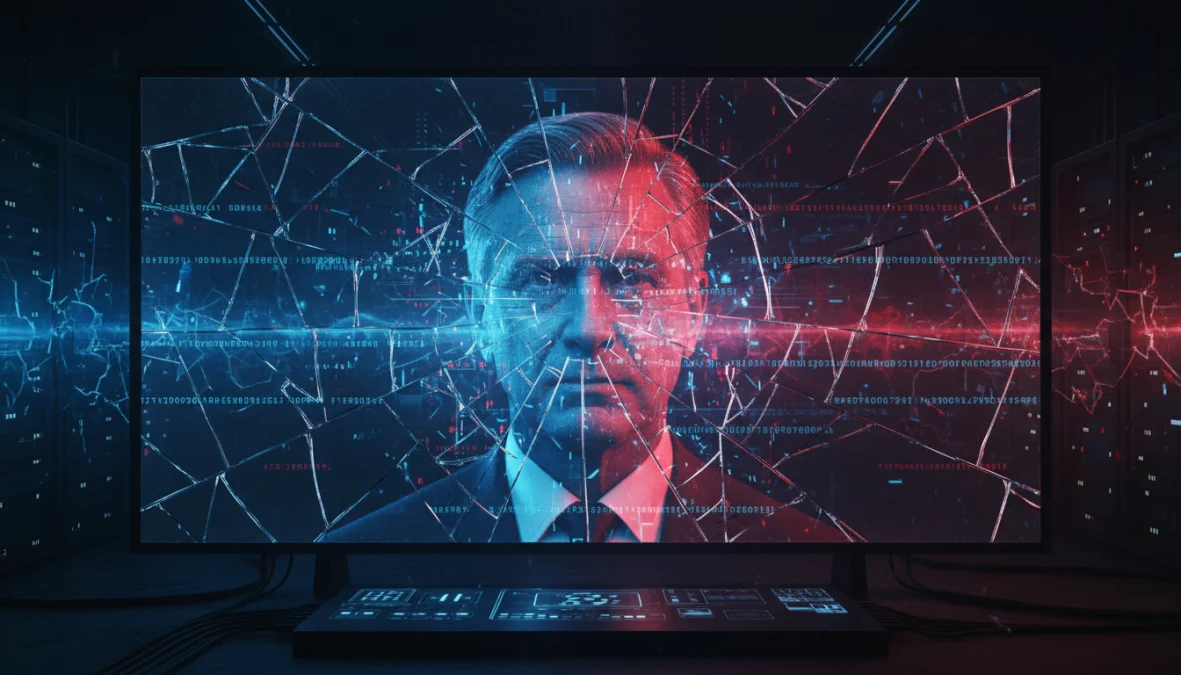
Imagine waking up to a video of your country’s leader declaring war, confessing to corruption, or making inflammatory statements—only to discover hours later it was completely fabricated. This isn’t science fiction anymore. The deepfake democracy threat has evolved from a theoretical concern into a clear and present danger that’s reshaping how we consume information, trust our leaders, and participate in democratic processes. As synthetic media becomes increasingly sophisticated and accessible, we’re entering an era where seeing is no longer believing, and the very foundations of truth in public discourse are under siege.
Understanding the Deepfake Democracy Threat: How Synthetic Media Manipulates Reality
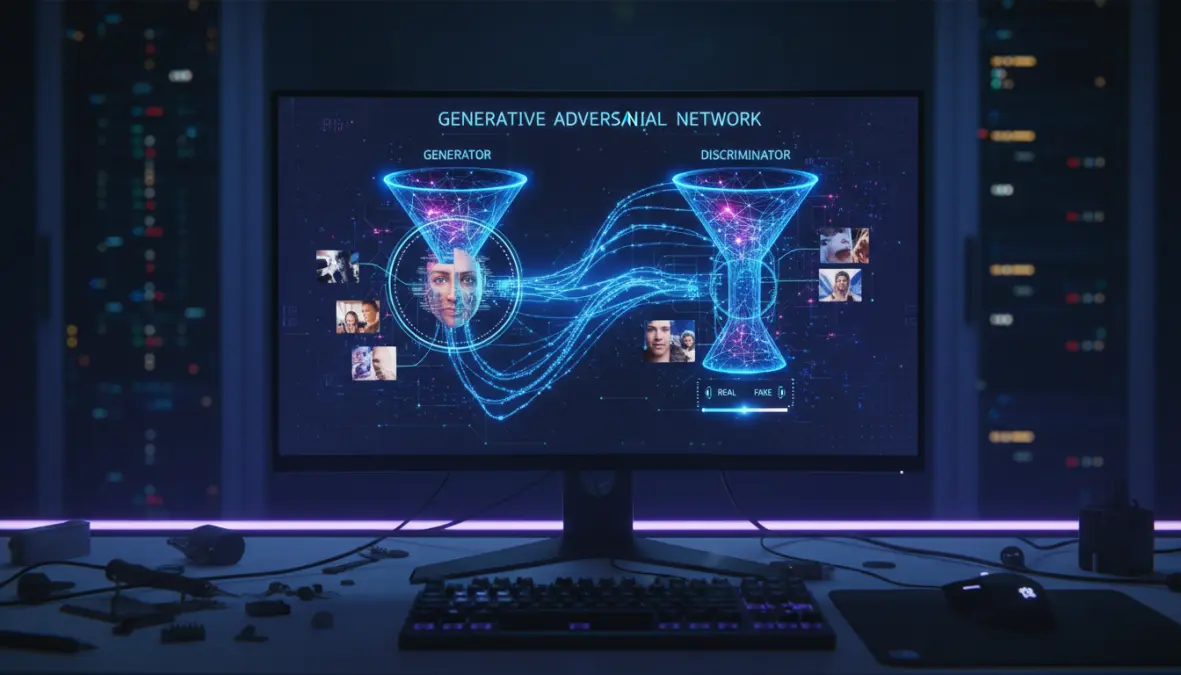
Deepfakes are synthetic media created using artificial intelligence, specifically generative adversarial networks (GANs), which pit two neural networks against each other to produce hyper-realistic fake videos, audio recordings, or images. One network generates the fake content while the other evaluates its authenticity, continuously improving until the result becomes virtually indistinguishable from reality. This AI-generated disinformation technology has become alarmingly accessible—what once required Hollywood-level resources can now be created on a laptop in hours.
The synthetic media manipulation we’re witnessing isn’t hypothetical. In one documented case, a deepfake video of Gabonese President Ali Bongo sparked a military coup attempt when citizens questioned whether their leader was actually alive. A fabricated video of a Belgian politician appeared to show him linking COVID-19 to environmental destruction, causing widespread confusion. These political deepfake videos demonstrate how quickly fabricated content can destabilize public confidence.
What makes the deepfake democracy threat particularly insidious is timing and virality. A fake video released 48 hours before an election can spread across millions of social media users before fact-checkers can debunk it. Research shows that false information spreads six times faster than truth on social media platforms. The damage is done before corrections reach even a fraction of those initially deceived. During critical democratic moments—debates, primaries, general elections—this timing advantage becomes a potent weapon for information warfare.
The Impact on Electoral Integrity and Democratic Processes
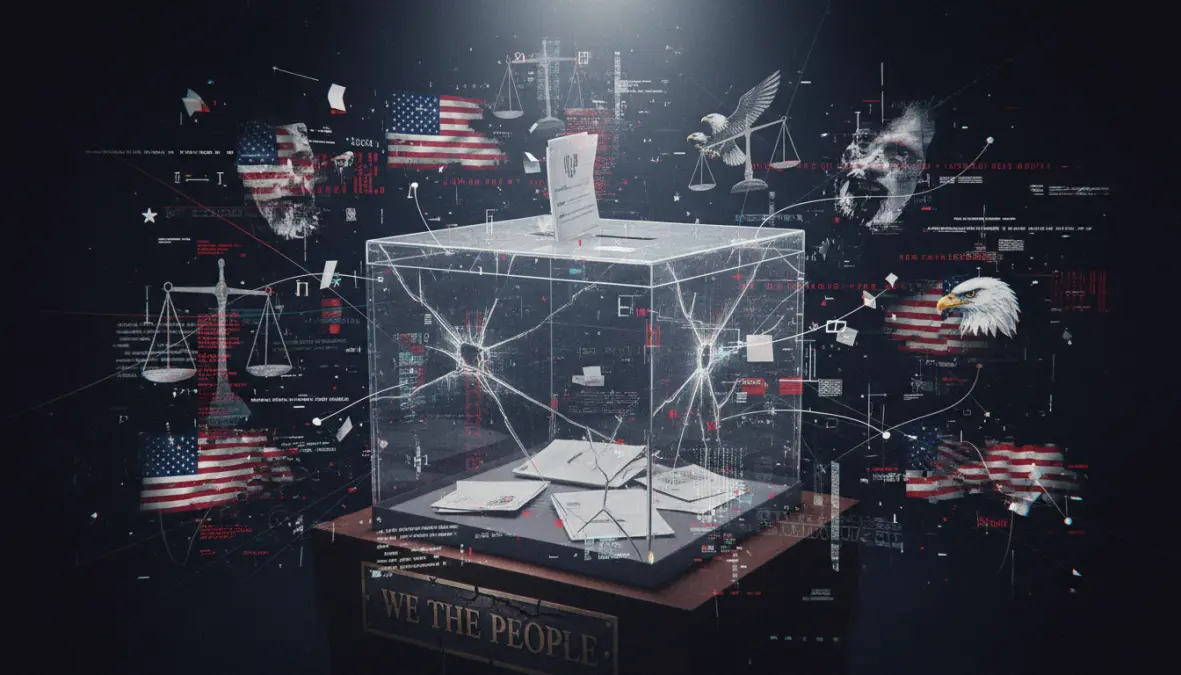
The question of how deepfakes threaten election integrity extends far beyond individual fake videos. These tools enable sophisticated misinformation campaigns that can manufacture scandals from thin air, create false evidence of corruption, or fabricate compromising situations involving candidates. Imagine a deepfake surfacing weeks before voting day showing a candidate accepting bribes or making racist remarks—even after debunking, the reputational damage lingers and influences voter behavior.
Electoral integrity deepfakes exploit what researchers call the “liar’s dividend”—a perverse consequence where authentic damaging content can be dismissed as fake. Politicians caught on camera making genuine controversial statements can now claim “that’s just a deepfake,” and a significant portion of their base will believe them. This undermines legitimate journalism and creates a post-truth environment where everything becomes deniable and nothing is definitively true.
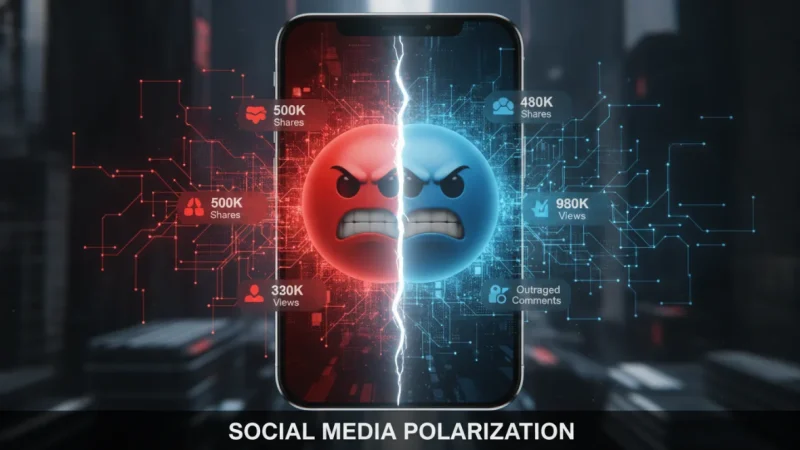
The impact of deepfakes on public trust creates cascading effects throughout democratic systems. When citizens can’t trust what they see and hear, they become cynical about all information sources, disengaged from civic participation, and susceptible to conspiracy theories. Research indicates that exposure to deepfakes—even when labeled as fake—reduces overall trust in media and increases political polarization. The long-term consequence isn’t just one stolen election; it’s the gradual erosion of the shared reality necessary for democracy to function.
Beyond elections, deepfake technology undermining journalism creates an existential crisis for news organizations. When authentic investigative reporting can be dismissed as “fake news” or manipulated content, the fourth estate loses its power to hold leaders accountable. This algorithmic manipulation of public perception shifts power toward those willing to weaponize disinformation while honest actors are handicapped by facts.
Fighting Back: Detection Technology and Building Media Literacy
Combating this threat requires a two-pronged approach: technological solutions to identify manipulated content and educational initiatives to create a more discerning public. Neither alone is sufficient, but together they offer our best defense against synthetic media manipulation.
Current and Emerging Deepfake Detection Technologies
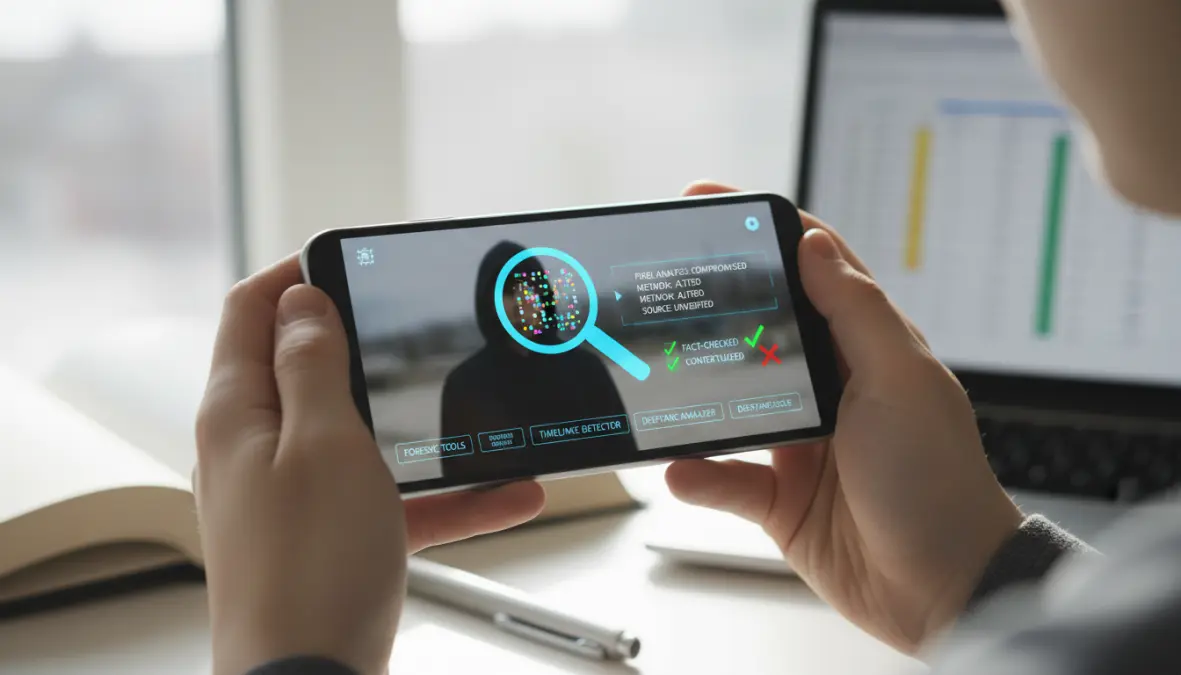
Deepfake detection technology has advanced significantly, employing multiple analytical approaches. Forensic software examines inconsistencies invisible to the human eye—unnatural blinking patterns, lighting mismatches, pixel-level artifacts, and temporal inconsistencies between frames. Media forensics tools analyze metadata, compression artifacts, and digital fingerprints that reveal post-production manipulation.
Media authenticity verification increasingly relies on blockchain-based solutions and digital provenance systems. Major camera manufacturers are developing technology that cryptographically signs images at capture, creating an unbreakable chain of custody. The Content Authenticity Initiative (CAI) brings together tech companies, news organizations, and camera makers to establish industry standards for content authenticity certification.
However, we’re locked in an arms race. As detection improves, so do generation techniques. The challenge of detecting deepfakes in political campaigns is that sophistication is asymmetric—creating convincing fakes requires significant resources, but creating fakes good enough to confuse voters for 48 hours is increasingly trivial. Social media platforms have implemented policies flagging manipulated media, but enforcement remains inconsistent and often too slow to prevent viral spread.
Empowering Citizens Through Digital Media Literacy
Technology alone won’t save democracy from deepfakes—we need a fundamental shift in digital media literacy. Citizens must develop critical thinking skills to question suspicious content before sharing. Practical verification strategies include: reverse image searching to find original sources, checking whether mainstream news outlets are reporting the same story, examining video quality for telltale glitches around faces and mouths, and being especially skeptical of emotionally charged content designed to provoke immediate sharing.
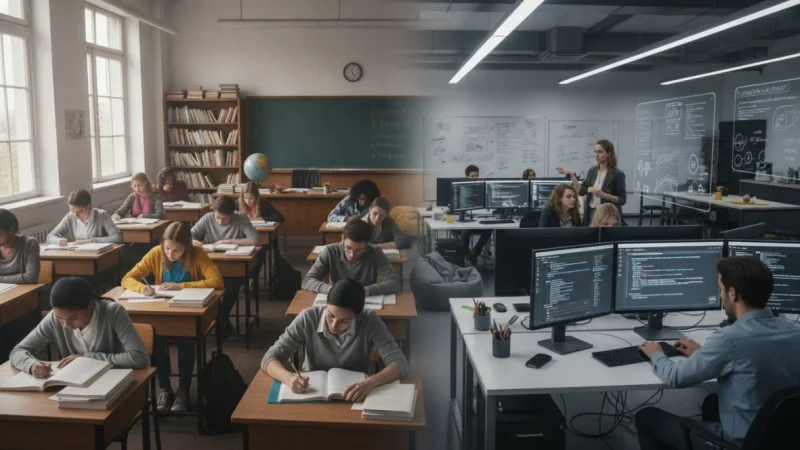
Combating deepfake misinformation in democracies requires systematic education beginning in schools and extending through community programs for all age groups. Finland’s comprehensive media literacy curriculum, implemented nationwide, has made it one of the most resistant countries to disinformation campaigns. Similar programs need global adoption, teaching people not just what to think, but how to evaluate information sources critically.
Individual responsibility matters enormously. Every person who pauses before sharing unverified content breaks the chain of viral misinformation. The question “How do I know this is real?” should become reflexive, especially during election seasons when misinformation campaigns intensify deliberately.
FAQ: Common Questions About Deepfakes and Democracy
Can deepfakes actually swing elections?
While no election has been definitively decided by deepfakes yet, the potential is real. Even if a deepfake is eventually debunked, research shows initial exposure influences voter perception and behavior. In close elections, shifting even 1-2% of voters through last-minute fabricated scandals could change outcomes. The threat increases as the technology becomes more accessible and convincing.
How can I tell if a video is a deepfake?
Look for unnatural facial movements, especially around the mouth and eyes; inconsistent lighting or shadows; strange blurring around the face edges; robotic or slightly out-of-sync audio; and unusual blinking patterns. However, sophisticated deepfakes may not show obvious signs, so always verify through multiple trusted news sources before believing or sharing suspicious content.
Are there laws against political deepfakes?
Deepfake laws and regulations worldwide are emerging but remain inconsistent. Several U.S. states have criminalized malicious deepfakes created to influence elections. The EU’s Digital Services Act addresses synthetic media. China requires deepfake labeling. However, enforcement is challenging, especially when perpetrators operate from foreign jurisdictions or through anonymous accounts.
What are social media platforms doing about deepfakes?
Major platforms have policies prohibiting manipulated media intended to mislead, though implementation varies. Some label synthetic content, others remove it entirely. Platforms increasingly partner with fact-checking organizations and invest in detection AI. However, the volume of content and speed of viral spread make comprehensive moderation extremely difficult, leaving significant gaps in protection.
The deepfake democracy threat isn’t going away—it’s escalating. As we navigate this challenging landscape, protecting democratic processes from AI manipulation requires vigilance from technology companies, legislators, journalists, educators, and individual citizens. The future of truth in our democracies depends on our collective commitment to verification, critical thinking, and refusing to weaponize synthetic media for political gain. The question isn’t whether deepfakes will be used to attack democracy, but whether we’ll build sufficient defenses before they succeed.