Wild Swimming Benefits: Complete Guide to Cold Water Therapy and Safety
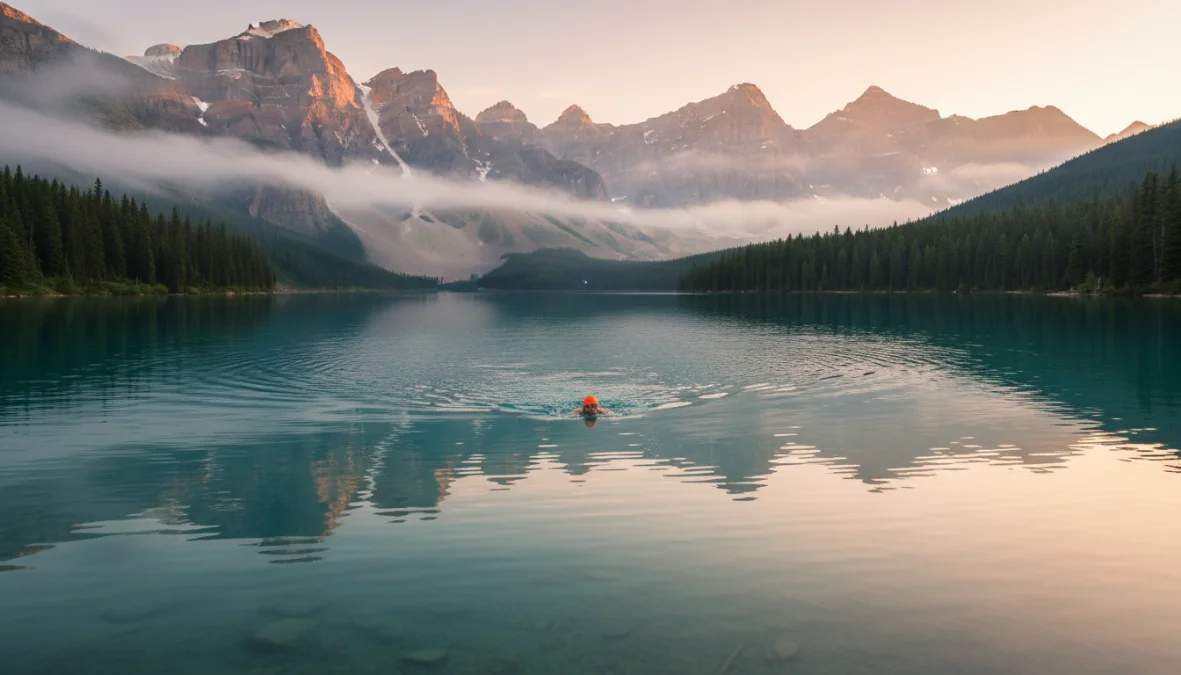
There’s something primal about plunging into cold, natural water. That initial shock, the breathless gasp, followed by an unexpected rush of clarity and joy—it’s an experience that’s drawing thousands to lakes, rivers, and oceans worldwide. The wild swimming benefits extend far beyond the simple pleasure of connecting with nature, offering profound impacts on both physical and mental health that science is only beginning to fully understand.
Understanding Wild Swimming and Cold Water Therapy
Wild swimming refers to swimming in natural outdoor bodies of water—lakes, rivers, oceans, or natural pools—rather than heated, chlorinated pools. Cold water therapy, meanwhile, is the deliberate practice of cold water immersion for health benefits, which can include wild swimming but also ice baths and cold showers. While closely related, wild swimming emphasizes the outdoor experience and connection with nature, whereas cold water therapy focuses primarily on the therapeutic effects of cold exposure.
Water below 15°C (59°F) is generally considered cold, though even temperatures up to 20°C (68°F) can provide therapeutic benefits. The practice has ancient roots—from Nordic ice swimming traditions to Japanese misogi purification rituals—but has exploded in popularity recently as research reveals the remarkable open water swimming health advantages. What was once seen as extreme is now recognized as a powerful wellness practice accessible to almost everyone.
Science-Backed Health Benefits of Cold Water Swimming
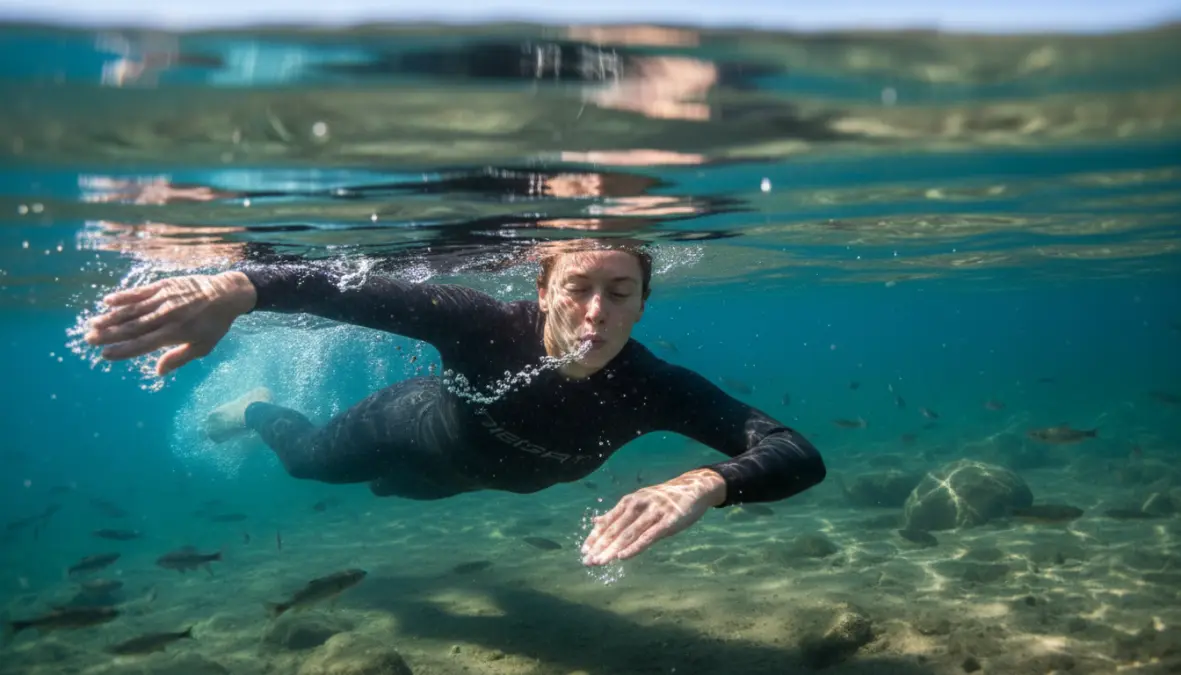
The research supporting wild swimming benefits is compelling and growing. Here’s what happens when you regularly immerse yourself in cold natural water:
Cardiovascular Health and Circulation: Cold water immersion causes blood vessels to constrict, then dilate upon warming—a vascular workout that improves circulation and strengthens your heart. Studies show regular cold water swimmers have better cardiovascular health markers, including reduced blood pressure and improved cholesterol profiles.
Immune System Boost: Perhaps most impressive is the effect on immunity. Research indicates that repeated cold exposure increases white blood cell count and activates the immune system. Regular cold water swimmers report fewer colds and respiratory infections, with one study showing a 29% reduction in sick days among participants who took cold showers.
Mental Wellbeing and Mood Enhancement: The mental wellbeing benefits are profound. Cold water triggers a flood of natural endorphins and dopamine—the body’s feel-good chemicals. Multiple studies demonstrate significant improvements in depression and anxiety symptoms. The practice demands present-moment awareness, creating a meditative effect that breaks rumination cycles common in anxiety and depression.
Inflammation Reduction and Pain Relief: Athletes have long used ice baths for recovery, and science backs this up. Cold immersion reduces inflammatory markers and can alleviate chronic pain conditions, from arthritis to fibromyalgia, through inflammation reduction mechanisms.
Metabolic Benefits: Cold exposure activates brown adipose tissue (brown fat), which burns calories to generate heat. This can improve metabolic health, insulin sensitivity, and even aid weight management over time.
Improved Sleep Quality: Many wild swimmers report better sleep, likely due to the stress-reducing effects, physical exertion, and the body’s temperature regulation processes triggered by cold immersion.
Essential Safety Guidelines and Practical Tips for Wild Swimming
Wild swimming safety is paramount—the same cold that provides benefits can also pose serious risks if approached carelessly. Here’s how to enjoy cold water immersion safely:
Start Gradually with Acclimatization: Never jump straight into prolonged cold swims. Begin with brief exposures—even 30 seconds counts. Gradually increase duration over weeks and months, allowing your body proper acclimatization. Start in warmer months when water temperature is milder, building cold tolerance as seasons change.
Understand and Prevent Cold Water Shock and Hypothermia: Cold water shock occurs in the first 1-3 minutes and causes gasping and hyperventilation—dangerous in deep water. Enter slowly, control your breathing, and stay close to shore initially. Hypothermia prevention requires monitoring your time. In water below 10°C, even experienced swimmers should limit sessions to 10-15 minutes maximum. Watch for warning signs: uncontrollable shivering, confusion, loss of coordination, or slurred speech.
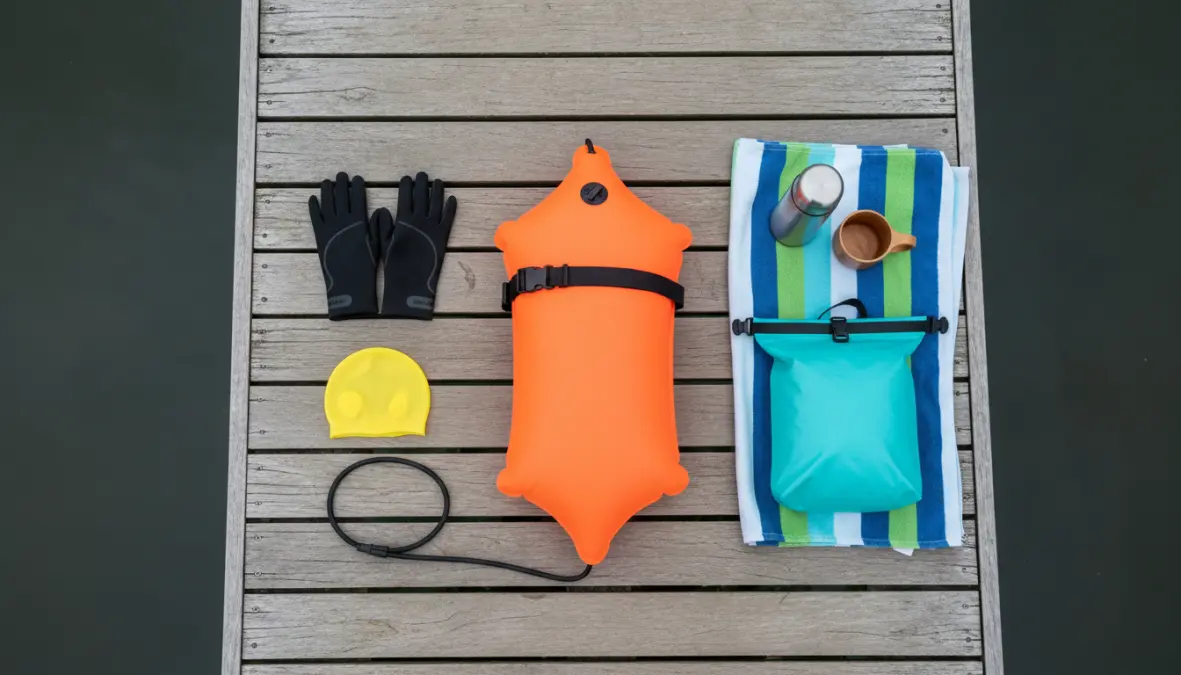
Essential Equipment for Wild Swimming: While purists prefer just a swimsuit, safety sometimes requires more. Consider these wild swimming tips for gear:
- A brightly colored swim cap or tow float for visibility
- Neoprene gloves and booties for extremity protection in very cold water
- A wetsuit for beginners or particularly cold conditions (though this reduces some therapeutic benefits)
- Water shoes for rocky or uneven entries
- Warm, layered clothing for after, including hat and gloves
- A flask of warm (not hot) drink
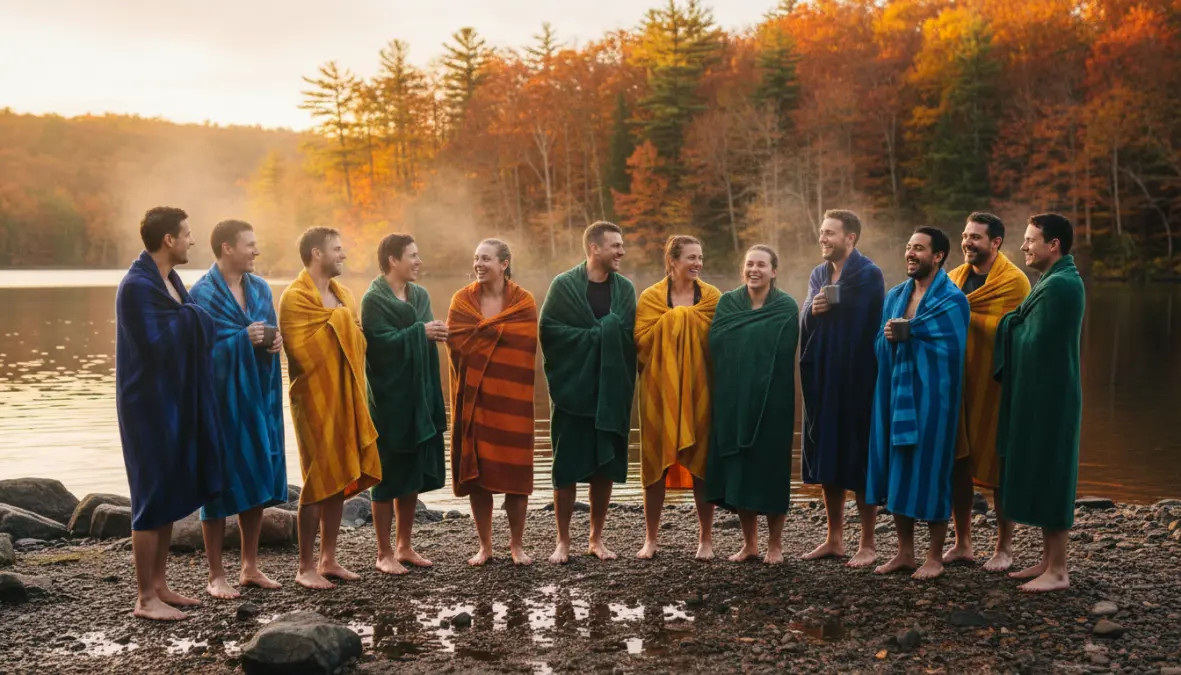
The Golden Rule: Never Swim Alone: This cannot be overstated. Always swim with a buddy or in organized groups. Cold water can affect you unpredictably, and having someone nearby could save your life.
Choose Your Location Wisely: Research your swimming spot. Avoid areas with strong currents, submerged hazards, boat traffic, or poor water quality. Check local regulations and water quality reports. Scout entry and exit points before entering.
Timing and Duration: Don’t stay in until you’re shivering violently. Exit while you still feel in control. A good guideline: if water is 10°C, consider 10 minutes maximum; at 15°C, perhaps 15-20 minutes. Listen to your body above all timers.
Before, During, and After Protocol: Don’t swim on an empty stomach or immediately after large meals. During your swim, focus on controlled breathing—slow, deep breaths counter the shock response. After exiting, dry off and dress immediately, warming gradually. Avoid hot showers initially; let your body rewarm naturally to prevent afterdrop (continued core temperature decrease).
Medical Contraindications: Consult your doctor before starting if you have heart conditions, high blood pressure, respiratory issues, or are pregnant. Cold water therapy isn’t suitable for everyone.
FAQ
How long should I stay in cold water?
For beginners, start with just 1-2 minutes and gradually build up. Even experienced swimmers should limit sessions to 10-15 minutes in water below 10°C. The key is listening to your body and exiting before uncontrollable shivering begins. Quality matters more than duration for cold water therapy benefits.
What temperature is considered cold water swimming?
Water below 15°C (59°F) is generally classified as cold, with water below 10°C (50°F) considered very cold. However, even water around 20°C (68°F) feels cold compared to body temperature and can provide therapeutic benefits. Water temperature perception also depends on air temperature and acclimatization level.
Is wild swimming safe for beginners?
Yes, with proper precautions. Beginners should follow wild swimming safety guidelines: start in warmer months, swim with others, choose calm, shallow waters, enter gradually, stay close to shore, and limit initial exposure to 1-2 minutes. Consider joining a local wild swimming group for guidance and community support.
How often should you do cold water therapy?
For optimal immune system boost and mental health benefits, research suggests 2-3 times per week is effective. However, even once weekly provides benefits. Consistency matters more than frequency—regular practice allows for proper acclimatization and maximizes the physiological adaptations that create lasting health improvements.
The beauty of wild swimming lies in its simplicity and accessibility. You don’t need expensive equipment or gym memberships—just courage, respect for the water, and a willingness to step outside your comfort zone. Whether you’re seeking relief from anxiety, a stronger immune system, or simply a deeper connection with nature, the cold water is waiting. Start slowly, prioritize safety, and you might just discover that the most powerful therapy has been flowing through the landscape all along. Take the plunge—your body and mind will thank you.