The Nuclear Energy Comeback: Why Nations Are Embracing Atomic Power Again
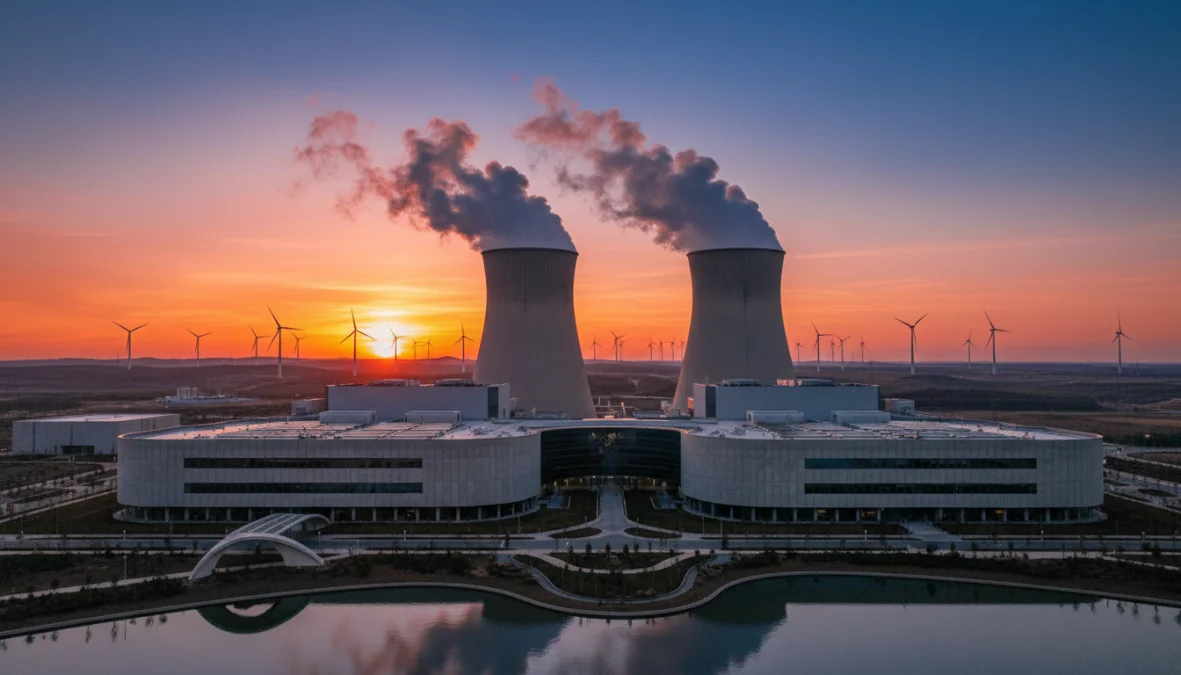
Just when the world seemed ready to shut the door on nuclear power for good, something unexpected happened: governments, energy experts, and even environmental advocates started reconsidering atomic energy. The nuclear energy comeback isn’t just a possibility—it’s already happening. From reopening shuttered plants to building cutting-edge reactors, nations worldwide are betting big on nuclear to solve their energy crisis, meet climate goals, and secure their energy independence. What changed? And why is nuclear suddenly looking like the solution everyone overlooked?
Why Nuclear Power Is Making a Global Comeback
The nuclear power resurgence stems from a perfect storm of energy challenges. As countries scramble to meet ambitious net-zero carbon targets by mid-century, they’re realizing that solar panels and wind turbines alone can’t deliver reliable, round-the-clock electricity. The atomic energy revival addresses this fundamental gap in base load power generation—the constant energy supply needed when the sun isn’t shining and the wind isn’t blowing.
Energy security has become paramount after geopolitical tensions exposed dangerous dependencies on fossil fuel imports. Russia’s gas supply disruptions reminded Europe that energy security isn’t just about climate—it’s about national sovereignty. Nuclear energy policy is now shifting in countries that previously pledged to phase out atomic power entirely.
Belgium postponed its nuclear phase-out, extending reactor lifespans by a decade. Germany, despite closing its last plants, is witnessing growing debate about reversing course. Japan, traumatized by Fukushima, has restarted 12 reactors and approved construction of new ones. Public perception has evolved too—polls in France, the UK, and the US show growing support for nuclear expansion, especially among younger generations concerned about climate change. The question isn’t “is nuclear energy making a comeback” anymore—it’s how fast can we scale it up.
The economics have also improved. While renewable energy costs have plummeted, grid stability challenges and storage limitations make carbon-free electricity from nuclear increasingly attractive. Countries realize that achieving their decarbonization strategy requires diverse clean energy portfolios, not ideological commitments to single technologies.
Technological Innovations Fueling the Nuclear Energy Revival
What truly distinguishes today’s nuclear energy comeback from past atomic ambitions is revolutionary technology. We’re not just building yesterday’s reactors—we’re deploying fundamentally different designs that address historical concerns about safety, cost, and waste.
Small Modular Reactors: The Game-Changer
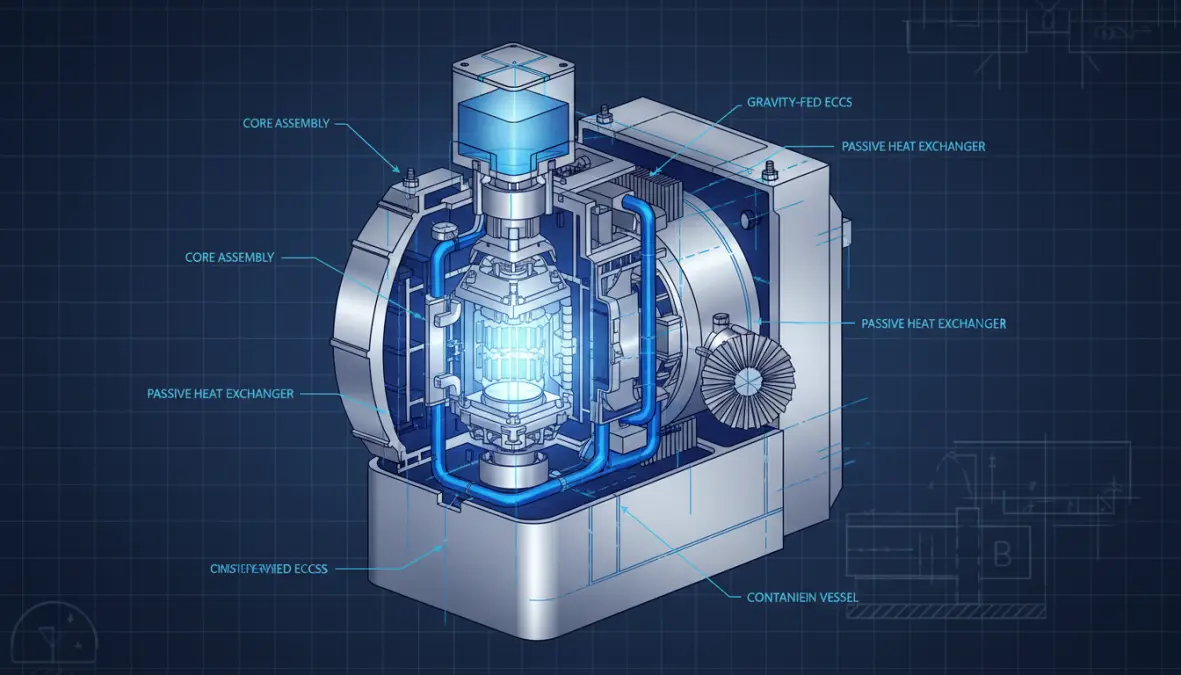
Small modular reactors (SMRs) represent the most exciting development in nuclear reactor construction. Unlike traditional gigawatt-scale facilities, SMRs generate 50-300 megawatts and come factory-built, then transported to sites for assembly. Think of them as the difference between custom-building a mansion on-site versus delivering a prefabricated home.
The advantages of small modular reactors SMR are compelling: construction timelines shrink from 10-15 years to just 3-5 years, upfront capital costs drop dramatically, and enhanced reactor safety systems include passive cooling that works without electricity or human intervention. NuScale Power received the first SMR design certification from the US Nuclear Regulatory Commission and is developing projects in Idaho and Romania. Rolls-Royce is advancing its UK SMR program with government backing, targeting deployment by the early 2030s.
SMRs offer deployment flexibility impossible with conventional plants. Remote communities, industrial facilities, and military bases can host smaller reactors tailored to their needs. Mining operations in Canada and data centers are exploring SMRs as dedicated clean nuclear energy sources, eliminating grid dependency entirely.
Fourth-Generation Reactors and Advanced Nuclear Technologies
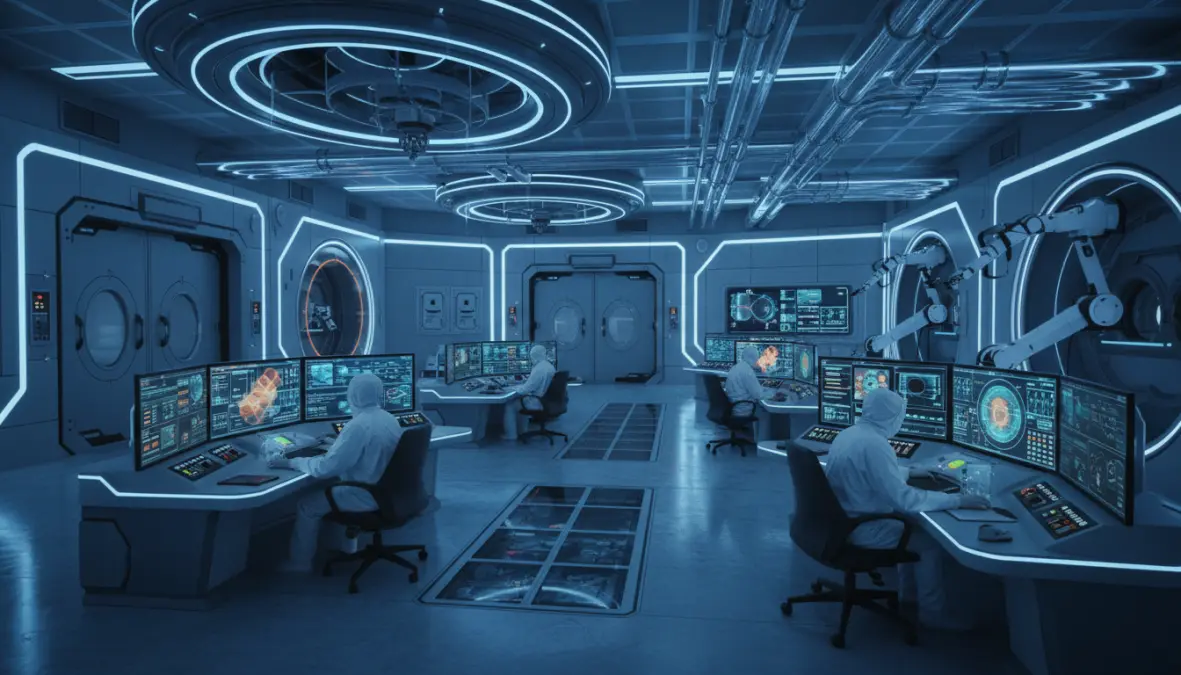
Fourth generation nuclear reactors take innovation further with radically different fuel cycles and coolants. These designs use molten salt, liquid metal, or helium gas instead of water, operating at higher temperatures and atmospheric pressure. The result? Dramatically improved safety profiles—many Gen-IV reactors are physically incapable of meltdowns.
Advanced reactors also tackle radioactive waste management, nuclear’s Achilles heel. Some designs consume existing nuclear waste as fuel, transmuting long-lived isotopes into shorter-lived ones. This could reduce waste storage timeframes from tens of thousands of years to just centuries. TerraPower, backed by Bill Gates, is building a sodium-cooled fast reactor in Wyoming that promises to demonstrate these waste-reducing capabilities.
Looking further ahead, fusion energy—the holy grail that powers the sun—attracted over $5 billion in private investment recently. Companies like Commonwealth Fusion Systems and TAE Technologies are targeting demonstration plants this decade, potentially delivering limitless clean energy with minimal waste and zero meltdown risk.
Nuclear Power Plants Reopening and New Construction Projects
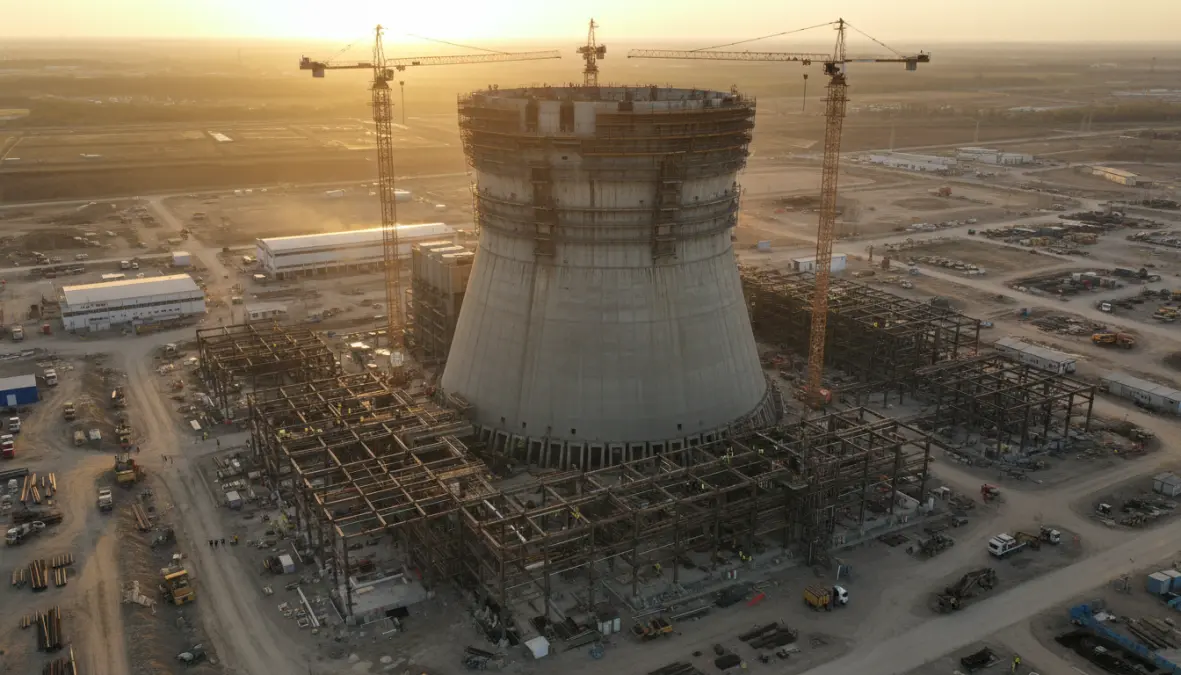
Concrete action accompanies the policy shifts. Nuclear power plants reopening and new nuclear reactor construction projects demonstrate that why countries are investing in nuclear energy again translates into real infrastructure.
In the United States, Constellation Energy announced plans to restart Three Mile Island’s Unit 1 (the undamaged reactor) by 2028, rebranding it as the Crane Clean Energy Center. Michigan’s Palisades plant, closed in 2022, received a $1.5 billion federal loan to restart operations—the first US nuclear plant ever to reopen after decommissioning began. These projects showcase benefits of modern nuclear power plants: existing infrastructure, proven sites, and faster timelines than new construction.
France, which generates 70% of its electricity from nuclear, is building six new EPR reactors as President Macron’s government embraces nuclear energy as climate solution. The UK is advancing Hinkley Point C (under construction) and approved Sizewell C, committing billions to maintain nuclear expertise and manufacturing capacity.
Among countries building new nuclear reactors, China leads with 26 under construction and ambitious plans for 150 new reactors by 2035. India operates 23 reactors with six under construction. Poland, which has no nuclear power, approved its first plant with US and Korean technology partnerships. The Netherlands reversed its anti-nuclear stance, planning new reactors to complement its modest existing capacity.
Challenges remain substantial. Construction delays and cost overruns plague projects like Vogtle in Georgia (completed seven years late) and Flamanville in France (still unfinished after 16 years). The industry desperately needs skilled workers—engineers, welders, operators—as retiring baby boomers take decades of specialized knowledge with them. Grid stability benefits from nuclear’s reliability, but financing gigawatt-scale projects requires government backing few private investors can match.
FAQ: Common Questions About the Nuclear Energy Comeback
Is nuclear energy really clean and sustainable?
Nuclear power produces zero carbon emissions during operation, making it one of the cleanest electricity sources available. While uranium fuel mining and plant construction have environmental impacts, lifecycle emissions remain far lower than fossil fuels—comparable to wind power. Advanced reactors promise to use fuel more efficiently and reduce waste significantly, addressing sustainability concerns.
What has changed to make nuclear power safer?
Modern reactor safety systems incorporate passive designs that don’t require electricity or human intervention to prevent accidents. The safest nuclear reactor technology today uses natural physical processes like gravity and convection for cooling. Lessons from Fukushima drove enhanced flooding protections, backup power systems, and stress testing worldwide. SMRs and Gen-IV designs are engineered to be walk-away safe—operators could literally abandon them without catastrophic consequences.
How do small modular reactors differ from traditional nuclear plants?
SMRs are significantly smaller (50-300 MW versus 1,000+ MW), factory-manufactured instead of site-built, and designed for serial production that reduces costs through standardization. They can be deployed incrementally, matching demand growth, and removed when no longer needed. Their compact size allows installation in locations unsuitable for conventional plants, expanding nuclear’s potential applications dramatically.
Which countries are leading the nuclear power resurgence?
China dominates new construction with the most reactors under development and the fastest build times. France is reasserting its nuclear leadership with new EPR reactors and SMR investments. The United States is restarting shuttered plants and licensing advanced designs. The UK, Japan, Poland, and the Netherlands represent countries reversing previous phase-out policies. Even traditionally anti-nuclear nations like Belgium are extending reactor lifespans.
What are the main challenges facing nuclear energy expansion?
High upfront capital costs and construction risk deter private investment without government support. Public opposition persists in some regions despite improved safety records. Radioactive waste management lacks permanent solutions in most countries, though interim storage works safely. Workforce shortages threaten construction timelines as experienced professionals retire. The nuclear power vs renewable energy debate sometimes creates false choices when both are needed for comprehensive climate solutions.
The nuclear energy comeback represents pragmatism triumphing over ideology. As climate deadlines approach and energy security concerns intensify, nations are rediscovering nuclear’s unique advantages: reliable baseload power, zero emissions, and proven scalability. With revolutionary technologies like SMRs and Gen-IV reactors addressing historical drawbacks, atomic energy isn’t just making a comeback—it’s potentially entering its golden age. The question isn’t whether nuclear belongs in our energy future, but whether we can deploy it fast enough to make a difference.