How Gen Z Is Redefining Career Success and Professional Ambition

The workplace is undergoing a seismic shift, and Generation Z is leading the charge. Forget the corner office and climbing the corporate ladder—today’s youngest professionals are rewriting the rulebook on what it means to succeed. Understanding gen z career priorities isn’t just interesting; it’s essential for anyone looking to attract, retain, or simply understand this generation that’s rapidly reshaping professional culture from the inside out.
What Gen Z Really Wants From Their Careers
When it comes to gen z professional goals, this generation isn’t playing by the old rules. Unlike their predecessors who often prioritized stability and prestige above all else, Gen Z approaches work with a fundamentally different value system. Their gen z work values center around authenticity, impact, and personal well-being in ways that would have seemed radical just a decade ago.
So what does career success mean to gen z? The answer is refreshingly holistic. Here’s what truly matters to them:
- Purpose-driven careers: They want their work to mean something beyond a paycheck. Whether it’s environmental sustainability, social justice, or innovation that improves lives, Gen Z seeks employers whose missions align with their personal values.
- Mental health at work: This generation refuses to sacrifice their well-being for professional advancement. They openly discuss mental health and expect employers to provide genuine support, not just lip service.
- Flexible work arrangements: Rigid 9-to-5 schedules feel outdated to Gen Z. They value autonomy over when and where they work, understanding that productivity doesn’t require a physical office.
- Continuous learning: Professional development opportunities aren’t just perks—they’re necessities. Gen Z knows the job market evolves rapidly and wants employers who invest in their growth.
- Authentic company culture: A strong company culture fit matters immensely. They can spot performative values from a mile away and gravitate toward organizations that genuinely walk the talk.
Research consistently shows that nearly 70% of Gen Z workers would turn down a job that doesn’t align with their values, regardless of salary. This isn’t naivety—it’s a calculated decision about what motivates gen z in the workplace and what makes work sustainable long-term.

The Shifting Definition of Career Success: Millennial vs Gen Z Perspectives
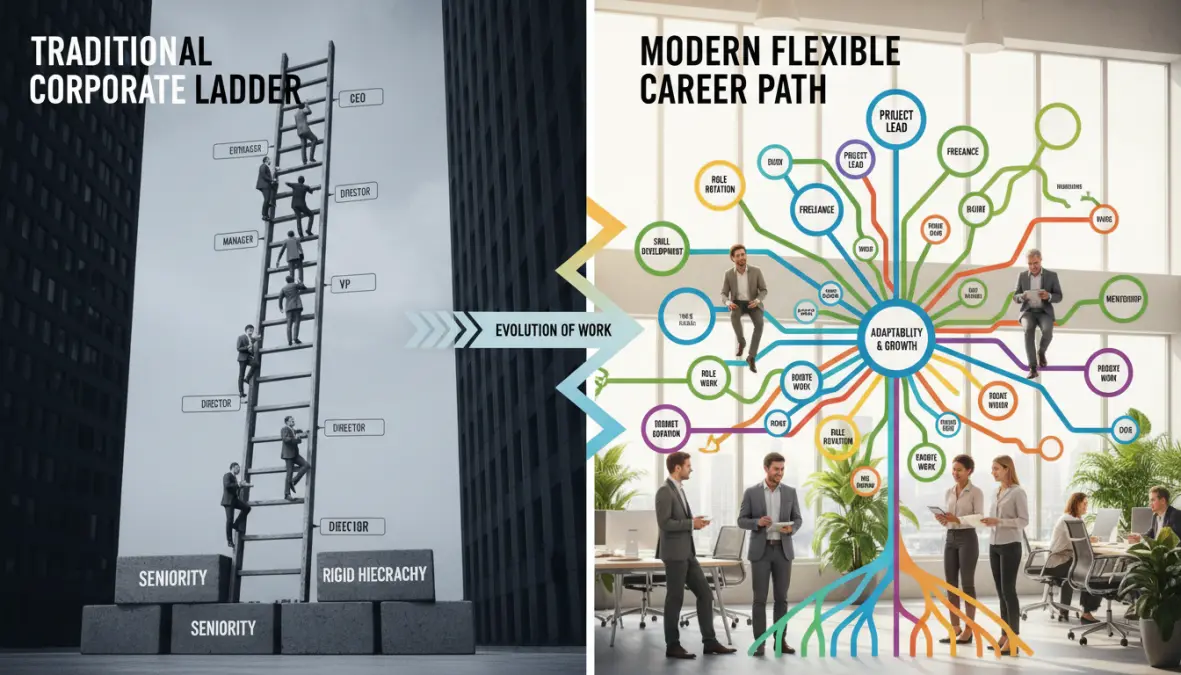
The contrast between millennial vs gen z careers reveals just how much the professional landscape has evolved. Millennials entered the workforce during economic uncertainty, which shaped their focus on stability, competitive salaries, and climbing the traditional ladder. Gen Z, meanwhile, grew up with technology at their fingertips and witnessed their parents’ generation experience burnout, layoffs, and the hollowness of corporate loyalty.
How gen z defines professional ambition looks dramatically different as a result. While Millennials might measure success through promotions and titles, Gen Z focuses on meaningful work that allows for personal growth and gen z work life balance. They’re not anti-ambition—they’re redefining it. Success might mean building multiple income streams through side hustles rather than relying on a single employer. It could mean prioritizing time for hobbies, relationships, and mental health over overtime hours.
Remote work preferences perfectly illustrate this shift. For Gen Z, working remotely isn’t just about convenience—it’s about designing a life where work fits around what matters, not the other way around. They’ve watched Millennials struggle with work-life balance and decided to approach career advancement differently from the start.
Gen z job satisfaction stems from factors Millennials might have considered secondary: Does the work feel meaningful? Can I grow personally, not just professionally? Am I treated as a whole person with needs beyond productivity? Can I afford mental health days without guilt? The gen z approach to career advancement prioritizes these questions alongside traditional metrics like compensation and advancement opportunities.
This generation also embraces an entrepreneurial mindset regardless of their employment status. They’re more likely to view themselves as the CEO of their own career, treating their employer as a client rather than a parent figure. This mindset shift fundamentally changes the employer-employee dynamic.
How Companies Can Meet Gen Z Workplace Expectations
Understanding why gen z prioritizes work life balance and other values is one thing—actually meeting their gen z workplace expectations requires concrete action. Forward-thinking companies are already adapting, and the results speak for themselves in terms of talent attraction and retention.
Investing in gen z career development means creating clear learning pathways. Companies like Deloitte and Adobe have implemented continuous learning platforms, mentorship programs, and skills-based development tracks that allow Gen Z employees to see exactly how they can grow. These aren’t annual training sessions—they’re ongoing opportunities to expand capabilities.
Transparency is non-negotiable. Gen Z expects honest communication about company performance, decision-making processes, and even salary ranges. Organizations that embrace radical transparency, like Buffer with their public salary database, resonate strongly with this generation’s values.
What benefits matter most to gen z employees? Mental health support tops the list. Companies like Salesforce and Microsoft have expanded mental health benefits to include therapy coverage, mental health days, and wellness resources. This isn’t about ping-pong tables—it’s about genuine support for employee well-being.
Creating pathways for career mobility matters too. Gen Z doesn’t expect to stay in one role forever, and smart companies facilitate internal movement. They’d rather retain talent by helping them explore different departments than lose them to external opportunities.
DEI (Diversity, Equity, and Inclusion) initiatives must be authentic and measurable. Gen Z has grown up in the most diverse generation in history, and they expect workplaces to reflect and celebrate that reality. Companies succeeding here share concrete diversity metrics and hold leadership accountable for progress.
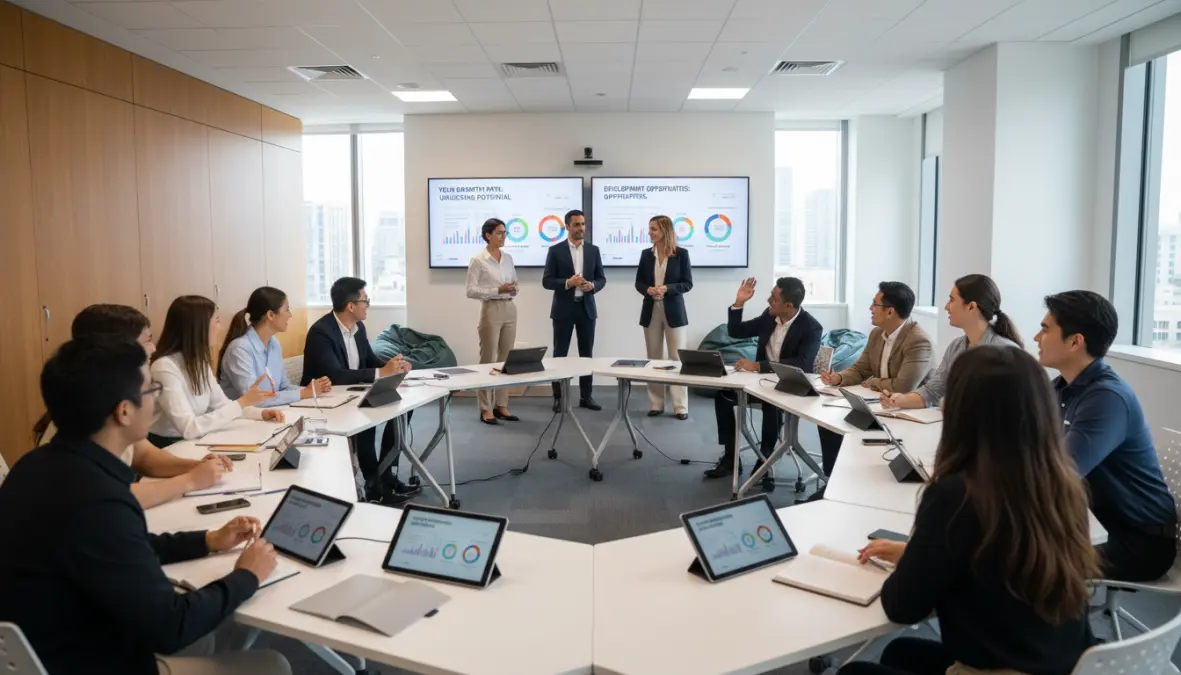
Finally, establishing a strong feedback culture meets how gen z is changing workplace culture. They want regular check-ins, not annual reviews. They value real-time feedback that helps them improve rather than formal evaluations that feel performative. Companies implementing continuous feedback loops see higher engagement and faster skill development.
FAQ
What are Gen Z’s top career priorities?
Gen Z prioritizes purpose-driven work, mental health support, flexible work arrangements, continuous learning opportunities, and authentic company culture. They value work-life integration over traditional career advancement and seek employers whose values align with their own.
How does Gen Z define work-life balance?
Rather than separating work and life into distinct compartments, Gen Z seeks work-life integration where their job supports their overall well-being. This includes flexibility in when and where they work, respect for personal time, and employers who view them as whole people, not just workers.
Why is job satisfaction different for Gen Z?
Gen Z measures job satisfaction through meaningful impact, personal growth, mental health support, and value alignment—not just salary and promotions. They’re willing to prioritize these factors even if it means lower immediate compensation, viewing satisfaction as essential to long-term career sustainability.
What benefits matter most to Gen Z employees?
Mental health support, flexible work arrangements, professional development opportunities, and comprehensive wellness programs top the list. Gen Z also values transparent communication, diversity and inclusion initiatives, and benefits that support their whole lives, like student loan assistance or childcare support.
How often does Gen Z change jobs?
Gen Z tends to change jobs more frequently than previous generations, often every 2-3 years. However, this isn’t about disloyalty—it’s about continuous growth. They’ll stay longer with employers who invest in their development and align with their values.
The way Gen Z is redefining career success isn’t a trend—it’s a fundamental shift in how we think about work. Organizations that understand and adapt to these changing priorities won’t just attract top Gen Z talent; they’ll create healthier, more sustainable workplaces for everyone. The question isn’t whether to evolve with these expectations, but how quickly you can start.