Forest Bathing Benefits: The Science Behind Shinrin-Yoku Therapy
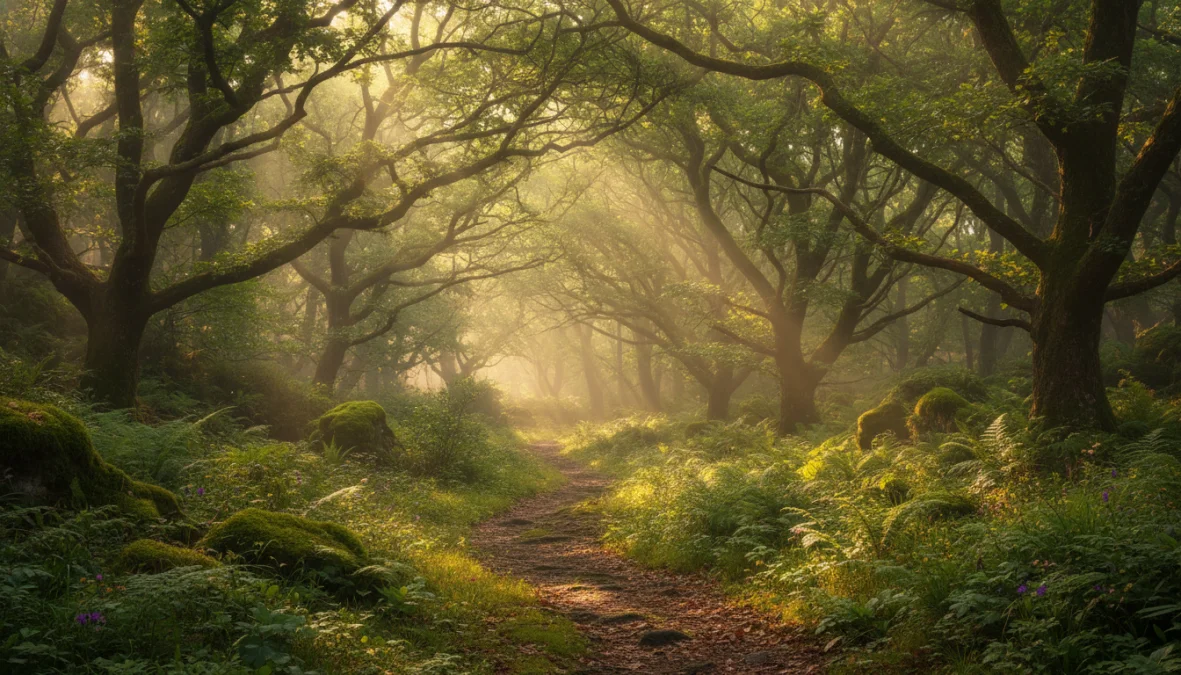
Ever feel like your brain is on constant overdrive, your stress levels are through the roof, and no amount of screen time seems to help? There’s a simple, science-backed remedy that doesn’t require a prescription or a gym membership: walking among trees. The practice of forest bathing benefits both body and mind in ways that researchers are only beginning to fully understand. This ancient Japanese practice, backed by modern science, offers a powerful antidote to our hyperconnected, indoor-centric lifestyles.
What Is Forest Bathing and How Does Shinrin-Yoku Therapy Work?
Shinrin-yoku therapy, which literally translates to “forest bath” in Japanese, was developed in the 1980s as a national health program in Japan. But don’t worry—no swimsuit required. This isn’t about hiking to a destination or getting your heart rate up. Instead, forest bathing benefits come from simply being present in a forest environment, engaging all five senses.
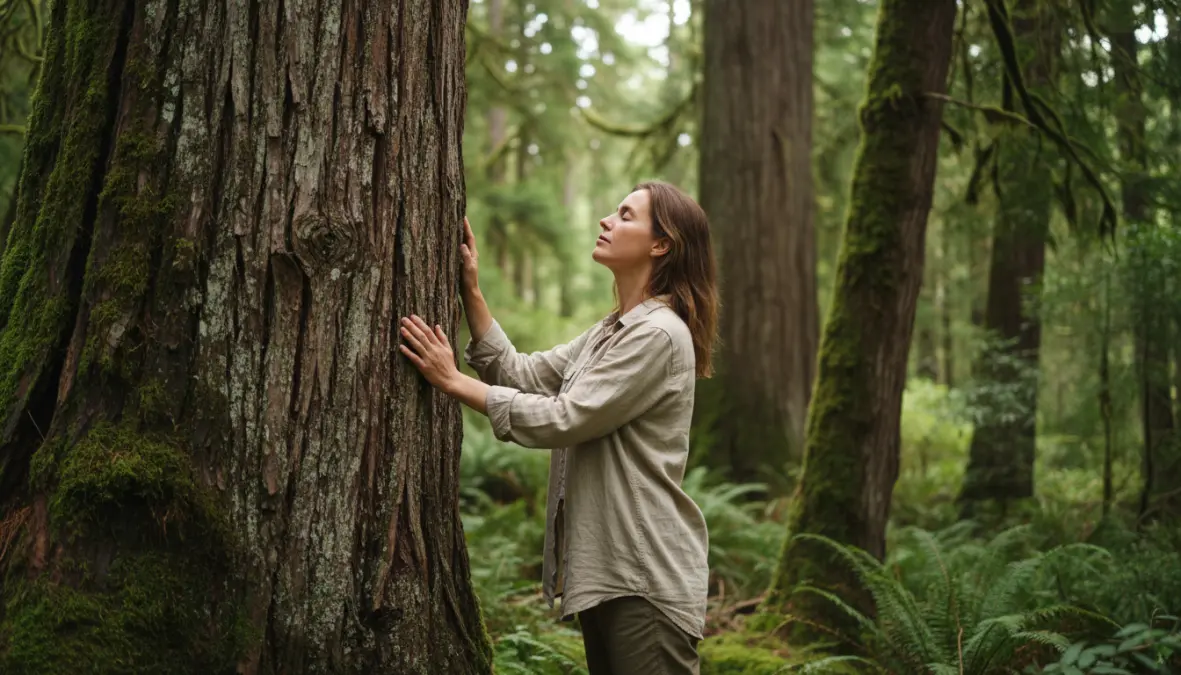
Unlike traditional hiking, which focuses on physical exercise and reaching a specific endpoint, therapeutic forest walking is about slowing down. You might spend two hours covering less than a mile, pausing to touch moss-covered bark, listening to birdsong, breathing in the forest air, and observing patterns of light filtering through leaves. The practice centers on mindful, intentional immersion in nature—no fitness trackers, no rushing, no goals beyond sensory connection. This deliberate slowness allows your nervous system to shift gears, moving from the sympathetic (fight-or-flight) to the parasympathetic (rest-and-digest) state, where healing and restoration occur naturally.
Evidence-Based Forest Bathing Benefits: What Research Reveals
What started as a cultural wellness practice has become the subject of rigorous scientific investigation. Nature therapy research from universities and medical institutions worldwide now provides compelling evidence that forest bathing science isn’t just feel-good folklore—it’s measurable medicine.
Physiological Benefits: Immune System and Stress Reduction
Perhaps the most remarkable forest medicine benefits relate to immune function. Japanese researchers discovered that exposure to forest environments significantly increases the activity and number of natural killer cells (NK cells)—the white blood cells that fight tumors and infections. One study found that a three-day forest bathing trip increased NK cell activity by 50%, and this effect lasted for more than 30 days. The secret? Phytoncides—airborne chemicals that trees release to protect themselves from insects and decay. When we breathe them in, our immune systems get a powerful boost.
The scientific evidence for forest bathing extends to stress reduction as well. Multiple studies demonstrate significant cortisol reduction after just 15-20 minutes in a forest setting. Research comparing urban walks to forest walks found that forest environments lowered stress hormone levels by 12.4% and reduced heart rate and blood pressure more effectively than city environments. The physiological effects of forest bathing include improved heart rate variability—a key indicator of cardiovascular health and stress resilience—and activation of the parasympathetic nervous system, which governs rest and recovery functions.
Mental Health and Cognitive Benefits
The health benefits of shinrin-yoku practice aren’t limited to physical markers. Evidence-based benefits of forest therapy include significant improvements in mental health conditions. Studies show reduced symptoms of anxiety and depression, with participants reporting improved mood states that last days after a single session.
Research on how forest bathing improves mental health reveals benefits for attention and focus, particularly relevant for our distraction-prone modern lives. One study found that children with ADHD showed improved concentration after forest walks compared to urban or suburban settings. For adults experiencing burnout, forest therapy benefits include restoration of mental energy and cognitive function—what researchers call “attention restoration theory” in action.
The practice of mindfulness in nature naturally reduces rumination (repetitive negative thinking) and enhances creative problem-solving. After forest bathing sessions, participants consistently perform better on creative tasks, demonstrating the cognitive refreshment that comes from unplugging and immersing in natural settings. This aligns with broader ecotherapy research showing that nature exposure is a powerful intervention for psychological wellbeing, informing everything from therapy practices to biophilic design principles in architecture.

How to Practice Forest Bathing for Maximum Therapeutic Benefits
Ready to experience forest bathing benefits yourself? Here’s how to practice shinrin-yoku therapy effectively. First, duration matters: while even 20 minutes can lower cortisol, research suggests that two hours is optimal for maximizing forest therapy benefits. Frequency counts too—weekly sessions provide consistent benefits, but even monthly forest bathing produces measurable improvements.
The technique is beautifully simple: find a forest or heavily wooded area, turn off your phone (or put it on airplane mode), and walk slowly without a destination. Engage your senses deliberately—touch different textures, notice scents, listen to sounds, observe colors and patterns. Stop frequently. Sit when you feel called to. The goal isn’t distance or exercise; it’s presence.
For therapeutic forest walking, choose environments with mature trees and diverse vegetation when possible, as these produce more phytoncides. However, any wooded area—even urban parks with tree cover—provides benefits. Some people prefer guided forest bathing sessions led by certified practitioners, especially when starting out. These guides facilitate sensory exercises and help you slow down enough to truly experience the practice. Once familiar with the approach, self-guided sessions work beautifully.
To incorporate forest bathing into your routine: schedule it like any important appointment, start with shorter sessions if two hours feels daunting, and consider pairing it with other nature-based practices like wild swimming for complementary benefits. Morning sessions can set a calm tone for your day, while afternoon forest bathing provides a powerful reset during stressful periods.
FAQ: Forest Bathing and Shinrin-Yoku Therapy
How long should a forest bathing session last?
While research shows benefits from sessions as short as 20 minutes, the optimal duration for experiencing full forest bathing benefits is two to four hours. This allows your nervous system to fully shift into parasympathetic mode. If you’re new to the practice, start with 30-45 minutes and gradually extend as you become comfortable with the slower pace.
Can you do forest bathing in any forest?
Yes! While old-growth forests with diverse tree species produce the highest concentrations of beneficial phytoncides, any wooded environment provides measurable benefits. Urban parks with tree cover, botanical gardens, and even small woodland areas work well. The key is finding a place where you feel safe, comfortable, and relatively free from urban noise and distractions.
Is forest bathing the same as hiking?
No. Hiking focuses on physical exercise, covering distance, and reaching destinations. Forest bathing is about sensory immersion and presence—you might cover less than a mile in two hours. There’s no elevation gain to achieve or summit to reach. Think of it as the difference between a brisk shower and a long, relaxing bath. Both involve water, but the intention and experience are completely different.
What is the best time of day for forest bathing?
Any time works, but morning offers the advantage of higher phytoncide concentrations as trees “wake up” and metabolize. Early morning also tends to be quieter with fewer visitors. That said, the best time is whenever you can go consistently. Some people find sunset forest bathing particularly meditative, while midday sessions provide a restorative break during busy days.
The forest bathing stress reduction research and evidence on forest bathing immune system boost effects make a compelling case: trees offer medicine we desperately need. In our nature-deficit culture, reconnecting with forests isn’t just pleasant—it’s essential preventive healthcare. So this week, find your nearest wooded area, leave your phone behind, and let the forest work its scientifically proven magic on your body and mind.