Body Neutrality: A Practical Alternative to Body Positivity
Ever scrolled through social media and felt exhausted by the constant pressure to “love your body”? You’re not alone. While body positivity has helped many people challenge unrealistic beauty standards, it can also feel like yet another impossible goal to achieve. Enter body neutrality—a refreshing approach that says you don’t have to love or hate your body. You just need to respect what it does for you. This shift from appearance-focused thinking to functional appreciation is changing how we approach body image and self-acceptance.
Understanding Body Neutrality: A New Approach to Self-Acceptance
So, what exactly is body neutrality? At its core, it’s a philosophy that encourages us to view our bodies as instruments rather than ornaments. Instead of obsessing over how we look or forcing ourselves to feel beautiful every day, body neutrality asks us to appreciate what our bodies can do—walk, breathe, create, heal, experience life.
The difference between body positivity and body neutrality is subtle but significant. Body positivity emerged as a radical movement challenging diet culture and weight stigma, encouraging people to love their bodies regardless of size or appearance. While powerful, this approach can feel overwhelming for those struggling with chronic illness, disability, or deep-seated body image issues. How can you love a body that causes you pain or doesn’t fit societal ideals?
Here’s how the two approaches differ:
- Body Positivity: Focuses on loving and celebrating your body’s appearance; challenges beauty standards; emphasizes “all bodies are beautiful”
- Body Neutrality: Shifts focus away from appearance entirely; appreciates body function over form; accepts that you don’t need to feel positively about your body every day
- Body Positivity: Can feel performative or pressuring for some individuals
- Body Neutrality: Offers a middle ground—reducing the mental energy spent thinking about appearance
The body neutrality movement gained traction as people realized that constantly trying to love their bodies was another form of body obsession. Sometimes, the most liberating thing is simply not thinking about your body at all. This approach aligns beautifully with practices like somatic therapy, which helps us reconnect with our bodies in healing, non-judgmental ways.
The Core Principles of Body Neutrality and Functional Acceptance
The body neutrality movement rests on several foundational principles that make it accessible and practical. Understanding these can help you see why body neutrality is better than body positivity for many people.
Functional acceptance is the cornerstone concept. This means appreciating your body for what it does rather than how it looks. Your legs carry you through your day. Your hands let you hug loved ones, create art, or type messages. Your lungs breathe without you even thinking about it. This shift from aesthetic to functional thinking is transformative.
Another key principle is body autonomy—recognizing that your body is yours to care for without external judgment or pressure. This connects directly with intuitive eating, which encourages listening to your body’s hunger and fullness cues rather than following restrictive diets. Both practices honor internal wisdom over external rules.
Here’s how to practice body neutrality through core principles:
- Separate your identity from your appearance: You are not your body. Your worth isn’t determined by your size, shape, or how closely you match beauty standards.
- Accept fluctuating feelings: Some days you might feel great about your body; other days you won’t. Both are okay—you don’t need constant positivity.
- Practice functional gratitude: Thank your body for healing a cut, digesting food, or allowing you to dance at a concert.
- Reduce appearance-focused thinking: Notice when you’re obsessing about looks and gently redirect your attention to other things that matter.
In daily life, this might look like choosing comfortable clothes that let you move freely instead of outfits that “make you look thin.” It could mean deciding to go for a walk because it clears your mind, not because you need to burn calories. These small shifts support both body respect and the broader anti-diet movement and health at every size philosophies.
How Body Neutrality Supports Mental Health and Well-being
The body neutrality benefits for mental health are substantial and backed by growing research. By moving beyond body positivity, many people experience significant relief from appearance-related anxiety and depression.
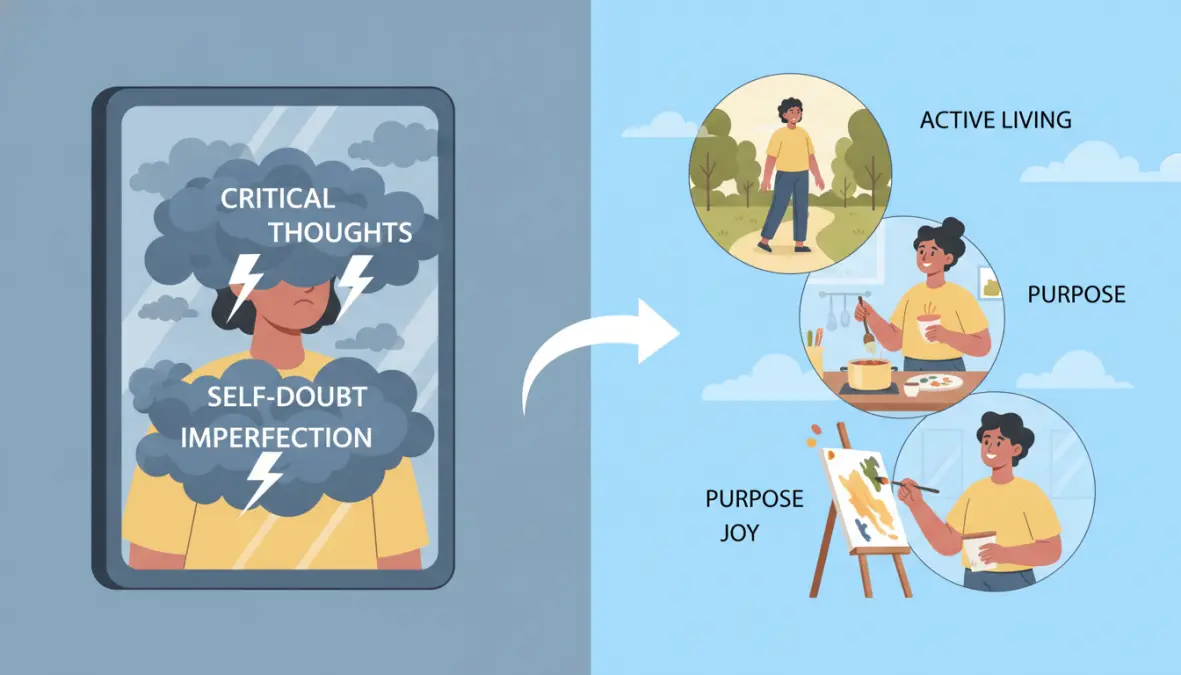
Studies show that constant body monitoring and appearance focus correlate with increased anxiety, disordered eating, and depression. When we practice body neutrality, we literally free up mental space previously consumed by appearance worries. This cognitive liberation allows us to focus on relationships, passions, and personal growth.
Self-compassion naturally increases with body neutrality. Instead of harsh self-criticism when you don’t “love” your body enough, you simply acknowledge it as the vessel carrying you through life. This gentle acceptance reduces the shame spiral that often accompanies negative body image.
For individuals with chronic illness, disabilities, or bodies that cause pain, functional acceptance offers a more accessible path than forced positivity. You can appreciate your body’s efforts to heal or function while acknowledging its limitations—no toxic positivity required. Just as breaking unhealthy mental habits improves well-being, shifting away from appearance obsession creates space for genuine self-acceptance.

Practicing Body Neutrality: From Concept to Daily Reality
Understanding body neutrality is one thing; actually integrating body neutrality exercises and practices into daily life is another. Here are concrete strategies to help you develop a body neutral mindset.
Modify your internal dialogue: When you catch yourself thinking “I hate how I look,” pause and reframe: “My body allows me to do things I value.” This isn’t forced positivity—it’s redirection from appearance to function. Over time, this reduces the power appearance-thoughts have over your mental state.
Curate your social media: Unfollow accounts that trigger appearance comparison. Instead, follow people who focus on body liberation, functionality, and diverse representations of humanity. Your digital environment profoundly impacts your body image, so take control of it deliberately.
Practice functional gratitude through mindfulness: Each morning, take sixty seconds to acknowledge what your body does. “Thank you, body, for healing that bruise. For digesting yesterday’s dinner. For letting me sleep.” This mindfulness practice reinforces appreciation without requiring you to love your appearance.
Engage in movement you enjoy: Exercise shouldn’t be punishment. Whether it’s dancing, swimming, walking, or stretching, choose activities that feel good rather than those designed to change your body. This supports intuitive eating principles and honors body autonomy.
Signs you’re progressing include: spending less time checking your appearance, feeling less anxious about eating, choosing comfort over aesthetics more often, and experiencing longer periods without thinking about your body at all.
If you find yourself struggling with intense body hatred, disordered eating, or trauma related to your body, seeking professional support through therapy can be invaluable. Optimizing your overall health should include mental wellness, and sometimes that means getting help.
FAQ: Common Questions About Body Neutrality
Is body neutrality better than body positivity?
Neither is inherently “better”—they serve different needs. Body neutrality works well for people who find constant positivity exhausting or inaccessible. It offers a middle path that reduces appearance focus altogether rather than replacing negative thoughts with positive ones.
Can I practice both body positivity and body neutrality?
Absolutely! Many people blend both approaches. You might feel positively about your body some days and neutral others. The key is permission to feel however you feel without judgment, which both movements ultimately support.
Is body neutrality giving up on self-love?
Not at all. Body neutrality is actually a form of profound self-acceptance. It’s recognizing that your worth isn’t tied to your appearance or your feelings about your body. You can love yourself deeply while feeling neutral about your physical form.
How long does it take to adopt a body neutral mindset?
There’s no fixed timeline. After years of diet culture messaging, rewiring your thinking takes time and patience. Most people notice shifts within months of consistent practice, but it’s an ongoing journey rather than a destination.
Does body neutrality mean ignoring health?
No. Body neutrality supports caring for your health without obsessing over appearance. It aligns with health at every size principles—focusing on behaviors that support wellbeing (movement, nourishment, rest, stress management) rather than pursuing a particular body size or shape.
Embracing body neutrality isn’t about giving up or settling—it’s about liberation. It’s permission to stop waging war with your body and start living in it, appreciating what it allows you to experience in this world. Whether you’re struggling with body positivity fatigue or simply seeking a more peaceful relationship with your physical self, this approach offers a gentle, sustainable path forward. Your body is doing its best to support you every single day. Maybe that deserves not love, not hate, but respectful neutrality—and the freedom to focus your energy on what truly matters.