Fashion Resale Guide: How to Buy and Sell Pre-Loved Clothing Like a Pro
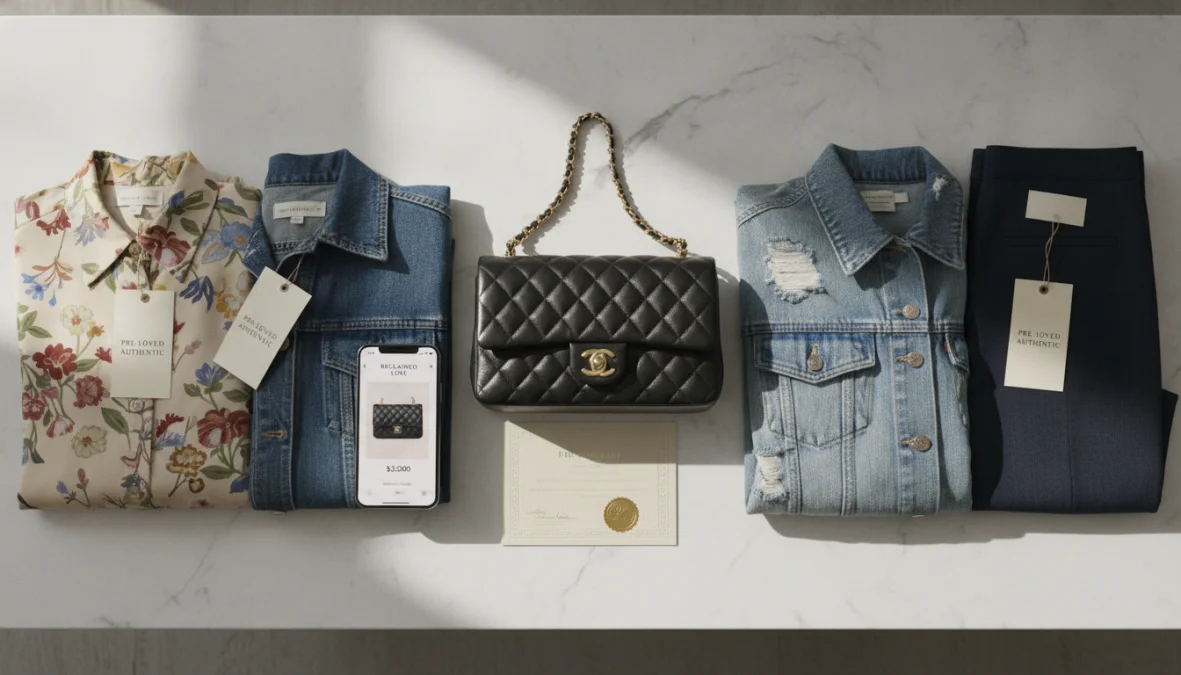
Your closet is overflowing, yet you’ve got nothing to wear. Sound familiar? Welcome to the paradox of modern fashion—and the reason why the fashion resale guide you’re reading right now might just change how you shop forever. The secondhand clothing market has exploded from dusty thrift stores to sleek digital platforms where luxury handbags change hands for thousands and vintage tees become investment pieces. Whether you’re looking to score pre-loved designer items at a fraction of retail or turn your own closet into cash, understanding the resale game is no longer optional—it’s essential.
Understanding the Fashion Resale Market: Why Pre-Loved Clothing is Booming
The secondhand clothing market is projected to double the growth of fast fashion in the coming years, driven by Gen Z’s embrace of thrifting culture and millennials’ appetite for accessible luxury. This isn’t just about saving money—it’s about participating in a circular fashion economy that keeps garments in rotation instead of landfills.
The sustainable fashion marketplace encompasses several distinct categories. Traditional consignment shops curate items and handle sales on your behalf, taking a commission. Luxury consignment guide platforms specialize in authenticated high-end pieces with rigorous quality standards. Vintage clothing resale focuses on items typically 20+ years old, often with unique historical value. Then there’s peer-to-peer selling, where individuals list directly to buyers. Understanding these distinctions helps you navigate where to buy and sell effectively.
The environmental impact is significant: extending a garment’s life by just nine months reduces its carbon, water, and waste footprints by 20-30%. Combine that with the economic appeal—designer pieces at 50-80% off retail—and you’ve got a market that’s reshaping how we think about fashion consumption. Much like how building a sustainable wardrobe prioritizes quality over quantity, the resale market rewards timeless pieces that retain value across seasons.
How to Buy Pre-Loved Fashion: Platforms, Strategies, and What to Look For
Knowing where to buy authenticated luxury resale items starts with understanding which resale fashion platforms align with your shopping style and budget. The landscape is vast, but each platform serves specific niches within thrift shopping online.
Top Resale Fashion Platforms by Category
For luxury items, platforms like Vestiaire Collective, The RealReal, and Fashionphile offer authenticated pre-owned luxury with professional verification services. These sites specialize in designer handbags, shoes, and accessories, providing detailed condition reports and authenticity guarantees. Expect higher prices but also higher quality control.
Peer-to-peer fashion marketplace options like Poshmark, Vinted, and Depop put you directly in contact with individual sellers. These platforms offer incredible variety and better deals, but require more due diligence on your part. They’re perfect for contemporary brands, fast fashion resale, and discovering unique vintage finds.
For vintage clothing resale specifically, Etsy’s vintage section and specialized platforms like Beyond Retro connect you with curated sellers who understand era-specific details. If you’re hunting for that perfect ’90s slip dress or ’70s leather jacket, these niche platforms deliver.
When shopping across platforms, develop a strategy: set alerts for specific brands or items, compare prices across multiple sites, and don’t be afraid to negotiate on peer-to-peer platforms. The best platforms for buying secondhand fashion are the ones where you can consistently find your size, style, and price point.
Authentication and Quality Checks: Protecting Your Purchase
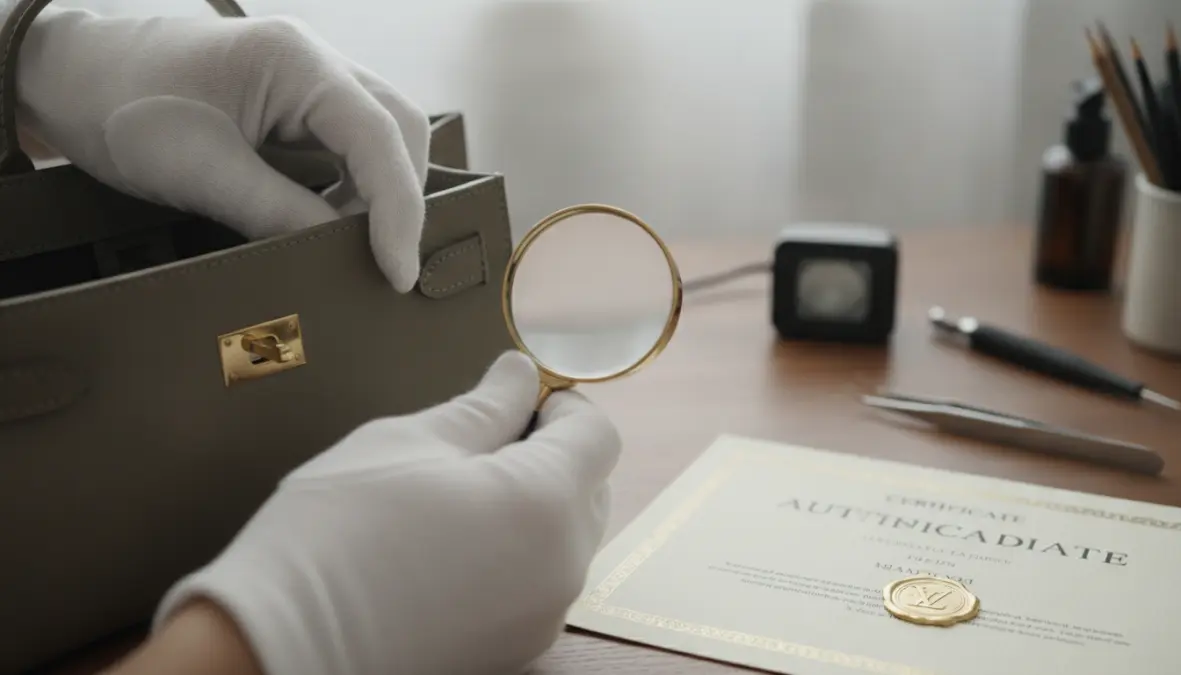
Knowing how to authenticate secondhand designer bags and clothing protects you from costly mistakes. High-end platforms employ professional authenticators who examine stitching, hardware, logos, serial numbers, and materials. But when shopping peer-to-peer, you’re on your own.
Start with the basics: request additional photos of tags, logos, hardware details, and any serial numbers. Compare these against authenticated examples online. Look for consistent stitching quality, proper spacing on logos, and high-quality materials. Red flags include sellers with no reviews, prices that seem impossibly low, stock photos instead of actual item photos, and vague or evasive responses to questions.
Many platforms now offer clothing authentication services as add-ons, where third-party experts verify items before they ship to you. For expensive purchases, this $10-50 fee is worth every penny. Additionally, research the specific brand’s authentication markers—luxury houses often have unique identifiers that counterfeiters miss.
Condition matters almost as much as authenticity. Learn the grading system: “new with tags,” “like new,” “gently used,” “good,” and “fair” all mean different things. Examine photos for pilling, stains, fading, stretched elastic, or damaged zippers. A discounted Chanel bag loses its appeal if it needs $200 in repairs.
How to Sell Your Pre-Loved Clothing: Maximizing Profit and Reaching the Right Buyers
Ready to turn your closet into capital? This fashion resale guide wouldn’t be complete without strategies to maximize profit selling used clothes online. Success starts with curation: not everything deserves resale effort.
Evaluate each item honestly. Designer pieces, even from diffusion lines, typically sell well on luxury consignment guide platforms. Contemporary brands like Madewell, Everlane, or & Other Stories do better on peer-to-peer sites. Fast fashion older than one season rarely sells unless it’s a viral piece. When in doubt, check completed listings on your target platform to see what actually moves.
Pricing strategy separates successful sellers from closet clutter. Research completed sales of identical or similar items to establish market value. For tips for pricing pre-loved clothing, consider: original retail price (aim for 30-60% for recent seasons, less for older), condition (deduct 10-20% for each condition grade drop), brand desirability (cult brands command premium pricing), and resale value retention (classic styles outperform trendy pieces).
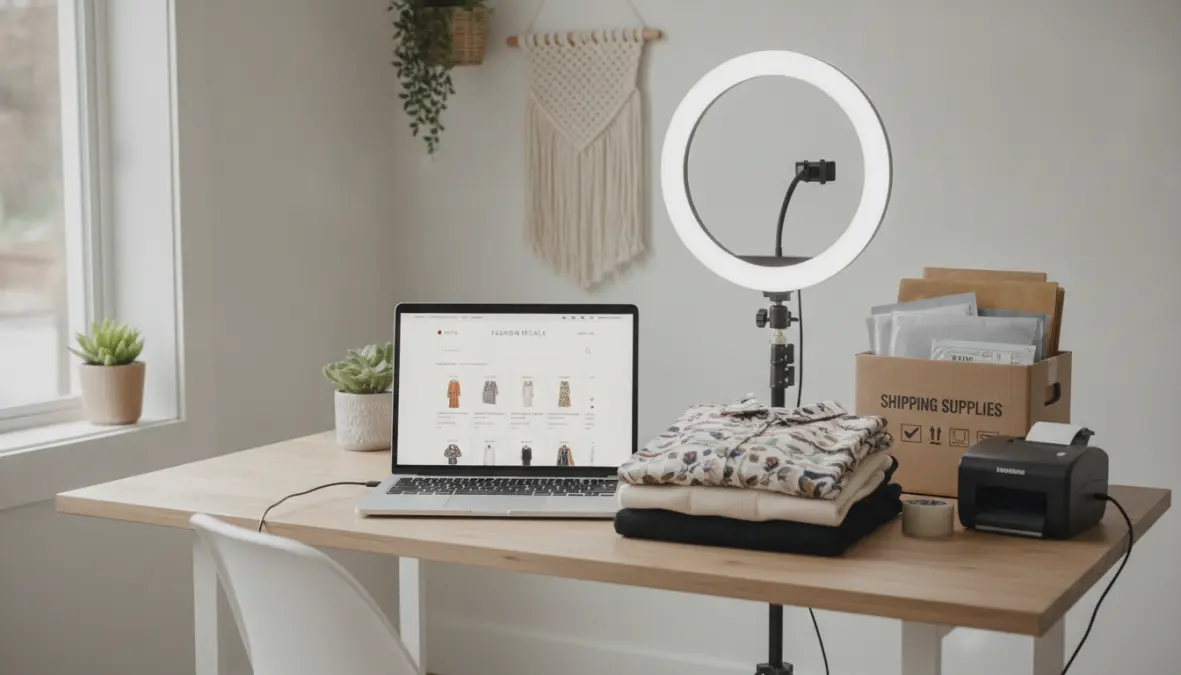
Photography makes or breaks online sales. Use natural lighting, a neutral background, and multiple angles including close-ups of any flaws, tags, and styling details. Model the item if possible—flat lays work for some pieces, but seeing how garments drape on a body increases conversion. Write detailed, honest descriptions including measurements, fabric content, styling suggestions, and condition notes. Keywords matter: use brand names, style descriptors, and size information.
Platform selection impacts your bottom line. Peer-to-peer sites like Poshmark and Vinted offer higher profit margins (you set prices and keep most proceeds minus small fees) but require active management—sharing listings, negotiating offers, and handling shipping. Traditional consignment, whether online or local shops, takes 30-50% commission but handles everything after drop-off. For true luxury items worth over $500, specialized platforms justify their higher commissions through authentication services and affluent buyer audiences.
Timing matters in resale. List winter coats in October, swimwear in April. Sunday evenings see peak shopping activity on many platforms. Building a sustainable wardrobe through thoughtful buying and selling creates an ongoing cycle—much like embracing innovative sustainable materials in new purchases.
FAQ: Common Questions About Fashion Resale
Is buying secondhand clothing hygienic?
Absolutely, with proper care. Most resale items have been cleaned, and you should always wash or dry-clean purchases before wearing—just as you would with new clothing from fitting rooms. Reputable platforms have quality standards requiring clean, odor-free items.
How much can I expect to get for my designer items?
Expect 30-60% of original retail for recent-season items in excellent condition, less for older pieces or those with wear. Classic styles from heritage brands (Hermès, Chanel, Rolex) often retain 60-80% of value, sometimes appreciating if rare.
What sells best in the resale market?
Designer handbags, especially classic styles like Chanel flap bags or Hermès Birkins, consistently perform well. Premium denim, designer shoes in common sizes, and contemporary brands with cult followings also move quickly. Trend-driven fast fashion typically doesn’t justify resale effort.
How do I know if a platform is trustworthy?
Look for established platforms with buyer/seller protection policies, authentication services for luxury items, clear fee structures, and responsive customer service. Check reviews on independent sites, not just testimonials on the platform itself. Beware of platforms with numerous complaints about withheld payments or unresolved disputes.
Are vintage and secondhand the same thing?
Not quite. All vintage is secondhand, but not all secondhand is vintage. “Vintage” typically refers to items 20+ years old with style significance from their era. “Secondhand” encompasses any previously owned clothing regardless of age, from last season’s Zara to 1950s couture.
Do resale items hold their value?
Some do, some don’t. Investment pieces from heritage luxury brands, limited editions, and classic styles tend to retain value best. Trendy items depreciate quickly once the trend passes. The circular fashion economy rewards timeless design over fleeting fads—much like how sustainable practices in other areas of life reward long-term thinking over quick fixes.
The resale revolution isn’t slowing down—it’s redefining how we value clothing, challenge overconsumption, and participate in a more sustainable fashion ecosystem. Whether you’re hunting for that perfect vintage Levi’s jacket or clearing out designer pieces that no longer serve you, approaching resale strategically transforms it from casual browsing to genuine value creation. Start small, learn the platforms, build your reputation, and watch your relationship with fashion—and your wallet—transform entirely.