Floating Solar Farms: How Photovoltaic Panels on Water Reservoirs Work
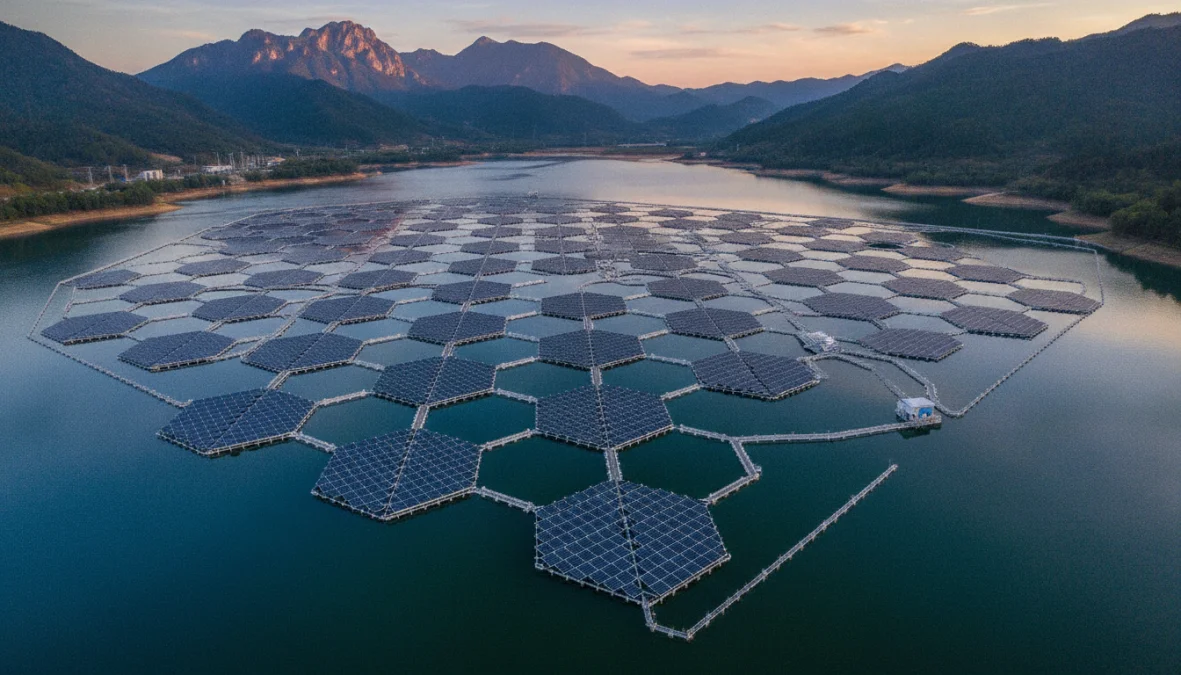
Imagine vast expanses of shimmering solar panels floating gracefully on water surfaces, harnessing the sun’s energy while preserving precious land resources. Floating solar farms are revolutionizing renewable energy production by transforming reservoirs, lakes, and other water bodies into dual-purpose infrastructure that generates clean electricity while offering unexpected environmental benefits. This innovative approach is gaining momentum worldwide, with installations popping up from China to California, proving that the future of solar energy might just be floating on water.
What Are Floating Solar Farms and How Do They Work
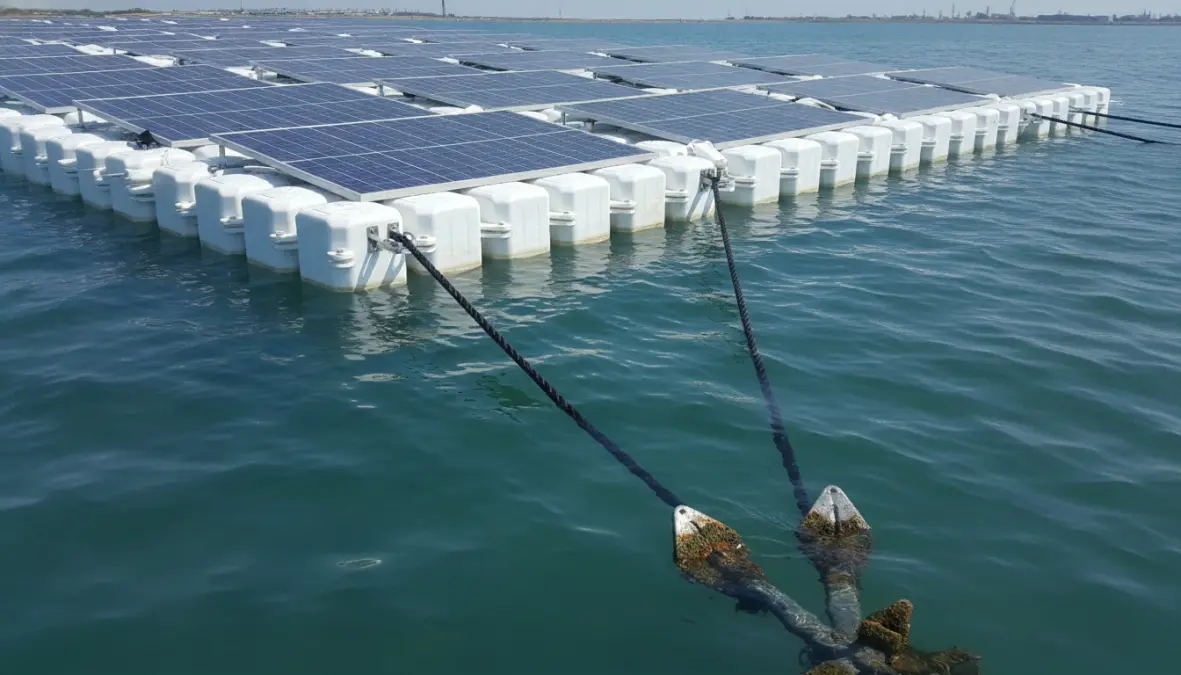
Floating solar farms, also known as floating photovoltaic systems, are solar power installations mounted on structures that float on water bodies rather than being anchored to land. These innovative systems consist of solar panels attached to buoyant platforms made from high-density polyethylene or similar materials that can withstand various water conditions.
The technology behind floating PV technology involves several key components. The floating solar panels sit on specially designed pontoons that keep them stable and at the optimal angle for capturing sunlight. These platforms are connected through a sophisticated network of walkways that allow maintenance crews to access the installation. Anchoring systems secure the entire array to the reservoir floor or shoreline, preventing drift while allowing for natural water level fluctuations.
Understanding how do floating solar panels work on water requires looking beneath the surface. Underwater cables connect the panels to shoreline inverters, which convert the DC electricity generated by the panels into AC power for grid distribution. The inverter technology used in these systems is specially designed to withstand humid environments and is often housed in weatherproof enclosures.
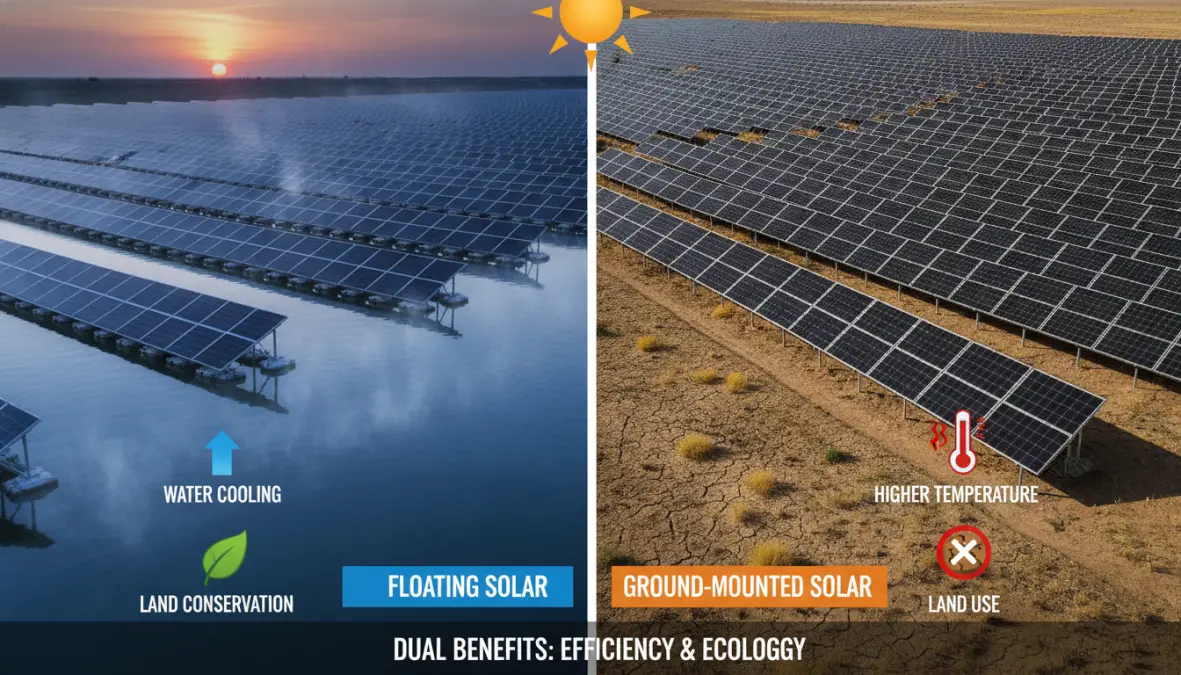
Unlike traditional land-based installations, floating arrays benefit from the natural water cooling effect, which keeps panel temperatures lower and maintains higher efficiency levels. These systems are typically installed on various water bodies including hydroelectric reservoirs, irrigation canals, wastewater treatment ponds, and artificial lakes. Some of the largest floating solar farms in the world can be found in China, with the Huainan facility spanning 800,000 square meters on a former coal mining subsidence area.
Key Benefits of Installing Solar Arrays on Water Reservoirs
The advantages of water reservoir solar energy extend far beyond simple electricity generation. One of the most significant benefits of floating solar farms on water reservoirs is their superior energy efficiency. Studies show that floating solar arrays can produce 10-15% more electricity than comparable ground-mounted systems due to the cooling effect of water, which prevents the panels from overheating and losing efficiency.
Land conservation represents another crucial advantage. By utilizing existing water infrastructure, aquatic solar installations eliminate the need to clear vegetation or compete with agriculture for valuable land resources. This makes them particularly attractive in densely populated regions where land comes at a premium. The concept of dual-use infrastructure maximizes the utility of water bodies that were previously serving only a single purpose.
Perhaps surprisingly, reservoir solar power installations provide substantial water conservation benefits. The panels create shade that reduces evaporation reduction by up to 70%, preserving millions of gallons of water annually in large installations. This benefit proves especially valuable in regions facing water scarcity challenges, as explored in more detail in our article on global water scarcity and critical shortages.
The water surface coverage also inhibits algae growth by blocking sunlight, improving water quality and reducing treatment costs for drinking water reservoirs. Additionally, floating installations typically require less maintenance than ground-based systems since they avoid issues like dust accumulation and vegetation encroachment.
Environmental and Economic Advantages
When examining the environmental impact of floating photovoltaic systems, the picture is largely positive. These installations help integrate renewable energy integration without disrupting terrestrial ecosystems or wildlife habitats. When paired with existing hydroelectric reservoirs, they create synergistic power generation systems that share transmission infrastructure, reducing overall costs and environmental footprint.
Economically, while floating solar farm installation costs run approximately 10-25% higher than land-based alternatives initially, the long-term return on investment often proves favorable due to higher energy yields and lower land acquisition expenses. Many governments offer incentives specifically for innovative renewable energy projects, further improving economic viability. The comparison of floating solar farms vs land-based solar panels increasingly favors floating systems in appropriate locations.
Challenges and Future Developments in Floating PV Technology
Despite their promise, floating photovoltaic systems face several technical challenges. Corrosion from constant water exposure remains a primary concern, requiring specialized materials and coatings that increase costs. The humid environment can accelerate wear on electrical components, potentially reducing system lifespan if not properly managed. Wave action, wind loads, and extreme weather events place additional stress on floating structures, demanding robust engineering solutions.
Maintenance in aquatic environments presents unique difficulties. Technicians need boats or specialized access equipment, and repairs become more complex when components are surrounded by water. Cold climates introduce ice formation risks that can damage floats and panels. These factors contribute to higher operational expenses compared to terrestrial installations.
Geographic limitations also constrain deployment. Not all water bodies are suitable—excessive wave action, extreme depth, or protected environmental status can eliminate potential sites. Concerns about impacts on aquatic ecosystems, though generally minimal, require careful monitoring to ensure fish populations and water quality aren’t adversely affected.
Looking forward, floating PV technology continues evolving rapidly. Researchers are developing advanced materials resistant to saltwater corrosion, opening possibilities for offshore ocean installations that could dwarf current reservoir-based systems. Integration with energy storage systems promises to solve intermittency issues, making floating solar more reliable as a baseload power source.
Industry analysts project explosive market growth, with global capacity expected to multiply several times over the next decade. Pilot projects exploring offshore marine installations are underway in Europe and Asia, potentially revolutionizing the scale at which floating solar can operate. This expansion could be influenced by the same global supply chain dynamics affecting other renewable energy technologies.
FAQ
How efficient are floating solar panels compared to ground-mounted?
Floating solar panels typically achieve 10-15% higher efficiency than ground-mounted systems due to the water cooling effect, which maintains optimal operating temperatures. This efficiency advantage translates directly into greater energy production from the same panel surface area, improving overall project economics despite slightly higher installation costs.
Can floating solar farms work in saltwater?
Yes, floating solar farms can operate in saltwater environments, though they require specialized corrosion-resistant materials and more frequent maintenance. Several pilot projects in coastal areas and salt lakes are testing advanced coatings and marine-grade components. Ocean-based floating solar represents the next frontier, with significant research focused on offshore installations.
What happens to floating solar panels during storms?
Floating solar installations are engineered to withstand storms through flexible anchoring systems that accommodate wave action and wind loads. The arrays can move with water dynamics rather than resisting them, and individual panels are secured to prevent loss. Robust mooring designs account for worst-case weather scenarios in each location’s climate profile.
How long do floating solar installations last?
Quality floating solar installations typically last 25-30 years, similar to land-based systems. The floating structures themselves may require maintenance or component replacement during this period, but the solar panels maintain comparable lifespans. Proper material selection and regular inspection programs ensure longevity despite the challenging aquatic environment.
As global demand for clean energy intensifies and land becomes increasingly scarce, floating solar farms represent a compelling solution that maximizes resource efficiency. Whether you’re an energy developer, policymaker, or simply someone passionate about sustainable technology, keeping an eye on this rapidly evolving sector will reveal exciting innovations that could reshape how we think about renewable energy infrastructure. The water’s surface might just be the next frontier in our solar-powered future.