Graphene Applications: How This Wonder Material Is Transforming Industries

Imagine a material that’s stronger than steel, lighter than paper, more conductive than copper, and flexible enough to fold like fabric. Sound like science fiction? Welcome to the world of graphene applications—where this single layer of carbon atoms is quietly revolutionizing everything from smartphones to medical devices. Since its isolation in 2004, graphene has moved from laboratory curiosity to real-world game-changer, and the industries adopting it are seeing transformative results.
What Makes Graphene a Game-Changer in Materials Science
At the heart of graphene technology lies a deceptively simple structure: a single layer of carbon atoms arranged in a hexagonal lattice. Yet this simplicity belies extraordinary properties that make graphene materials science one of the most exciting fields today. Graphene is approximately 200 times stronger than steel while being incredibly lightweight. It conducts electricity better than copper and heat better than any known material. Add to that its optical transparency and flexibility, and you’ve got a substance that checks nearly every box on an engineer’s wish list.
What makes graphene innovation so compelling is how these properties translate directly into practical applications. Its exceptional electrical conductivity enables faster electronics; its strength-to-weight ratio revolutionizes composite materials; its flexibility opens doors to bendable devices; and its large surface area makes it perfect for energy storage and filtration systems. Unlike many nanomaterials and carbon nanotubes, graphene’s two-dimensional materials structure offers unique advantages in both manufacturing and functionality, bridging the gap between laboratory potential and commercial reality.

Breakthrough Graphene Applications Across Industries
The real excitement around graphene uses comes from watching theory become practice. The graphene industry has matured significantly, with commercial graphene now powering innovations across multiple sectors. Let’s explore where graphene products are making the biggest impact.
Electronics and Computing
Graphene applications in electronics are perhaps the most advanced commercially. Companies like Samsung and IBM have developed graphene-based transistors that operate at frequencies far exceeding traditional silicon components. The material’s exceptional electron mobility makes it ideal for next-generation semiconductors and ultra-fast computing devices. In display technology, graphene is enabling truly flexible electronics—imagine smartphones that fold without breaking or wearable displays integrated into clothing. Touchscreen manufacturers are incorporating graphene into conductive materials for more responsive, durable screens. Meanwhile, graphene sensors are becoming incredibly sensitive detectors for everything from gas leaks to biometric monitoring, with companies like Graphene Flagship partners commercializing these technologies.
Energy Storage and Generation
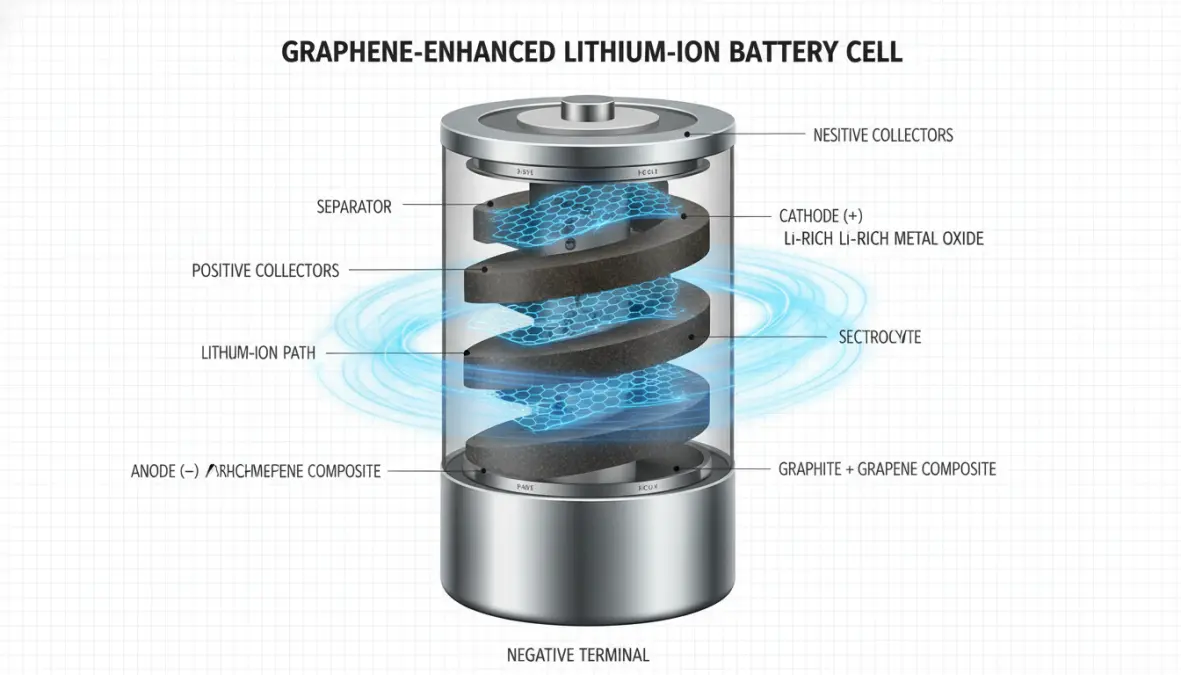
When people ask how is graphene used in batteries, the answer is transformative. Graphene-enhanced lithium-ion batteries charge dramatically faster—some prototypes achieving full charge in minutes rather than hours—while offering greater capacity and longer lifespans. Real Power’s graphene batteries are already powering electric vehicles and mobile devices, addressing two critical bottlenecks in energy storage: charging speed and energy density. Supercapacitors incorporating graphene deliver rapid charge-discharge cycles, perfect for regenerative braking systems. In solar energy, graphene-based photovoltaic cells are pushing efficiency boundaries while reducing manufacturing costs. The implications for electric vehicles are enormous—graphene could finally deliver the quick-charging, long-range batteries that make EVs truly competitive with combustion engines, much like how innovations in other sectors like sustainable urban technologies are reshaping our cities.
Medical and Healthcare Innovation
Graphene uses in medical industry are particularly promising. Biosensors made from graphene can detect diseases at incredibly early stages by identifying minute concentrations of biomarkers in blood or saliva. Several graphene-based cancer detection systems are currently in clinical trials, offering non-invasive alternatives to biopsies. In drug delivery, graphene oxide nanoparticles can target specific cells, releasing medications precisely where needed and reducing side effects. The material’s biocompatibility makes it suitable for implants and prosthetics, while its electrical properties enable advanced neural interfaces. Wearable health monitors using graphene sensors can track glucose levels, heart rhythms, and other vital signs continuously and non-invasively. Companies like Grapheal are developing graphene-based biomedical devices for wound monitoring that communicate wirelessly with smartphones.
Advanced Materials and Manufacturing
Graphene composite materials applications are strengthening everything from aircraft components to bicycle frames. Aerospace manufacturers incorporate graphene into carbon fiber composites for lighter, stronger parts that improve fuel efficiency. In automotive applications, graphene-reinforced plastics reduce vehicle weight while maintaining safety standards. Graphene applications in water filtration leverage the material’s nanoporous structure to remove contaminants more effectively than conventional filters—some graphene membranes can even desalinate seawater efficiently. Anti-corrosion coatings containing graphene protect infrastructure from rust and degradation, extending lifespan dramatically. Sports equipment companies are already selling graphene-enhanced tennis rackets, skis, and running shoes. Construction materials incorporating graphene demonstrate improved strength and thermal properties, while technical clothing benefits from graphene’s conductivity for heated garments or its antibacterial properties.
The Future of Commercial Graphene: Challenges and Opportunities
Despite the impressive real world applications of graphene, the commercial graphene market faces significant hurdles. Production costs remain high compared to conventional materials, though prices have dropped considerably as manufacturing scales up. Producing high-quality, consistent graphene at industrial quantities remains challenging—variability in material properties can affect performance unpredictably. Standardization is another issue; without universal quality benchmarks, comparing graphene products from different manufacturers becomes difficult.
However, the graphene industry outlook remains optimistic. Global investment in graphene research and development continues to grow, with major funding initiatives in Europe, Asia, and North America. University-industry partnerships are accelerating the journey from lab discoveries to marketable products, similar to how collaborative research efforts are advancing other scientific fields. Commercial applications of graphene oxide—a chemically modified form that’s easier to process—are bridging the gap between pure graphene’s performance and manufacturing practicality.
Emerging trends suggest we’ll see graphene increasingly integrated into everyday products rather than standalone “graphene devices.” The material’s true revolution may be invisible—better batteries that happen to contain graphene, stronger concrete quietly reinforced with carbon nanomaterials, or water filters that just work better. As production methods improve and costs decrease, graphene innovation will likely follow the path of other transformative materials: initially exotic and expensive, eventually ubiquitous and indispensable. The wonder material is transforming industries not through dramatic replacement, but through steady, practical enhancement of what already exists—and that might be its most powerful application yet.