Aerogel Technology: The Lightest Solid Material Revolutionizing Thermal Insulation
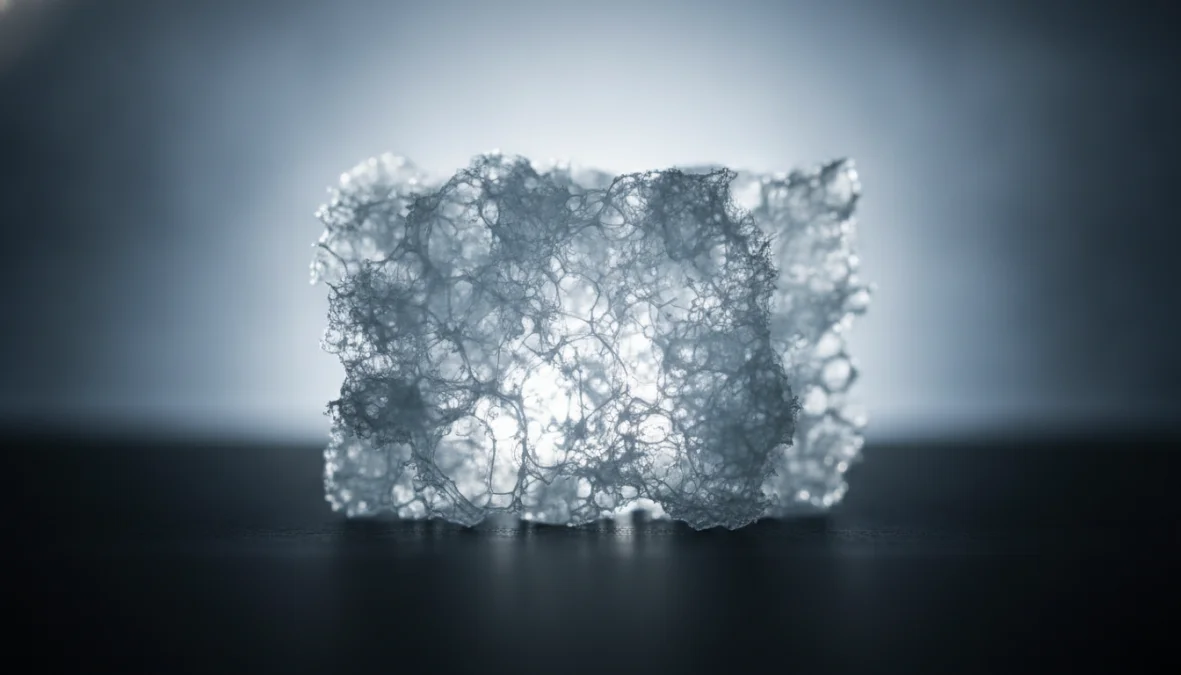
Imagine holding a material so light it seems to defy physics—something that weighs almost nothing yet can withstand extreme temperatures and protect sensitive equipment in the harshest environments. That’s not science fiction; it’s aerogel technology, a revolutionary advancement in materials science that’s transforming everything from space exploration to everyday insulation. Often called “frozen smoke” for its ethereal, translucent appearance, aerogel is literally 99.8% air, making it the lightest solid material in the world. But don’t let its delicate looks fool you—this nanoporous wonder is one of the most powerful thermal insulation materials ever created, and it’s quietly changing how we think about energy efficiency and extreme environment protection.
What Is Aerogel and Why Is It the Lightest Solid Material?
At its core, aerogel technology represents a class of nanoporous materials with an extraordinarily low density—typically around 0.001 g/cm³, which is just three times denser than air itself. To put that in perspective, a cubic foot of aerogel weighs less than a pound, making it dramatically lighter than styrofoam or any conventional insulation material. The secret lies in its composition: aerogels are approximately 99.8% air trapped within an incredibly intricate solid nanostructure.
The creation of aerogel involves a fascinating sol-gel process followed by supercritical drying. Scientists start with a liquid gel—typically made from silica, carbon, or polymer compounds—where solid particles are suspended in a solvent. Through a carefully controlled chemical process, these particles form a delicate three-dimensional network. Then comes the critical step: instead of simply evaporating the liquid (which would cause the structure to collapse), manufacturers use supercritical drying, where the gel is subjected to high temperature and pressure conditions that allow the liquid to be removed without damaging the fragile nanostructure. This process preserves the open, porous architecture that gives aerogel its remarkable properties.
Silica aerogel is the most common variety, prized for its transparency and exceptional insulating abilities. However, the aerogel family includes carbon aerogels (valued for electrical conductivity), polymer-based aerogels (offering greater flexibility), and specialty types like alumina aerogels for specific industrial applications. The history of these materials dates back to the 1930s when American scientist Samuel Kistener first created aerogel as part of a bet to see if he could replace the liquid in a gel with gas without causing shrinkage. His success launched a material that would eventually travel to Mars and revolutionize insulation technology.
The Science Behind Aerogel’s Extraordinary Properties
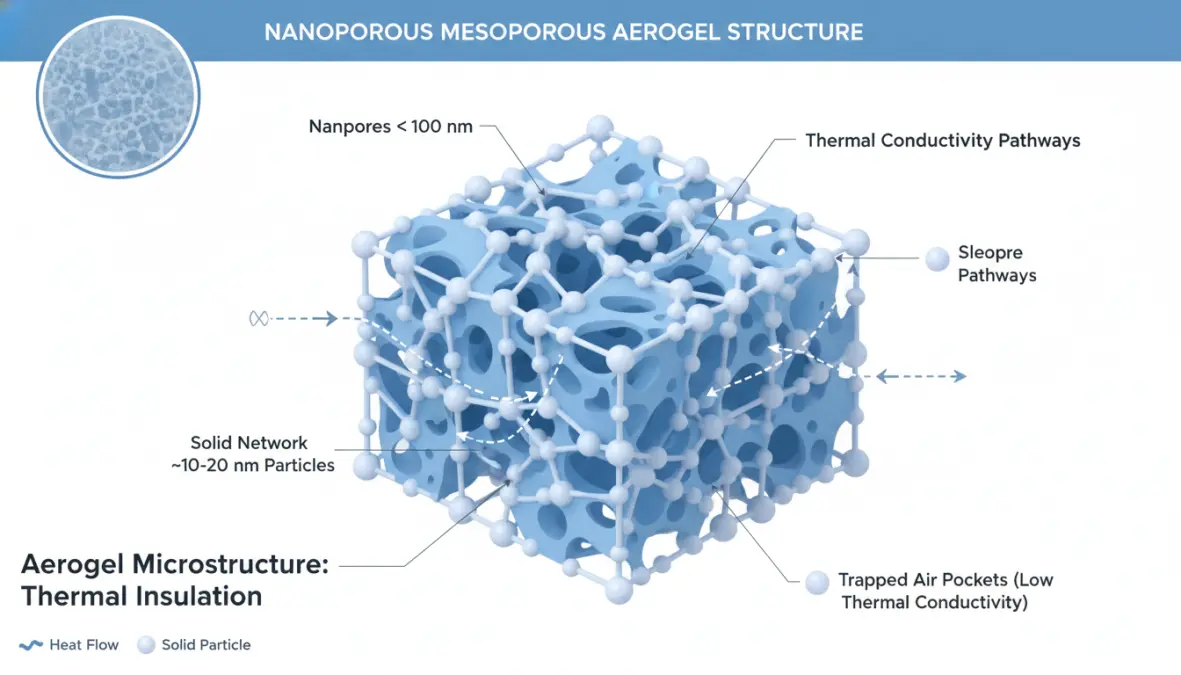
What makes aerogel properties so exceptional? It all comes down to the mesoporous structure at the nanoscale level. Aerogels consist of interconnected nanoparticles creating pores typically 20-50 nanometers in diameter—smaller than the mean free path of air molecules. This unique architecture is what gives aerogel its superpower: it blocks heat transfer through all three mechanisms—conduction, convection, and partially radiation.
The thermal conductivity of silica aerogel is remarkably low, ranging from 0.013 to 0.014 W/(m·K) at room temperature—significantly lower than fiberglass (0.040 W/(m·K)) or polystyrene foam (0.033 W/(m·K)). Because the pores are so tiny, air molecules cannot move freely to transfer heat through convection. The solid structure itself is incredibly sparse, minimizing conduction pathways. Some hydrophobic aerogel formulations even repel water while maintaining breathability, making them ideal for applications where moisture management is critical.
Beyond thermal performance, aerogels boast an enormous specific surface area—up to 1,000 m²/g—which makes them valuable in catalysis and filtration applications. Some types exhibit remarkable transparent insulation properties, allowing light to pass through while blocking heat. However, aerogel properties aren’t uniformly perfect: traditional silica aerogels can be brittle and fragile, though newer formulations and composite materials have significantly improved mechanical strength.
Aerogel Insulation Performance and Real-World Applications
When it comes to practical use, aerogel insulation delivers performance that conventional materials simply can’t match. With R-values (a measure of thermal resistance) reaching R-10 to R-30 per inch—compared to fiberglass’s R-3.5 per inch—aerogel provides superior insulation in a fraction of the space. This makes it invaluable where space is at a premium or weight is a critical factor. Aerogel insulation for extreme temperatures is particularly impressive, maintaining effectiveness from cryogenic conditions (-200°C) to high heat (+200°C and beyond with specialized formulations).
Perhaps the most famous aerogel applications come from aerospace. NASA aerogel applications include the Mars Exploration Rovers, where aerogel insulated sensitive electronics from the brutal Martian temperature swings. The Stardust spacecraft used aerogel to capture comet particles traveling at incredible speeds—the material’s low density and gradual deceleration properties made it perfect for this delicate task. Space suits and equipment also incorporate aerogel blankets for cryogenic insulation of fuel systems.
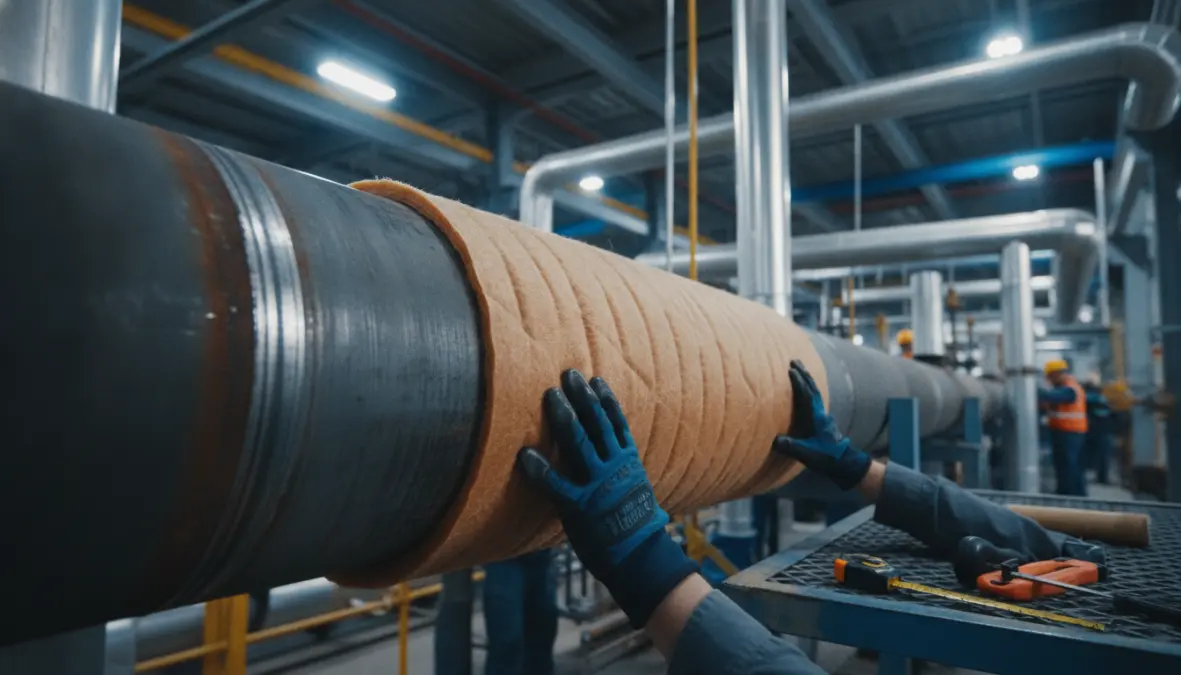
In the construction industry, aerogel blankets and panels are transforming building efficiency. These flexible composites combine aerogel with fiber reinforcement, creating thin insulation layers that dramatically improve energy performance in both new construction and retrofits. For renovating historic buildings where thick insulation would compromise architectural integrity, aerogel offers an elegant solution. The oil and gas sector uses aerogel for pipeline insulation, particularly in subsea applications where space constraints and harsh conditions demand the best thermal insulation materials aerogel can provide.
Emerging applications include technical outdoor apparel (jackets that are warm but incredibly lightweight), automotive thermal management, electronics cooling, and even translucent aerogel glazing for windows that insulate while admitting daylight. Much like how digital twin technology is revolutionizing industrial processes through virtual optimization, aerogel is transforming energy efficiency through physical innovation.
The primary limitations? Cost remains significantly higher than conventional insulation—often 5-10 times more expensive—though prices continue to decrease as manufacturing scales up. Some aerogel forms remain brittle, requiring careful handling or composite reinforcement. Additionally, while the silica aerogel manufacturing process has become more efficient, it’s still more complex than producing traditional insulation materials.
Silica Aerogel vs Other Aerogel Types
Silica aerogel dominates the market due to its excellent thermal insulation, transparency in thin sections, and relatively straightforward production from abundant silicon compounds. It’s the go-to choice for building insulation, aerospace applications, and anywhere thermal performance is paramount. However, other aerogel varieties offer distinct advantages for specialized uses.
Carbon aerogels, derived from organic precursors, provide electrical conductivity alongside thermal properties. This makes them valuable in energy storage applications—supercapacitors and advanced battery electrodes benefit from carbon aerogel’s high surface area and conductive pathways. They’re typically black and opaque, lacking silica aerogel’s translucence.
Polymer aerogels, including polyurethane and polyimide variants, offer significantly improved mechanical flexibility and durability compared to brittle silica versions. They’re easier to handle and process, making them attractive for wearable applications and situations requiring repeated flexing or compression. Their thermal performance is good, though typically not quite matching silica’s exceptional numbers.
Alumina, zirconia, and other specialty aerogels serve niche applications requiring specific chemical resistance, very high temperature stability, or catalytic properties. The choice depends entirely on application requirements: silica for maximum thermal insulation, carbon for electrochemical applications, polymer for flexibility and durability, and specialty types for extreme chemical or thermal environments.
Frequently Asked Questions About Aerogel Technology
Is aerogel dangerous to touch or breathe?
Silica aerogel itself is non-toxic and safe to handle—it’s chemically similar to glass. However, the material can be dusty, and inhaling fine particles should be avoided, just as with any fine powder. Most commercial aerogel products come in blanket or panel form that minimizes dust release. Hydrophobic treatments used in some aerogels are also generally safe, though manufacturers provide specific safety data sheets. Overall, aerogel is considerably safer than many traditional insulation materials like asbestos or even fiberglass.
How much does aerogel cost compared to traditional insulation?
Aerogel insulation typically costs 5-10 times more than conventional materials per square foot. A square foot of aerogel blanket might run $3-5, while fiberglass costs under $1. However, when you factor in aerogel’s superior R-value per inch—allowing thinner installations—and its longevity, the cost gap narrows. For specialized applications where space is limited or performance is critical, the premium is often justified. As production scales and the silica aerogel manufacturing process becomes more efficient, prices continue trending downward.
Can aerogel withstand fire?
Silica aerogel is inherently non-flammable and can withstand extremely high temperatures—up to 1,200°C for pure silica aerogel. It won’t burn, melt, or release toxic fumes, making it an excellent fire barrier. In fact, aerogel has been used to protect firefighters’ hands from direct flame while remaining cool to the touch on the opposite side. Some formulations include additional fire-resistant treatments. This fire resistance, combined with thermal performance, makes aerogel valuable in applications where fire safety is paramount.
What makes aerogel different from foam insulation?
While both are porous materials containing trapped gas, aerogel’s pore structure operates at the nanoscale—thousands of times smaller than foam bubbles. This fundamental difference gives aerogel far superior thermal performance; foam relies mainly on trapped gas pockets, while aerogel’s nanostructure blocks heat transfer at the molecular level. Aerogel is also much lighter, can operate across wider temperature ranges, and won’t degrade or absorb moisture like many foams. Think of it as insulation operating at a completely different scale of physics.
Is aerogel the same as gel we use daily?
Not at all. Regular gels (like hair gel or gelatin) are liquids trapped in a solid network—they’re heavy, wet, and collapse when dried. Aerogel starts as a wet gel but undergoes supercritical drying that removes the liquid while preserving the delicate solid structure. The result is a solid material that’s mostly air—essentially the “ghost” of the original gel. While both share the name “gel,” aerogel is a completely different material class with properties nothing like the soft, moist gels we encounter daily.
Aerogel technology represents one of materials science’s most fascinating achievements—a substance that seems almost impossibly light yet delivers world-class thermal performance. As manufacturing techniques improve and costs decrease, we’ll likely see aerogel moving from specialized aerospace and industrial applications into more everyday uses. Whether protecting spacecraft on Mars or insulating buildings here on Earth, this remarkable material proves that sometimes the best solutions come from what’s mostly not there at all. The future of insulation is light as air—literally.