The Craft Skills Revival: Why Millennials and Gen Z Are Embracing Traditional Trades
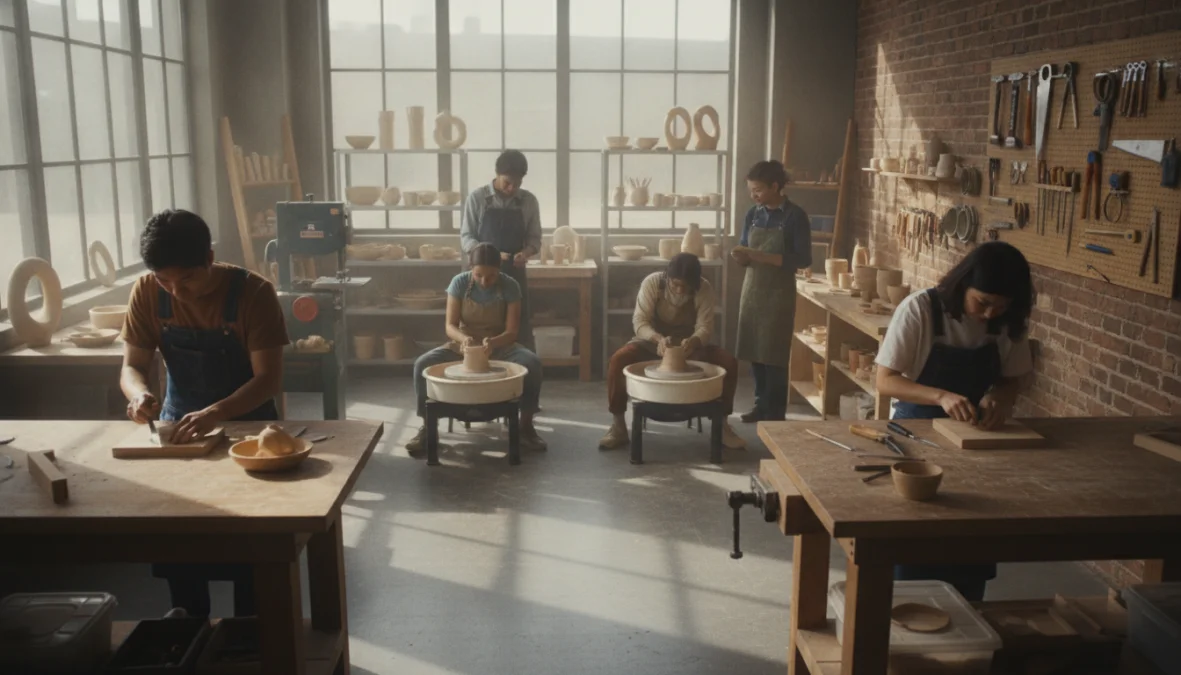
There’s something quietly revolutionary happening in workshops, studios, and garages across the country. Young people who were supposed to be coding apps or managing spreadsheets are instead throwing pottery, forging metal, and hand-stitching leather goods. This isn’t your grandfather’s trade school renaissance—it’s a full-blown craft skills revival driven by millennials and Gen Z who are ditching corporate cubicles for the tactile satisfaction of making things with their hands.
Why the Craft Skills Revival Is Happening Now
The craft skills revival isn’t happening in a vacuum. Multiple socio-economic factors have converged to make traditional trades suddenly appealing to generations that were told college was the only path to success. The most obvious catalyst? Student debt has ballooned to crisis levels, with many graduates discovering their degrees don’t guarantee stable employment, let alone the salaries needed to pay off six-figure loans.
Meanwhile, millennials craft skills interest has exploded partly due to widespread burnout from tech and corporate jobs. After years of staring at screens, answering endless Slack messages, and attending meetings that could’ve been emails, many young professionals are craving work that produces tangible results. There’s a profound psychological difference between debugging code and seeing a handcrafted table take shape under your hands.
Social media has played a surprisingly significant role in glamorizing artisan work. Instagram and TikTok are flooded with satisfying videos of potters centering clay, blacksmiths hammering glowing metal, and woodworkers revealing stunning grain patterns. These platforms have transformed gen z traditional crafts from dusty vocations into aspirational lifestyle choices. The pandemic accelerated this shift dramatically, forcing millions to reassess their careers during lockdown—often while experimenting with sourdough bread or learning woodworking in their garages.
Statistics back up this trend. Enrollment in trade schools has increased significantly over the past several years, with particular growth in programs focused on heritage crafts. Search interest for terms like “why millennials are learning traditional trades” has surged, indicating genuine curiosity beyond passing trends.
The Economic Appeal of Traditional Trades
Let’s talk money. The economic case for traditional trades learning is surprisingly strong. Skilled electricians, plumbers, and carpenters often earn salaries competitive with—or exceeding—those of many college graduates, without the crushing student debt. The benefits of learning traditional trades extend beyond base salary: unemployment rates in skilled trades remain remarkably low, as demand consistently outpaces supply.
Vocational skills training costs a fraction of a four-year degree, allowing young people to enter the workforce faster and start earning sooner. Many apprenticeship programs even pay participants while they learn. For entrepreneurially-minded individuals, traditional crafts offer relatively low barriers to starting a business. A ceramicist needs a kiln and clay; a leatherworker needs tools and hides. Compare this to the capital requirements of most tech startups.
The Creative and Cultural Motivations
Economics alone don’t explain the handmade craft revival. There’s a deeper hunger at work—a desire for authenticity in an increasingly digital, mass-produced world. Young craftspeople talk about feeling connected to centuries of human knowledge when they use techniques passed down through generations. This traditional craftsmanship education offers something profoundly meaningful that transcends paychecks.
Sustainability concerns drive many toward the artisan skills comeback. Fast fashion and planned obsolescence have created environmental catastrophes, and handcrafted goods represent an alternative: durable, repairable items made with care. This aligns perfectly with the slow living movement that rejects hustle culture in favor of intentional, mindful work. The sustainable making philosophy resonates particularly with environmentally-conscious Gen Z, who see craft skills as part of a circular economy solution.
How Millennials and Gen Z Are Learning Traditional Crafts
The pathways to acquiring craft apprenticeships and skills have evolved dramatically. While traditional apprenticeships still exist—pairing newcomers with master craftspeople for years of hands-on learning—modern alternatives have emerged. Renovated trade schools now market themselves as viable alternatives to university, emphasizing job placement rates and earning potential.
Digital platforms have democratized access to traditional craftsmanship education. YouTube hosts thousands of detailed tutorials on everything from blacksmithing to bookbinding. Platforms like MasterClass feature renowned artisans teaching their crafts with production values rivaling Netflix documentaries. Online communities on Reddit and Discord connect learners with mentors across the globe, answering questions about where to learn traditional crafts online.
Maker spaces and community workshops have proliferated in urban areas, offering access to expensive equipment like kilns, forges, and woodworking tools for affordable membership fees. These spaces facilitate the informal mentorship that has always been central to vocational skills training, creating communities where experienced makers help newcomers troubleshoot projects.
Many young people pursue hybrid self-education, combining online tutorials, in-person workshops, and experimentation. This DIY approach reflects broader generational attitudes toward education—skeptical of gatekeeping, comfortable with digital resources, and willing to learn through trial and error.
The Most Popular Traditional Crafts Making a Comeback
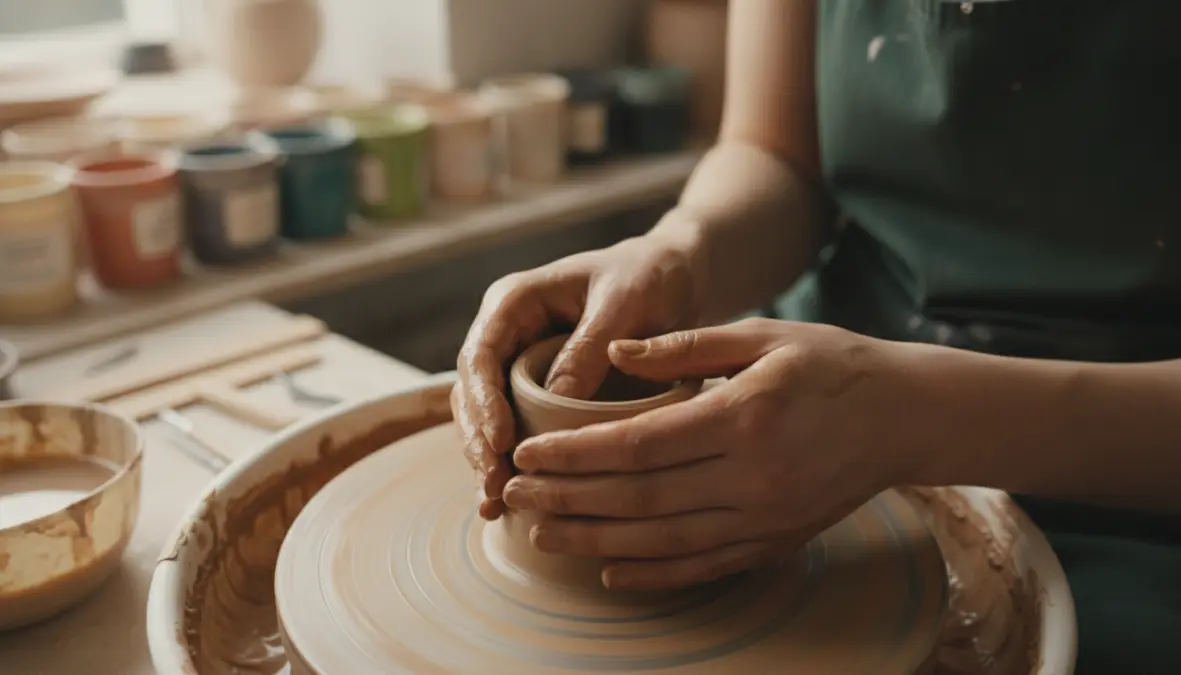
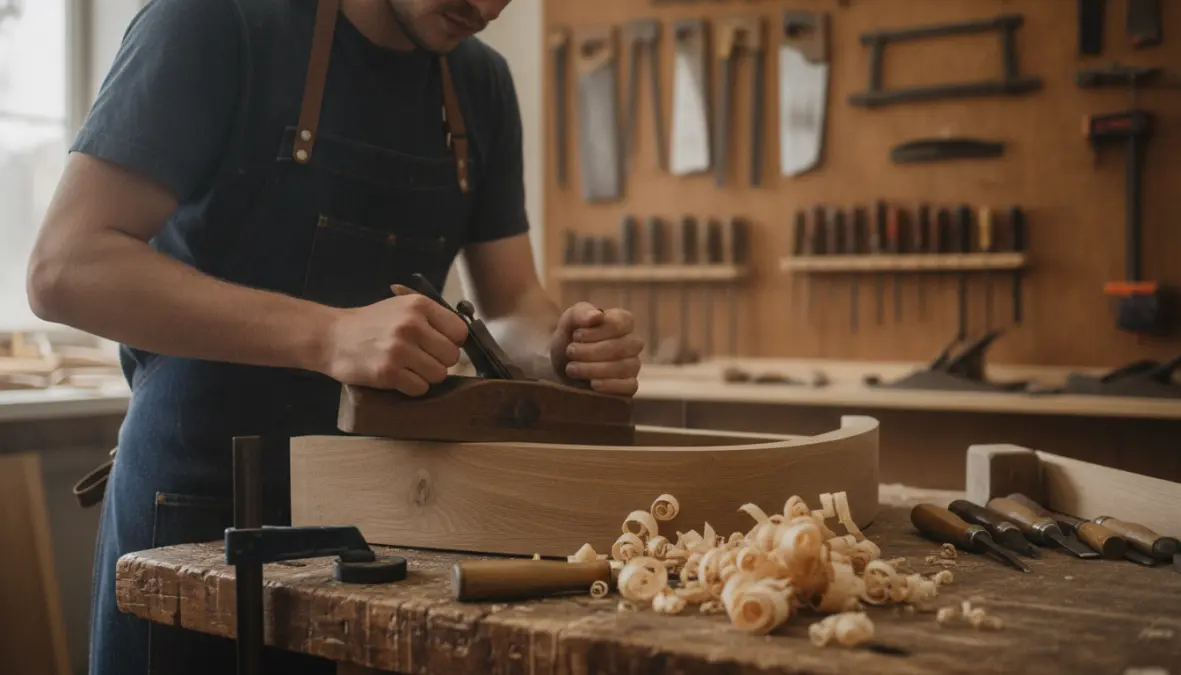
Not all traditional crafts are experiencing equal revival. Woodworking and carpentry top the list, appealing to both millennials seeking furniture-making skills and Gen Z interested in sustainable housing solutions. Ceramics has exploded in popularity, driven partly by its Instagram-friendliness and the meditative quality of working with clay.
Metalworking, including blacksmithing and jewelry-making, attracts those seeking dramatic, physical craft experiences. Sartorial skills—sewing, tailoring, and textile work—appeal particularly to young people interested in sustainable fashion and clothing repair. Bookbinding has found an unexpected niche among those who appreciate analog media and beautiful objects.
Artisan food production, including bread baking, cheese-making, and even beekeeping, bridges the gap between craft and lifestyle. Furniture restoration and general repair skills have gained traction as young people buy older homes and reject disposable consumer culture. Interestingly, gen z traditional crafts interest skews slightly more toward fiber arts and sustainable practices, while millennials gravitate toward entrepreneurial crafts like woodworking and metalwork.
The Future of Traditional Trades and Craft Skills
The craft skills revival isn’t about rejecting modernity—it’s about integrating the best of traditional knowledge with contemporary tools. Modern craftspeople use CNC routers alongside hand chisels, design digitally before executing manually, and market through social media while maintaining traditional quality standards. This hybrid approach defines the future of the handmade craft revival.
Social media continues creating new markets for artisan goods. Platforms like Etsy prove consumers will pay premium prices for handcrafted items with authentic stories. The maker movement has spawned an entire creative economy where craftspeople can build sustainable businesses reaching global audiences from small workshops.
However, challenges remain. There’s a genuine shortage of master artisans willing and able to teach heritage crafts. As older generations of craftspeople retire, valuable knowledge risks disappearing. Preserving this expertise requires intentional investment in mentorship programs and documentation efforts.
The broader impact on work culture could be profound. As millennials craft skills and entrepreneurship reshape expectations around careers, traditional employment models may need to adapt. The craft revival demonstrates that meaningful work, work-life balance, and financial stability aren’t mutually exclusive—a lesson that might influence mainstream corporate culture.
This movement also offers opportunities for intergenerational connection. Unlike the workplace dynamics explored in discussions about algorithmic bias in hiring, craft apprenticeships naturally facilitate mentorship across age gaps, potentially reducing generational tensions while preserving valuable skills.
FAQ
Why are young people interested in traditional trades?
Young people are drawn to traditional trades for multiple reasons: avoiding student debt, seeking tangible work outcomes, pursuing entrepreneurial opportunities, and finding meaningful alternatives to burnout-inducing corporate jobs. The combination of economic pragmatism and desire for authentic, creative work makes craft apprenticeships increasingly appealing.
What traditional crafts are most popular with millennials?
Woodworking, ceramics, metalworking, and artisan food production lead the pack. These crafts offer both creative satisfaction and viable business opportunities, aligning with millennial values around sustainability and entrepreneurship.
Are craft apprenticeships worth it?
Absolutely. Traditional trades learning through apprenticeships provides paid training, avoids student debt, and leads to careers with strong job security and competitive wages. Many apprentices earn while learning, making this path financially superior to traditional college for many people.
How much can you earn in traditional trades?
Earnings vary widely by craft and location, but skilled tradespeople often earn $50,000-$100,000 annually, with master craftspeople and business owners potentially earning significantly more. Specialized skills like stonemasonry, welding, or instrument-making can command premium rates.
What’s the best way to start learning a traditional craft?
Begin by exploring different crafts through introductory workshops or online tutorials to identify your interests. Then pursue deeper vocational skills training through community colleges, trade schools, maker spaces, or formal apprenticeships. Combining hands-on practice with mentorship from experienced craftspeople accelerates learning and helps develop professional-quality skills.
The craft skills revival represents more than nostalgia or trend—it’s a fundamental reassessment of what constitutes valuable work. As more young people choose chisels over keyboards, they’re not just learning trades; they’re reshaping our economy, challenging educational assumptions, and reconnecting with the profound human satisfaction of creating lasting objects with skill and care. Whether this movement continues expanding or finds equilibrium, it has already demonstrated that traditional knowledge still has vital relevance in our digital age.