The Gig Economy Safety Net: Why Independent Workers Need Better Protections
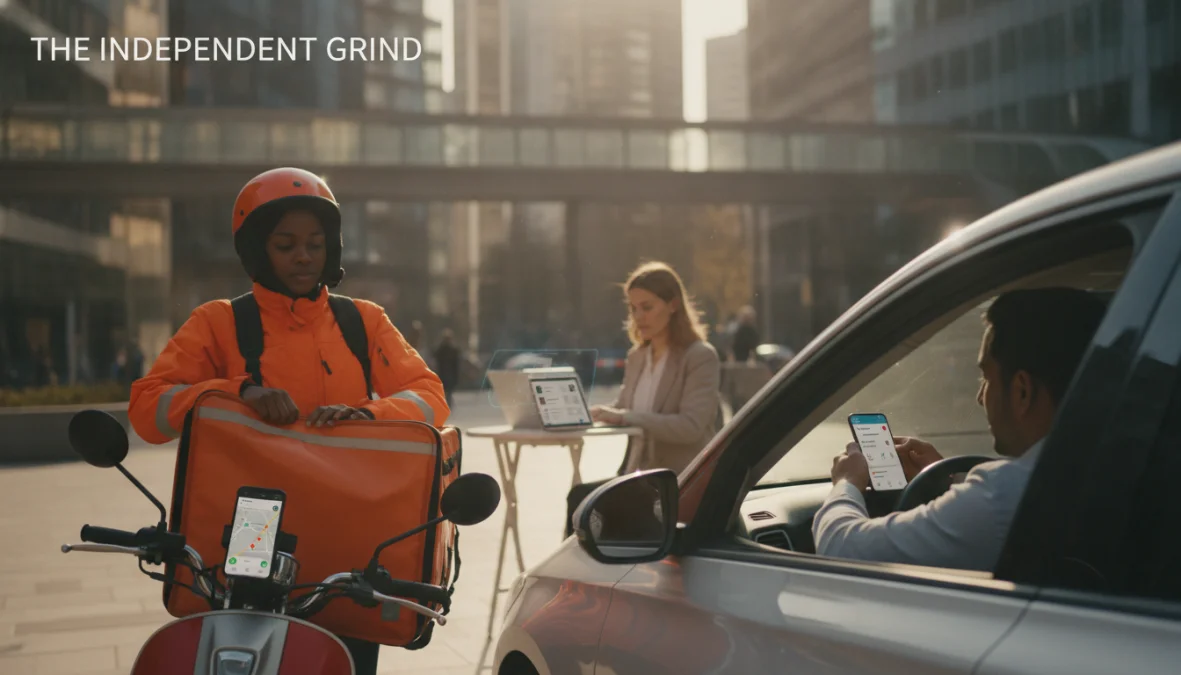
Picture this: You’re driving for Uber between freelance gigs, delivering food on your lunch break, and renting out your spare room on Airbnb to make ends meet. You’re part of the booming on-demand economy, juggling multiple income streams with the flexibility to work whenever you want. Sounds liberating, right? But here’s the catch—if you get sick, injured, or simply need a break, there’s no safety net to catch you. Welcome to the precarious world of the contingent workforce, where gig economy protections remain woefully inadequate despite millions of workers relying on this model to survive.
The Protection Gap: What Gig Workers Are Missing
The fundamental issue facing gig workers boils down to one critical distinction: the contractor vs employee classification. Traditional employees enjoy a comprehensive package of protections—employer-sponsored health insurance, paid time off, retirement contributions, unemployment insurance, and workers’ compensation. Meanwhile, 1099 workers in the gig economy receive none of these benefits, despite often working full-time hours or more.
This classification gap isn’t just a technicality—it’s a systematic denial of independent contractor rights that affects millions. Recent estimates suggest that over 36% of U.S. workers participate in the gig economy in some capacity, with approximately 16 million relying on it as their primary income source. These workers face a brutal reality: do gig workers get health insurance? Not from their platforms. Retirement savings? That’s entirely on them. Sick leave? Work through it or lose income.
The problem of worker misclassification compounds these issues. Many gig workers perform tasks identical to traditional employees—they follow company guidelines, use company equipment, and work set schedules—yet platforms classify them as independent contractors to avoid providing gig worker benefits. This arrangement maximizes labor market flexibility for companies while shifting all risk and cost onto workers who have minimal bargaining power.
Current State of Gig Economy Regulations and Labor Laws
The landscape of platform economy regulations remains fragmented and inconsistent. California’s AB5 legislation attempted to address this by implementing the “ABC test” for worker classification, making it harder for companies to label workers as contractors. However, Proposition 22—heavily funded by gig platforms—carved out exemptions specifically for app-based drivers and delivery workers, though it did mandate some minimal benefits.
Federal gig economy labor laws lag even further behind. The Department of Labor has issued guidance on classification, but enforcement remains inconsistent. Meanwhile, platforms like Uber, Lyft, and DoorDash continue lobbying against comprehensive freelancer protections, arguing that regulation would destroy the flexibility that makes gig work attractive.
Internationally, approaches vary significantly. The UK Supreme Court ruled that Uber drivers are workers entitled to minimum wage and holiday pay. The European Union has proposed directives that would presumptively classify platform workers as employees unless companies can prove otherwise. These models demonstrate that gig economy protections don’t necessarily eliminate flexibility—they simply ensure basic standards.
Understanding how different economic models impact workers is crucial, much like how tech companies structure their business models around value extraction. The question remains: what protections do uber drivers have compared to traditional taxi drivers? The answer varies wildly by jurisdiction, creating a patchwork system that leaves many workers vulnerable.
The Portable Benefits Solution
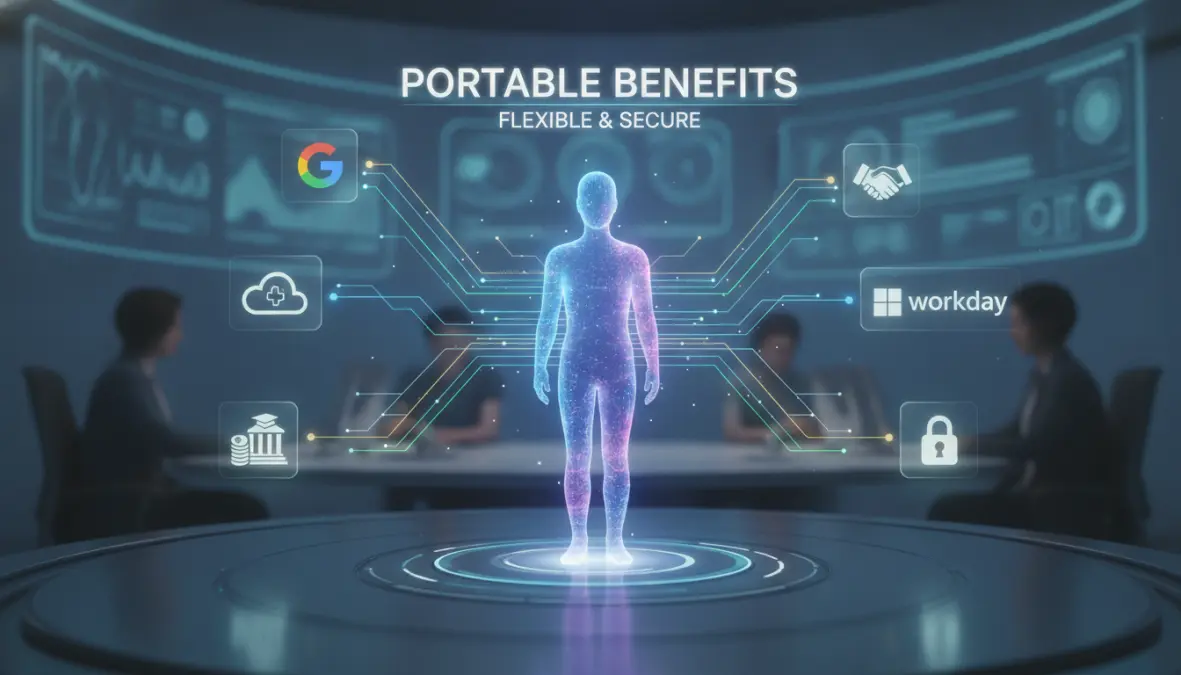
One innovative approach gaining traction is portable benefits for workers—a system where benefits follow the worker rather than being tied to a single employer. Under this model, multiple platforms would contribute to a benefit fund based on hours worked or earnings generated, giving workers access to health insurance, retirement savings, and other protections regardless of which platform they work for.
Several pilot programs are testing this concept. The Black Car Fund in New York provides workers’ compensation for for-hire vehicle drivers across multiple platforms. Washington State has implemented a portable benefits system for long-term care workers. These examples prove the concept works—it just needs scaling and broader adoption. This approach could answer the pressing question of how to create a safety net for freelancers without eliminating the flexibility that many value.
Building a Better Safety Net: Solutions and the Path Forward
Creating sustainable gig economy protections requires a multi-stakeholder approach. First, platforms must acknowledge their role in the employment relationship and contribute proportionally to worker protections. A small percentage of transaction fees could fund comprehensive benefits without significantly impacting profitability—after all, these companies are valued in the billions.
Second, government must establish clear standards for gig economy workers compensation coverage and other essential protections. This doesn’t mean forcing all gig workers into traditional employment—it means creating a third category that recognizes the unique nature of platform work while ensuring basic human dignity and security.
Third, workers themselves need stronger collective bargaining rights. Traditional unions may not fit the gig model perfectly, but worker cooperatives, sectoral bargaining, and platform-specific associations can give workers a voice in determining their working conditions. Some freelancers are already organizing through groups like the Freelancers Union and the Independent Drivers Guild, demonstrating that collective action remains powerful even in decentralized work arrangements.
Innovative models are emerging. Multi-employer benefit funds allow workers to accumulate contributions from various income sources. Freelancer cooperatives provide shared services and negotiating power. Some platforms are voluntarily experimenting with better protections, recognizing that worker satisfaction correlates with service quality. The remote work revolution, explored in digital nomad visa programs, shows how work arrangements can evolve to meet modern needs.
The path forward requires balancing flexibility with security. Workers shouldn’t have to choose between autonomy and basic protections. With political will, innovative thinking, and recognition that the current system is unsustainable, we can build a social safety net that works for the realities of modern work. The gig economy isn’t going anywhere—it’s time our protections caught up.
FAQ: Gig Economy Protections
Are gig workers considered employees?
Generally, no—most gig workers are classified as independent contractors under current employment standards. However, this classification is increasingly challenged in courts and through legislation like California’s AB5. The distinction between contractor vs employee classification determines whether workers receive benefits, protections, and labor law coverage.
What benefits do independent contractors get?
Independent contractors typically receive no employer-provided benefits. They’re responsible for their own health insurance, retirement savings, and don’t qualify for unemployment insurance, workers’ compensation, or paid leave. This lack of gig worker benefits creates significant financial vulnerability compared to traditional employees.
How does worker classification affect rights?
Classification determines everything from minimum wage guarantees to anti-discrimination protections. Employees enjoy comprehensive independent contractor rights under federal and state labor laws, while contractors have minimal protections. Misclassification often deprives workers of rights they should legally have.
What are portable benefits?
Portable benefits for workers are a system where protections follow the worker across multiple employers or platforms. Instead of benefits being tied to one job, contributions accumulate from all income sources into accounts the worker controls, providing health insurance, retirement, and other protections regardless of where they work.
What protections exist for freelancers?
Current freelancer protections vary by location. Some jurisdictions have enacted laws requiring timely payment, written contracts, or anti-discrimination protections. However, comprehensive protections remain limited. Understanding how to protect independent contractors often means workers must proactively secure their own insurance, contracts, and legal protections.