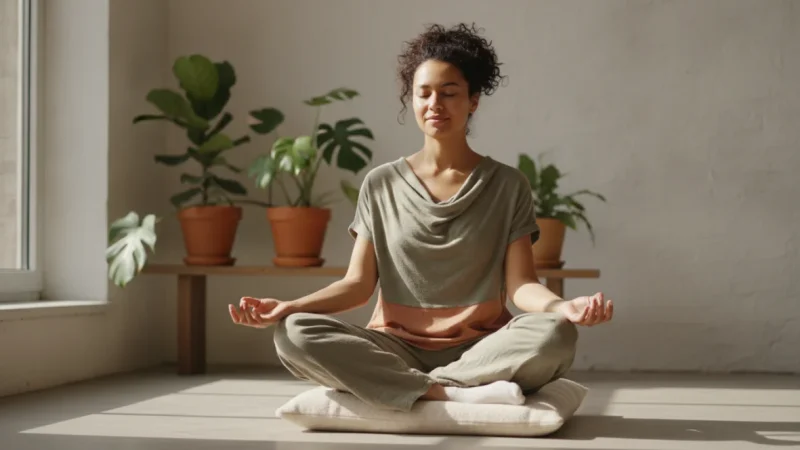
Breathwork Techniques: Complete Guide to Conscious Breathing Practices
Ever notice how your breathing changes when you’re stressed? Short, shallow breaths. Now think about how you breathe during deep sleep—slow, rhythmic, effortless. Your breath isn’t just about getting oxygen into your lungs; it’s a powerful tool that can shift your entire nervous system, emotional state, and mental clarity in minutes. Welcome to the world of breathwork techniques, where ancient wisdom meets modern neuroscience to give you practical tools for managing everything from anxiety to energy levels.
What Is Breathwork and Why It Matters
Breathwork techniques are intentional practices of conscious breathing designed to influence your physical, mental, and emotional state. Unlike automatic breathing—that thing you do 20,000 times a day without thinking—breathwork practices involve deliberate control over your respiratory patterns to trigger specific physiological responses.
The science is fascinating. Your breath directly communicates with your autonomic nervous system through the vagus nerve, the longest cranial nerve that acts like a superhighway between your brain and major organs. When you practice controlled breathing, you’re essentially sending signals that tell your body whether to activate the stress response (sympathetic) or the relaxation response (parasympathetic). This is called vagus nerve stimulation, and it’s why breath control can reduce heart rate, lower blood pressure, and calm racing thoughts.
Breathwork isn’t new. Ancient yogis developed pranayama techniques thousands of years ago, understanding intuitively what science now confirms: respiratory control influences everything from emotional regulation to cognitive performance. Today, these practices have evolved into modern therapeutic applications, used by therapists, athletes, and wellness practitioners worldwide. Similar to somatic practices for trauma healing, breathwork works through the body to access and regulate mental and emotional states.
Essential Breathwork Techniques and How to Practice Them
Ready to get practical? Let’s explore the most effective breathing exercises, from foundational techniques perfect for beginners to advanced practices that require more experience.
Foundational Techniques for Beginners
These beginner breathwork exercises at home are safe, simple, and remarkably effective for daily use:
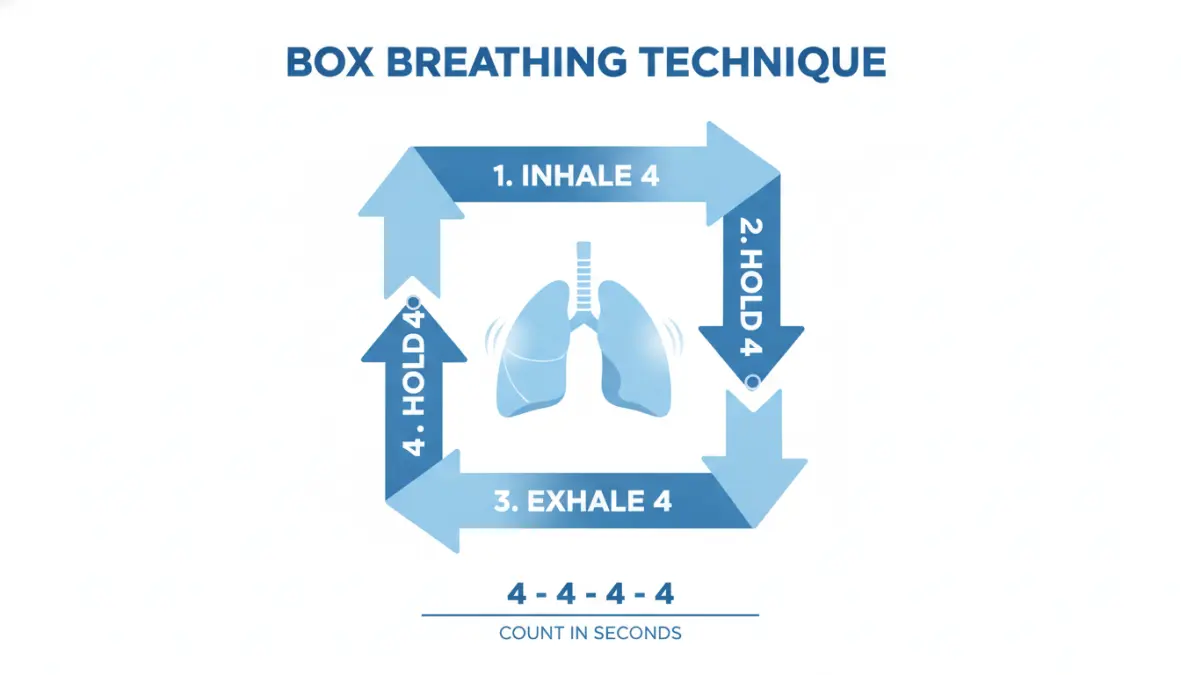
Box Breathing (4-4-4-4 Pattern): Also called square breathing, this technique is used by Navy SEALs to maintain calm under pressure. Inhale through your nose for 4 counts, hold for 4, exhale for 4, hold empty for 4. Repeat for 5-10 rounds. This pattern creates perfect balance in your nervous system, making it one of the best breathing techniques for stress relief. Use it before presentations, during moments of anxiety, or anytime you need mental clarity.
4-7-8 Breathing: Among the most effective breathwork techniques for sleep, this practice was popularized by Dr. Andrew Weil. Inhale through your nose for 4 counts, hold for 7, exhale completely through your mouth for 8. The extended exhale activates your parasympathetic nervous system, signaling it’s safe to rest. Practice this lying in bed when your mind won’t quiet down.
Diaphragmatic Breathing: Place one hand on your chest, one on your belly. Breathe deeply so only your belly hand moves, keeping your chest relatively still. This is mindful breathing at its most basic—engaging your diaphragm fully for optimal oxygen optimization. It’s perfect for building breath awareness and forms the foundation for all other practices. Practice 5-10 minutes daily, especially useful as one of the conscious breathing practices for meditation.
Advanced Breathwork Practices
Once you’ve mastered the basics, these more intensive breathwork techniques offer deeper therapeutic benefits:
Holotropic Breathwork: Developed by Stanislav Grof, holotropic breathwork involves rapid, deep breathing for extended periods (30-60 minutes) to induce altered states of consciousness. This technique can surface suppressed emotions and facilitate psychological healing. Important: practice only with trained facilitators, as the intensity can be overwhelming. Those interested in consciousness exploration might also find psychedelic therapy relevant for similar therapeutic goals.
Wim Hof Method: Combines rapid breathing cycles (30-40 deep breaths) followed by breath retention while empty. This creates temporary controlled hypoxia, potentially boosting immune function and increasing stress resilience. Often paired with cold water exposure for enhanced benefits. Avoid if you have cardiovascular issues or epilepsy.
Traditional Pranayama Techniques: Kapalabhati (“skull shining breath”) involves forceful exhales through the nose with passive inhales, creating heat and energy—excellent as breathwork exercises for energy. Nadi Shodhana (alternate nostril breathing) balances left and right brain hemispheres. Ujjayi (“ocean breath”) creates a gentle constriction in the throat, producing a soothing sound that enhances meditation. These ancient practices offer sophisticated respiratory control for specific outcomes.

Creating Your Personal Breathwork Practice
Understanding how to practice breathwork daily means matching techniques to your needs. For breathwork techniques for anxiety, choose practices with extended exhales like 4-7-8 or box breathing. Need morning energy? Try Kapalabhati or a few rounds of Wim Hof breathing. Looking for focus? Box breathing before deep work sessions.
Timing matters. Morning breathwork sets your tone for the day; evening practices prepare you for rest. Start with just 5 minutes daily—consistency beats intensity. Build gradually to 10-20 minutes as the practice becomes habitual.
Common mistakes include breathing too forcefully (gentleness is key), practicing on a full stomach, or pushing beyond comfortable limits. Your breath should never feel strained. If you experience dizziness, tingling, or discomfort, return to normal breathing. Think of breathwork like learning any new skill—progress requires awareness and adjustment.
Track your practice in a simple journal: which technique, duration, and how you felt before and after. This builds breath awareness and helps identify what works best for you. While breathwork is generally safe, consult healthcare providers if you’re pregnant, have respiratory conditions, cardiovascular disease, or serious mental health concerns. Some intensive practices can surface difficult emotions—working with a certified breathwork facilitator ensures proper support.
Frequently Asked Questions About Breathwork
How long should I practice breathwork daily? Start with 5-10 minutes daily for foundational techniques. Advanced practices like holotropic breathwork are done less frequently (weekly or monthly) in longer sessions. Consistency matters more than duration—daily 5-minute practice beats occasional 30-minute sessions.
Is breathwork safe for everyone? Most gentle techniques are safe, but people with cardiovascular disease, epilepsy, severe asthma, or pregnancy should consult doctors first. Intense practices like holotropic breathwork require medical clearance and trained supervision.
Can breathwork replace meditation? Breathwork and meditation complement each other beautifully but serve different purposes. Breathwork actively regulates your state; meditation cultivates awareness. Many people use breathwork to settle into meditation, finding it easier to quiet the mind after conscious breathing.
What’s the difference between breathwork and pranayama? Pranayama is the traditional yogic term for breath control practices, rooted in ancient Indian philosophy. Breathwork is a broader Western term encompassing pranayama plus modern techniques. Essentially, pranayama is a subset of breathwork.
How quickly can I expect results? You’ll likely notice immediate effects—calmer mind, relaxed body—within your first session. Cumulative benefits like improved stress resilience, better sleep quality, and enhanced emotional regulation typically develop over 2-4 weeks of consistent practice.
Can I do breathwork lying down? Yes, for most techniques. Lying down works well for relaxation-focused practices like 4-7-8 breathing or diaphragmatic breathing. For energizing techniques or intensive practices, sitting upright prevents drowsiness and allows fuller breathing.
Your breath is always with you—a free, portable tool for transformation that requires no equipment or special location. Whether you’re seeking anxiety relief, better sleep, increased energy, or simply more presence in daily life, there’s a breathwork technique designed for your needs. Start simple, practice consistently, and pay attention to what your body teaches you. The conscious breath is your gateway to a calmer, more centered existence.