The Sports Betting Addiction Crisis: How Legalization Fueled a Public Health Emergency
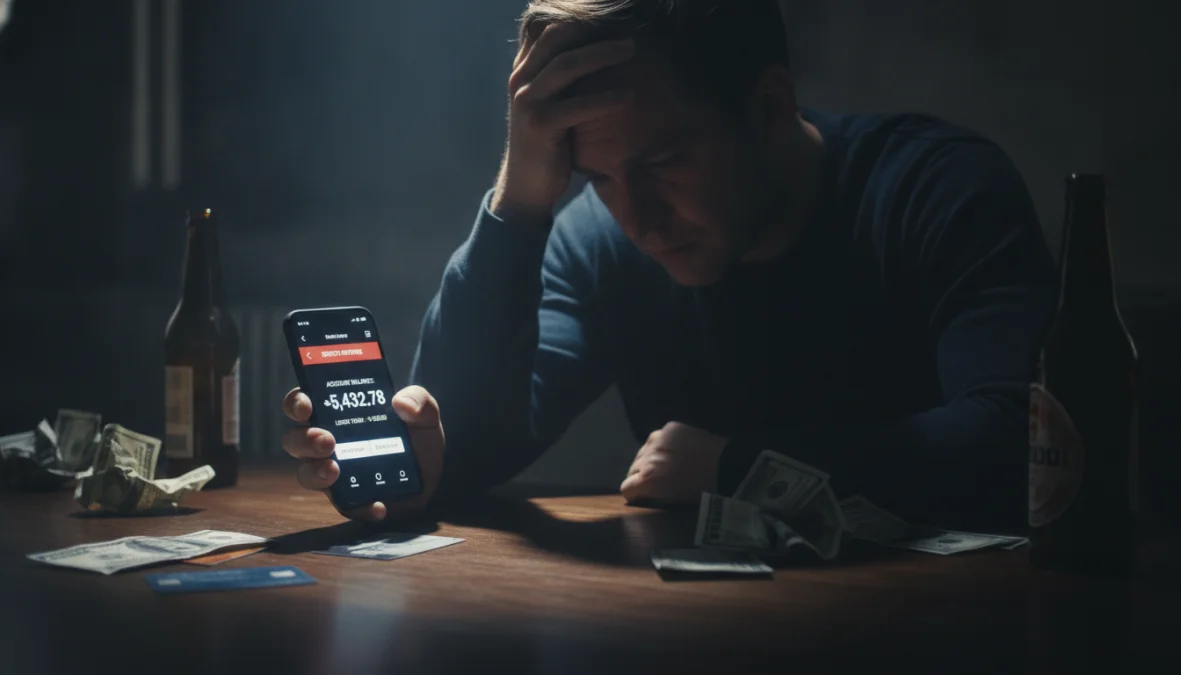
The phone buzzes with another notification: “Live odds updated!” It’s 2 AM, and Jake has already lost $800 tonight chasing his earlier losses. What started as a fun way to make Sunday football more exciting has spiraled into something he can’t control. Jake’s story isn’t unique—it’s becoming alarmingly common as sports betting addiction emerges as one of the fastest-growing public health crises in America. The convenience of placing bets from your couch, combined with relentless marketing and easy access, has created a perfect storm for compulsive gambling disorder that’s destroying lives, draining bank accounts, and tearing families apart.
The Rapid Rise of Sports Gambling Legalization and Its Consequences
When the Supreme Court struck down PASPA in 2018, it opened the floodgates for sports gambling legalization across the United States. What followed was an unprecedented explosion of the betting market. Today, over 30 states have legalized some form of sports wagering, and the industry has ballooned into a $93 billion market. The numbers are staggering—more than 50 million Americans have placed at least one sports bet since legalization, with mobile apps accounting for over 80% of all wagers.
The accessibility is what makes online sports betting risks particularly dangerous. Unlike traditional casinos that require physical travel, betting apps live in your pocket 24/7. Major platforms like DraftKings, FanDuel, and BetMGM have made placing a bet as easy as ordering food delivery. You can wager on everything from game outcomes to whether a specific player will score—all with a few taps on your screen.
But here’s where the problem gambling statistics become truly alarming. Research indicates that approximately 2-3% of the adult population suffers from gambling disorder, but among those who engage in sports betting, that number jumps significantly. A recent study found that 10-15% of sports bettors show signs of problem gambling behavior. The National Council on Problem Gambling reported a 30% increase in calls to their helpline since legalization, with sports betting being the primary concern for most callers.
The aggressive marketing doesn’t help. During major sporting events, viewers are bombarded with betting ads every few minutes. Promotions promising “risk-free bets” and sign-up bonuses create the illusion of easy money, while celebrity endorsements normalize constant wagering. For vulnerable individuals, this constant exposure acts as a trigger, making how legalization increased gambling addiction a question with an increasingly clear answer.

Recognizing Sports Betting Addiction: Symptoms and Warning Signs
Understanding the signs of sports gambling addiction is crucial for early intervention. Sports betting addiction operates through the brain’s dopamine reward system—the same neural pathways involved in substance abuse. Each bet triggers a dopamine release, and over time, bettors need larger wagers or more frequent bets to achieve the same rush. This behavioral addiction shares characteristics with other impulse control disorders, making it just as serious as chemical dependencies.
Key betting addiction symptoms include:
- Chasing losses: Placing increasingly larger bets to recover previous losses, often leading to a downward spiral
- Preoccupation: Constantly thinking about betting, planning the next wager, or reliving past bets
- Increasing frequency: Betting more often than intended or on sports/events you know nothing about
- Secrecy and deception: Hiding betting activity from loved ones, lying about losses, or creating secret accounts
- Financial red flags: Unexplained debt, borrowing money frequently, maxed-out credit cards, or missing bill payments
- Emotional volatility: Extreme mood swings based on betting outcomes, irritability when unable to bet, or depression after losses
- Neglecting responsibilities: Missing work, ignoring family obligations, or withdrawing from social activities
What separates recreational betting from compulsive gambling disorder? The difference lies in control and consequences. A recreational bettor sets limits, sticks to a budget, and stops when they hit their threshold. Someone with a gambling problem cannot stop despite negative effects of legalized sports betting on their life. They continue betting even when facing severe financial consequences gambling brings, relationship damage, or declining mental health. The inability to quit despite wanting to is a hallmark of addiction, similar to challenges many face with substance abuse or other behavioral issues affecting overall wellbeing.

Getting Help: Treatment Options and Recovery Resources
If you’re wondering how to stop sports betting addiction, know that gambling addiction treatment is available and recovery is possible. The first step is acknowledging the problem and seeking gambling addiction help. Like other mental health challenges, sports betting addiction responds well to professional intervention and support systems.
Cognitive Behavioral Therapy (CBT) has proven particularly effective for treating compulsive gambling disorder. CBT helps identify distorted thinking patterns that fuel wagering behavior—like the gambler’s fallacy or the illusion that you can predict outcomes. Therapists work with patients to develop healthier coping mechanisms and address underlying issues like anxiety or depression that may contribute to addictive behaviors.
Sports betting addiction support groups provide peer support crucial for recovery. Gamblers Anonymous follows a 12-step program similar to Alcoholics Anonymous, offering meetings nationwide and online. These groups create accountability and connect individuals with others who understand their struggles. Many participants find that sharing their experiences and hearing recovery stories provides hope and practical strategies for staying bet-free.
Practical treatment options for betting addiction include:
- National Problem Gambling Helpline: Call 1-800-522-4700 for confidential support 24/7
- Self-exclusion programs: Most states and betting platforms offer voluntary exclusion lists that ban you from gambling sites and physical casinos
- Blocking apps: Tools like Gamban and BetBlocker prevent access to gambling websites and apps
- Financial counseling: Specialists can help manage debt and create recovery budgets
- Residential treatment: Inpatient programs provide intensive therapy in a controlled environment for severe cases
Platforms are starting to implement responsible gambling features like deposit limits, time-out periods, and reality checks—though critics argue these are insufficient given the aggressive growth strategies these companies employ. Addiction intervention often requires family involvement, as loved ones can help enforce boundaries and support recovery efforts. Like other mental health challenges, addressing the underlying emotional needs is essential for long-term success.
FAQ: Common Questions About Sports Betting Addiction
How common is sports betting addiction?
Approximately 2-3% of the general adult population experiences gambling disorder, but among active sports bettors, studies suggest 10-15% display problematic gambling behaviors. With over 50 million Americans now engaging in sports betting, this translates to potentially 5-7 million people struggling with varying degrees of sports betting addiction—a mental health crisis that continues growing alongside market expansion.
Is sports betting addiction different from other gambling?
Yes, in several ways. Sports betting feels skill-based, making bettors believe they can predict outcomes through knowledge, which increases engagement. The constant availability through mobile apps makes it more accessible than casino gambling. The integration with sports watching—something many do daily—embeds betting into routine entertainment, blurring the line between recreational activity and compulsive gambling disorder.
Can you recover from gambling addiction?
Absolutely. Many people achieve full recovery from gambling addiction through gambling addiction treatment programs, therapy, and support groups. Sports betting addiction recovery programs report significant success rates, especially when individuals commit to treatment, utilize support networks, and implement practical safeguards like self-exclusion. Recovery is a process, but with proper help and commitment, people rebuild their lives successfully.
What percentage of sports bettors become addicted?
Research suggests approximately 10-15% of sports bettors develop problem gambling behaviors, with 2-5% meeting criteria for severe compulsive gambling disorder. These rates are significantly higher than in the general population. Factors like age (younger bettors show higher rates), frequency of betting, and use of mobile platforms all influence problem gambling statistics and individual addiction risk.
Are online sports betting apps more addictive?
Evidence strongly suggests yes. The 24/7 accessibility, elimination of travel barriers, ease of deposits, live in-game betting options, and constant promotional notifications all contribute to increased online sports betting risks. The immediate gratification and frictionless experience make it easier to lose track of time and money. Studies show problem gambling rates are higher among online bettors compared to those who only bet in physical locations.
The legalization of sports betting promised economic benefits and consumer freedom, but it’s also unleashed a public health emergency that demands urgent attention. As millions of Americans discover they can’t control their wagering behavior, the true cost of this industry becomes clear—measured not just in lost dollars, but in broken families, mental anguish, and ruined lives. If you or someone you know shows signs of sports betting addiction, don’t wait for the problem to worsen. Reach out for help today—recovery is possible, and numerous resources stand ready to support your journey back to control and wellness.