Brain-Computer Interfaces: How Close Are We to Reading Minds?
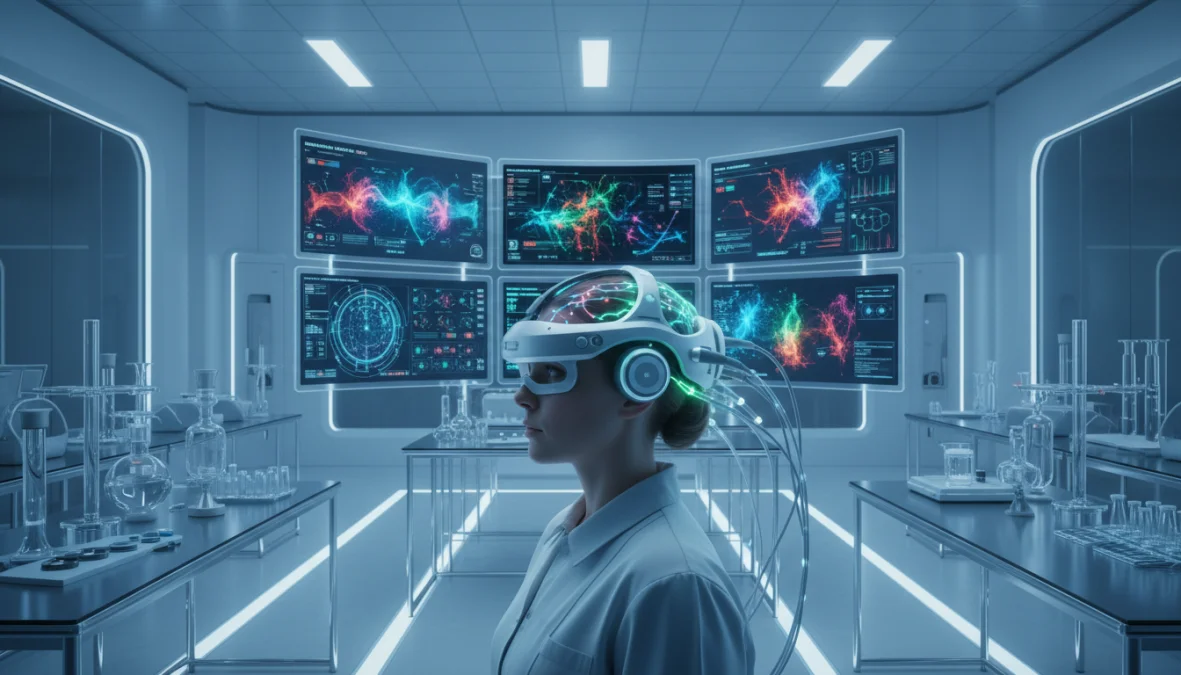
Imagine controlling your smartphone, typing messages, or even moving a robotic arm using nothing but your thoughts. It sounds like science fiction, but brain computer interface technology is making this a reality—faster than most people realize. From helping paralyzed patients regain independence to potentially unlocking new forms of human-machine communication, BCIs are pushing the boundaries of what’s possible. But how close are we really to reading minds? Let’s dive into the fascinating world of neural interface devices and separate fact from fiction.
What Is Brain-Computer Interface Technology and How Does It Work?
At its core, brain computer interface technology creates a direct communication pathway between your brain and external devices. Instead of using your hands or voice, you’re essentially “talking” to machines through your neural signals. The process starts with recording brain activity patterns—electrical impulses generated when neurons fire in your brain.
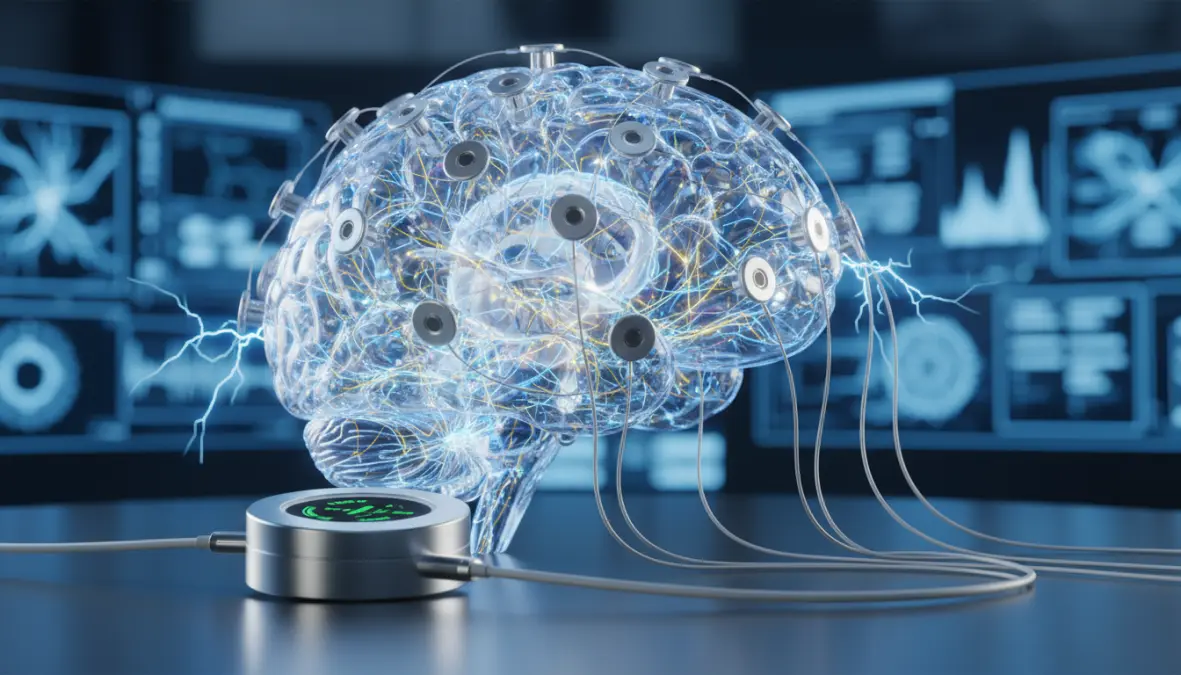
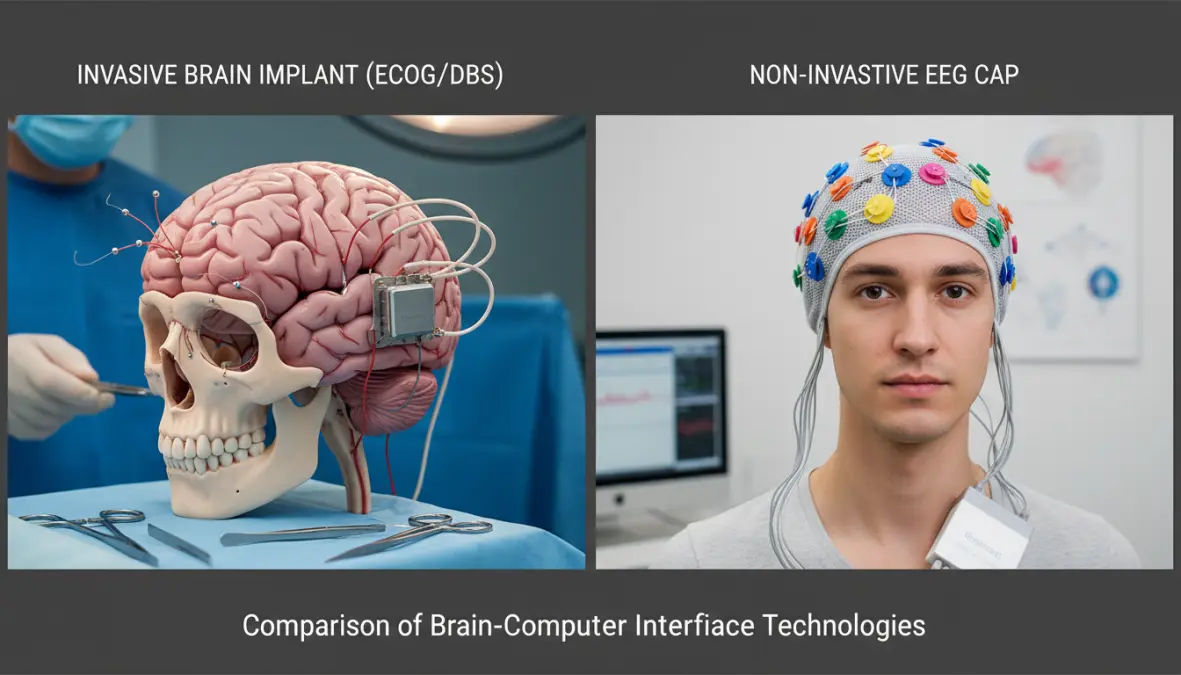
There are several ways to capture these signals. Electroencephalography (EEG) uses sensors placed on the scalp to detect electrical activity, making it the most common non-invasive approach. For higher resolution, some systems use functional MRI (fMRI) or electrocorticography, which places electrodes directly on the brain’s surface. The key difference? Invasive vs non-invasive brain interfaces offer a trade-off between signal quality and surgical risk.
Once captured, brain signal decoding transforms these raw neural signals into actionable commands. Modern neural decoding algorithms powered by machine learning analyze patterns in real-time, learning to distinguish between different intentions—like “move left” versus “move right” or even more complex thoughts. The system essentially learns your unique brain patterns through training sessions, improving accuracy over time thanks to neuroplasticity and adaptive algorithms.
Current Brain-Computer Interface Applications and Recent Advances
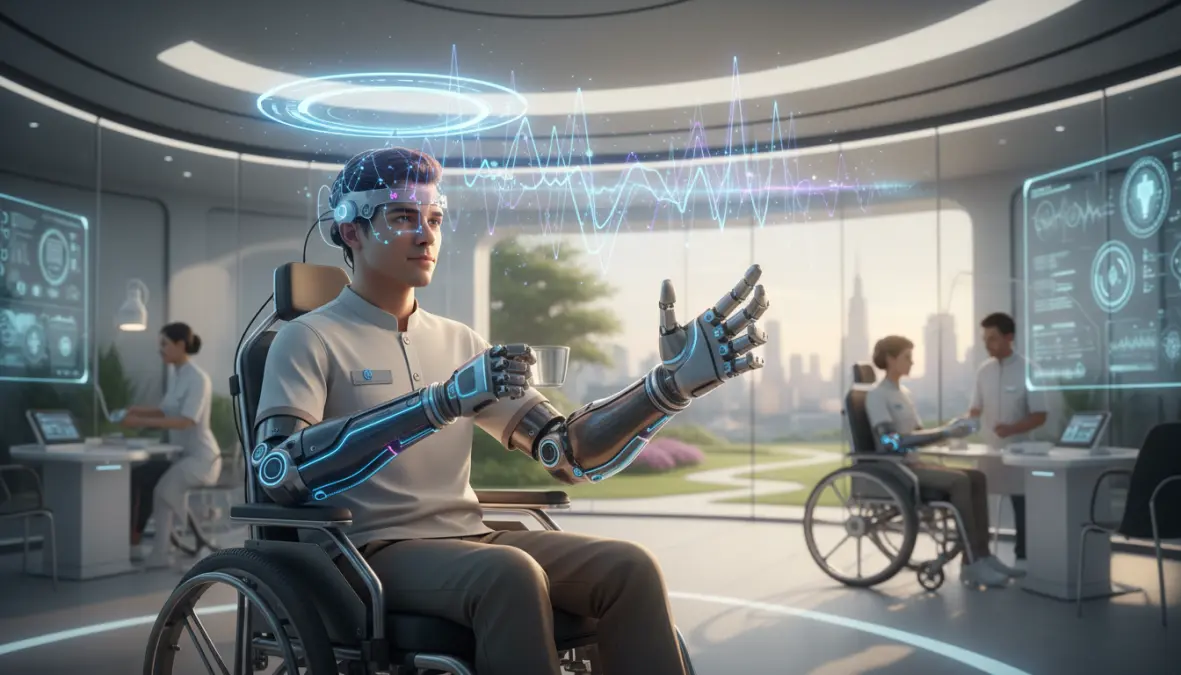
The most transformative brain computer interface applications are happening in medicine. Brain computer interface for paralyzed patients has enabled individuals with complete paralysis to control wheelchairs, computer cursors, and even communicate through text at impressive speeds. In recent trials, patients with locked-in syndrome—able to think but unable to move or speak—have achieved communication rates exceeding 60 words per minute using thought-controlled devices.
Neuroprosthetics represent another breakthrough area. Advanced robotic limbs now respond to neural commands with remarkable precision, allowing amputees to perform delicate tasks like picking up a grape without crushing it. The integration of sensory feedback creates a two-way connection, letting users actually “feel” through their prosthetic limbs.
Companies like Neuralink have captured headlines with their brain implant technology, developing coin-sized devices with thousands of electrode channels. Their first human trials have shown promising results in cursor control and typing. Meanwhile, Synchron has taken a less invasive approach with their Stentrode—a device inserted through blood vessels rather than requiring open brain surgery. Other players like Kernel and CTRL-Labs (acquired by Meta) are pushing BCI technology advances in consumer applications.
Beyond medical uses, researchers are exploring gaming, military applications (pilot training and enhanced situational awareness), and even artistic expression. One artist recently created paintings controlled entirely by brain signals, demonstrating the creative potential of this technology.
Non-Invasive vs. Invasive BCI: Trade-offs and Progress
Non-invasive BCI methods like EEG offer safety and accessibility—no surgery required means broader application and minimal risk. However, they suffer from lower signal quality, as the skull dampens and distorts neural signals. Current limitations of BCI technology for non-invasive systems include slower response times and less precision in decoding complex intentions.
Invasive neural interface devices, on the other hand, provide dramatically better signal resolution by placing electrodes directly in or on the brain. This enables faster communication speeds and more nuanced control. The downside? Surgical risks, potential for infection, and concerns about long-term device stability as scar tissue forms around implants. Recent advances are addressing these issues through biocompatible materials, flexible electrodes that move with the brain, and improved surgical techniques that minimize tissue damage.
Mind Reading Technology: Possibilities, Limitations, and Ethical Considerations
Let’s address the elephant in the room: can we actually read minds? The short answer is “sort of, but not really.” Current mind reading technology is far more limited than Hollywood suggests. What we can do is decode specific, trained intentions—particularly motor commands. If you think about moving your hand, we can detect that intention and translate it into action. Researchers have even reconstructed basic visual images from brain activity, showing rough outlines of what someone is viewing.
However, accessing complex thoughts, memories, or inner monologue remains firmly in science fiction territory. Brain computer interface mind reading accuracy depends heavily on training the system to recognize your specific patterns, and it works best with clear, deliberate intentions rather than passive thoughts. The brain’s complexity, individual variability in neural patterns, and the sheer computational challenge of decoding billions of neurons in real-time present enormous obstacles.
The current limitations of BCI technology include temporal resolution (capturing fast-changing thoughts), spatial resolution (pinpointing activity in small brain regions), and the need for extensive calibration periods. Machine learning approaches using cognitive neuroscience principles are improving, but we’re years—possibly decades—from anything resembling true mind reading.
This brings us to crucial ethical concerns of mind reading technology. Even with limited capabilities, BCIs raise profound questions about mental privacy. Who owns your brain data? Could employers or governments compel BCI use? What safeguards prevent unauthorized access to neural information? The concept of “cognitive liberty”—the right to mental self-determination—becomes critical as these technologies advance.
Consent becomes complicated when dealing with patients who can’t communicate conventionally. There’s also potential for misuse in interrogation, marketing manipulation, or creating cognitive divides between those with and without neural enhancements. Most experts agree that regulation must evolve alongside the technology, establishing clear frameworks for privacy, data security, and acceptable use cases before commercial brain computer interface devices become widespread.
FAQ: Brain-Computer Interface Technology
Can BCI technology actually read your thoughts?
Not in the way you might imagine. Current BCIs can decode specific trained intentions and motor commands, but can’t access your inner monologue, memories, or complex thoughts. They recognize patterns you’ve deliberately trained the system to understand.
Are brain implants safe?
Modern implants have undergone rigorous testing and are generally safe, though any brain surgery carries risks. Non-invasive options eliminate surgical risks entirely but offer lower performance. Long-term studies on implant durability and biocompatibility are ongoing.
How much does BCI technology cost?
Medical-grade systems can cost $100,000-$400,000+ including surgery and support. Research-grade EEG systems range from $1,000-$50,000. Consumer-level devices for basic applications start around $200-$500, though capabilities are limited.
What diseases can BCI help treat?
BCIs show promise for ALS, spinal cord injuries, stroke rehabilitation, locked-in syndrome, paralysis, and limb loss. Research is exploring applications for epilepsy, depression, Parkinson’s disease, and memory disorders.
When will BCI be available to consumers?
Basic consumer BCIs exist now for simple tasks. More sophisticated future applications of brain computer interfaces—seamless communication, memory enhancement, direct device control—will likely require another 5-15 years of development for safe, affordable, mainstream adoption.
The journey toward practical brain-computer interfaces is accelerating, driven by advances in machine learning neural data processing, materials science, and our understanding of the brain itself. While we’re not reading minds yet, we’re decoding intentions, restoring lost abilities, and opening entirely new channels of human-computer interaction. The question isn’t whether BCIs will transform our lives, but how we’ll navigate the ethical complexities they bring. As this technology moves from labs to living rooms, staying informed and engaged in the conversation about its responsible development has never been more important.