Biohacking for Beginners: Science-Backed Ways to Optimize Your Health

Your body is the most sophisticated piece of technology you’ll ever own—so why not optimize it? Biohacking basics aren’t about turning yourself into a cyborg or spending thousands on experimental treatments. Instead, they’re about using science-backed strategies to feel sharper, sleep better, and perform at your peak. Whether you’re wondering how to start biohacking as a beginner or simply looking for practical ways to upgrade your health, this guide breaks down exactly what works—and what’s actually safe for newcomers.
What Is Biohacking? Understanding the Basics
At its core, biohacking for beginners is the practice of making small, incremental changes to your biology to achieve measurable improvements in health, cognition, and performance. The term might sound like something from a sci-fi novel, but it’s grounded in physiology, nutrition science, and behavioral psychology. Think of it as self-experimentation meets evidence-based wellness—tracking what you eat, how you sleep, and how your body responds, then adjusting accordingly.
The biohacking movement emerged from Silicon Valley’s quantified-self culture, but you don’t need a tech background to benefit from biohacking methods. While some practitioners explore extreme interventions like implantable devices or peptide injections, beginner-friendly approaches focus on three accessible pillars: optimizing nutrition through strategic eating patterns, enhancing lifestyle habits like sleep and stress management, and leveraging basic technology such as wearable health devices and free tracking apps. The beauty of biohacking basics is that even simple tweaks—adjusting your bedtime, trying intermittent fasting, or taking a cold shower—can produce noticeable results within weeks.

Science-Backed Biohacking Methods for Beginners
Ready to dive into health optimization techniques that actually work? These beginner-friendly biohacking techniques are backed by research and require minimal investment. The key is consistency—your body responds to patterns, not one-off experiments.
Sleep Optimization and Circadian Rhythm Hacking
Your circadian rhythm controls everything from hormone production to immune function, making sleep optimization the foundation of any beginner biohacking guide. Start by maintaining a consistent sleep schedule—going to bed and waking at the same time daily helps synchronize your internal clock. Keep your bedroom cool (around 65-68°F) since core body temperature naturally drops during sleep, and consider blackout curtains or a sleep mask to eliminate light pollution.
Blue light blocking glasses worn 2-3 hours before bed can increase melatonin production by reducing exposure to screen light that mimics daylight. For sleep optimization, try natural supplements like magnesium glycinate (200-400mg) or low-dose melatonin (0.3-1mg) about an hour before bed. Track your sleep quality using free apps or basic wearables to identify patterns—many people discover they’re getting far less deep sleep than they thought, prompting adjustments to evening routines.
Nutrition and Metabolic Optimization
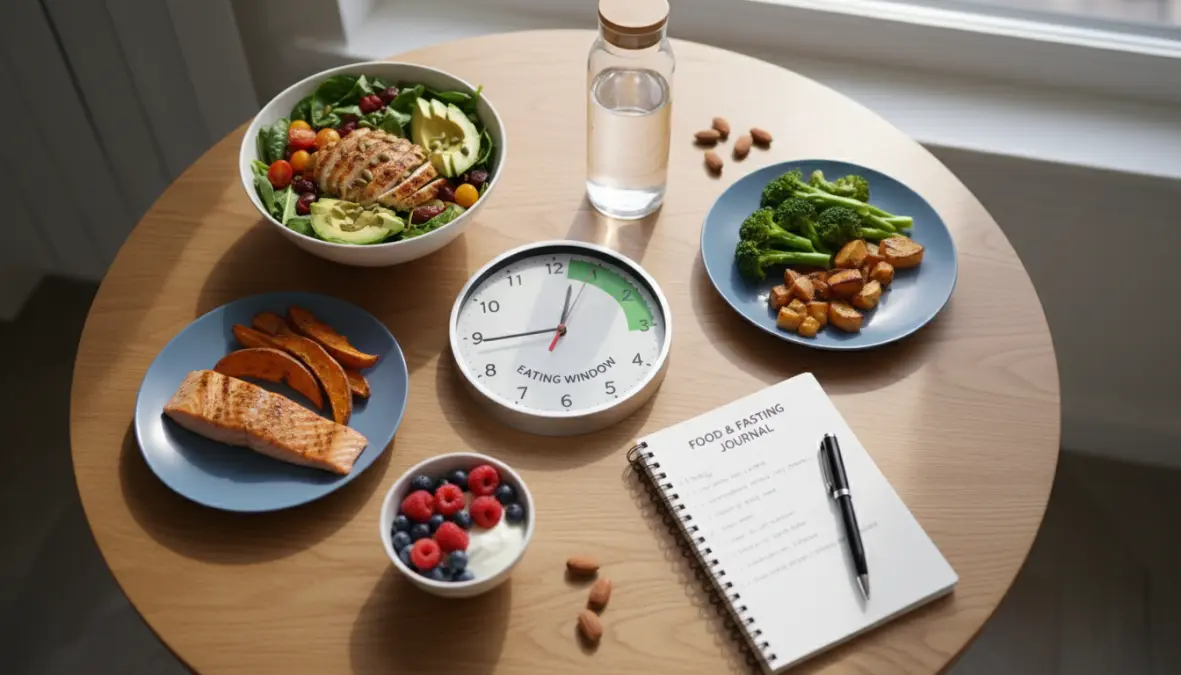
When exploring what is biohacking and how to start, intermittent fasting (IF) often tops the list of accessible interventions. A simple 16:8 protocol—fasting for 16 hours, eating within an 8-hour window—can improve insulin sensitivity, enhance cellular repair through autophagy, and simplify nutrient tracking. Start with a 12-hour overnight fast and gradually extend it as your body adapts.
Focus on optimize your health naturally by eliminating ultra-processed foods loaded with seed oils, added sugars, and artificial ingredients. Strategic hydration matters too—aim for half your body weight in ounces daily, with electrolytes added if you’re fasting or exercising intensely. Some biohackers swear by bulletproof coffee (coffee blended with grass-fed butter and MCT oil) during fasting windows to maintain ketone production while suppressing appetite. The goal isn’t perfection but consistent improvement in food quality and timing.
Movement, Recovery, and Stress Management
Cold exposure therapy offers powerful benefits for minimal cost—simply ending your shower with 30-90 seconds of cold water can boost norepinephrine, improve circulation, and enhance resilience to stress. As you adapt, work up to 2-3 minutes. This practice activates brown fat, which burns calories to generate heat, and may improve immune function according to research on the Wim Hof Method.
Speaking of Wim Hof, controlled breathwork techniques—like box breathing (4-count inhale, hold, exhale, hold) or cyclic hyperventilation followed by breath retention—can rapidly shift your nervous system from sympathetic (fight-or-flight) to parasympathetic (rest-and-digest) dominance. For movement, alternate between high-intensity interval training (HIIT) for metabolic conditioning and steady-state cardio for aerobic base building. Don’t overlook grounding or earthing—walking barefoot on grass or soil—which some studies suggest may reduce inflammation by transferring electrons from the earth. Combine these with even 10 minutes of daily meditation using apps like Insight Timer for cognitive enhancement and stress reduction.

Getting Started: Your First 30 Days of Biohacking
The biggest mistake beginners make is trying to overhaul everything at once, leading to overwhelm and burnout. Instead, use this beginner biohacking guide to phase in changes gradually, allowing your body and mind to adapt while you collect data on what actually moves the needle for you.
Weeks 1-2: Foundation Phase
Focus exclusively on sleep and hydration. Set a consistent bedtime alarm, eliminate screens 30 minutes before sleep, and track your sleep quality in a simple journal or free app. Simultaneously, commit to proper hydration—start your day with 16oz of water and track your daily intake. These two variables alone can dramatically improve energy, mood, and cognitive function.
Weeks 3-4: Expansion Phase
With your sleep and hydration dialed in, add one nutritional intervention (like a 12-14 hour overnight fast) and one movement practice (such as three 20-minute walks weekly or ending showers with cold exposure). Continue tracking—note energy levels, mental clarity, physical performance, and mood. Many free apps can log these metrics, or simply use a notes app with dated entries.
Common pitfalls to avoid: Don’t start five supplements at once—you won’t know what’s working. Avoid comparing your week-one results to someone else’s year-three transformation. Remember that science-backed ways to optimize health require consistency over weeks, not days. If something feels unsustainable, scale it back—biohacking should enhance your life, not become another source of stress. These simple biohacking strategies for better health compound over time, creating a personalized optimization protocol that fits your unique biology and lifestyle.
FAQ: Common Questions About Biohacking
Is biohacking safe for beginners?
Absolutely, when you stick to evidence-based biohacking methods for beginners like sleep optimization, basic fasting protocols, and natural supplements. Always consult a healthcare provider before making significant dietary changes or adding supplements, especially if you have underlying health conditions.
How much does biohacking cost?
Getting started costs nothing—sleep schedule adjustments, cold showers, breathwork, and intermittent fasting are free. Basic wearable health devices like fitness trackers start around $30-50, but even smartphone apps can track most metrics. Avoid the trap of thinking you need expensive nootropics or gadgets initially.
How long before seeing results?
Most people notice improved energy and sleep quality within 1-2 weeks of consistent practice. Metabolic changes from intermittent fasting typically become apparent around week 3-4. Cognitive benefits from meditation and stress management build more gradually over 4-8 weeks. Track your baseline and progress to identify subtle improvements.
Do I need expensive equipment?
No. While devices can provide helpful data, the most impactful biohacking tips require only consistency and self-awareness. Start with free methods, measure results, and only invest in tools or supplements once you’ve maximized the basics.
Biohacking isn’t reserved for tech billionaires or fitness extremists—it’s simply the practice of treating your body like the remarkable, upgradable system it is. By starting with these biohacking basics for optimal performance and building gradually, you’ll develop a personalized toolkit of strategies that deliver measurable improvements in how you feel, think, and perform. The best biohack is the one you’ll actually stick with, so start small, track honestly, and enjoy the process of becoming the healthiest version of yourself.