Water Rights Conflicts: Understanding the Global Battle Over Freshwater Access
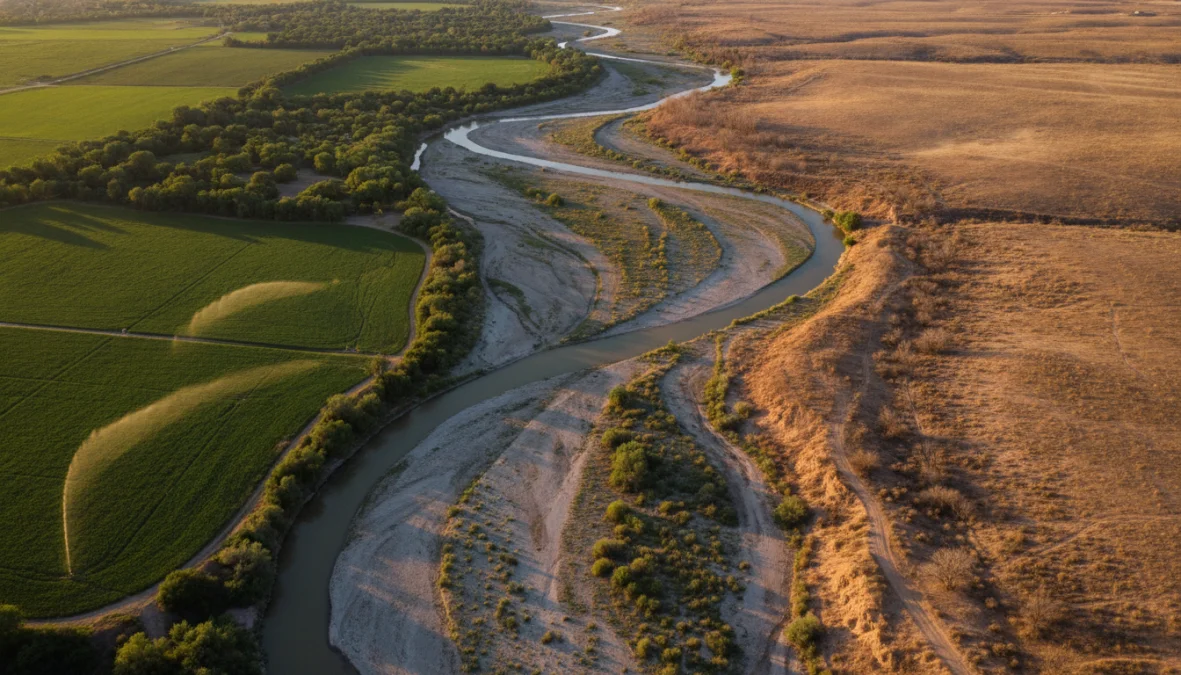
Picture this: two countries sharing a river, each claiming the right to divert its waters. Farms going dry while cities expand their reservoirs. Communities watching their wells run empty as corporations pump groundwater for profit. These aren’t dystopian scenarios—they’re real water rights conflicts happening right now across the globe. As climate change intensifies and populations boom, the battle over who controls our planet’s most precious resource is heating up, and the stakes couldn’t be higher.
Understanding Water Rights Conflicts in an Era of Freshwater Scarcity
At its core, water rights conflicts refer to disputes over who has legal authority to use, control, or manage water resources. These battles emerge from a simple yet troubling reality: while water covers 71% of Earth’s surface, only 2.5% is freshwater, and just 1% is accessible for human use. With over 2 billion people already living in areas experiencing high water stress, according to UN estimates, the situation is becoming critical.
The surge in water access disputes stems from a perfect storm of pressures. Climate change is disrupting traditional precipitation patterns, creating prolonged droughts in some regions while flooding others. Meanwhile, global population growth—projected to reach 9.7 billion by mid-century—means more mouths to feed and more competition for limited supplies. Rapid urbanization compounds the problem, as cities demand massive quantities of water while traditional agricultural communities struggle to maintain their historical claims.
These conflicts manifest at multiple scales. Locally, you’ll find farmers vs cities water allocation conflicts that pit rural producers against expanding metropolitan areas. Regionally, interstate water disputes create tension between neighboring states or provinces. Internationally, transboundary water conflicts can threaten diplomatic relations and even spark military tensions. Understanding how climate change affects water rights is crucial, as shifting rainfall patterns and glacier melt force communities to renegotiate century-old agreements. For more on these emerging challenges, check out our article on global water scarcity predictions.
Major Categories of Water Access Disputes
The landscape of water resource management conflicts is complex and multifaceted. Let’s break down the main categories where these battles are being fought, from international river basins to underground aquifers.
Transboundary and Interstate Water Conflicts
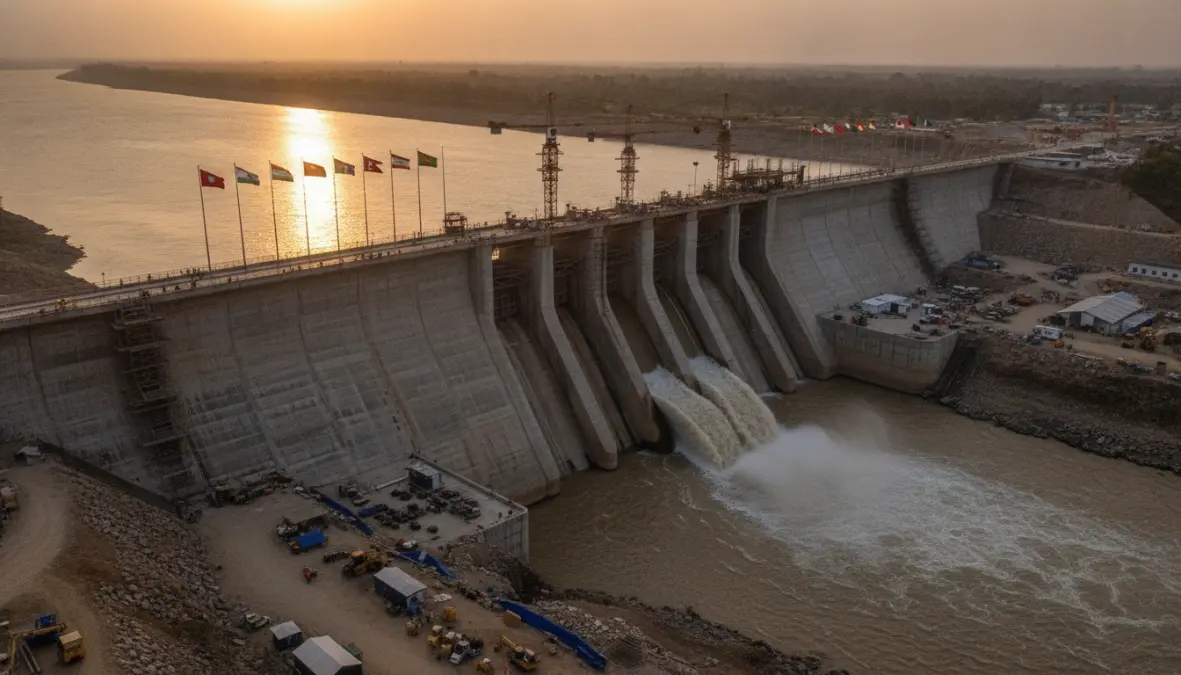
Transboundary water conflicts represent some of the most politically charged disputes on the planet. Consider the Nile River, where eleven countries share its waters, but Egypt and Sudan claim historical rights that clash with Ethiopia’s ambitious Grand Ethiopian Renaissance Dam project. Each nation argues its survival depends on controlling the river’s flow, creating a diplomatic powder keg.
Similarly, the Tigris-Euphrates basin sees Turkey, Syria, and Iraq locked in ongoing disputes, while the Mekong River generates tension among six Southeast Asian nations. These conflicts over shared river basins involve complex questions about hydrological boundaries, historical precedent, and development rights.
In the United States, interstate water disputes are equally contentious. The Colorado River, which serves seven states and 40 million people, has become a flashpoint as Lake Mead and Lake Powell hit record lows. States can’t agree on allocation cuts, with the question of who owns water rights during drought becoming increasingly urgent. The legal framework for transboundary water disputes often relies on treaties and compacts, but these agreements frequently fail to anticipate extreme climate scenarios. International water treaties and agreements like the 1997 UN Watercourses Convention attempt to establish principles, yet only 36 countries have ratified it, limiting its effectiveness. These geopolitical tensions mirror broader supply chain disruptions discussed in our analysis of global geopolitical shifts.
Agricultural vs Urban Water Rights and Groundwater Disputes
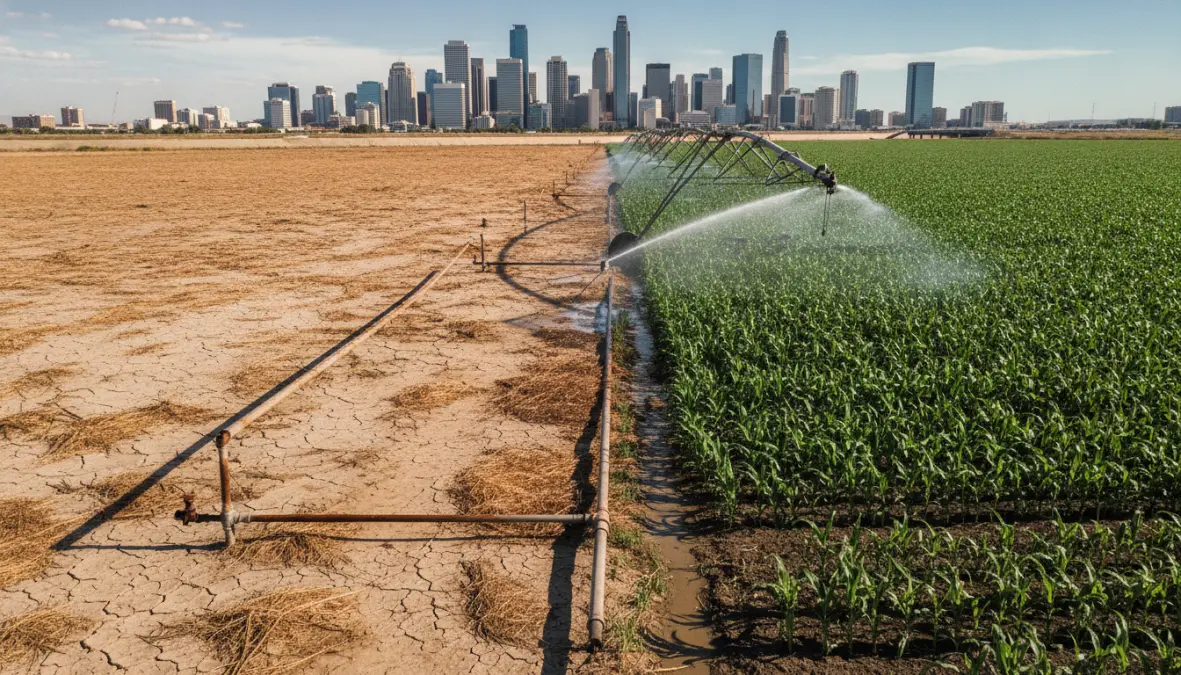
Perhaps nowhere is the tension more visible than in the clash between agricultural water rights and urban demands. Agriculture consumes roughly 70% of global freshwater, yet cities are growing at unprecedented rates, creating inevitable collisions over allocation.
In the American West, two competing legal frameworks govern these disputes: riparian rights, which grant water access to landowners adjacent to water bodies, and “prior appropriation” doctrines that follow a “first in time, first in right” principle. California’s Central Valley exemplifies this struggle, where farmers holding century-old water rights clash with municipalities serving millions of residents. During droughts, the question becomes existential: should water sustain food production or urban populations?
Groundwater depletion adds another layer of complexity. Unlike surface water, aquifers are invisible, making regulation difficult and overuse common. The Ogallala Aquifer beneath the Great Plains is being drained eight times faster than nature can replenish it. In India, aquifer depletion has reached crisis levels, with farmers drilling deeper wells while water tables plummet—a classic tragedy of the commons scenario.
The rise of water privatization further complicates matters. When corporations acquire groundwater rights, they often prioritize profit over community needs, sparking fierce resistance. These disputes raise fundamental questions about whether water should be treated as a commodity or a human right. Solutions like those explored in vertical farming technologies might help reduce agricultural water demands in the future.
Water Resource Management: Solutions and Future Outlook
Addressing water rights conflicts requires innovative approaches that balance competing demands while ensuring long-term sustainability. Fortunately, solutions to freshwater access conflicts are emerging from multiple fronts.
Technological innovations offer promising avenues. Desalination plants, though energy-intensive, provide new freshwater sources for coastal regions. Israel now meets over 50% of its domestic needs through desalination, demonstrating viability at scale. Advanced water recycling transforms wastewater into potable supplies, while precision agriculture technologies drastically reduce farming’s water footprint through drip irrigation and soil moisture sensors.
Drought management strategies are evolving beyond simple rationing. Modern water allocation policies incorporate flexible, market-based trading systems that allow temporary transfers between users during shortages. Australia’s Murray-Darling Basin offers a model where water rights can be bought and sold, creating economic incentives for conservation while maintaining production.
Strengthening the legal framework for transboundary water disputes remains critical. Regional agreements like the International Commission for the Protection of the Rhine demonstrate how cooperative governance can transform conflict into collaboration. Joint management bodies that include all stakeholders—governments, farmers, indigenous communities, and urban utilities—create forums for negotiation before disputes escalate.
Looking ahead, preventing water security challenges requires treating water governance as integral to climate adaptation planning. This means updating centuries-old water rights systems to reflect current realities, investing in infrastructure that reduces losses (leaky pipes waste an estimated 45 billion liters daily worldwide), and recognizing that water scarcity crisis solutions demand both technological innovation and political will.
The battle over freshwater scarcity will define much of this century’s geopolitics and social stability. Yet it’s not inevitable that competition leads to conflict. By embracing collaborative management, investing in efficiency, and acknowledging water as both an economic resource and a fundamental human right, we can navigate these challenges. The question isn’t whether we’ll face difficult choices about water allocation—it’s whether we’ll make those choices through cooperation or confrontation. The time to decide is now, before the wells run completely dry.