Vertical Farming Cities: How Urban Agriculture Is Revolutionizing Food Security
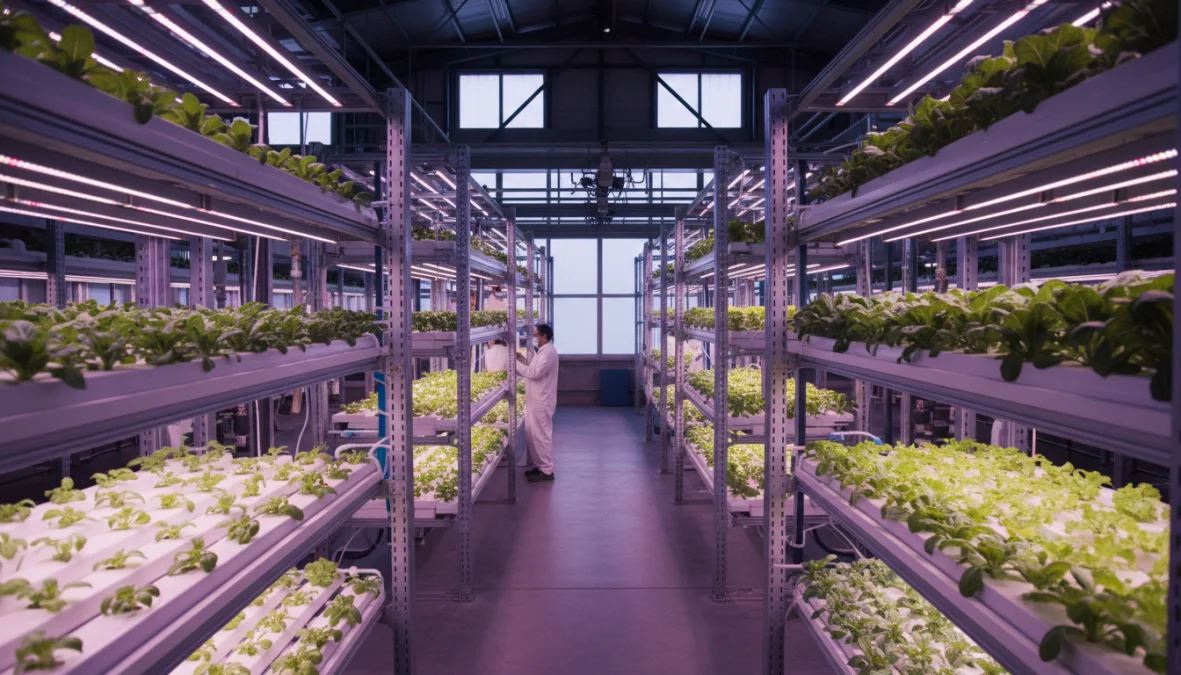
Picture this: towering shelves of vibrant greens growing inside a former warehouse in Newark, lettuce sprouting from climate-controlled shipping containers in Dubai, and entire city blocks in Singapore producing fresh produce without a single patch of soil. This isn’t science fiction—it’s the emerging reality of vertical farming cities, where urban spaces are being transformed into productive agricultural hubs. As global populations surge toward 10 billion and climate change threatens traditional farming, cities worldwide are turning upward—literally—to solve one of humanity’s oldest challenges: feeding ourselves.
What Is Vertical Farming and Why Cities Are Embracing It
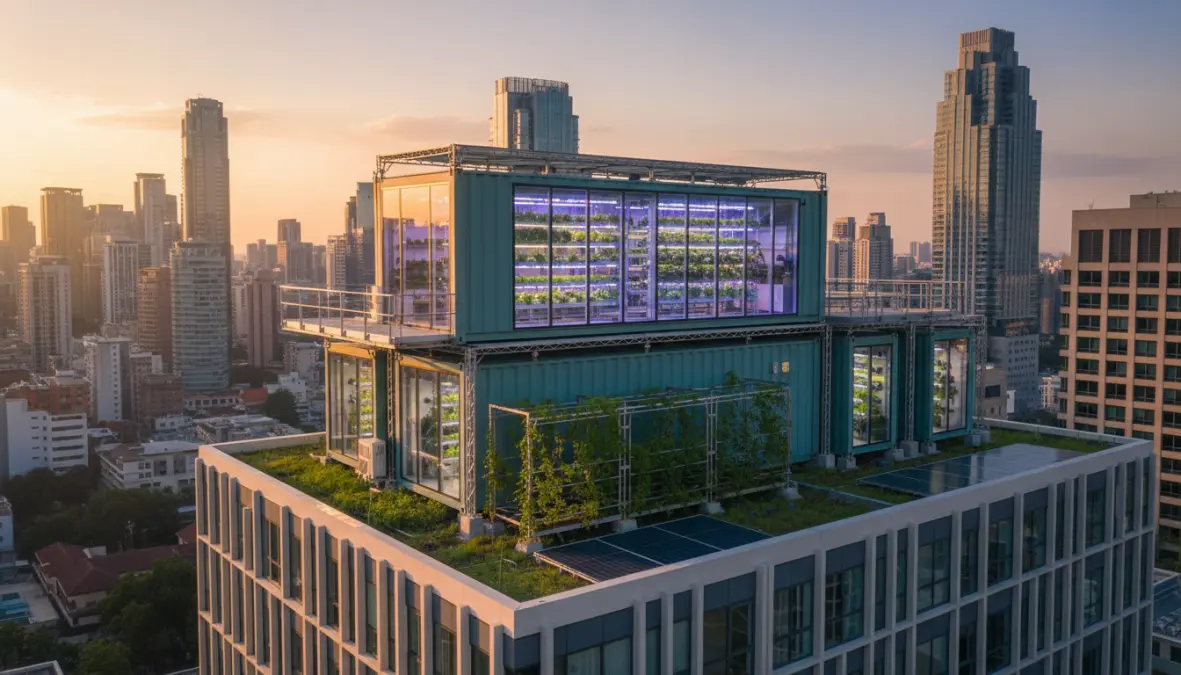
At its core, vertical farming cities represent a radical reimagining of agriculture. Instead of sprawling horizontally across vast rural landscapes, urban vertical farming stacks crops in multi-level systems inside buildings, warehouses, and even abandoned urban spaces. This approach relies on controlled environment agriculture, where every variable—from temperature and humidity to nutrients and light—is precisely calibrated for optimal plant growth.
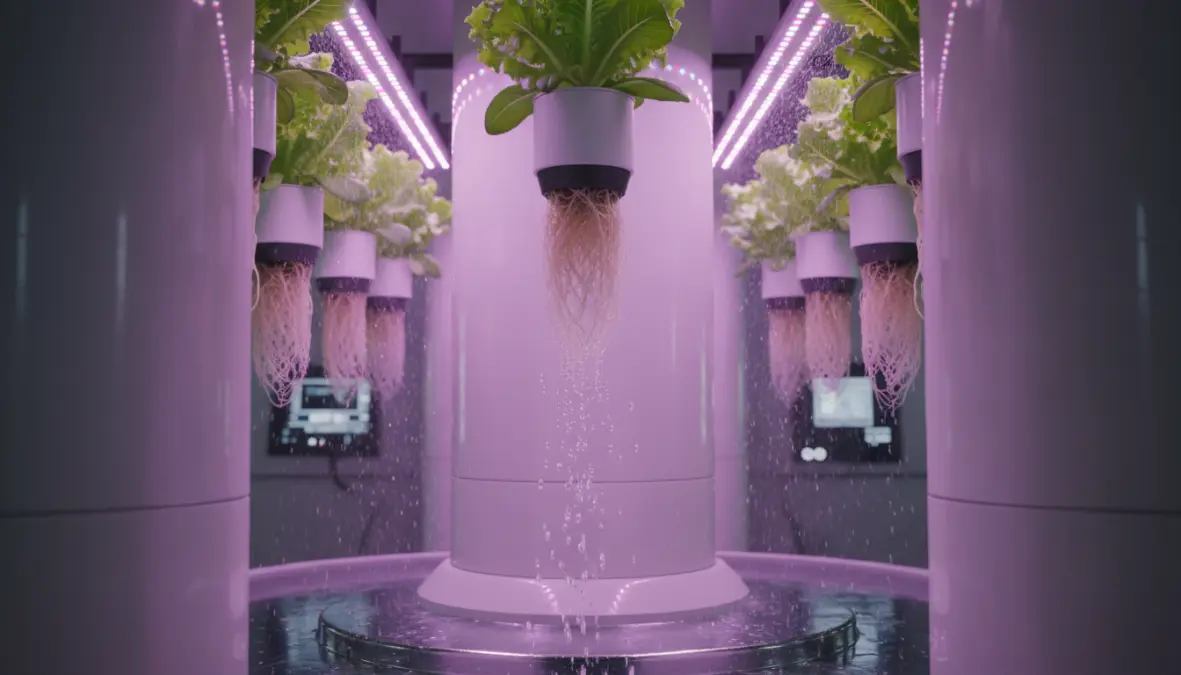
The technology stack is equally impressive. Hydroponic systems deliver nutrients directly to plant roots through water solutions, eliminating soil entirely. Aeroponics takes this further by misting roots suspended in air, using even less water and accelerating growth rates. Meanwhile, LED grow lights provide custom light spectrums that maximize photosynthesis while consuming a fraction of the energy traditional greenhouse lighting requires.
The numbers tell a compelling story: the vertical farming market has been growing exponentially, with projections suggesting massive expansion over the coming decade. Cities are investing because the model addresses multiple urban challenges simultaneously. Singapore, which imports 90% of its food, has made urban food production a national priority. Dubai’s harsh desert climate makes traditional agriculture nearly impossible, yet vertical farms are flourishing. Tokyo, facing severe space constraints, sees vertical farming as essential infrastructure. These pioneering vertical farming cities aren’t experimenting—they’re building food security into their urban DNA.
The Benefits and Challenges of Urban Food Production
Understanding how can cities implement vertical farming requires examining both its transformative advantages and sobering limitations. The technology promises much, but delivery depends on navigating significant economic and practical hurdles.
Key Advantages for Urban Communities
The benefits of vertical farming in urban areas extend far beyond novelty. First and foremost, food miles reduction dramatically slashes carbon emissions—produce grown downtown travels blocks, not thousands of miles. One vertical farm in London delivers salad greens to restaurants within two hours of harvest, compared to the week-long journey imported greens typically make.
Water efficiency represents another game-changer. Vertical farms urban areas use approximately 95% less water than conventional agriculture through recirculating systems that capture and reuse every drop. In water-stressed cities, this isn’t just efficient—it’s essential. Year-round production eliminates seasonal limitations, providing consistent supply regardless of weather disruptions that increasingly plague traditional farms.
City food security gains resilience as local food production reduces dependency on vulnerable global supply chains. The pandemic exposed these fragilities; vertical farms offered continuity when international shipments faltered. Additionally, climate controlled farming eliminates pesticide needs, produces cleaner food, and creates urban jobs in unexpected sectors. Abandoned warehouses become productive assets, transforming economic dead zones into agricultural innovation hubs.
Current Limitations and Economic Barriers
Yet can vertical farms feed entire cities? Current evidence suggests: not entirely, at least not yet. Energy consumption remains the elephant in the room. Those energy-efficient LEDs still require substantial electricity—ironically, farms powered by fossil fuel grids may generate higher carbon footprints than transported conventional produce. The cost of vertical farming in cities creates significant barriers, with initial capital investments running into millions for commercial-scale operations.
Crop variety presents another constraint. Most vertical farms focus on leafy greens, herbs, and microgreens—high-value crops that justify the expense. Staple calories like wheat, rice, or corn remain economically unviable in vertical systems. Scalability challenges persist; replicating small successful operations at city-feeding scale requires technological breakthroughs not yet achieved.
Profitability remains elusive for many operators. While premium restaurants pay top dollar for ultra-fresh basil, competing with conventional grocery store prices for lettuce proves difficult. The technology must become significantly cheaper before sustainable urban farming transitions from boutique solution to mainstream infrastructure.
Real-World Applications and Future Outlook
Indoor agriculture cities aren’t theoretical—they’re operational today, providing blueprints for tomorrow’s food systems. AeroFarms in Newark, New Jersey, operates one of the world’s largest vertical farms in a former steel mill, producing over two million pounds of greens annually. Their proprietary aeroponic system grows crops in half the time of traditional methods while using zero pesticides.
Plenty, based in San Francisco, has attracted hundreds of millions in investment with farms that produce produce with flavor profiles tailored through environmental manipulation. Their vertical farming technology for urban environments integrates AI-powered systems that continuously optimize growing conditions, learning from each harvest cycle. Sky Greens in Singapore pioneered the hydraulic-driven rotating vertical farm, using gravity and water to power its mechanisms—a low-energy solution perfectly suited to tropical climates.
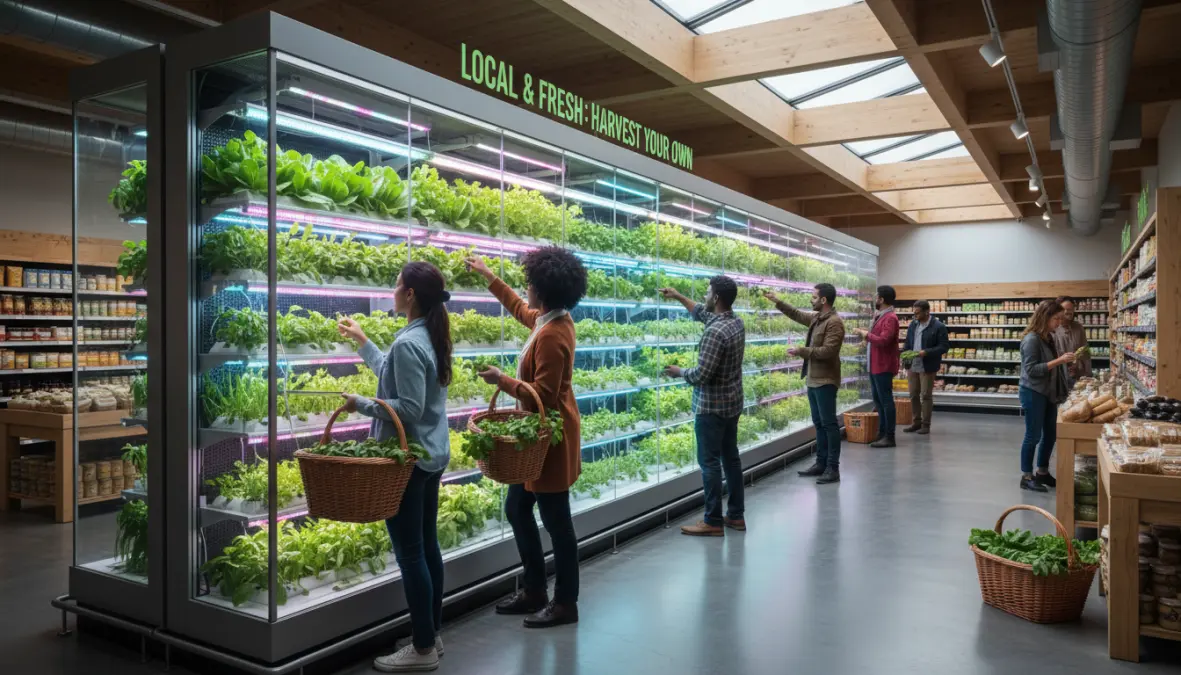
Berlin’s Infarm takes a distributed approach, installing modular growing units directly in supermarkets and restaurants. This hyper-local model eliminates transportation entirely—customers literally pick produce from farms inside the store. It’s a glimpse of how local food systems might integrate seamlessly into urban retail environments.
Looking forward, the best cities for vertical farming implementation share common traits: high population density, limited arable land, water scarcity, or extreme climates. Integration is accelerating—new residential and commercial buildings in cities like Seoul and Amsterdam are incorporating vertical farming into their designs from the ground up. Partnerships between vertical farms and restaurant groups or supermarket chains are creating stable demand channels that improve financial viability.
Technological innovation continues rapidly. Renewable energy integration is reducing carbon footprints; solar panels and wind power are making farms genuinely sustainable. Automation and robotics are driving down labor costs, while AI optimization squeezes more productivity from every square foot. Some researchers are even exploring vertical systems for protein production through insects or cellular agriculture.
The realistic vision? Vertical farming cities likely won’t achieve complete food self-sufficiency, but they can provide meaningful supplementation—perhaps 10-20% of fresh produce needs—while dramatically enhancing urban resilience. As technology improves and costs decline, that percentage will grow. The revolution isn’t about replacing traditional agriculture entirely; it’s about creating complementary systems that make urban food production a standard component of city infrastructure, as common as water treatment plants or power grids.
The farms growing upward in our cities today are seeds of a more resilient food future—one where the journey from farm to table is measured in city blocks, not continents, and where urban environments don’t just consume resources, but produce them.