Fascia Release Techniques: Complete Guide to Self-Myofascial Release for Pain Relief

Ever feel like your muscles are wrapped in tight plastic wrap? That uncomfortable sensation of stiffness, limited range of motion, and persistent aches could be your fascia crying out for attention. Fascia release techniques offer a powerful, accessible way to tackle these issues without relying solely on expensive therapy sessions. Whether you’re dealing with chronic back pain from desk work or post-workout soreness, understanding how to release your fascia can be a game-changer for your overall mobility and comfort.
Understanding Fascia and Why Release Techniques Matter
Think of fascia as the body’s internal spider web—a continuous network of connective tissue that wraps around every muscle, organ, and nerve in your body. When healthy, this tissue is flexible and slides smoothly, allowing unrestricted movement. But here’s the catch: repetitive movements, poor posture, injuries, or even prolonged sitting can cause fascial adhesions—areas where the tissue becomes sticky, thick, and restricted.
These adhesions are like knots in a rubber band. They restrict movement, create tension patterns, and trigger pain signals throughout your body. That nagging shoulder pain? Could be fascial restrictions from hunching over your laptop. Those tight hamstrings that won’t loosen despite stretching? Often fascial adhesions limiting tissue mobility.
The benefits of muscle fascia treatment extend far beyond temporary pain relief. Regular fascial release improves blood flow, enhances flexibility, reduces inflammation, and can even improve athletic performance. By addressing the root cause of many movement restrictions, you’re not just masking symptoms—you’re actively restoring your body’s natural function. This mind-body connection is similar to approaches used in somatic therapy for trauma, where releasing physical tension can have profound effects on overall well-being.
Most Effective Fascia Release Techniques for Pain Relief
Let’s get practical. The beauty of self myofascial release is that you can perform these techniques at home with minimal equipment. Here are the most effective approaches that deliver real results.
Foam Rolling and Self-Massage Methods
The foam roller is your entry-level fascia release tool, and it’s remarkably effective when used correctly. The key principles: slow movement, moderate pressure, and patience. Unlike traditional stretching, foam rolling techniques work by applying sustained pressure to trigger the fascia to release and reorganize.

Start with these guidelines: roll slowly (about one inch per second), spend 30-90 seconds on each area, and use your body weight to control pressure intensity. For beginners learning how to do self myofascial release at home, focus on major muscle groups first—your IT band, quads, calves, and upper back are excellent starting points.
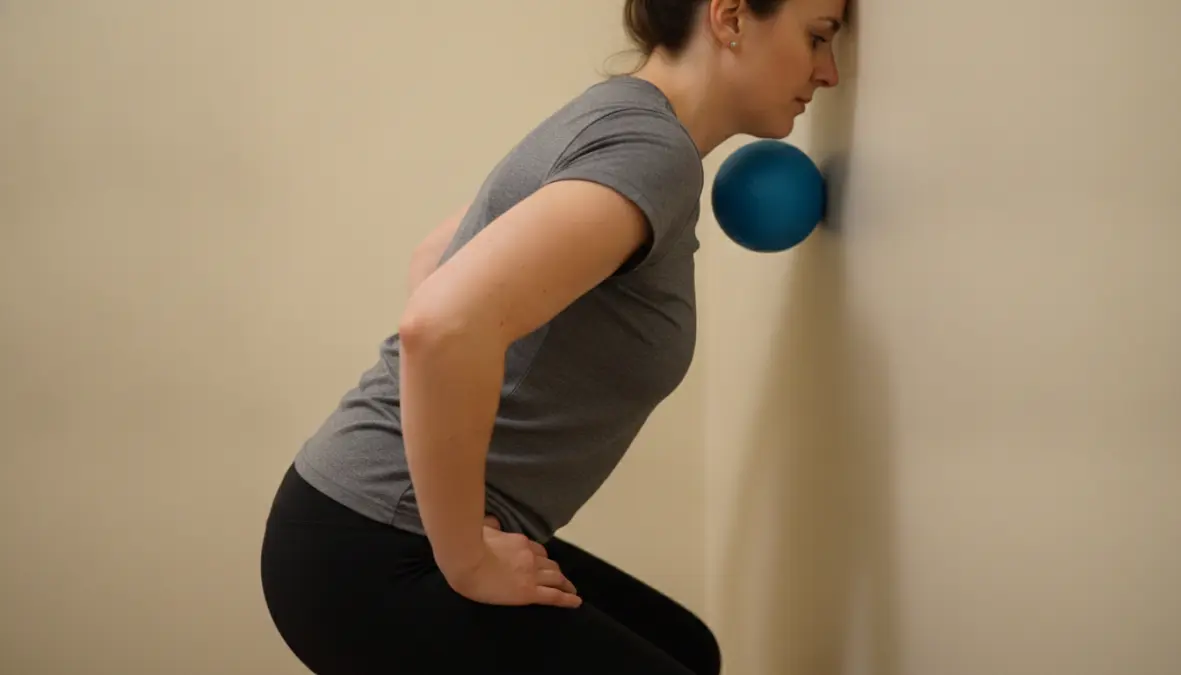
For more targeted work, massage balls excel at reaching smaller areas like the feet, shoulders, and glutes. A lacrosse ball or specialized myofascial release tools can pinpoint specific adhesions that a foam roller might miss. Place the ball between your body and a wall or the floor, then apply gentle pressure while making small, controlled movements. This tissue mobilization technique is particularly effective for the best fascia release techniques for back pain—try placing a ball on either side of your spine and slowly rolling up and down.
Trigger Point Therapy and Targeted Fascia Stretching
Trigger point therapy takes fascia release to a deeper level. Trigger points are hyperirritable spots within taut bands of muscle that create referred pain patterns. You’ll recognize them as those tender knots that make you wince when pressed.
To identify trigger points, slowly explore an area with your fingers or a massage tool. When you find a spot that’s noticeably more tender or creates a referral sensation elsewhere, you’ve found one. Apply steady pressure (about 70% of your maximum tolerance) for 30-90 seconds until you feel the tissue soften and the pain diminish. This is myofascial release for chronic pain relief at its most targeted.
Complement this with fascia stretching—but not the bouncy stretches from high school gym class. Fascial stretching involves longer holds (2-5 minutes) with gentle, sustained tension. Dynamic fascial stretching incorporates slow, controlled movements through your full range of motion, while static holds allow the tissue time to reorganize. For fascia release techniques for tight muscles, try a standing quad stretch where you hold the position while gently rocking forward and back, creating a wave-like tension through the front of your leg.
Best Practices and Common Mistakes to Avoid
Like any effective technique, fascia release requires a thoughtful approach. The ideal frequency for most people is 3-5 times per week, with sessions lasting 10-20 minutes. Consistency matters more than intensity—regular, moderate sessions outperform occasional aggressive attacks on your tissues.
Here’s where people go wrong: applying excessive pressure is the number one mistake. More pain doesn’t equal better results. If you’re grimacing and holding your breath, you’re pushing too hard. Your nervous system responds to excessive pain by tensing up, which defeats the purpose. Aim for a “good hurt”—noticeable but tolerable pressure that allows you to breathe deeply and relax into the technique.
Speed is another common error. Racing through foam rolling techniques provides superficial compression but doesn’t allow time for the fascia to respond. Remember: fascia is viscoelastic, meaning it needs time under tension to release. Slow, deliberate movements give your tissue time to soften and reorganize.
Know when to avoid self fascia release exercises for beginners: skip areas with acute injuries, open wounds, or severe bruising. If you have osteoporosis, blood clotting disorders, or are pregnant, consult a healthcare provider before starting. And here’s crucial: if a technique consistently worsens your symptoms or creates sharp, shooting pain, stop immediately and seek professional evaluation. While these techniques are powerful for muscle tension relief, they’re not a substitute for medical diagnosis when something’s seriously wrong.
Progressive overload applies to fascia work too. Start with softer tools (like a soft foam roller), shorter sessions, and less pressure. As your tissues adapt—usually over 2-4 weeks—you can gradually increase intensity. This progression prevents overwhelming your nervous system and allows lasting changes in tissue quality.
Learning effective self-care techniques requires the same deliberate approach you’d apply to any skill development. Just as metacognition techniques help you learn more efficiently, paying attention to your body’s feedback during fascia release creates better, faster results.
FAQ
What’s the difference between myofascial release and traditional massage?
Traditional massage focuses on muscle tissue using kneading, rubbing, and percussion techniques. Myofascial release specifically targets the fascial system using sustained pressure and stretching to release restrictions in the connective tissue. While massage often feels immediately relaxing, fascial work can initially feel uncomfortable but produces longer-lasting structural changes.
How often should I practice fascia release techniques?
For general maintenance and flexibility, 3-4 sessions weekly of 10-15 minutes works well. If addressing specific pain or restrictions, daily sessions on problem areas combined with whole-body work 3 times weekly produces optimal results. Your daily fascia stretching routine for flexibility can be brief—even 5 minutes of targeted work consistently beats occasional marathon sessions.
When will I see results from self myofascial release?
Immediate effects include improved range of motion and reduced muscle tension—many people notice differences within the first session. However, lasting changes in fascial adhesions and chronic pain patterns typically require 2-4 weeks of consistent practice. Chronic issues that developed over years won’t resolve overnight, but progressive improvement should be noticeable within the first month.
Can fascia release replace physical therapy?
Self myofascial release is an excellent complement to professional care, not a replacement. For acute injuries, chronic conditions, or complex pain patterns, working with a qualified physical therapist or massage therapist ensures proper diagnosis and treatment. Think of self-release as maintenance between professional sessions or as preventive care for generally healthy individuals.
What are the main contraindications for fascia release techniques?
Avoid these techniques over areas with acute injury, fractures, open wounds, severe varicose veins, or active infections. Conditions like deep vein thrombosis, severe osteoporosis, and certain cancers require medical clearance first. Pregnant individuals should consult their healthcare provider, as certain pressure points and positions may not be appropriate. When in doubt, seek professional guidance before beginning any bodywork therapy program.
Your fascia is the forgotten foundation of movement and comfort. By incorporating these fascia release techniques into your routine, you’re taking control of your body’s health in a powerful, accessible way. Start small, stay consistent, and pay attention to what your body tells you—the results will speak for themselves.