Somatic Therapy for Trauma: How Body-Based Techniques Heal Deep Wounds

Ever notice how your shoulders tense up when you’re stressed, or how your stomach knots before a difficult conversation? Your body isn’t just reacting to your thoughts—it’s storing your experiences, especially traumatic ones. While traditional therapy focuses on talking through problems, somatic therapy trauma approaches take a radically different path: they work directly with the body to release what words alone cannot reach. For those who’ve found talk therapy helpful but incomplete, body-based approaches might be the missing piece in their healing journey.
What Is Somatic Therapy and How Does It Address Trauma?
Somatic therapy trauma treatment represents a paradigm shift in how we understand psychological healing. Unlike traditional talk therapy that primarily engages the cognitive mind, body-centered psychotherapy recognizes that trauma lives in our tissues, nervous system, and cellular memory. This isn’t just metaphorical—neuroscience confirms that traumatic experiences create physical imprints that persist long after the original event.
The field of somatic psychology emerged largely from the pioneering work of Peter Levine, who developed Somatic Experiencing in the 1970s after observing how animals in the wild naturally discharge traumatic energy. Unlike humans who often suppress or intellectualize their trauma responses, animals shake, tremble, and physically release stress—then simply return to normal functioning. Levine recognized that humans possess this same innate capacity for healing, but our cognitive processes often interrupt these natural recovery mechanisms.
The fundamental principle is straightforward: trauma occurs when our survival responses (fight, flight, freeze) remain incomplete. The body gets stuck in a perpetual state of threat, even when the danger has passed. Body-based therapy doesn’t ask you to recount your story repeatedly; instead, it helps you tune into physical sensations, complete interrupted protective responses, and gradually restore your nervous system’s natural equilibrium. This makes somatic approaches particularly valuable for those with preverbal trauma, dissociation, or those who’ve hit a plateau with conventional methods. Similar to how cold water therapy works directly with physiological systems to create psychological benefits, somatic therapy bypasses cognitive gatekeepers to access deeper healing mechanisms.

Key Body-Based Techniques Used in Somatic Trauma Healing
Understanding how does somatic therapy help with trauma requires looking at the specific trauma healing techniques practitioners employ. These aren’t one-size-fits-all interventions but rather a toolkit that therapists adapt to each client’s unique nervous system needs.
Somatic Experiencing remains one of the most researched approaches. Practitioners guide clients to notice subtle body sensations—warmth, tingling, tightness—and follow these threads without overwhelming the system. The key principles include titration (processing trauma in small, manageable doses) and pendulation (oscillating between activation and calm). A therapist might ask, “Where do you feel that anxiety in your body?” then help you track how that sensation shifts, transforms, or releases.
Grounding exercises form the foundation of most body-based therapy sessions. These might involve feeling your feet on the floor, noticing five things you can see, or pressing your hands together. These techniques activate the present moment and counter dissociation—a common trauma response where people feel disconnected from their bodies.
Breathwork serves as a powerful bridge between conscious and autonomic nervous systems. Techniques range from simple diaphragmatic breathing to more structured practices. By changing breath patterns, clients can shift their physiological state, moving from sympathetic (threat) to parasympathetic (safety) activation.
Sensorimotor psychotherapy integrates cognitive processing with body-based interventions, paying particular attention to how traumatic memories manifest through posture, gestures, and movement impulses. A therapist might notice a client’s hands clenching and explore what that gesture wants to express or complete.
Trauma release exercises (TRE) use specific movements to trigger the body’s natural tremoring mechanism, allowing the nervous system to discharge stored stress. Movement-based approaches might also include dance therapy, yoga informed by trauma principles, or martial arts that help reclaim a sense of physical empowerment. These somatic therapy techniques for PTSD prove particularly effective because they don’t require verbal processing of traumatic narratives, making them accessible even when memories are fragmented or overwhelming.
Body scans—systematic attention moving through different body regions—enhance interoception (awareness of internal body states) and help clients develop tolerance for sensations they’ve long avoided. Much like biohacking approaches that optimize physiological functioning, these techniques work with the body’s inherent wisdom rather than against it.
How Somatic Therapy Regulates the Nervous System and Releases Trauma
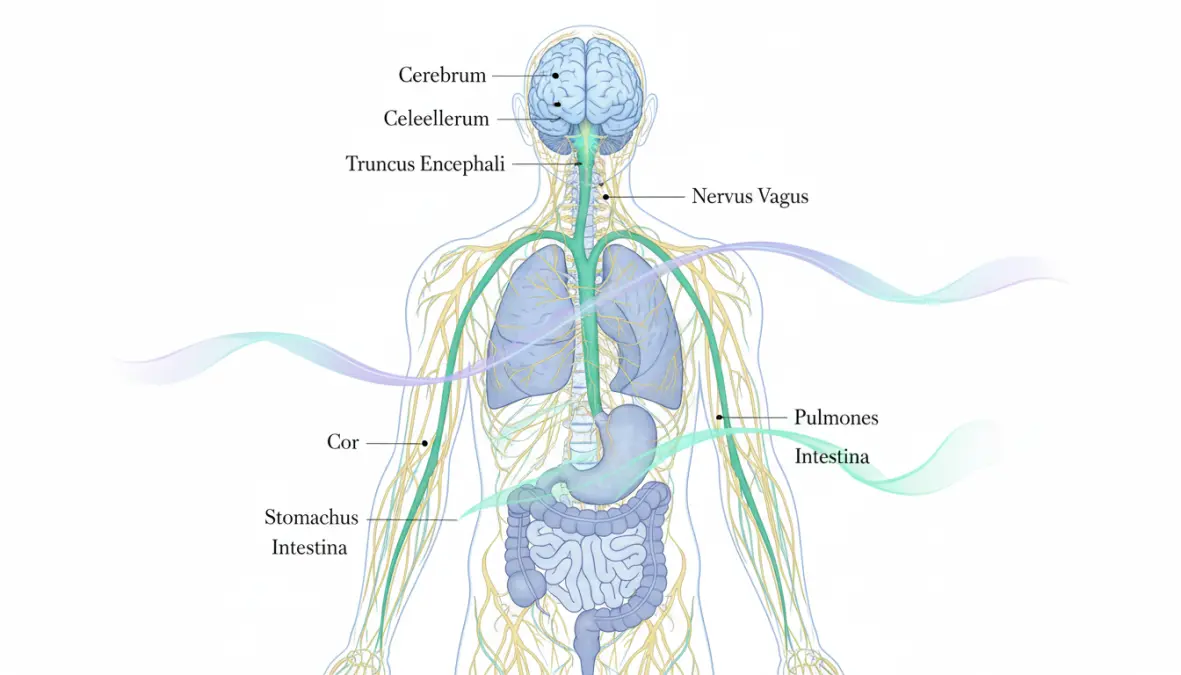
The science behind somatic therapy trauma treatment centers on nervous system regulation and the polyvagal theory, developed by Dr. Stephen Porges. This framework explains how the vagus nerve—the main communication highway between brain and body—governs our threat detection and safety responses through three distinct systems: ventral vagal (social engagement), sympathetic (mobilization), and dorsal vagal (shutdown).
When trauma occurs, the nervous system can become stuck in survival states. Someone might live in constant sympathetic activation (hypervigilance, anxiety, irritability) or dorsal collapse (numbness, depression, dissociation). Body-based approaches to healing trauma work with these states directly, helping the nervous system learn it can safely move between activation and rest—what’s called “state flexibility.”
The traumatic stress response involves incomplete protective actions. Perhaps you froze when you needed to run, or couldn’t fight back when attacked. Your body still carries that thwarted impulse. Somatic therapy provides a container to finally complete these responses—through imagery, movement, or sensation—allowing trapped energy to discharge. You might experience trembling, heat, tears, or spontaneous movement. These aren’t breakdowns; they’re breakthroughs—signs your nervous system is finally processing what it couldn’t before.
This represents bottom-up processing: healing that starts with bodily sensations and nervous system states rather than cognitive understanding. The benefits extend beyond trauma symptoms. Clients report improved body awareness, better emotional regulation, enhanced relationships, reduced chronic pain, and a restored sense of agency. The timeline varies—some notice shifts within weeks, while complex trauma typically requires months or years of consistent work.
Who benefits most? Those with PTSD, developmental trauma, anxiety disorders, chronic pain with psychological components, and anyone who feels disconnected from their body. Somatic experiencing for complex trauma proves particularly valuable when multiple or prolonged traumatic experiences have fundamentally shaped nervous system development. When considering what to expect in somatic therapy sessions, know that they’re generally slower-paced than talk therapy, with long pauses for internal noticing and significantly less emphasis on narrative storytelling.
FAQ
How long does somatic therapy take?
The duration varies significantly based on trauma complexity and individual nervous system patterns. Some people experience meaningful shifts within 10-15 sessions for single-incident trauma, while complex developmental trauma typically requires 1-3 years of consistent work. Unlike talk therapy with defined endpoints, somatic healing follows the body’s organic timeline. Progress isn’t linear—you might plateau, then suddenly breakthrough. Most practitioners recommend starting with at least 12 sessions before evaluating effectiveness.
Can you do somatic therapy on yourself?
Self-guided somatic practices like grounding exercises, breathwork, and body scans can absolutely support healing, and many therapists teach clients techniques for home practice. However, processing significant trauma alone carries risks—you might become overwhelmed without support to navigate intense states. A trained practitioner provides crucial nervous system co-regulation and prevents retraumatization. Think of self-practice as maintenance between sessions rather than replacement therapy, especially when starting embodiment practices.
What is the difference between somatic therapy and EMDR?
EMDR (Eye Movement Desensitization and Reprocessing) uses bilateral stimulation while recalling traumatic memories to reprocess them. It’s more structured and memory-focused. Somatic therapy emphasizes present-moment body sensations with less emphasis on narrative. Many practitioners integrate both—using EMDR’s cognitive processing alongside somatic tracking. When comparing somatic therapy vs traditional talk therapy, somatic approaches generally involve less verbal processing and more attention to physiological states, making them complementary rather than contradictory modalities.
Is somatic therapy evidence-based?
Yes. Research supports somatic approaches, particularly Somatic Experiencing and Sensorimotor Psychotherapy. Studies show effectiveness for PTSD, anxiety, depression, and chronic pain. A 2017 study found Somatic Experiencing significantly reduced PTSD symptoms with lasting effects. The neurobiological mechanisms—vagal tone improvement, HPA axis regulation, and enhanced interoceptive awareness—are well-documented. While more research is needed compared to CBT, the evidence base continues growing. When learning how to find a somatic therapist for trauma, look for credentials like SEP (Somatic Experiencing Practitioner) or certifications in recognized body-based modalities.
Healing trauma through the body offers a path forward when words fall short. By honoring the wisdom stored in your tissues and nervous system, somatic therapy provides access to transformation that cognitive approaches alone cannot reach. Whether you’re just beginning to explore body-based healing or looking to deepen existing therapeutic work, remember that your body already knows how to heal—sometimes it just needs the right conditions and support to complete what trauma interrupted. The journey may feel unfamiliar, even strange at times, but trusting your body’s innate capacity for restoration might be the most revolutionary act of healing you undertake.