Indoor Air Quality Solutions: Complete Guide to Healthier Home Environments
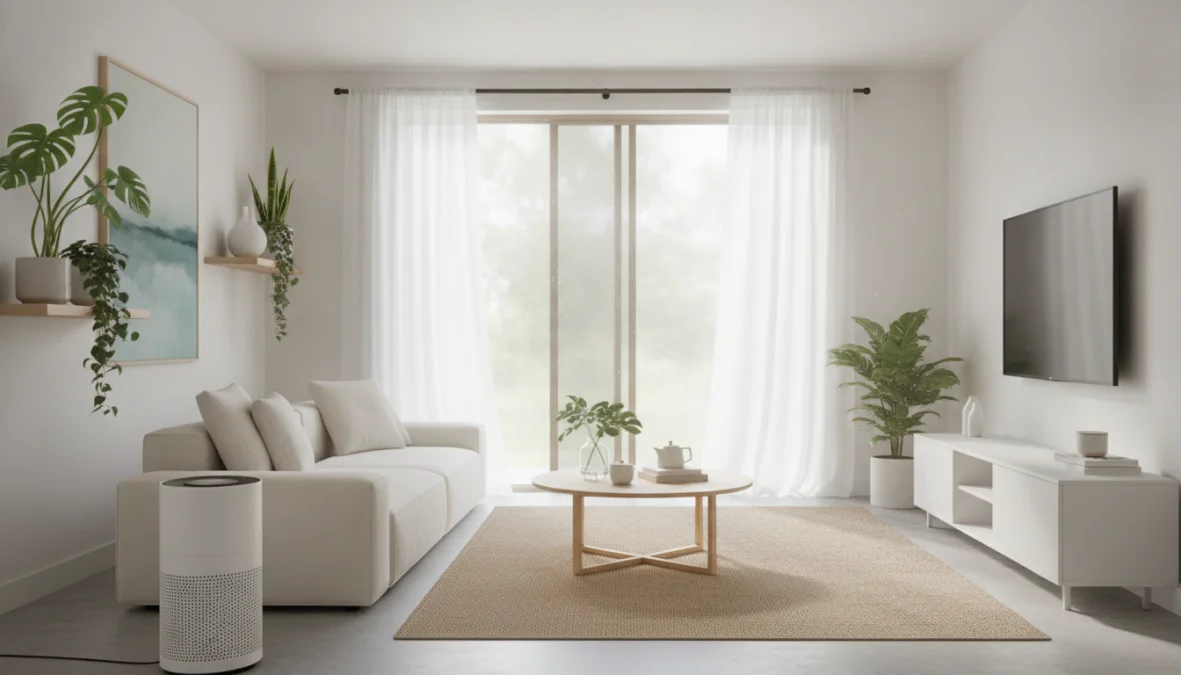
Ever wonder what you’re actually breathing inside your home? Most of us worry about outdoor pollution, but the truth is we spend about 90% of our time indoors, where air can be two to five times more polluted than outside. The good news? Effective indoor air quality solutions can transform your living space into a genuinely healthy environment, and many of them are easier to implement than you might think.
Understanding Indoor Air Quality and Why It Matters
Indoor air quality (IAQ) refers to the air quality within buildings and structures, specifically how it relates to the health and comfort of occupants. Unlike outdoor air quality, which is regulated and monitored by environmental agencies, your home air quality is entirely your responsibility—and frankly, it’s often overlooked.
Common indoor pollutants include volatile organic compounds (VOCs) from paints, cleaning products, and furniture; particulate matter from cooking and dust; allergens like pet dander and pollen; mold spores thriving in damp areas; and combustion gases from stoves and fireplaces. These contaminants accumulate in enclosed spaces, especially in modern, well-insulated homes designed to be energy-efficient but lacking proper ventilation.
The health impacts are real and measurable. Poor IAQ triggers allergies, exacerbates asthma, causes respiratory infections, and contributes to headaches, fatigue, and difficulty concentrating. Long-term exposure to certain indoor pollutants has even been linked to more serious conditions. Understanding what you’re dealing with is the first step toward implementing effective indoor air quality solutions that actually work.
Proven Indoor Air Quality Solutions for Every Home
Ready to take action? Let’s explore the most effective strategies to clean and maintain your indoor air. The best approach typically combines multiple solutions tailored to your specific situation.
Air Purification and Filtration Systems
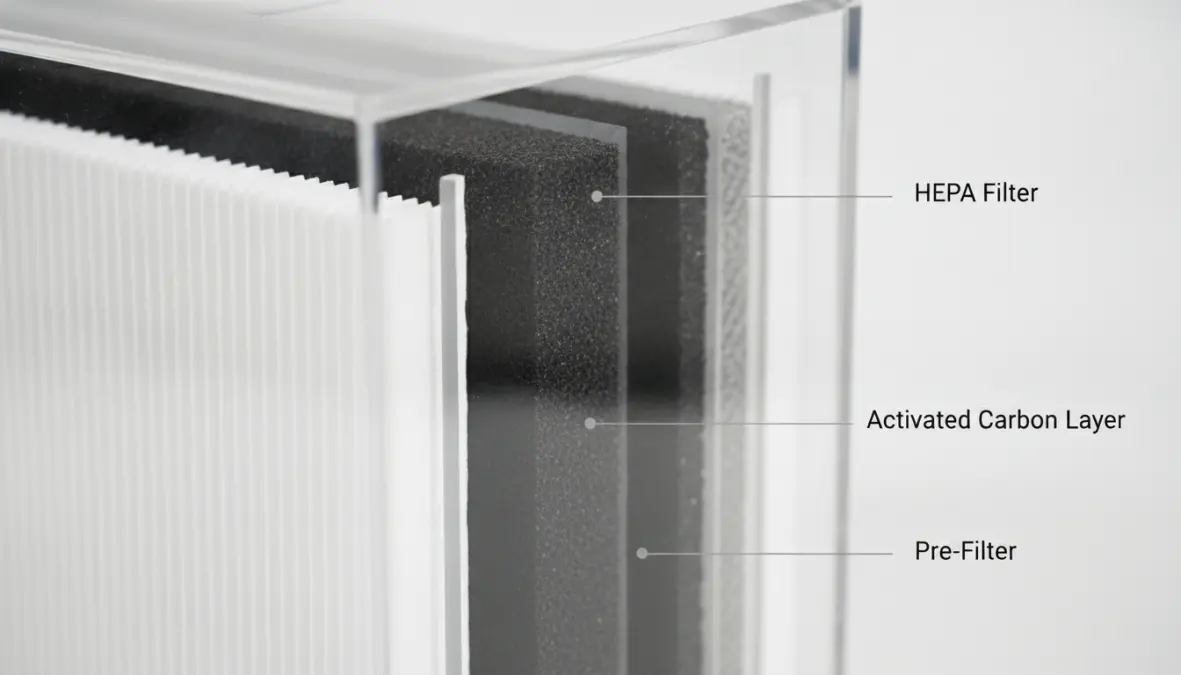
HEPA filters are the gold standard for removing particulate matter, capturing 99.97% of particles as small as 0.3 microns. They’re incredibly effective against dust, pollen, pet dander, and mold spores. However, they won’t touch gases or odors—that’s where activated carbon filters shine, absorbing VOCs, smoke, and chemical odors through adsorption.
UV-C purifiers use ultraviolet light to kill bacteria, viruses, and mold spores, making them excellent additions to HVAC systems or standalone units. Meanwhile, ionizers charge particles so they clump together and fall from the air, though they can produce trace ozone and may not be suitable for everyone.
When choosing an air purification system, consider the CADR (Clean Air Delivery Rate) rating, which indicates how quickly a device cleans air in a specific room size. Match the coverage area to your space, and look for multi-stage filtration combining HEPA and carbon for comprehensive protection. For allergy sufferers, HEPA is non-negotiable; for chemical sensitivities, prioritize activated carbon.
Ventilation and Humidity Control
Even the best filtration won’t help if you’re just recirculating the same stale air. Ventilation solutions are crucial indoor air quality solutions that bring fresh outdoor air inside while expelling pollutants.
Natural ventilation—simply opening windows when weather permits—is the easiest starting point. Create cross-ventilation by opening windows on opposite sides of your home. For more consistent results, install exhaust fans in bathrooms and kitchens to remove moisture and pollutants at the source.
Energy Recovery Ventilators (ERVs) and Heat Recovery Ventilators (HRVs) are game-changers for serious IAQ improvement. These ventilation systems exchange indoor and outdoor air while recovering heating or cooling energy, maintaining comfort without wasting energy. They’re especially valuable in tightly sealed modern homes.
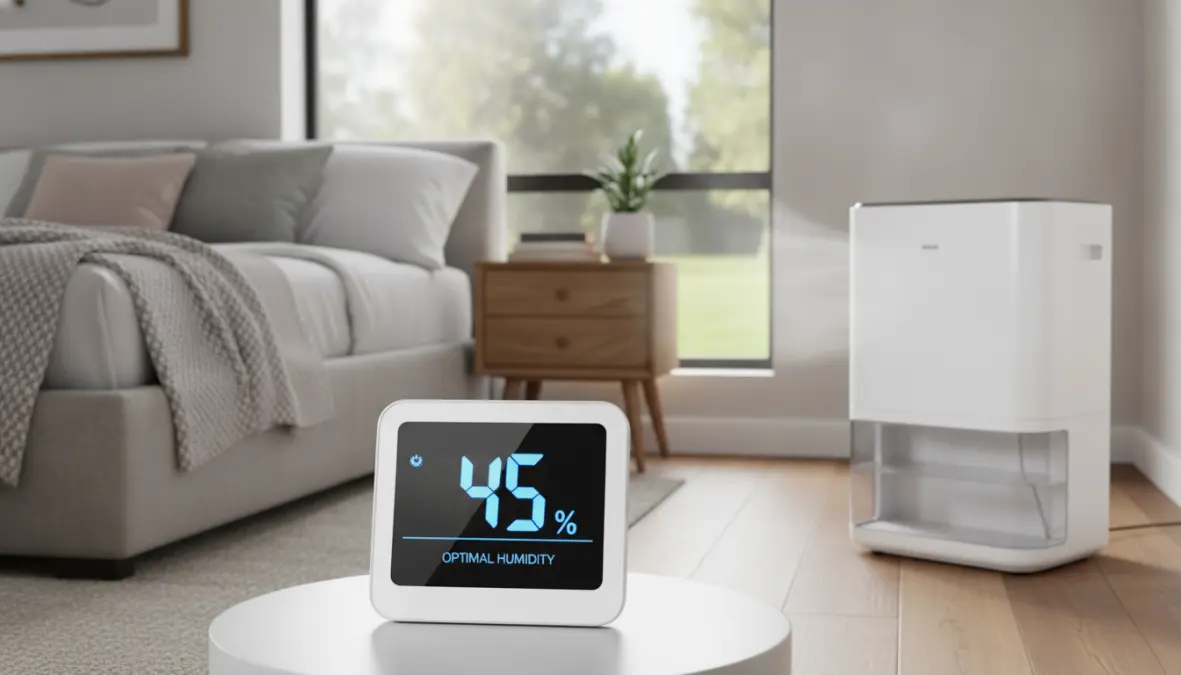
Don’t overlook humidity control. Ideal indoor humidity sits between 30-50%. Too high, and you’re inviting mold growth and dust mites; too low causes respiratory irritation and static electricity. Use dehumidifiers in damp basements and humid climates, humidifiers in dry conditions, and hygrometers to monitor levels.
Finally, commit to regular HVAC maintenance. Change filters every 1-3 months, schedule professional inspections annually, and keep vents unobstructed. Your HVAC system circulates air throughout your home—keeping it clean directly impacts your indoor air quality.
Choosing the Right Indoor Air Quality Solutions for Your Needs
With so many options available, how do you decide which indoor air quality solutions make sense for your situation? Start by assessing your specific needs.
Consider your home’s size and layout. A 150-square-foot bedroom needs different solutions than a 2,000-square-foot open-concept living area. Identify specific problems: Do you have allergies? Visible mold? Chemical odors from new furniture? Each issue points toward particular solutions.
IAQ testing devices provide concrete data about your air quality. Simple monitors measure particulate matter, VOCs, humidity, and temperature in real-time, helping you understand when and where problems occur. Professional IAQ assessment services offer deeper analysis, testing for specific mold species, radon, or other concerning pollutants.
Budget matters, but think long-term. The best air purifiers cost more upfront but have lower operating costs and longer lifespans. Calculate replacement filter costs—some budget units eat through expensive proprietary filters monthly. Energy-efficient models with smart features that run only when needed save money over time.
For allergy and asthma sufferers, prioritize HEPA filtration in bedrooms and main living areas. Those with chemical sensitivities should invest in quality activated carbon filtration and focus on source control—choosing low-VOC products whenever possible. If you’re tackling mold issues, address moisture sources first; purifiers won’t solve ongoing water problems.
Here’s a practical checklist: (1) Measure your space and identify problem areas, (2) Test current IAQ with monitors or professional assessment, (3) Prioritize solutions based on your specific health concerns, (4) Start with ventilation improvements and source control, (5) Add purification systems strategically, (6) Establish maintenance routines for long-term success.
Combining multiple approaches delivers optimal results. Use ventilation to dilute pollutants, filtration to capture what remains, and humidity control to prevent biological growth. Just as urban heat island solutions require layered strategies for city-wide impact, comprehensive IAQ improvement works best with integrated systems.
When should you call professionals? If you suspect mold behind walls, need ductwork cleaning, want whole-house ventilation systems installed, or aren’t seeing improvement after implementing basic solutions, professional expertise pays off.
FAQ: Indoor Air Quality Solutions
What is the best solution for indoor air quality?
There’s no single “best” solution—effective IAQ improvement requires multiple strategies. Most homes benefit from combining proper ventilation, HEPA filtration for particles, activated carbon for gases, humidity control between 30-50%, and regular HVAC maintenance. Start with ventilation and add targeted purification based on your specific needs.
How can I improve my indoor air quality naturally?
Open windows regularly for cross-ventilation, especially when cooking or cleaning. Add houseplants like spider plants or pothos that naturally filter some pollutants. Control moisture sources to prevent mold, use exhaust fans in bathrooms and kitchens, vacuum frequently with HEPA filters, and choose natural cleaning products without harsh chemicals.
Do air purifiers really improve indoor air quality?
Yes, quality air purifiers with HEPA filters demonstrably reduce airborne particles, allergens, and some pathogens. Studies show measurable decreases in particulate matter and improvements in respiratory symptoms for allergy and asthma sufferers. However, they’re most effective when properly sized for the space and combined with good ventilation practices.
How much does it cost to improve indoor air quality?
Costs range widely based on solutions chosen. Basic improvements like proper ventilation and humidity monitors cost under $100. Quality portable air purifiers run $200-800. Whole-house solutions like ERV/HRV systems cost $1,500-4,000 installed. Professional IAQ testing ranges from $300-800. Start with affordable basics and scale up as needed.
What are signs of poor indoor air quality?
Watch for persistent respiratory symptoms, frequent headaches, eye irritation, excessive dust accumulation, musty odors, visible mold growth, condensation on windows, worsening allergies or asthma indoors, and general stuffiness. If symptoms improve when you leave home and return when you come back, poor IAQ is likely the culprit.
Creating healthier indoor environments isn’t just about buying equipment—it’s about understanding your air, implementing strategic solutions, and maintaining them consistently. Start with simple steps today, and you’ll be breathing easier tomorrow. Your lungs will thank you.