Nature Deficit Disorder: How Screen Time Is Disconnecting Kids From the Outdoors
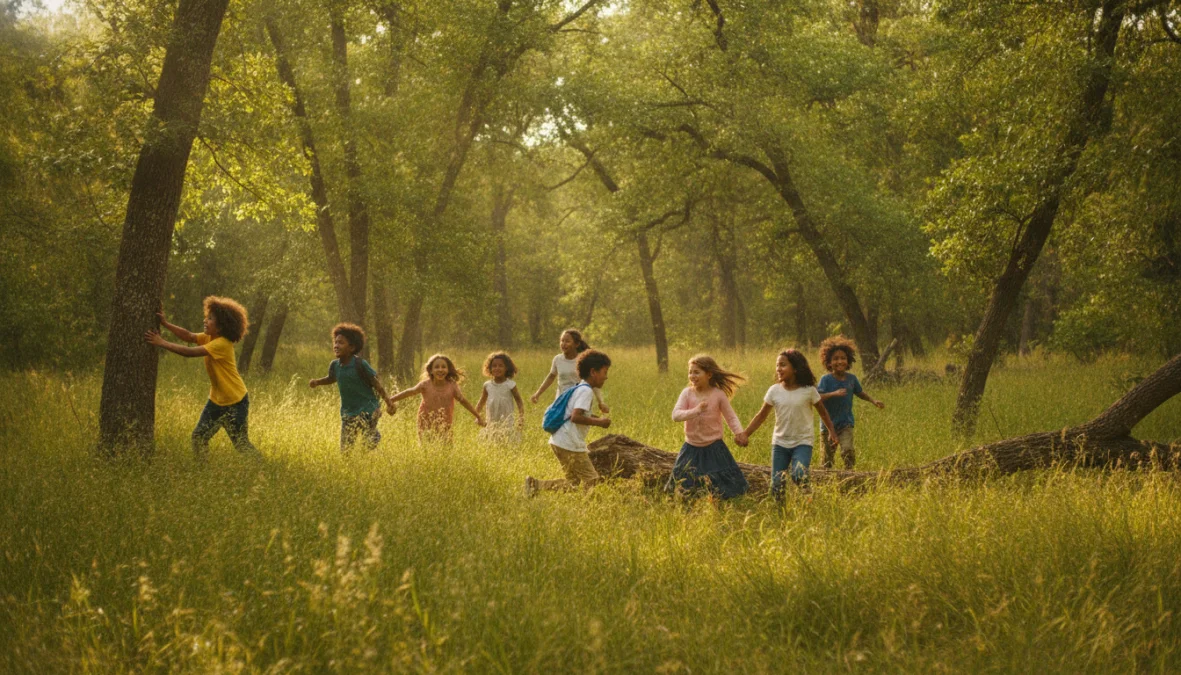
Remember when kids used to come home with muddy shoes, scraped knees, and stories about the fort they built in the woods? Today’s children are more likely to return with tired eyes from screen glare and thumbs sore from gaming controllers. This shift from outdoor exploration to digital entertainment has sparked concern among researchers, educators, and parents alike. The phenomenon known as nature deficit disorder describes how modern childhood has become increasingly disconnected from the natural world, with consequences that extend far beyond missing out on fresh air.
What Is Nature Deficit Disorder and Why It Matters
Nature deficit disorder isn’t something you’ll find in medical textbooks. The term was coined by journalist and author Richard Louv in his groundbreaking book “Last Child in the Woods,” but it describes a very real social phenomenon affecting millions of children worldwide. It refers to the growing gap between children and nature, and the behavioral and health problems that emerge when kids spend too little time outdoors.
The nature deficit disorder symptoms manifest in various ways: difficulty maintaining attention and focus, increased anxiety and depression, higher rates of childhood obesity, and underdeveloped sensory awareness. Children today spend an average of just 4-7 minutes playing outdoors each day, compared to over 7 hours in front of screens. Compare this to previous generations, when children spent several hours daily exploring neighborhoods, climbing trees, and engaging in unstructured outdoor play.
This dramatic shift stems from multiple factors: rapid urbanization reducing access to green spaces, parental fears about safety leading to more supervised indoor activities, and the irresistible pull of digital entertainment. The combination has created what researchers call a “perfect storm” of disconnection from the natural environment that humans evolved to thrive in, directly challenging our innate biophilia—the instinctive bond between humans and other living systems.
The Screen Time Crisis: How Digital Devices Are Replacing Outdoor Experiences
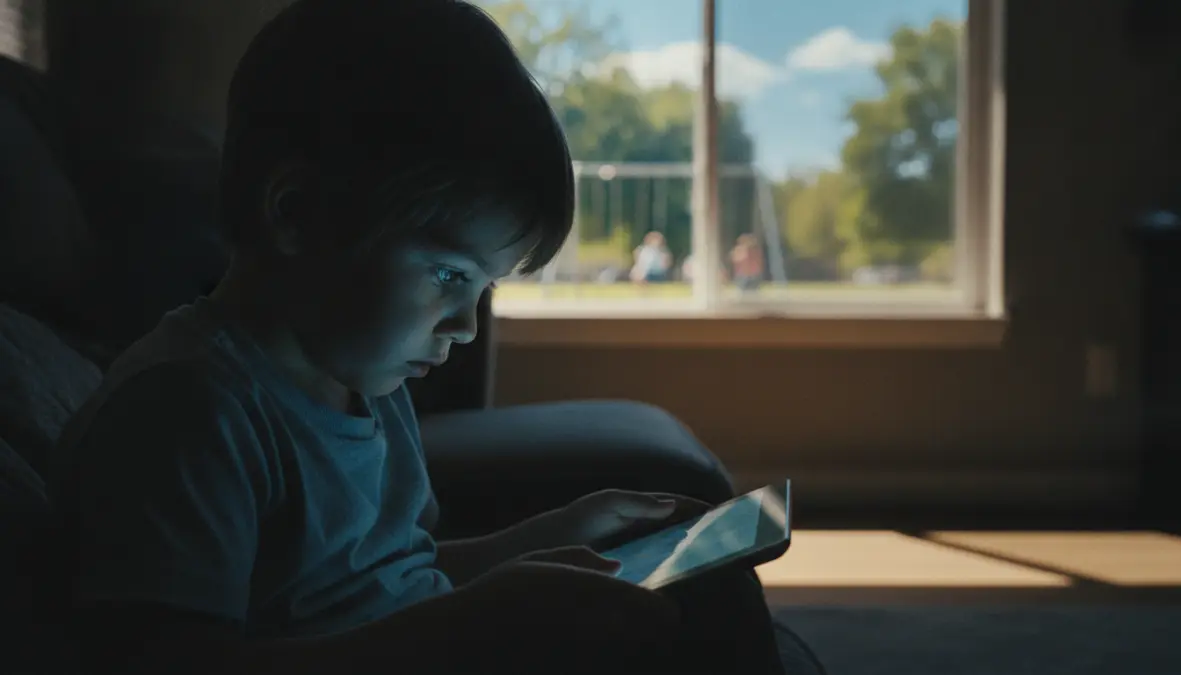
Let’s face it: technology has completely transformed childhood. The average child now spends 5-7 hours daily on digital devices, and that number climbs even higher for teenagers. This isn’t just about watching TV anymore—smartphones, tablets, gaming consoles, and computers have created an immersive digital world that makes the outdoors seem boring by comparison.
The screen time effects on children go deeper than most parents realize. When kids engage with digital devices, their brains receive constant dopamine hits from notifications, game rewards, and social media validation. This neurological response makes slower-paced activities like nature walks feel unrewarding. Research shows that excessive screen exposure reduces attention spans, disrupts sleep patterns, and literally rewires developing brains to crave immediate gratification.
Virtual experiences, no matter how sophisticated, simply can’t replicate what happens in nature. A nature documentary doesn’t provide the sensory richness of actually hearing birds, smelling pine trees, or feeling the texture of tree bark. Digital addiction in kids has replaced the complex, multi-sensory engagement that unstructured outdoor play naturally provides. While previous generations built creativity through imaginative outdoor games, today’s children often outsource their imagination to pre-programmed digital environments.
Interestingly, remote work trends are reshaping how families structure their time, as explored in the four-day work week movement, potentially offering more opportunities for families to reconnect with nature together.
The Physical and Mental Health Consequences
The combined impact of excessive screen time and nature deprivation shows up in alarming health statistics. Childhood obesity rates have tripled in recent decades, partly because outdoor play has been replaced by sedentary screen time. Kids aren’t burning calories climbing, running, and exploring like previous generations did.
Beyond weight issues, children are experiencing unprecedented rates of myopia (nearsightedness) from focusing on close-range screens rather than distant horizons. Vitamin D deficiency has become common since kids spend so little time in sunlight. Mental health concerns including anxiety, depression, and ADHD diagnoses have skyrocketed, with research suggesting that lack of nature exposure plays a significant contributing role.
The attention restoration theory explains why: natural environments provide “soft fascination” that allows the brain’s attention systems to recover, while screens demand “hard fascination” that depletes mental resources. Without regular access to nature’s restorative effects, children’s developing brains remain in a constant state of overstimulation and exhaustion.
Reconnecting Kids With Nature: Practical Solutions and Benefits
The good news? The solution is simpler than most technological problems. Getting kids back outside provides remarkable benefits. Research on outdoor play benefits shows improvements in cognitive function, creativity, problem-solving abilities, immune system strength, and emotional regulation. Nature exposure reduces stress hormones, improves mood, and even enhances academic performance.
Nature therapy for kids, sometimes called ecotherapy, is increasingly recognized as a legitimate therapeutic approach. Simple activities like forest bathing (mindful time in wooded areas), gardening, camping, wildlife observation, and creek exploration provide profound developmental benefits. Environmental education programs that incorporate hands-on outdoor learning show better retention and deeper understanding than classroom-only approaches.
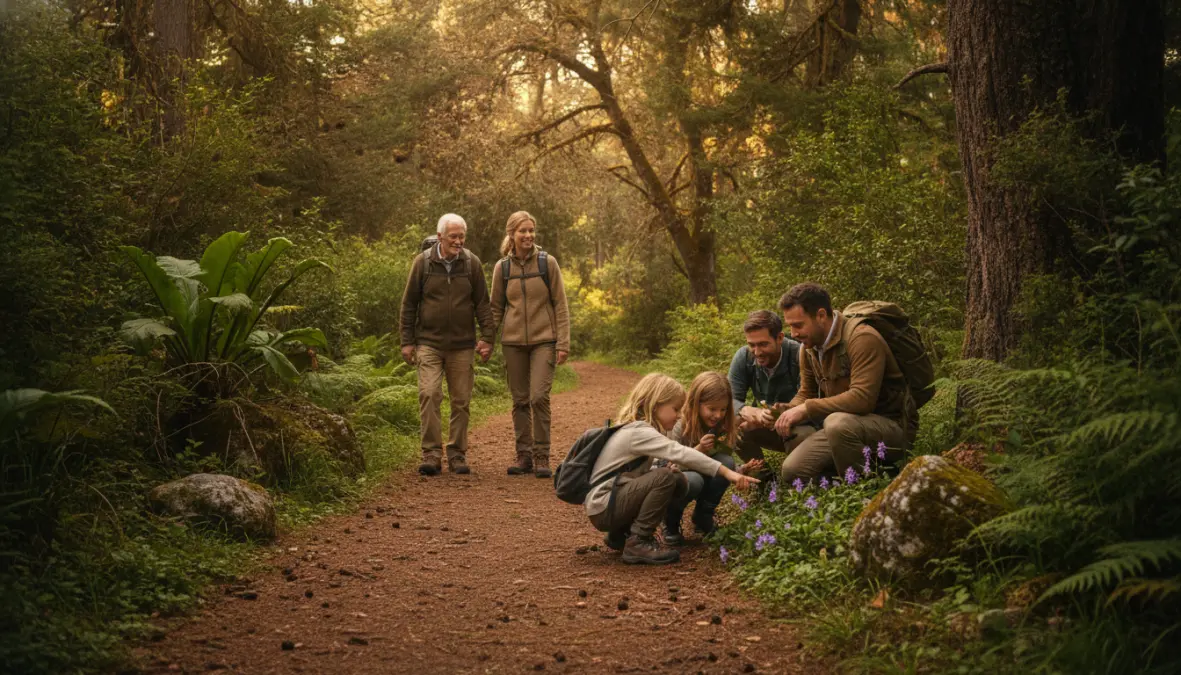
The key is finding balance. Completely demonizing screens isn’t realistic or necessary. Instead, establish clear boundaries: implement screen-free times, designate outdoor play as non-negotiable daily activity, and model the behavior yourself. Lead family nature walks, start a backyard garden, visit local parks regularly, or participate in community conservation projects.
Schools can help by incorporating outdoor classrooms, scheduling regular nature breaks, and supporting outdoor activities for children as part of the curriculum. Cities can prioritize green space access, ensuring every neighborhood has parks and natural areas within walking distance—a consideration increasingly important in urban planning discussions.
Europe has shown promising results with rewilding projects that bring wild nature closer to where people live, creating more opportunities for children to experience authentic natural environments.
Age-Appropriate Outdoor Activities to Get Started
For preschoolers (ages 3-5), keep it simple and sensory-focused: puddle jumping, rock collecting, bug watching with magnifying glasses, mud pie making, and nature scavenger hunts. These activities support crucial sensory development while building positive associations with outdoor time.
For elementary-aged children (6-11), increase complexity and independence: tree climbing, building forts, nature journaling, geocaching adventures, fishing, simple camping trips, and junior ranger programs at national or state parks. These activities build confidence and outdoor skills.
For teenagers (12+), provide challenges and social opportunities: hiking more difficult trails, kayaking or paddleboarding, outdoor photography, environmental volunteer work, rock climbing, mountain biking, or survival skills courses. Teens often respond well when outdoor activities feel adventurous rather than just “exercise.”
Urban families shouldn’t feel excluded. City parks, community gardens, rooftop green spaces, and even windowsill herb gardens count. The goal isn’t wilderness expeditions—it’s regular, consistent contact with living things and natural processes. Even 20 minutes daily in a small park provides significant benefits.
The path forward requires intentionality. Childhood nature deficit won’t fix itself, but understanding how screen time affects children’s connection to nature and actively implementing ways to reconnect kids with nature can reverse the trend. Start small, stay consistent, and watch as your children rediscover what generations before them always knew: the best playground has dirt, trees, and infinite possibilities for imagination. Nature is waiting—and so is the healthier, more balanced childhood your kids deserve.