Rewilding Europe Projects: How Wild Nature Is Making a Spectacular Comeback
Across the European continent, something extraordinary is happening. Abandoned farmlands are transforming into thriving ecosystems, bison are roaming freely again, and apex predators are reclaiming their ancestral territories. This isn’t science fiction—it’s the reality of rewilding europe projects, a bold conservation movement that’s proving nature knows best when it comes to healing itself. From the wetlands of Romania to the mountains of Italy, wild nature is staging one of the most remarkable comebacks of our time.
What Is Rewilding and Why Europe Is Leading the Movement
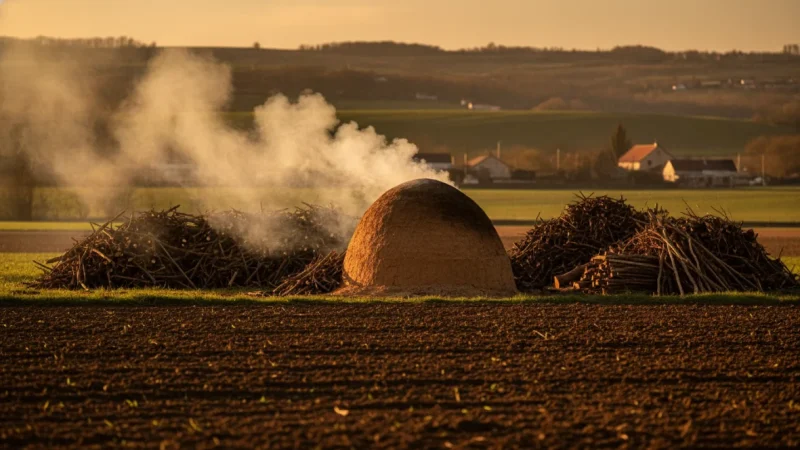
So, what is rewilding and why it matters? Unlike traditional conservation that requires constant human management—mowing meadows, culling populations, maintaining specific habitats—rewilding takes a hands-off approach. It’s about letting natural processes take the wheel, allowing ecosystems to self-regulate through the reintroduction of missing species and minimal human intervention. Think of it as giving nature the keys back to her own house.
Europe has become an unlikely pioneer in this movement, and there are fascinating reasons why. Rural abandonment has left millions of hectares of farmland vacant as younger generations move to cities. What seemed like an economic problem has become an ecological opportunity. Add growing environmental awareness, strong EU support for european nature conservation, and substantial funding mechanisms, and you’ve got the perfect conditions for a green revolution.
At the forefront stands Rewilding Europe, the organization that’s been championing rewilding initiatives europe since its founding. They’ve pioneered a model that combines ecological restoration with economic benefits for local communities, proving that conservation and prosperity don’t have to be enemies. Their approach focuses on creating self-sustaining ecosystems while developing nature-based economies—particularly ecotourism—that give local people tangible reasons to support wildlife comeback. Just as people are rediscovering connections with nature through activities like wild swimming, entire landscapes are reconnecting with their wild origins.
Major European Rewilding Areas and Their Success Stories
The proof, as they say, is in the pudding—or in this case, in the hoofprints, paw prints, and wing beats returning to European landscapes. These rewilding success stories demonstrate how rewilding works in europe through tangible results you can see, hear, and increasingly, visit.
Danube Delta and Central Apennines: Pioneering Wildlife Restoration
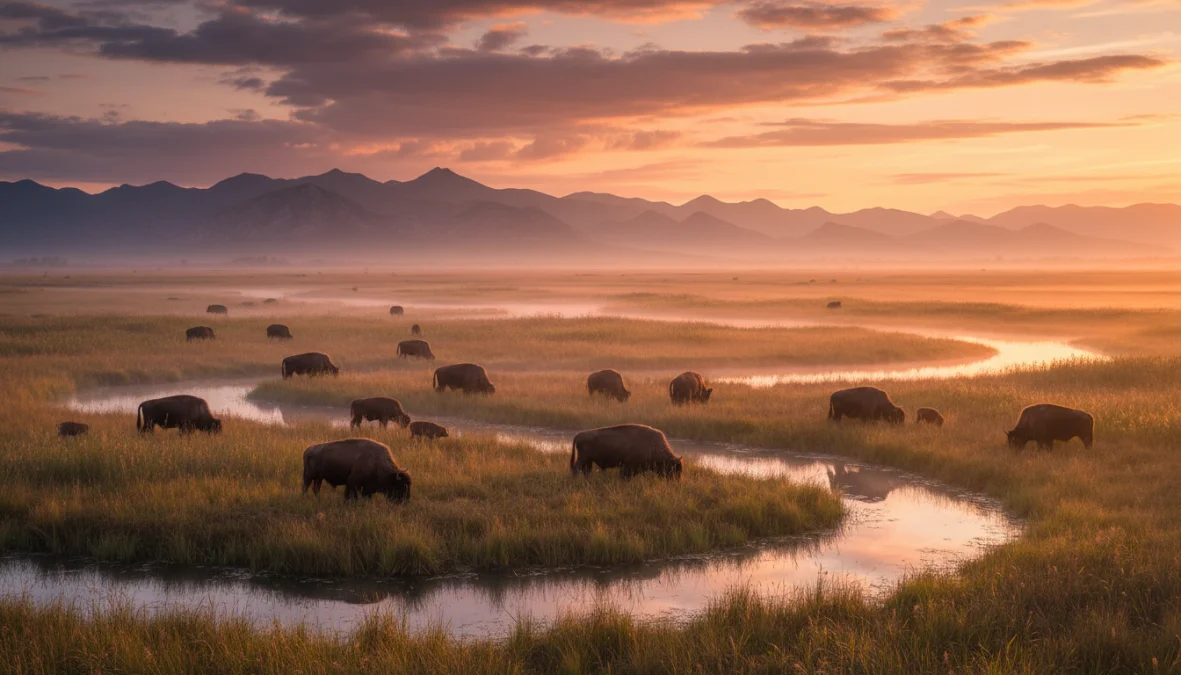
The Danube Delta in Romania, Europe’s second-largest river delta, has become a showcase for wildlife restoration europe. European bison—extinct in the wild for nearly a century—now roam freely again thanks to careful reintroduction programs. Konik horses graze the wetlands, creating diverse habitats through their natural behavior. The delta’s mosaic of reed beds, lagoons, and forests now supports over 300 bird species, making it one of the best rewilding areas to visit europe.
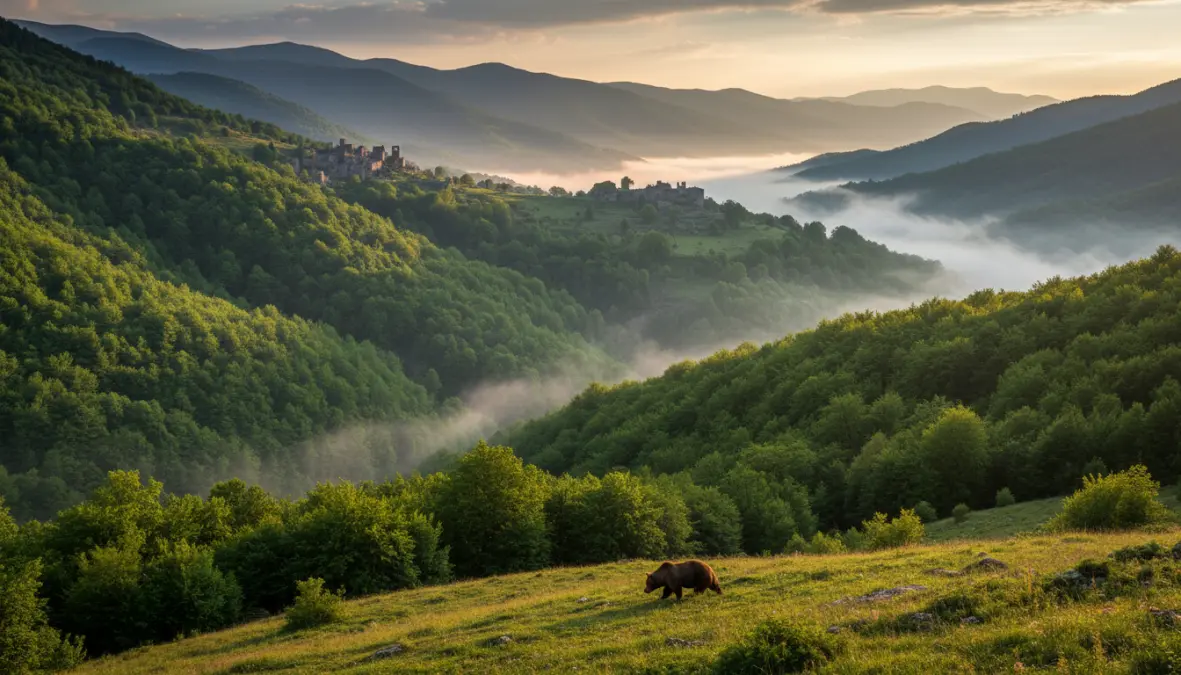
Meanwhile, in Italy’s Central Apennines, abandoned mountain villages have given way to recovering wilderness. The critically endangered Marsican brown bear is slowly increasing its numbers, while wolf packs have naturally recolonized territories they’d been absent from for generations. This habitat restoration isn’t just about animals—ancient forests are regenerating, rivers are clearing, and the entire mountain ecosystem is regaining its complexity. The challenge? Balancing wildlife return with remaining livestock farmers and addressing occasional human-wildlife conflicts through innovative solutions like bear-proof waste containers and compensation schemes.
Iberian Highlands and Greater Côa Valley: Mediterranean Rewilding
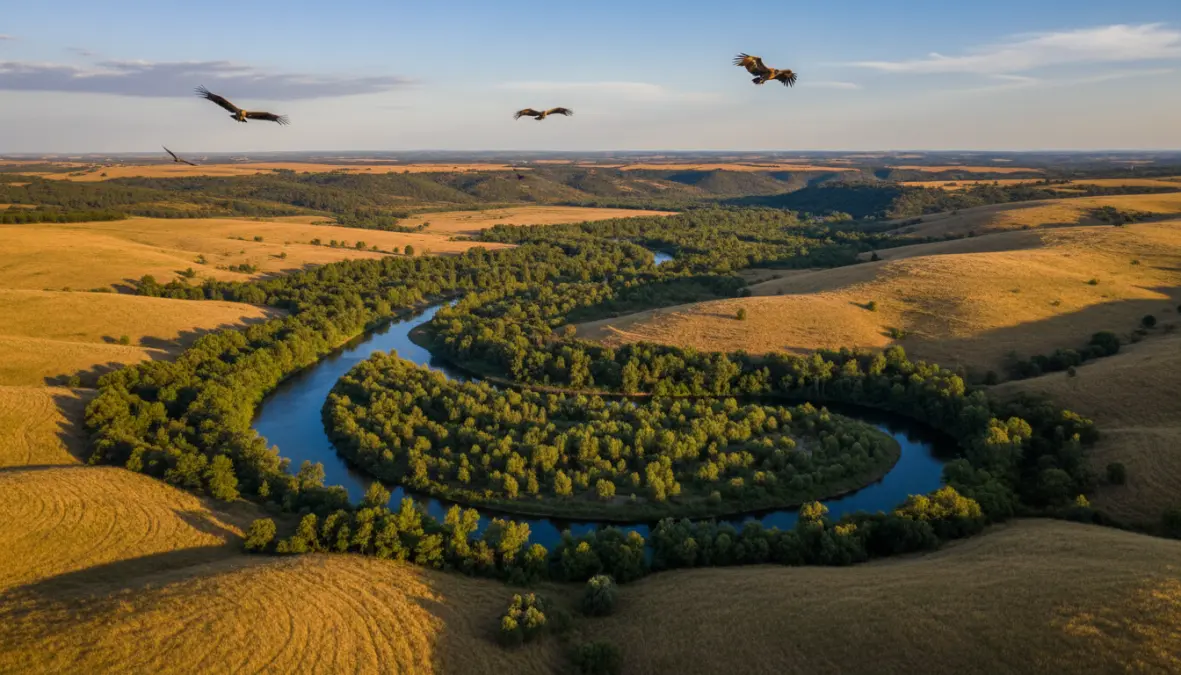
The Iberian Highlands spanning Spain and Portugal showcase Mediterranean ecosystem regeneration. The Iberian lynx, once the world’s most endangered cat species, has made an astonishing recovery through targeted reintroduction and habitat connectivity projects. Griffon vultures spiral above rewilded landscapes, cleaning up carcasses and completing nutrient cycles that industrial farming had disrupted.
In Portugal’s Greater Côa Valley, the focus has been on riverine landscape recovery. By removing obsolete dams, restoring natural flow regimes, and allowing riparian forests to regenerate, the project has created thriving wildlife corridors connecting previously fragmented habitats. The economic impact has been remarkable—nature tourism now brings significant revenue to villages that were economically stagnant. Local guesthouses, guided wildlife tours, and artisan food products linked to extensive grazing have created a nature-based economy that actually works. It’s proof that rewilding impact on biodiversity europe extends beyond just animals and plants—it touches human communities too.
The Rewilding Network Europe: Impact, Challenges and Future Vision
The magic of rewilding network europe lies in its collaborative approach. Rather than isolated projects, there’s a growing web of interconnected european rewilding areas sharing knowledge, strategies, and even wildlife. The Romanian Carpathians are becoming a major source area for bison that can be relocated to other projects. The Oder Delta along the German-Polish border is pioneering freshwater ecosystem restoration. Even the Scottish Highlands are embracing rewilding principles, reintroducing beavers and contemplating lynx return.
This network approach is crucial for creating functional wildlife corridors—the highways nature needs to move between protected areas. Keystone species reintroduction only works long-term if populations can intermix and genetic diversity can flow between regions. The vision is ambitious: a connected European landscape where natural processes drive biodiversity conservation across borders.
But let’s be real—challenges remain substantial. Agricultural lobbies often resist predator return, fearing livestock losses. Some local communities view rewilding with suspicion, worried about losing land access or traditional practices. Rewilding europe funding and support relies heavily on EU conservation budgets and private philanthropy, which can be unpredictable. The key to success has been demonstrating tangible benefits: tourism revenue, flood control through restored wetlands, carbon sequestration in regenerating forests, and enhanced quality of life in areas with returning nature.
Looking ahead, EU biodiversity targets for protecting 30% of land by 2030 provide tailwinds for expansion. The vision includes not just more acreage, but deeper community engagement—making locals champions rather than resisters of wilderness protection. Much like other comebacks we’re witnessing in our modern world, rewilding reminds us that sometimes the old ways—or in this case, nature’s ways—are worth reviving.
Want to support this movement? The most powerful thing you can do is visit these areas and spend money locally. Every euro spent in a rewilding region tells communities that wild nature has economic value. Consider how to support rewilding projects europe through organizations like Rewilding Europe, or simply spread the word about these successful rewilding projects in europe. The comeback of wild nature isn’t just about animals and trees—it’s about reimagining our relationship with the living world, and that starts with each of us recognizing that nature’s resilience, when given space, is nothing short of spectacular.