Breathwork Techniques: Ancient Practices Meeting Modern Science
Ever notice how your breathing changes when you’re stressed? Short, shallow breaths that seem stuck in your chest? Now think about how you breathe after a good laugh or a deep sigh of relief. That difference isn’t just coincidence—it’s your body’s ancient communication system at work. For thousands of years, yogis and meditation masters understood something modern science is only now confirming: breathwork techniques aren’t just about oxygen—they’re a direct line to your nervous system, your emotions, and even your consciousness.
Understanding Breathwork: Where Ancient Wisdom Meets Modern Research
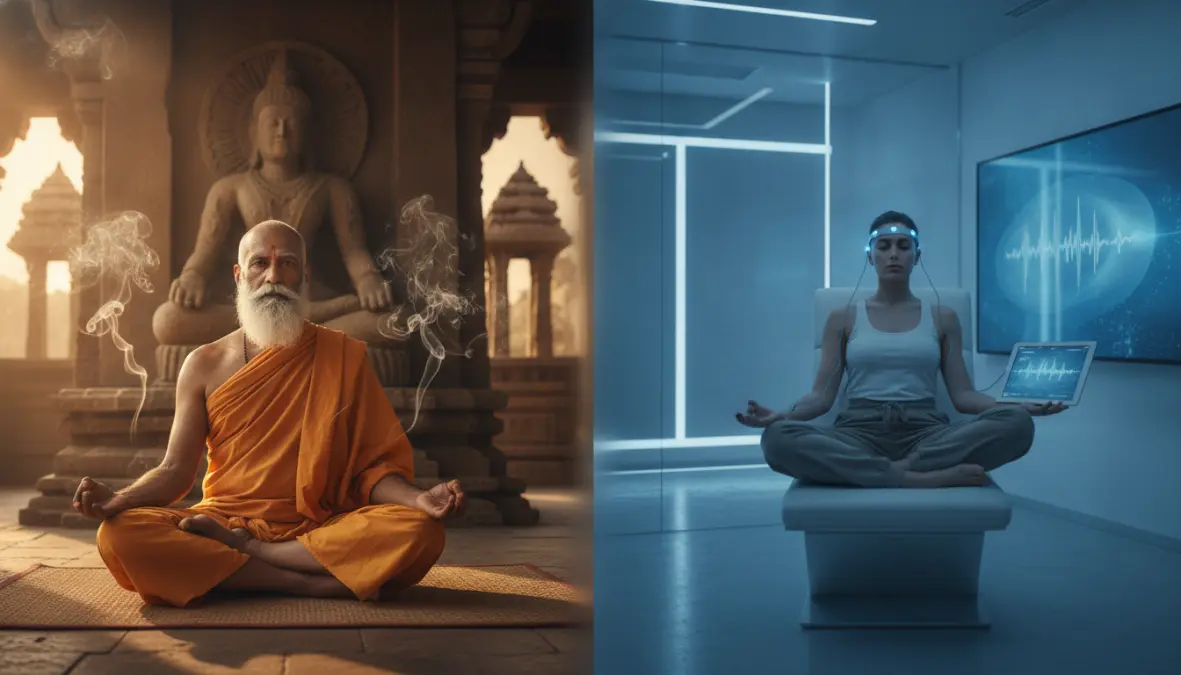
So what exactly is breathwork? At its core, it’s the practice of conscious breathing—intentionally manipulating your breath pattern to influence your physical, mental, and emotional state. While breathwork techniques might sound trendy, they’re rooted in practices that date back thousands of years, from Indian pranayama techniques to Tibetan meditation traditions and Chinese Qigong.
What’s fascinating is how modern research has validated what these ancient practitioners intuited. Scientists have discovered that controlled breathing directly affects your autonomic nervous system—the system controlling everything from heart rate to digestion. Studies show that specific breathing patterns can increase vagal tone (think of it as your body’s relaxation muscle), reduce cortisol levels, and even alter brain wave patterns. Research published in neuroscience journals has demonstrated that breathwork benefits include improved heart rate variability, enhanced emotional regulation, and measurable changes in brain regions associated with attention and stress response.
The bridge between ancient wisdom and modern science is stronger than ever. What yogis called ‘prana’ (life force), we now understand as a complex interaction between oxygen levels, carbon dioxide tolerance, pH balance, and nervous system regulation. This convergence makes breathwork one of the most accessible yet powerful somatic practices available today.
Essential Breathwork Techniques: From Beginner to Advanced
Ready to dive into the actual practices? Let’s explore the most effective breathing exercises, organized from accessible daily practices to more intensive therapeutic approaches. Whether you’re looking for breathwork techniques for anxiety relief or best breathing exercises for stress management, there’s a technique that fits your needs.
Foundational Practices for Daily Use
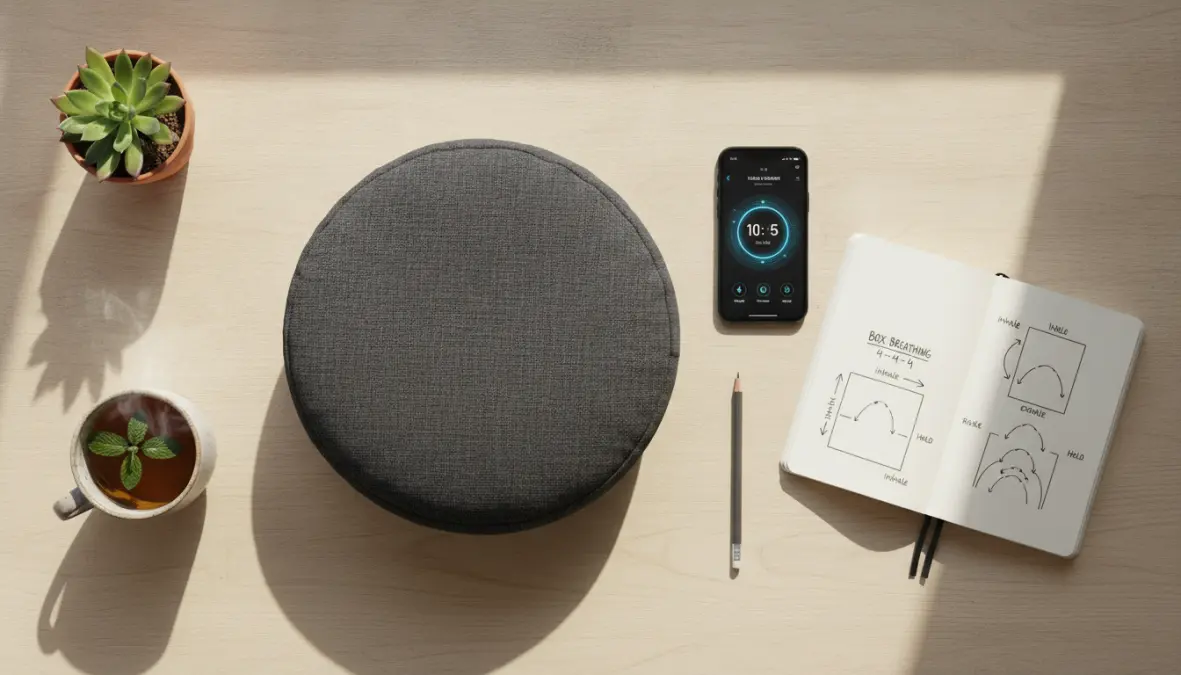
Box Breathing (4-4-4-4): This is the cornerstone technique for beginners and a favorite among Navy SEALs for maintaining composure under pressure. Breathe in for 4 counts, hold for 4, exhale for 4, hold empty for 4. Repeat for 5-10 rounds. This pattern creates perfect respiratory control and triggers vagus nerve stimulation, quickly shifting you from fight-or-flight to rest-and-digest mode. Perfect before presentations, during work stress, or anytime you need instant calm.
Alternate Nostril Breathing (Nadi Shodhana): An ancient pranayama technique that balances both brain hemispheres. Close your right nostril, inhale through the left for 4 counts. Close the left nostril, open the right, exhale for 4. Inhale right, switch, exhale left. This yogic breathing practice is exceptional for mental clarity and emotional balance, making it ideal for those seeking ancient pranayama techniques for modern life.
4-7-8 Breathing: Developed by Dr. Andrew Weil, this technique is gold for sleep and anxiety. Inhale through your nose for 4 counts, hold for 7, exhale completely through your mouth for 8. The extended exhale activates your parasympathetic nervous system, making this one of the best breathwork meditation techniques for sleep. Many practitioners report falling asleep before completing four rounds. For more insights on optimizing sleep patterns, check out our guide on chronotypes and sleep science.
Advanced and Therapeutic Approaches
Wim Hof Method: Named after the “Iceman” himself, this powerful technique combines controlled hyperventilation with breath retention and cold exposure. The basic cycle: take 30-40 deep breaths (full inhale, relaxed exhale), then exhale and hold your breath as long as comfortable, followed by a recovery breath held for 15 seconds. This creates temporary controlled stress that enhances oxygen optimization, improves immune function, and builds mental resilience. The method pairs perfectly with cold water immersion—learn more about this combination in our guide to cold water therapy.
Important note: The Wim Hof Method is intense and should never be practiced in water or while driving. It can cause temporary lightheadedness due to altered CO2 levels.
Holotropic Breathwork: Developed by Stanislav Grof, holotropic breathwork uses accelerated breathing patterns to achieve non-ordinary states of consciousness for therapeutic purposes. Sessions typically last 2-3 hours with trained facilitators, combining rapid breathing, evocative music, and bodywork. This isn’t your casual daily practice—it’s a profound therapeutic tool used for emotional release, trauma processing, and spiritual exploration. Due to its intensity and the altered states it produces, holotropic breathwork requires professional supervision and isn’t recommended for people with cardiovascular issues, pregnancy, or certain mental health conditions.
The key distinction: foundational techniques are tools for daily autonomic response management, while advanced methods are transformative practices that require respect, preparation, and often guidance. If you’re interested in developing better self-awareness around your practice, exploring metacognition techniques can help you track and optimize your breathwork journey.
FAQ
How long should I practice breathwork daily?
For beginners, start with just 5-10 minutes of simple techniques like box breathing or 4-7-8 breathing. As you build comfort, 15-20 minutes daily provides significant benefits. The beauty of how to practice breathwork for beginners is that even three minutes of focused breathing during stressful moments creates measurable impact. Consistency matters more than duration.
Is breathwork safe for everyone?
Most foundational breathing exercises are safe for healthy individuals. However, pregnant women, people with respiratory conditions, cardiovascular disease, or epilepsy should consult healthcare providers before trying intense techniques like the Wim Hof Method or holotropic breathwork. If you feel dizzy, stop and return to normal breathing.
What’s the difference between breathwork and meditation?
While mindfulness meditation often includes breath awareness, it typically observes natural breathing without manipulation. Breathwork actively changes breath patterns to create specific physiological and psychological effects. Think of meditation as watching the river flow; breathwork is redirecting the current. Many practitioners combine both for maximum benefit.
Can breathwork help with anxiety?
Absolutely. Science backed breathing techniques like box breathing and extended exhale patterns are proven to reduce anxiety by activating the vagus nerve and shifting your nervous system from sympathetic (stress) to parasympathetic (calm) dominance. Studies show breathwork can be as effective as some medications for managing mild to moderate anxiety, making breathwork techniques for anxiety relief a powerful, accessible tool. For context on modern stressors affecting mental health, explore our article on the loneliness epidemic.
Do I need a teacher to start breathwork?
For foundational techniques, you can safely self-teach using reliable resources and breathwork exercises for mental health. However, advanced practices like holotropic breathwork absolutely require trained facilitators. Consider starting solo with basic techniques, then seeking guidance as you explore deeper practices. Apps, online courses, and local yoga studios offer excellent entry points.
Your breath is the one bodily function that’s both automatic and controllable—a bridge between conscious and unconscious, voluntary and involuntary. By learning to navigate this bridge through dedicated breathwork techniques, you’re accessing an ancient technology that’s completely free, always available, and scientifically validated. Whether you’re seeking breathwork exercises for mental health, better sleep, or simply a moment of peace in a chaotic day, your next breath is your next opportunity. So take a deep one—intentionally—and notice what changes.