The Cobalt Mining Crisis: Uncovering the Dark Side of Electric Vehicle Batteries
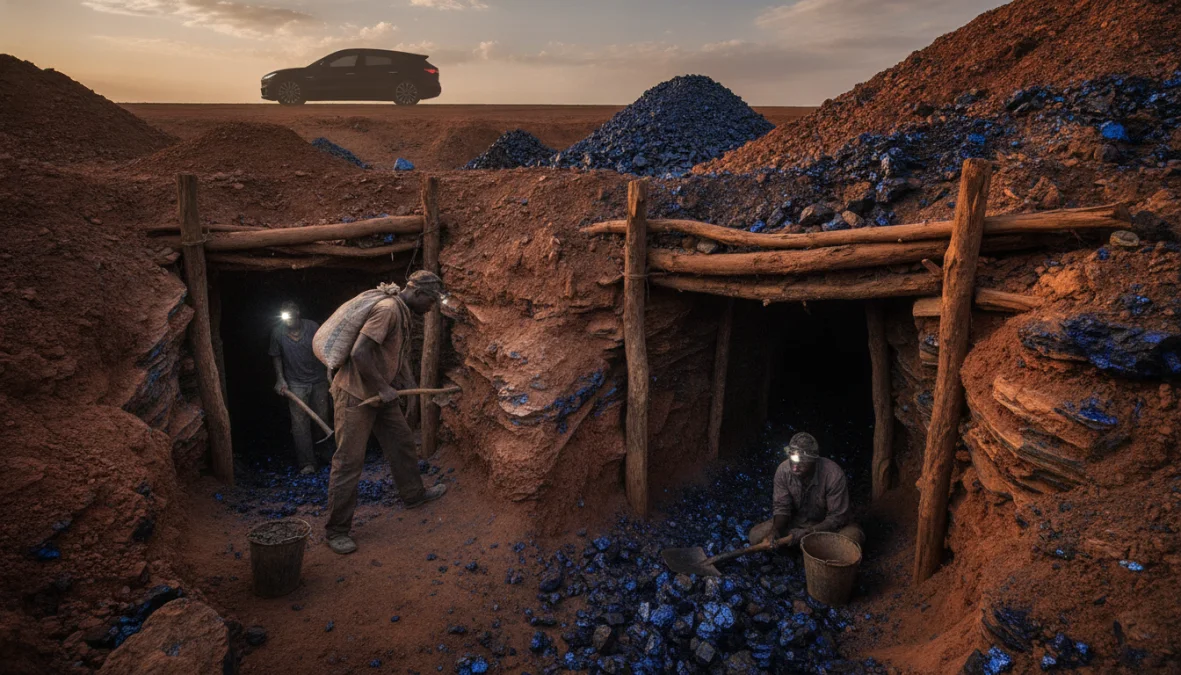
Every time you slide into the driver’s seat of an electric vehicle, you’re participating in what’s marketed as the future of sustainable transportation. But beneath that sleek, silent exterior lies a troubling reality: the batteries powering these eco-friendly machines are built on a foundation of cobalt mining ethics violations that would shock most consumers. The journey from Congolese mines to your garage is paved with human suffering, environmental destruction, and a web of supply chain opacity that even the biggest automakers struggle to untangle.
The Human Cost of Cobalt: From Congo’s Mines to Your EV Battery
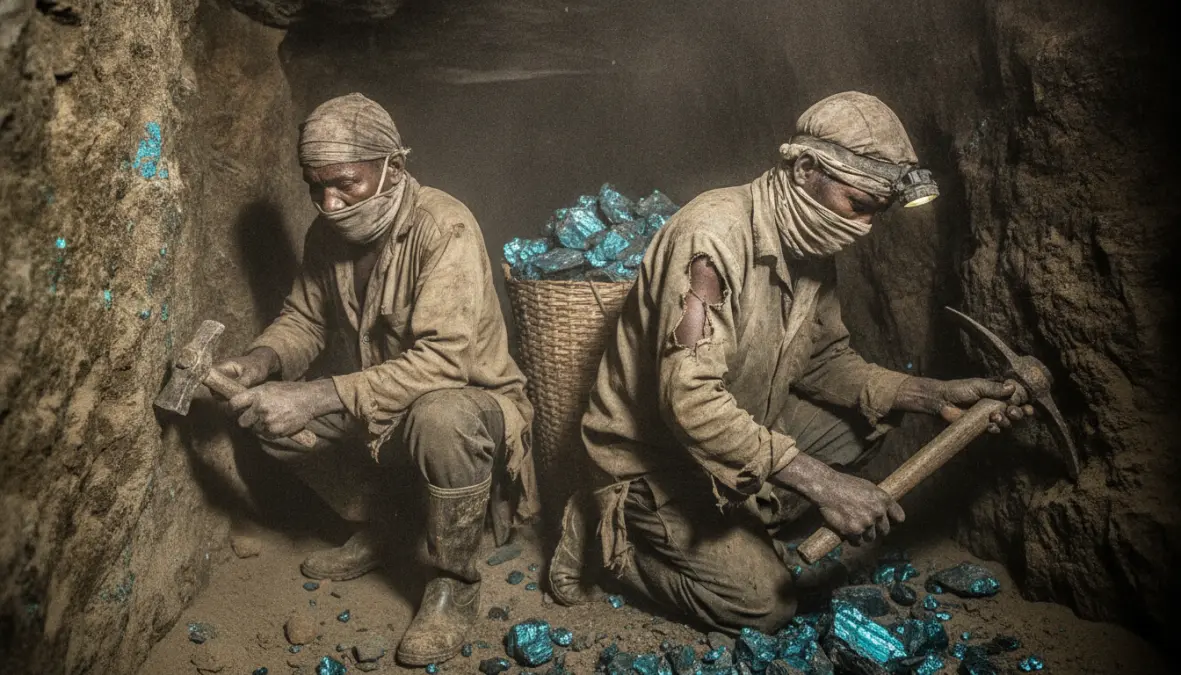
The Democratic Republic of Congo holds approximately 60% of the world’s cobalt reserves, making it the epicenter of a crisis that directly fuels our electric vehicle ambitions. While cobalt mining Congo operations include both industrial and artisanal sites, it’s the latter where the most egregious cobalt mining human rights violations occur. An estimated 40,000 children work in these hazardous conditions, many as young as seven years old, crawling through narrow tunnels without safety equipment for wages that barely cover a single meal.
The health risks are staggering. Artisanal miners frequently suffer from respiratory diseases caused by cobalt dust exposure, while cave-ins and tunnel collapses claim lives regularly. Women and children often work 12-hour shifts for less than $2 per day, manually extracting cobalt ore with primitive tools in conditions that would be illegal in any developed nation. This brutal reality stands in stark contrast to the polished marketing campaigns promoting EVs as the ethical choice for environmentally conscious consumers.
Artisanal Mining vs. Industrial Operations: Two Sides of the Same Problem
It’s tempting to draw a clean line between artisanal cobalt mining and industrial operations, assuming the latter are inherently more ethical. The reality is far more complex. While industrial mines operated by companies like Glencore theoretically maintain better safety standards, they’ve been repeatedly documented allowing artisanal miners onto their concessions and purchasing cobalt from questionable sources. The cobalt supply chain is deliberately convoluted, with multiple intermediaries mixing “clean” and “dirty” cobalt before it ever reaches battery manufacturers.
Industrial operations also bring their own ethical challenges: environmental degradation, displacement of local communities without adequate compensation, and working conditions that, while better than artisanal sites, still fall far below international standards. The uncomfortable truth is that why is cobalt mining unethical isn’t a question with a simple answer—the entire ecosystem is compromised at multiple levels.
The Ethics Dilemma: Can Electric Vehicles Truly Be Sustainable?
Here’s the paradox keeping sustainability advocates awake at night: electric vehicle battery ethics fundamentally challenge the narrative that EVs are unambiguously “green.” When you examine how ethical are electric vehicle batteries, the answer depends entirely on whose definition of ethics you’re using. If we’re talking purely about tailpipe emissions, EVs win. But if human rights and social justice factor into your ethical calculations, the picture becomes disturbingly murky.
Major automakers have made varying commitments to ethical EV production. Tesla has pledged to eliminate cobalt from their batteries entirely, while BMW and Volvo have partnered with blockchain initiatives attempting to trace cobalt origins. Volkswagen sources cobalt directly from mining companies rather than through intermediaries. Meanwhile, many Chinese manufacturers—who dominate the EV market—provide minimal transparency about their sustainable battery sourcing practices.
Certification programs like the Responsible Minerals Initiative (RMI) and Fair Cobalt Alliance exist, but their effectiveness remains questionable. Audits are infrequent, easily manipulated, and rarely extend to the artisanal level where abuses concentrate. The question “what companies use conflict cobalt” is nearly impossible to answer definitively because of deliberate supply chain obfuscation.
Supply Chain Transparency: Why Tracing Cobalt Remains Nearly Impossible
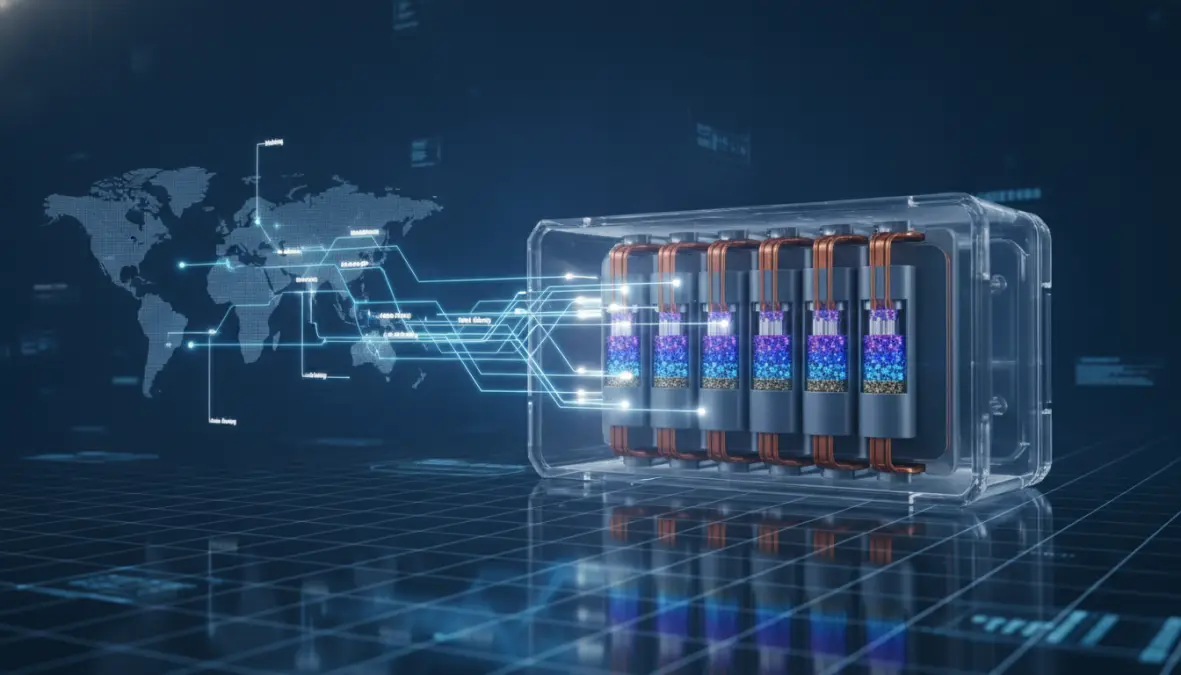
The cobalt supply chain resembles a deliberately designed maze. Cobalt extracted by a child in a Congolese tunnel passes through local traders, regional consolidators, Chinese refineries, battery manufacturers, and finally automakers—with each step introducing more uncertainty about origins. Even blockchain-based tracking systems can only verify chain of custody from the point of entry, not the actual mining conditions.
This opacity serves multiple parties’ interests. Miners can deny knowledge of abusive practices, refineries can claim they only purchase certified cobalt, and automakers can point to their supplier codes of conduct while maintaining plausible deniability. The result is a system where supply chain transparency exists more in press releases than reality. Much like the challenges discussed in ethical frameworks for emerging technologies, establishing accountability in complex global systems proves extraordinarily difficult.
Solutions on the Horizon: Moving Toward Ethical Battery Production
Despite this grim picture, genuine progress is emerging. The most promising solution is technological: lithium-ion batteries are evolving beyond cobalt dependence. LFP (lithium iron phosphate) batteries contain zero cobalt and are increasingly popular in entry-level EVs. Tesla’s newer models use NMC batteries with dramatically reduced cobalt content—down from 10-20% to as little as 5%. Several manufacturers are exploring alternatives to cobalt in EV batteries entirely, including sodium-ion and solid-state technologies that could revolutionize the industry much like the developments covered in next-generation battery technologies.
Battery recycling represents another critical solution. Currently, less than 5% of lithium-ion batteries are recycled, but companies like Redwood Materials are scaling operations that could recover up to 95% of battery materials, including cobalt. If successful, this circular economy approach could dramatically reduce primary mining demand within a decade.
Regulatory pressure is intensifying. The EU Battery Regulation now requires supply chain due diligence and carbon footprint declarations. Similar to how renewable energy transitions require comprehensive policy frameworks, ethical cobalt certification programs are becoming prerequisites for market access in major economies.
Some manufacturers are funding community development programs in mining regions, providing schools, healthcare, and alternative livelihoods. While these initiatives don’t solve systemic problems overnight, they represent recognition that the renewable energy transition cannot be built on exploitation. The concept of fair trade minerals is gaining traction, though implementation lags far behind coffee and chocolate.
FAQ
Is all cobalt mining unethical?
Not all cobalt mining involves child labor cobalt mines or dangerous conditions, but a significant percentage does. Industrial operations in Australia and Canada maintain higher standards, but they represent a small fraction of global supply. The fundamental issue is that roughly 70% of cobalt comes from the Democratic Republic of Congo, where regulatory enforcement is minimal and artisanal mining is widespread.
Which EV brands use ethical cobalt?
No major manufacturer can guarantee 100% ethical sourcing due to supply chain complexity. However, BMW, Volvo, and Tesla have implemented more rigorous auditing and direct sourcing agreements. Many Chinese manufacturers provide minimal transparency. The honest answer is that cobalt mining ethics remain compromised across the entire industry, though some brands are making stronger efforts than others.
Are there cobalt-free EV batteries?
Yes. LFP batteries used in many Tesla Model 3s and various Chinese EVs contain no cobalt. These batteries offer slightly lower energy density but are cheaper, safer, and completely avoid cobalt-related ethical concerns. This represents the clearest path toward genuinely sustainable battery sourcing.
What percentage of cobalt comes from Congo?
Approximately 70% of the world’s cobalt supply comes from the Democratic Republic of Congo, with about 15-20% of that extracted through artisanal and small-scale mining where most human rights abuses occur. This concentration makes diversification difficult and gives Congolese supply chains enormous influence over global EV production.
The question “is cobalt mining worse than fossil fuels” doesn’t have a simple answer—it depends on whether you prioritize climate impact or immediate human welfare. What’s certain is that the transition to electric vehicles must address these ethical foundations or risk building a supposedly sustainable future on the backs of exploited communities. As consumers and citizens, demanding transparency and supporting companies genuinely committed to ethical sourcing remains our most powerful tool for change.