Green Hydrogen Economy: Examining the Promise and Reality of Clean Energy’s Future
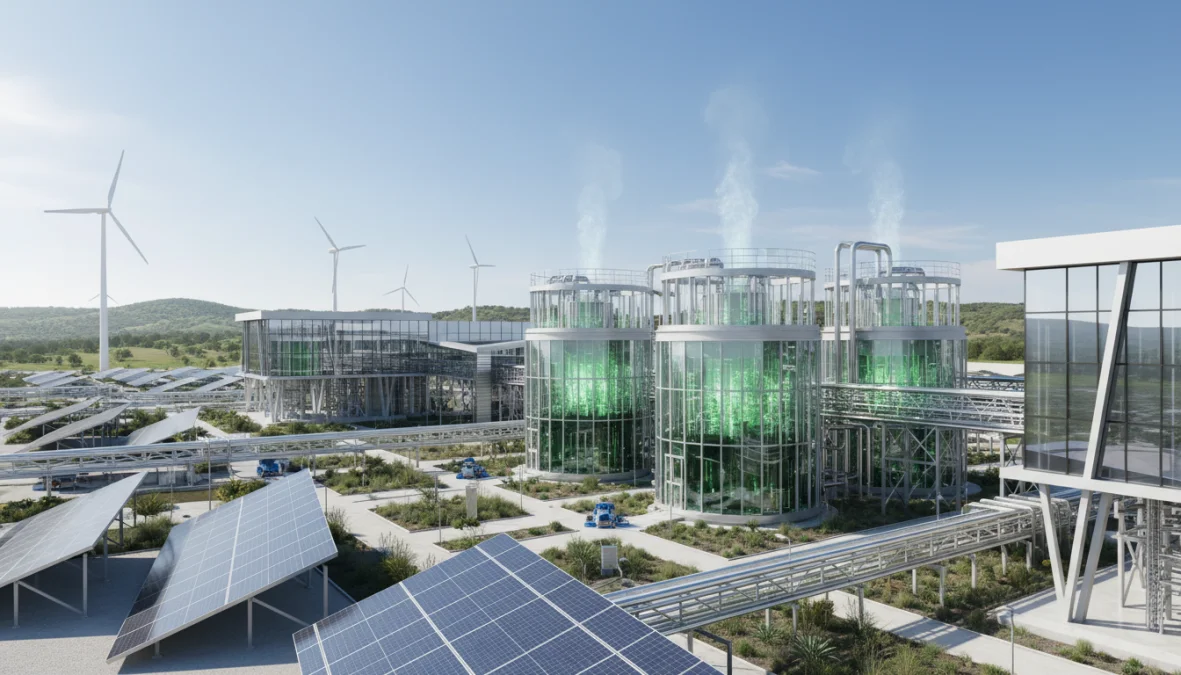
The buzz around the green hydrogen economy is hard to ignore. Politicians tout it as the silver bullet for climate change, investors pour billions into startups, and energy giants rebrand themselves around this “fuel of the future.” But beyond the hype and glossy corporate presentations, what’s the real story? Is green hydrogen the clean energy miracle we’ve been waiting for, or are we setting ourselves up for disappointment? Let’s cut through the noise and examine both the genuine promise and the sobering reality of this emerging technology.
What Is Green Hydrogen and How Does It Fit Into the Clean Energy Transition?
At its core, green hydrogen production is beautifully simple: use electricity from renewable energy sources like solar or wind to split water molecules into hydrogen and oxygen through electrolysis hydrogen. No combustion, no carbon emissions during production—just clean hydrogen technology that promises a path toward carbon neutrality. When you burn or use this hydrogen in hydrogen fuel cells, the only byproduct is water vapor, making it a true zero emission fuel.
But here’s where things get colorful—literally. Not all hydrogen is created equal, and the industry uses a rainbow of labels to distinguish between production methods. Gray hydrogen, the dominant form today, comes from natural gas through a carbon-intensive process called steam methane reforming. Blue hydrogen is essentially gray hydrogen with carbon capture technology tacked on, theoretically reducing emissions (though debates rage about how effective this really is). Green hydrogen vs blue hydrogen comparison reveals that only green hydrogen, produced via water splitting with renewable electricity, can claim genuinely clean credentials throughout its lifecycle.
The vision for a green hydrogen economy positions this fuel as a cornerstone of the energy transition, particularly for sectors that can’t easily run on batteries. Industries like steel manufacturing, chemical production, and heavy transport could theoretically achieve decarbonization through renewable hydrogen, addressing some of the toughest challenges in our climate fight.
The Production Process: From Renewable Energy to Clean Fuel
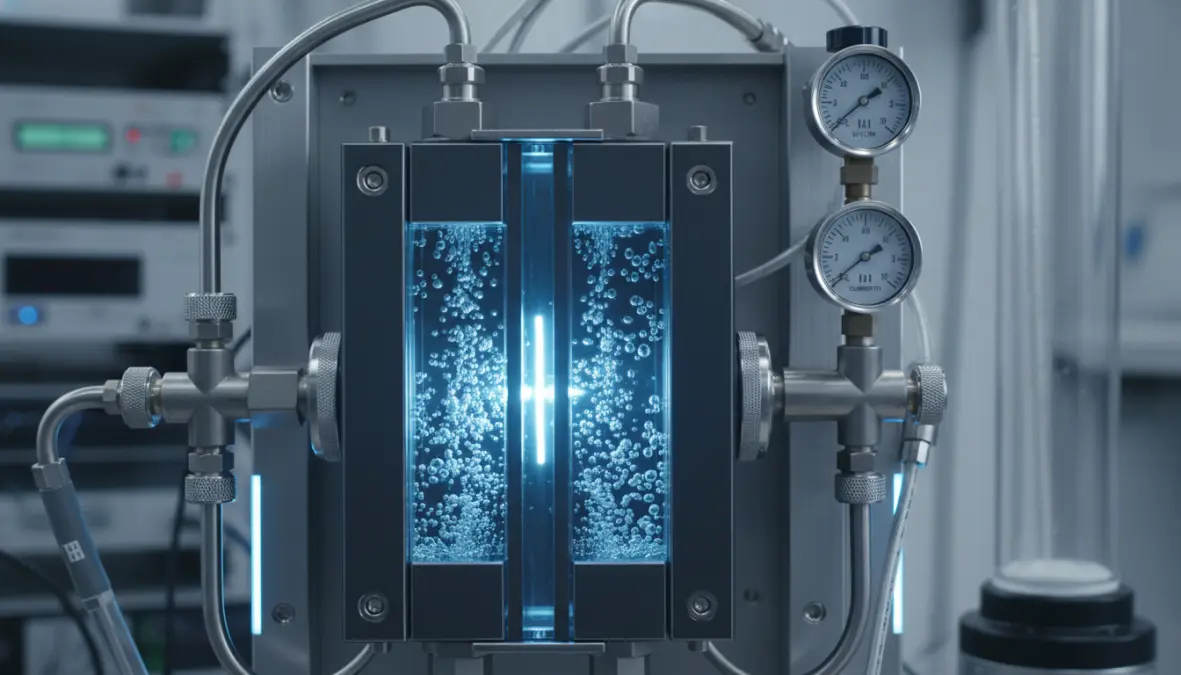
So how is green hydrogen produced in practice? The process relies on devices called electrolyzers, which use electrical current to break down water (H₂O) into its constituent elements. The most common types are alkaline electrolyzers and proton exchange membrane (PEM) electrolyzers, each with distinct advantages. Alkaline systems are mature and cheaper but less flexible, while PEM electrolyzers can ramp up and down quickly, making them ideal for pairing with intermittent renewable sources.
The catch? Green hydrogen energy efficiency is a significant concern. The conversion process loses substantial energy at multiple stages—first in electrolysis (typically 70-80% efficient), then in compression or liquefaction for storage, and finally in conversion back to electricity or mechanical work. You might start with 100 units of renewable electricity and end up with only 30-40 units of usable energy. That’s a hefty penalty compared to simply using that renewable electricity directly.
Scaling up production faces considerable technological hurdles. Current electrolyzers are expensive, and manufacturing capacity is still limited. While costs are dropping—a pattern we’ve seen with solar panels and batteries—we’re still years away from the economies of scale needed for mass deployment. The cost of green hydrogen production remains several times higher than fossil fuel alternatives, though projections suggest this gap will narrow as technology matures and carbon pricing becomes more widespread.
The Compelling Case for Green Hydrogen: Applications and Advantages
Despite the challenges, sustainable hydrogen offers genuinely compelling solutions for specific applications. Think of it as a specialized tool rather than a universal energy solution. Hydrogen energy storage excels where batteries struggle—in long-duration storage and extremely high energy density requirements. A tank of compressed hydrogen contains far more energy per kilogram than any battery, making it attractive for applications where weight and space matter.
Hydrogen fuel cells convert this stored energy back into electricity with zero emissions at the point of use, providing power for everything from forklifts to backup generators. The technology is proven, quiet, and scalable. For industrial processes that currently consume massive amounts of fossil fuels—like producing ammonia for fertilizers or reducing iron ore for steel—green hydrogen could drop in as a direct replacement without requiring complete process redesigns.
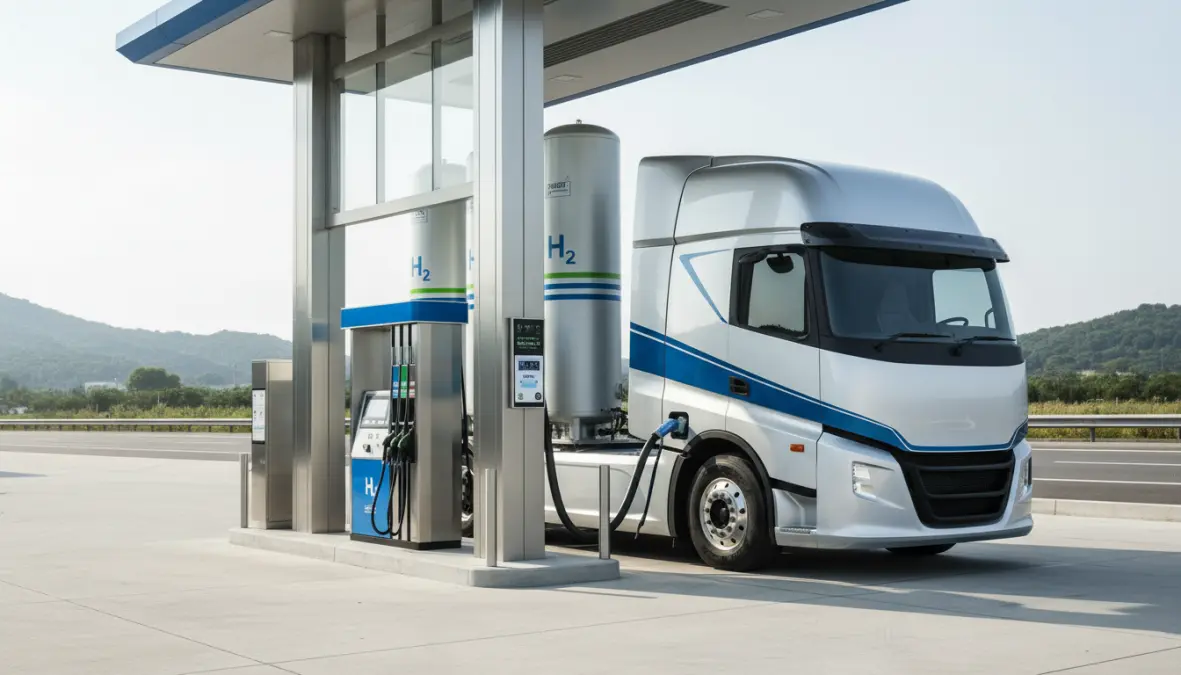
The transportation sector presents some of the most exciting opportunities. While personal vehicles are rapidly electrifying with battery technology, heavy-duty applications face different constraints. Long-haul trucking, maritime shipping, and aviation need energy densities that batteries simply can’t match with current technology. A hydrogen-powered cargo ship or fuel cell truck can refuel in minutes rather than hours, maintaining operational flexibility that’s crucial for commercial viability.
The broader green hydrogen economy also offers strategic advantages for energy security. Countries with abundant renewable resources but limited fossil fuel reserves could become energy exporters, fundamentally reshaping global supply chains and reducing dependence on oil-rich regions. Just as nations are reconsidering nuclear energy for energy independence, hydrogen offers another pathway toward self-sufficiency.
Where Green Hydrogen Outperforms Other Clean Energy Solutions
Let’s be specific about where hydrogen actually makes sense. In steel production, replacing coking coal with hydrogen eliminates massive carbon emissions from an industry responsible for about 7% of global CO2. Companies like SSAB and ThyssenKrupp are already piloting hydrogen-based direct reduced iron processes with promising results.
Aviation presents another clear use case. While electric planes work for short hops, long-haul flights need energy densities that only liquid fuels can provide. Hydrogen-powered aircraft or hydrogen-derived synthetic fuels (e-fuels) could decarbonize this notoriously difficult sector without requiring passengers to accept dramatically reduced range or capacity.
Seasonal energy storage is perhaps the most underappreciated advantage. While batteries excel at daily cycling, storing summer solar energy for winter heating requires massive capacity. Hydrogen can be produced during periods of renewable abundance and stored for months, then converted back to electricity or heat when needed—something no battery can economically achieve at grid scale.
The Reality Check: Challenges Facing the Green Hydrogen Economy
Now for the uncomfortable truths. The cost of green hydrogen production remains stubbornly high—currently around $5-7 per kilogram in most markets, compared to less than $2 for gray hydrogen. While advocates promise cost parity within a decade, such predictions assume aggressive scaling, technological breakthroughs, and sustained policy support. History teaches us that energy transitions rarely unfold as quickly or smoothly as proponents predict.
The environmental impact of green hydrogen deserves scrutiny beyond just carbon emissions. Is green hydrogen really clean energy if it consumes vast quantities of fresh water in water-stressed regions? Producing one kilogram of hydrogen requires roughly nine liters of purified water. Scale that to industrial levels, and you’re talking about significant water demands competing with agriculture, drinking supplies, and ecosystems. Desalination can solve this in coastal areas but adds cost and energy consumption.
Green hydrogen infrastructure challenges are staggering. Hydrogen is a tiny, leaky molecule that makes existing natural gas pipelines brittle over time. Building dedicated hydrogen networks requires massive investment—estimates run into hundreds of billions for comprehensive systems. Transport and storage present additional headaches: compress it and lose energy to compression, liquefy it and lose even more to refrigeration, or convert it to ammonia for easier handling and accept additional conversion losses.
Perhaps the most critical question is this: where does hydrogen compete with direct electrification? If you can use renewable electricity directly—whether in electric vehicles, heat pumps, or industrial processes—you’ll typically achieve better overall efficiency than converting that electricity to hydrogen and back. The green hydrogen economy makes sense primarily where electrification isn’t feasible, which is a more limited domain than the hype suggests. The timeframe for commercial viability at scale remains uncertain, with realistic assessments pointing toward the 2030s for widespread adoption in most sectors.
FAQ: Common Questions About Green Hydrogen
Is green hydrogen truly carbon-neutral?
When produced using 100% renewable electricity and accounting for the entire lifecycle, green hydrogen can achieve near-zero carbon emissions. However, the “green” label requires scrutiny—if grid electricity with fossil fuel content powers the electrolyzers, emissions increase substantially. True carbon neutrality depends on rigorous sourcing standards and certification systems.
How much does green hydrogen cost compared to fossil fuels?
Currently, green hydrogen costs roughly 3-4 times more than gray hydrogen or conventional fuels. Projections suggest costs could drop to $1-2 per kilogram by the mid-2030s with scaled production, making it competitive in scenarios with carbon pricing or regulatory mandates. Geographic factors matter enormously—regions with exceptional renewable resources will achieve cost competitiveness faster.
What countries are leading in green hydrogen development?
Europe, particularly Germany and the Netherlands, has committed massive public funding and set ambitious targets. Australia is positioning itself as a future hydrogen exporter, leveraging vast solar and wind potential. Chile, with its exceptional renewable resources, is attracting major investment. China is rapidly scaling manufacturing capacity for electrolyzers, while the Middle East sees hydrogen as a post-oil economy cornerstone.
When will green hydrogen become commercially viable?
This depends heavily on application and location. For niche industrial uses with favorable conditions, viability exists today with subsidies. Broader commercial competitiveness without major policy support likely arrives in the 2030s for most applications. Transportation applications will probably lag behind industrial uses, as direct electrification offers stiff competition in many segments.
The green hydrogen economy sits at a fascinating crossroads between transformative potential and overhyped expectations. It’s neither the universal solution some advocates claim nor the wasteful distraction critics sometimes suggest. Like vertical farming’s role in food security, hydrogen will likely find its niche—solving specific, difficult problems rather than revolutionizing everything. The path forward requires honest assessment of where this technology truly excels, patient investment in infrastructure and innovation, and resistance to the temptation to position any single technology as a climate cure-all. The future is rarely as simple as a single fuel, no matter how clean it promises to be.