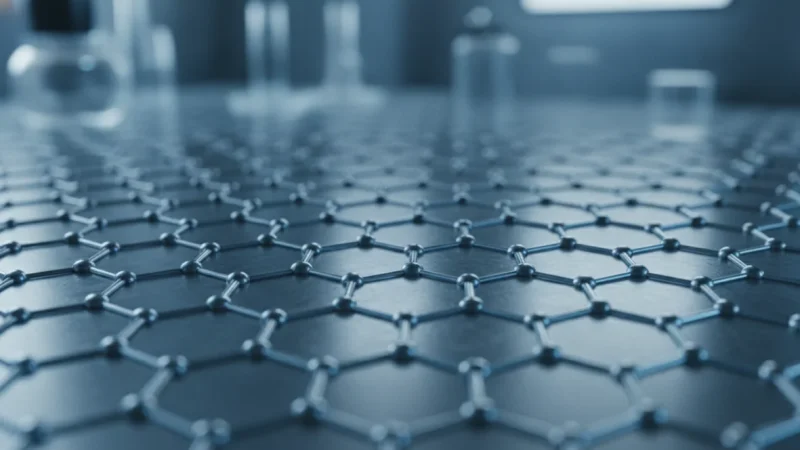
Solid State Battery Revolution: When Will They Replace Lithium-Ion?
Remember when your smartphone needed charging twice a day? Now imagine an electric vehicle that goes 700 miles on a single charge, refuels in ten minutes, and never catches fire. That’s the tantalizing promise of solid state battery technology—a breakthrough that could finally solve the biggest limitations holding back electric vehicle batteries and energy storage solutions. But before you get too excited, the road from lab prototype to your driveway is longer and bumpier than most headlines suggest.
What Is Solid State Battery Technology and How Does It Differ from Lithium-Ion?
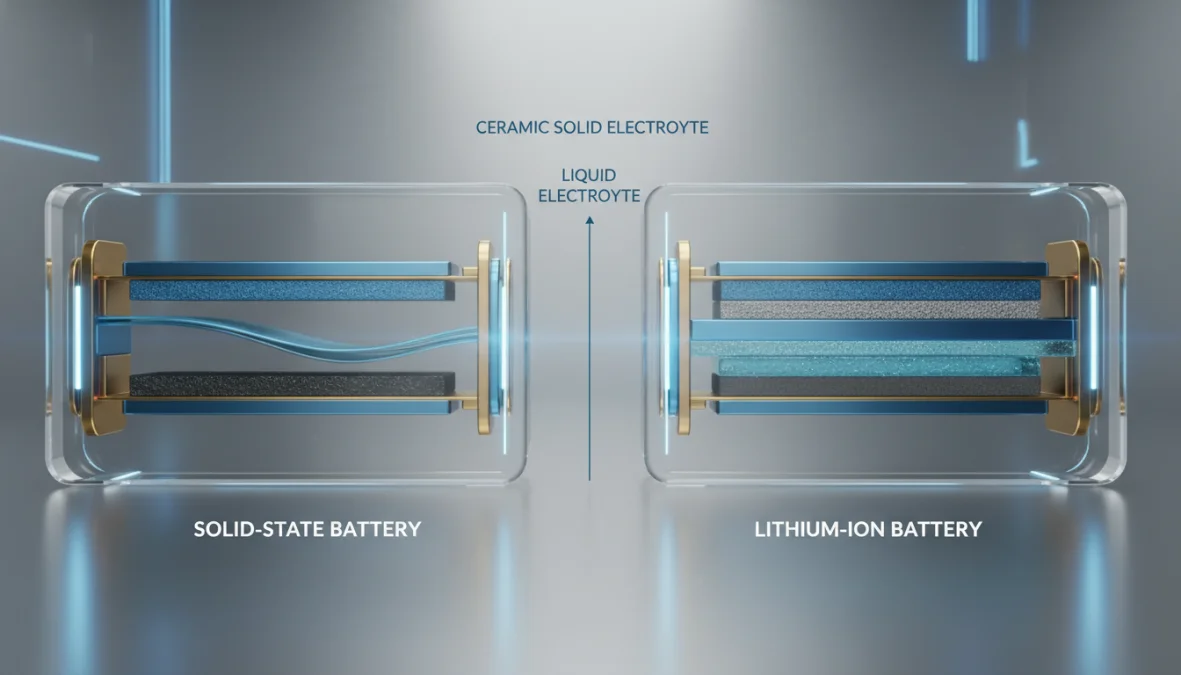
At its core, solid state battery technology represents a fundamental reimagining of how we store electrical energy. Traditional lithium-ion batteries—the ones powering your phone, laptop, and current EVs—rely on liquid or gel electrolytes to shuttle ions between the anode and cathode. These liquid electrolytes work well enough, but they’re inherently problematic: they’re flammable, prone to leaking, and limit how densely you can pack energy into a given space.
Enter the solid electrolyte battery. Instead of liquid electrolytes, these next-generation powerhouses use solid materials—typically ceramics, glass, or specialized polymers—to conduct ions. This seemingly simple swap unlocks a cascade of advantages. The electrolyte material in solid state designs eliminates the flammability risk entirely, while allowing manufacturers to use lithium metal anodes instead of graphite. Lithium metal stores significantly more energy per unit of weight, which translates directly to energy density improvement.
The technical comparison is stark: while current lithium-ion cells max out around 250-300 Wh/kg, solid state designs promise 400-500 Wh/kg or more. That’s not incremental progress—it’s a leap that could transform everything from smartphones to grid storage. The solid electrolyte also eliminates the separator required in liquid batteries, further boosting energy density while improving thermal stability.
The Promise of Solid State Batteries: Advantages Over Current Technology
The advantages of solid state batteries over lithium-ion extend far beyond just cramming more energy into a smaller package. These next generation batteries address nearly every pain point plaguing current battery technology advancement, making them particularly attractive for demanding applications like electric vehicles and renewable energy storage.
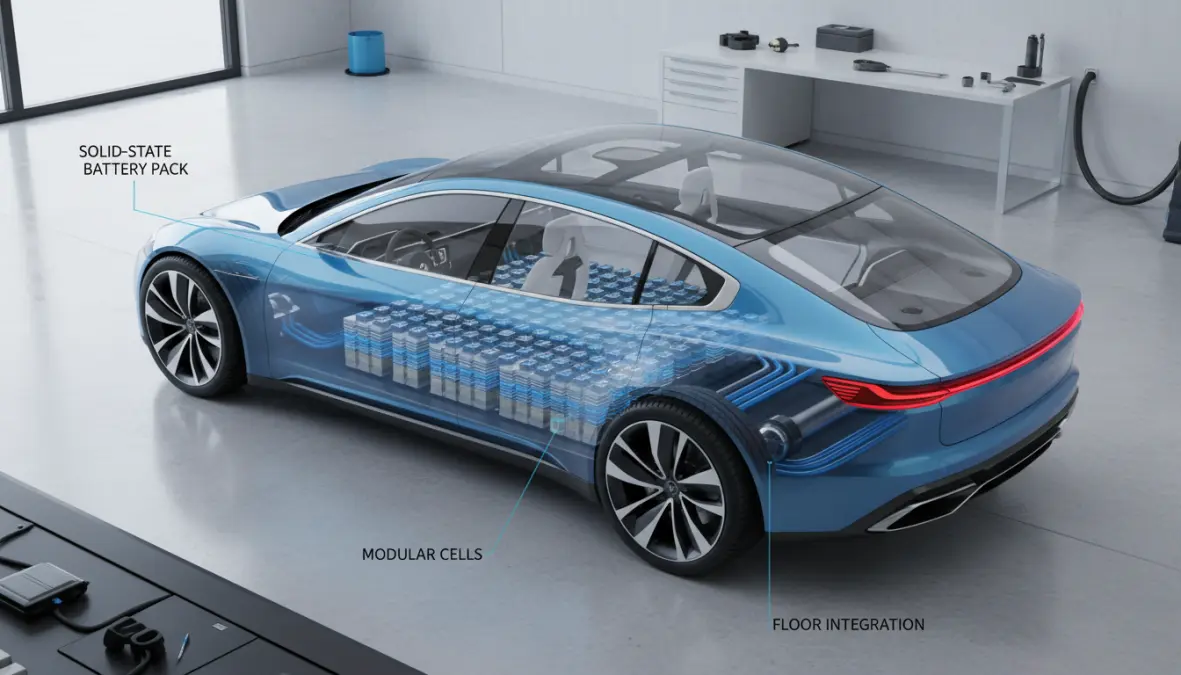
First, there’s the massive gain in energy density we mentioned. For electric vehicles, this translates to potentially doubling range without increasing battery pack size or weight. Imagine a compact sedan with the same battery footprint as today’s 300-mile EVs, but capable of 600+ miles between charges. That’s not science fiction—it’s the mathematical result of better energy density improvement.
Then there’s charging speed. The solid electrolyte’s superior ionic conductivity and resistance to dendrite formation—those problematic lithium spikes that can short-circuit batteries—means solid state designs can theoretically handle much higher charging currents. We’re talking fast charging capability that could fully replenish an EV battery in 10-15 minutes, comparable to filling a gas tank.
Enhanced Safety and Longevity
Perhaps the most compelling benefit is in battery safety improvements. Lithium-ion fires, while statistically rare, are catastrophic when they occur. The liquid electrolyte can ignite and cause thermal runaway—a self-sustaining chemical reaction that’s nearly impossible to extinguish. Solid electrolytes are inherently non-flammable, eliminating this risk entirely. No more worrying about your EV turning into a fireball in a collision.
The solid electrolyte also promises dramatically improved battery cycle life. Current lithium-ion batteries degrade noticeably after 500-1,000 charge cycles. Solid state designs, with their resistance to dendrite formation and chemical stability, could potentially last for 5,000+ cycles—effectively the lifetime of the vehicle. This addresses one of the biggest concerns about EV ownership: battery replacement costs. Similar to how private space companies are revolutionizing their industry, solid state technology could fundamentally reshape transportation economics.
Performance Benefits for Electric Vehicles
For electric vehicle batteries specifically, solid state technology is a game-changer. Beyond the extended range—some prototypes promise 500-700 miles on a single charge—the reduced weight of solid electrolytes improves vehicle efficiency and handling. A lighter battery pack means better acceleration, improved handling dynamics, and even further range gains.
The superior thermal stability also means solid state batteries perform consistently across a wider temperature range. No more losing 40% of your EV’s range in winter cold or worrying about degradation in desert heat. This makes electric vehicles practical in climates where lithium-ion struggles, expanding the potential market dramatically.
Timeline and Challenges: When Will Solid State Batteries Replace Lithium-Ion?
Here’s where enthusiasm meets reality. If you’re wondering when will solid state batteries replace lithium-ion, the honest answer is: not as soon as you’d hope. While the technology works in labs, the path to mass production is strewn with formidable obstacles.
The most aggressive solid state battery commercialization timeline predictions place limited production around 2028-2030, with mainstream availability potentially a decade or more away. Toyota, often considered the leader in this space, has announced plans for limited solid state EV production by the late 2020s, but acknowledges that widespread adoption will take years beyond that initial rollout.
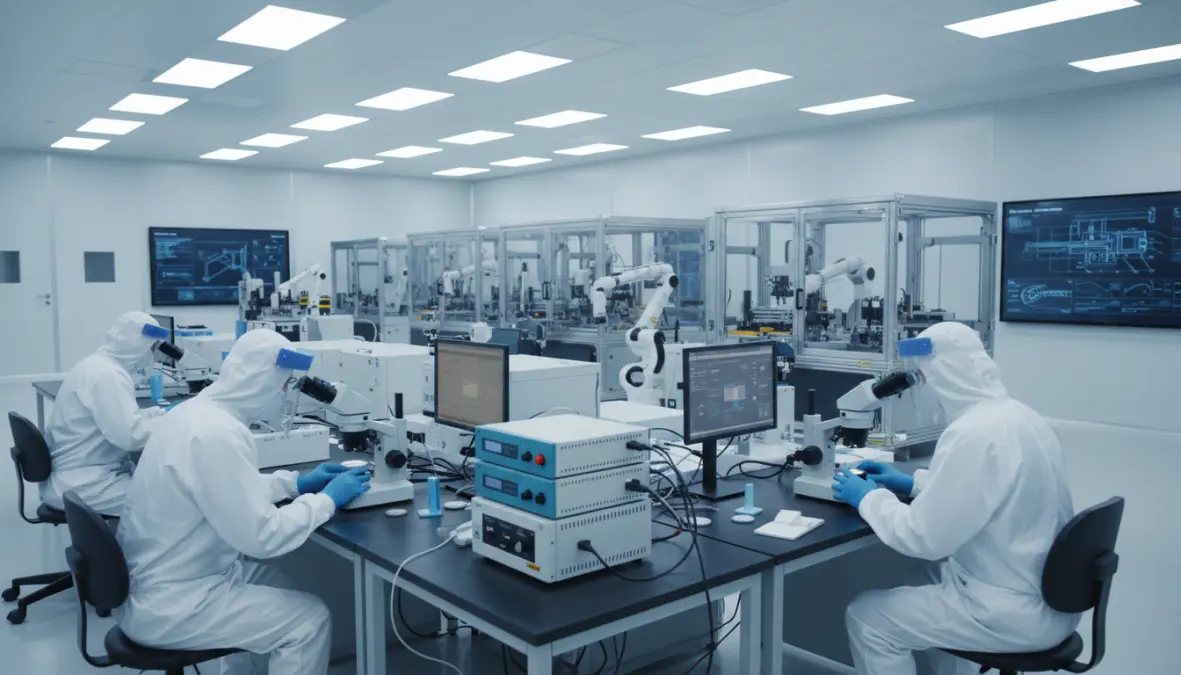
The best solid state battery companies—including QuantumScape (backed by Volkswagen), Solid Power (supported by BMW and Ford), Samsung SDI, and Toyota—are collectively investing billions, yet all face the same fundamental challenges. Manufacturing scalability tops the list. Producing solid electrolytes at scale requires entirely new fabrication processes. The materials are more expensive and harder to work with than liquid electrolytes, and quality control is significantly more demanding.
Interfacial resistance—the electrical resistance at the boundary between the solid electrolyte and electrodes—remains a stubborn problem. Despite progress in improving ionic conductivity, maintaining good contact between solid materials during thousands of charge cycles as the battery expands and contracts is fiendishly difficult. Dendrite formation prevention, while better than in liquid batteries, hasn’t been completely eliminated in all solid state designs.
The solid state battery cost comparison is sobering. Current estimates suggest early solid state batteries will cost 2-3 times more than equivalent lithium-ion packs. While costs will decline with scale, they’ll likely remain premium for years. This means initial applications will focus on high-value markets like luxury EVs or aerospace, not mass-market vehicles.
The realistic scenario isn’t immediate replacement but gradual coexistence. Much like how AI assistants are augmenting rather than replacing human workers, solid state batteries will initially complement lithium-ion in premium applications before eventually dominating. Lithium-ion technology itself continues improving—better chemistry, faster charging, longer life—so the target keeps moving.
FAQ: Solid State Battery Technology
Are solid state batteries available now?
Not for consumer purchase. While prototypes exist and some companies conduct limited trials, commercially available solid state batteries for vehicles or consumer electronics won’t arrive until late this decade at earliest. Current EVs and devices use lithium-ion exclusively.
How much do solid state batteries cost?
Production costs remain uncertain, but early estimates suggest $400-800 per kWh compared to $100-150 per kWh for current lithium-ion packs. Prices should decline significantly with manufacturing scale, but they’ll likely remain premium for years.
Which companies are developing solid state batteries?
Toyota leads automotive efforts, while QuantumScape, Solid Power, Samsung SDI, Panasonic, and CATL are major players. Most major automakers have partnerships or investments in solid state research, recognizing its strategic importance.
Will solid state batteries work in cold weather?
Yes, and better than lithium-ion. The solid electrolyte’s superior thermal stability means consistent performance across wider temperature ranges, addressing one of the biggest complaints about current EV batteries in winter climates.
The solid state battery revolution is coming—just not overnight. While the technology promises to solve nearly every limitation of current lithium-ion designs, the engineering and manufacturing challenges are substantial. Rather than waiting for the perfect battery, perhaps the smarter approach is embracing today’s improving EVs while supporting the research that will make tomorrow’s vehicles truly transformative. The question isn’t if solid state will replace lithium-ion, but when—and whether we’re patient enough to let the technology mature properly.