Vinyl Records Comeback: Why Analog Music Is Thriving in the Digital Age
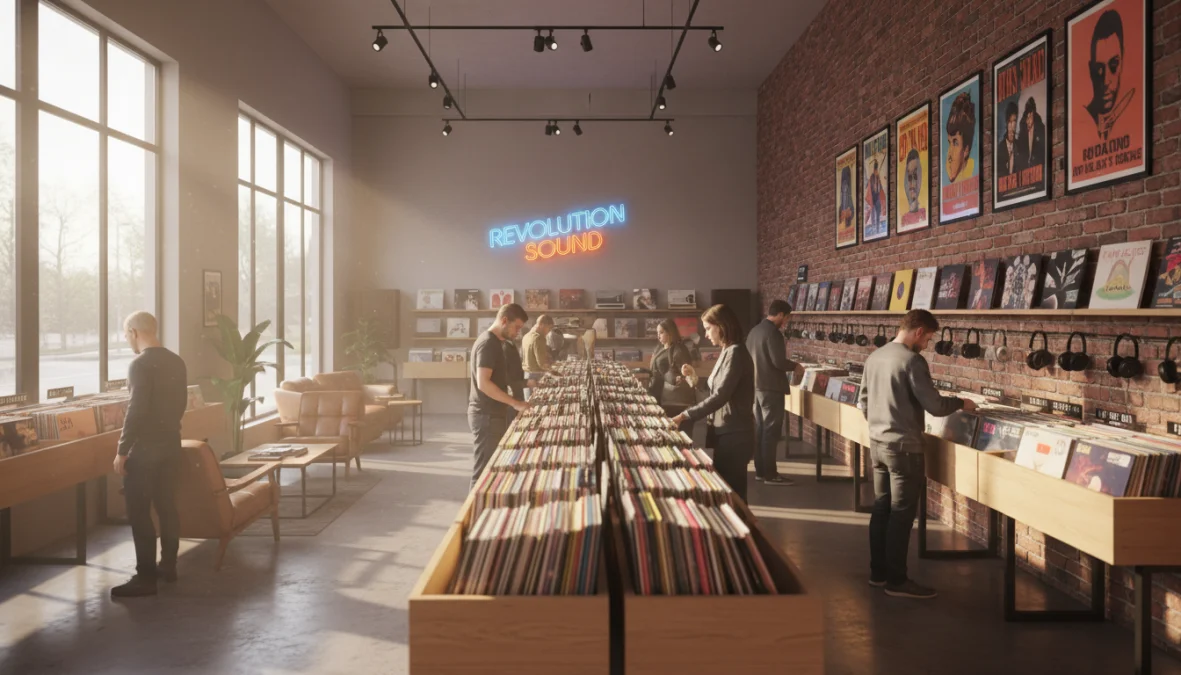
There’s something wonderfully ironic happening in our hyper-digital world: people are falling in love with a technology that predates the internet by decades. Walk into any urban neighborhood and you’ll likely spot a record store bustling with customers flipping through crates, or catch a glimpse of a turntable spinning in a friend’s living room. The vinyl records comeback isn’t just a fleeting trend—it’s a full-blown cultural renaissance that’s reshaping how we think about music consumption, ownership, and the listening experience itself.
The Numbers Behind the Vinyl Records Comeback
Let’s talk facts: vinyl sales growth has been nothing short of remarkable. For over fifteen consecutive years, vinyl has been the only physical format experiencing consistent growth while CDs and other media decline. In recent years, vinyl revenue has surpassed CD sales for the first time since the 1980s, with millions of LP albums flying off shelves annually.
What’s particularly fascinating about this physical media revival is the demographics driving it. While you might expect baby boomers nostalgically revisiting their youth, the reality is far more interesting. Generation Z and millennials are leading the charge, with younger buyers accounting for a significant portion of vinyl purchases. Many of these collectors weren’t even alive when vinyl was the dominant format—they’re discovering it fresh, without the baggage of “going back” to anything.
The record player resurgence mirrors these trends perfectly. Turntable sales have skyrocketed alongside vinyl purchases, with manufacturers scrambling to meet demand for everything from budget-friendly entry-level models to high-end audiophile gear. Record pressing plants, which were shutting down in droves just two decades ago, are now operating at full capacity, with some even reopening or expanding facilities to handle the overwhelming demand.
Why Listeners Are Choosing Vinyl Over Digital Streaming
Understanding why are vinyl records making a comeback requires looking beyond mere nostalgia. The vinyl vs digital debate reveals something profound about our relationship with music and technology. While streaming offers unprecedented convenience and access to millions of songs, it’s created what many call “music streaming fatigue”—a sense of overwhelming choice paired with a lack of meaningful connection.
Vinyl offers the antidote: a tangible music experience that demands intention and rewards attention. The turntable popularity surge reflects a broader desire to slow down and engage more meaningfully with art. When you buy a record, you’re making a commitment—to the artist, to the album as a complete work, and to the act of listening itself.
The Tangible Experience: Ritual and Intentionality in Music Consumption
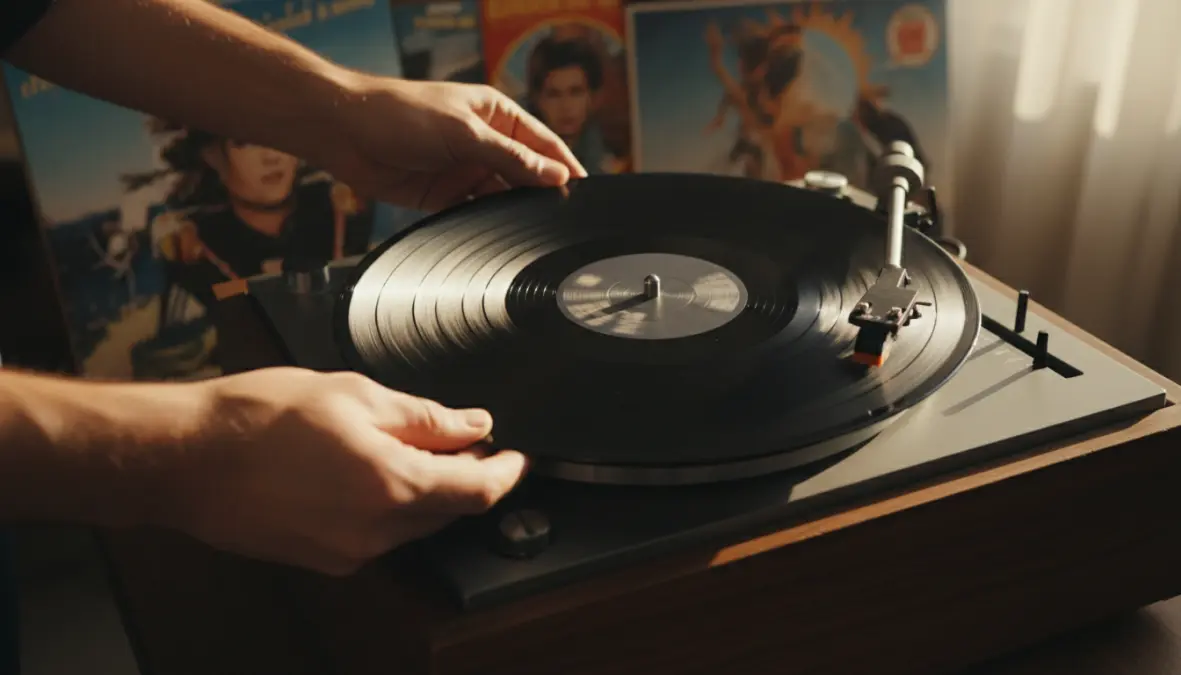
There’s an undeniable magic in the physical ritual of vinyl. Sliding the record from its sleeve, placing it on the platter, gently lowering the needle—these aren’t inconveniences, they’re part of the experience. This tactile engagement creates what audiophiles call “active listening,” where you’re fully present with the music rather than treating it as background noise.
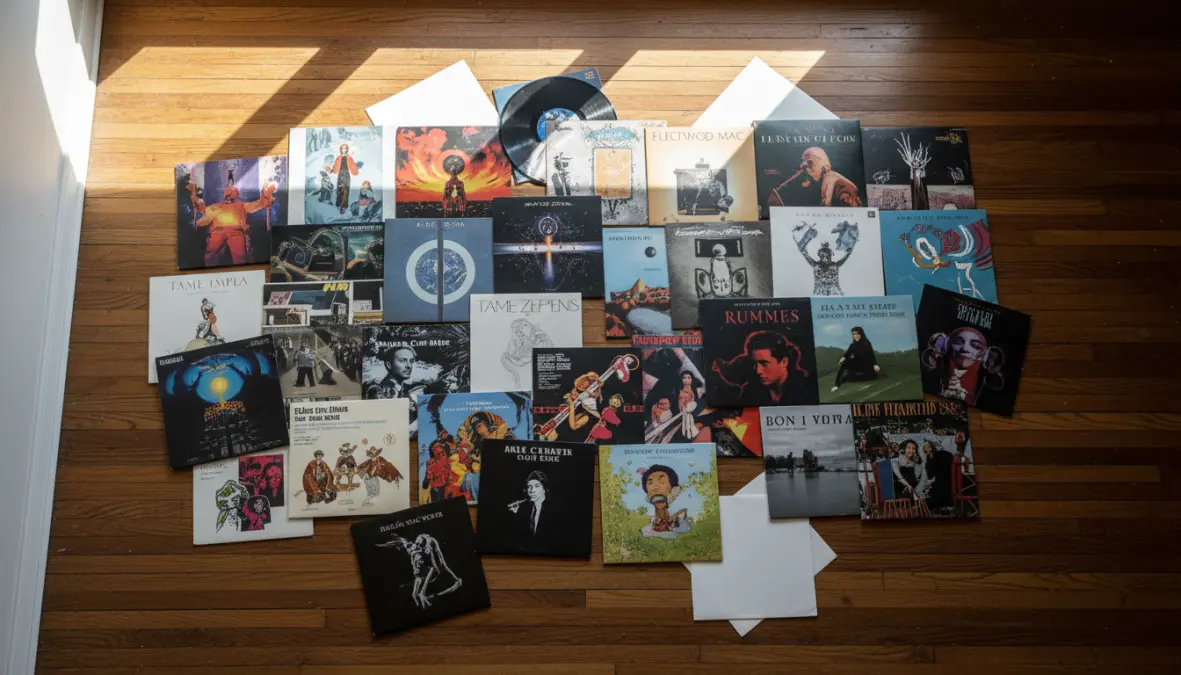
The album artwork becomes something you can actually hold and study, not a tiny thumbnail on a screen. Reading liner notes, examining production credits, and appreciating cover art in its intended 12-inch glory adds layers of meaning to the music. This is how to start a vinyl record collection the right way—understanding that you’re collecting experiences, not just songs.
Sound Quality Debate: Analog Warmth vs Digital Precision
The conversation around vinyl sound quality vs streaming often generates more heat than light, but the truth is nuanced. Vinyl enthusiasts rave about “analog warmth“—that rich, full-bodied sound characteristic of records. This warmth comes from the physical nature of analog recording, where sound waves are literally carved into the groove.
However, objectivity matters: digital formats technically offer higher fidelity and broader frequency ranges. What vinyl offers is a different listening experience, colored by the format’s inherent characteristics and, yes, limitations. Those pops and crackles, the slight compression, even the need to flip the record—for many listeners, these aren’t bugs but features. The audiophile culture has embraced high-quality turntable cartridges and vintage audio equipment to maximize vinyl’s potential, proving that the format can deliver genuinely impressive sound when properly executed.
The Vinyl Ecosystem: From Independent Record Stores to Major Labels
The analog music trend has breathed new life into an entire ecosystem. Independent record stores, once on the brink of extinction, are experiencing a renaissance. Record Store Day has become a legitimate cultural event, with exclusive releases drawing lines around the block. These shops serve as community hubs where collectors share discoveries and newcomers learn about caring for vinyl records properly.
Major labels, initially skeptical, now treat vinyl releases as essential revenue streams and marketing opportunities. Artists routinely release special vinyl editions with colored pressings, bonus tracks, and elaborate packaging. Taylor Swift, Billie Eilish, and Harry Styles have all broken vinyl sales records, proving the format’s commercial viability across genres.
The question of where to buy new vinyl records has expanded from dusty used shops to big-box retailers, online marketplaces, and direct-from-artist webstores. Meanwhile, vintage record stores near me searches have skyrocketed as collectors hunt for classic pressings and rare finds. The used market thrives alongside new releases, creating a sustainable circular economy.
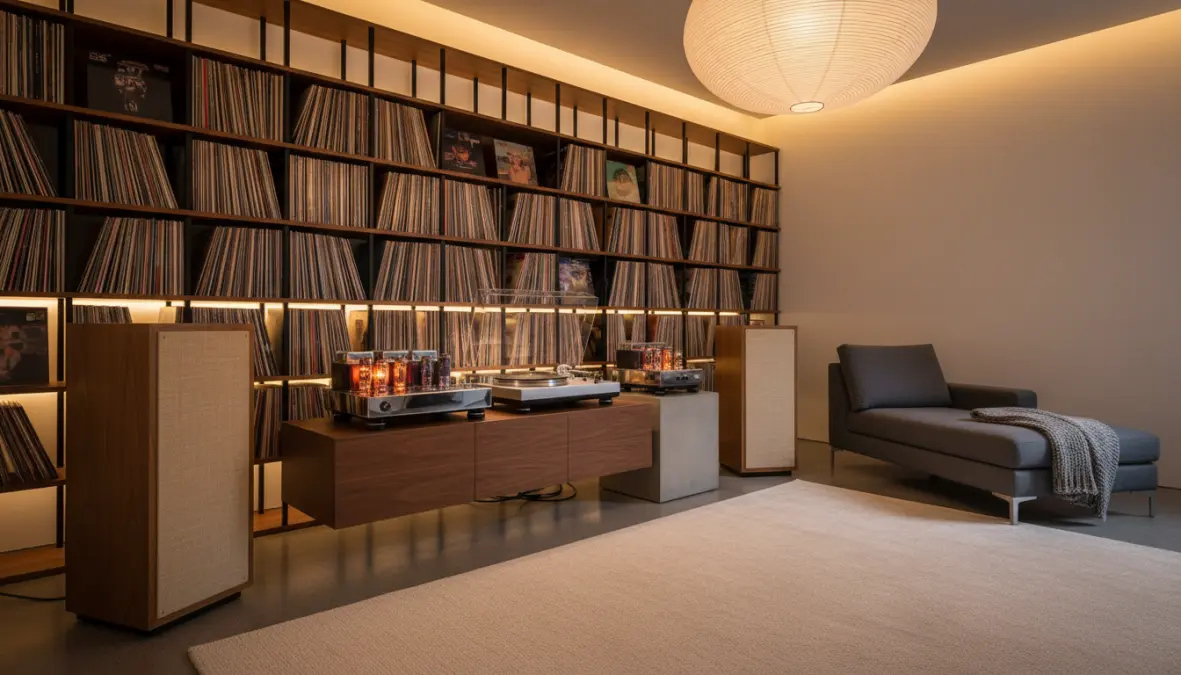
Looking for best turntables for vinyl collectors? The market now offers incredible variety, from affordable all-in-one units perfect for beginners to serious audiophile rigs with high-end cartridges and preamps. This diversity makes entry accessible while allowing room for growth as your collection and appreciation deepen.
FAQ: Common Questions About the Vinyl Resurgence
Is vinyl actually better quality than digital?
Not objectively—digital formats offer higher technical fidelity. However, vinyl provides a different listening experience with its characteristic analog warmth and organic sound. Many listeners prefer vinyl’s sonic signature, even if it’s technically less accurate. With quality equipment and well-pressed records, vinyl can sound phenomenal.
Why are vinyl records so expensive?
Several factors drive prices: limited record pressing plants operating at capacity, labor-intensive manufacturing, quality materials, and small production runs compared to streaming’s infinite replication. New albums typically range from $25-40, though prices vary based on pressing quality and packaging. However, the tangible music experience and collectible nature justify the cost for enthusiasts.
Are vinyl sales really increasing?
Absolutely. Vinyl sales growth has been consistent for over fifteen years, with vinyl now outselling CDs. Millions of LP albums sell annually, making it the strongest physical music format by far. This isn’t a bubble—it’s a sustained revival driven by genuine listener preference.
What equipment do I need to start collecting vinyl?
At minimum, you need a turntable, a phono preamp (often built into modern turntables), and speakers or headphones. Entry-level setups can start around $200-300 for decent quality. As you explore vintage audio equipment and upgrade components like turntable cartridges, your system can grow with your collection and budget.
The vinyl records comeback represents more than retro nostalgia—it’s a meaningful pushback against the disposable nature of digital culture. In choosing vinyl, listeners are voting for intentionality, ownership, and the irreplaceable experience of physical media. Whether you’re drawn by the sound, the ritual, or simply the joy of building a collection you can hold in your hands, there’s never been a better time to join the revival. Your next great listening experience might just be waiting in a record crate near you.