Cool Roof Technology: How Reflective Surfaces Combat Urban Heat
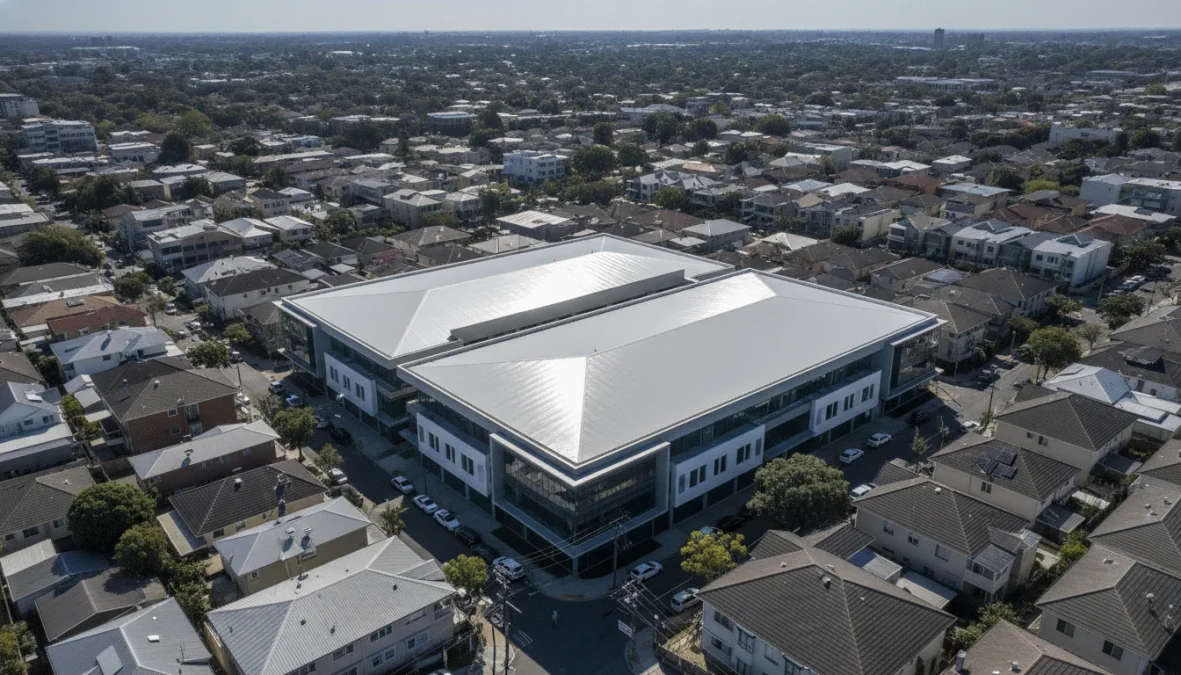
Ever touched a car roof on a scorching summer day? That searing heat isn’t just uncomfortable—it’s a symptom of a much bigger problem affecting cities worldwide. Traditional dark roofs can reach temperatures exceeding 150°F (65°C), turning buildings into giant heat absorbers that cook our urban environments from the top down. But what if roofs could actually reject heat instead of trapping it? That’s exactly what cool roof technology does, and it’s becoming one of the smartest weapons in our fight against rising urban temperatures.
What Is Cool Roof Technology and How Does It Work?
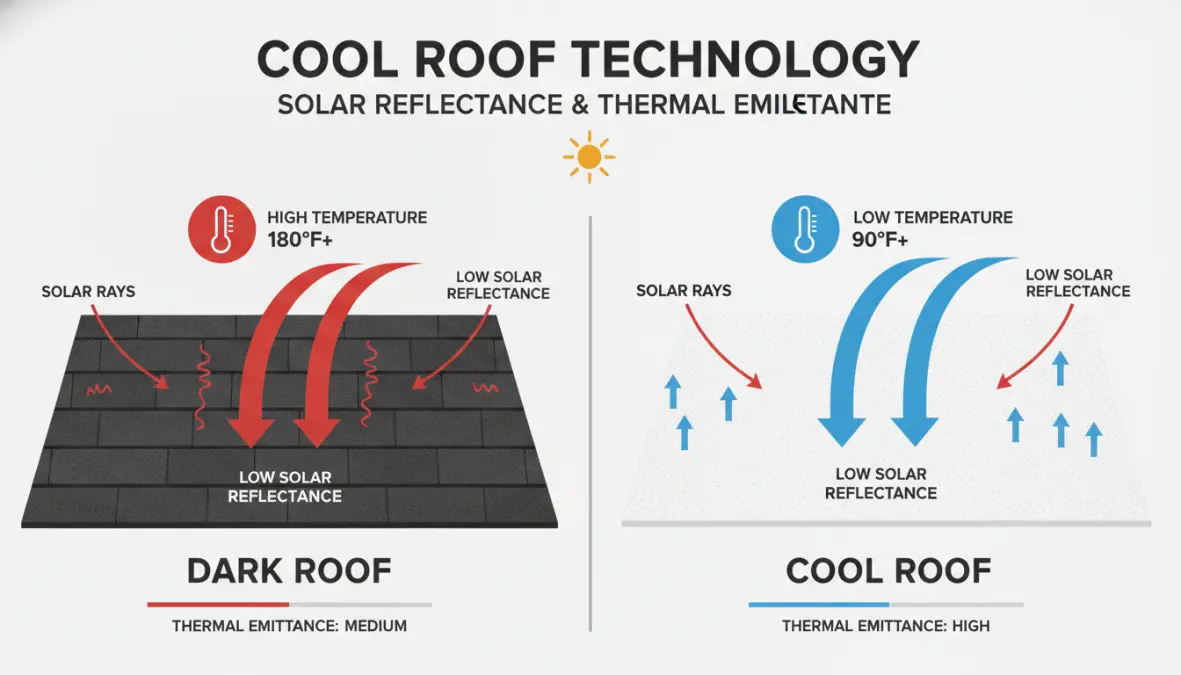
Cool roof technology relies on a brilliantly simple concept: surfaces that reflect more sunlight absorb less heat. Unlike conventional dark roofing that can reach extreme temperatures, reflective roofing materials bounce solar radiation back into the atmosphere, keeping buildings cooler without requiring any energy input.
The magic happens through two key properties. First, there’s solar reflectance—the ability to reflect visible, infrared, and ultraviolet light. A roof with high reflectance bounces away more solar energy before it can convert to heat. Second is thermal emittance, which measures how efficiently a surface releases absorbed heat. The best cool roofs excel at both, creating what scientists call the albedo effect—maximizing the amount of solar energy that never becomes problematic heat.
The Solar Reflectance Index (SRI) combines these two factors into a single metric, making it easier to compare different materials. SRI values range from 0 (standard black surface) to 100+ (perfectly reflective white surface). Most white roof technology solutions score 80 or higher, while traditional asphalt shingles often languish below 20.
Common cool roof implementations include white elastomeric coatings, specially formulated reflective tiles, light-colored metal roofing, and single-ply membranes designed specifically for solar reflection. Each works on the same principle but offers different installation methods, durability characteristics, and aesthetic options.
Cool Roofs and the Urban Heat Island Effect
Cities consistently run 2-5°F warmer than surrounding rural areas—a phenomenon called the urban heat island effect. During heat waves, this temperature difference can spike to 10°F or more, creating dangerous conditions for vulnerable populations. This happens because concrete, asphalt, and traditional roofing materials absorb and retain solar energy throughout the day, then radiate it back as heat well into the night.
Roofs typically cover 20-25% of urban surfaces, making them significant contributors to this problem. A conventional dark roof absorbs 80-95% of incoming solar radiation, transforming buildings into thermal batteries that store heat and demand massive air conditioning to compensate. This creates a vicious cycle: more cooling means more energy consumption, which generates more waste heat from HVAC systems, further warming the urban environment.
Enter reflective roofing materials as a game-changer. Studies show that widespread cool roof adoption can reduce neighborhood temperatures by 2-3°F on average. In densely built areas, the effect can be even more pronounced. Berkeley Lab research found that rooftop temperature reduction through cool roofs can lower surface temperatures by 50-60°F compared to traditional materials—that’s the difference between touching a warm surface and getting burned.
The benefits extend far beyond just cooler rooftops. Buildings with cool roofs reduce their air conditioning energy use by 10-30%, with the highest savings in hot, sunny climates. This translates to lower utility bills and reduced strain on electrical grids during peak demand periods. Additionally, cooler cities mean better air quality—higher temperatures accelerate the formation of ground-level ozone and smog, so reducing urban heat actually helps residents breathe easier.
As cities explore comprehensive urban heat island solutions, cool roof technology stands out as one of the most cost-effective and immediately deployable strategies available, fitting naturally into ongoing building maintenance and upgrade cycles.
Types of Cool Roof Solutions and Materials
Not all cool roofs look alike, and choosing the right solution depends on your building type, climate, and budget. Here’s what’s available in the market:
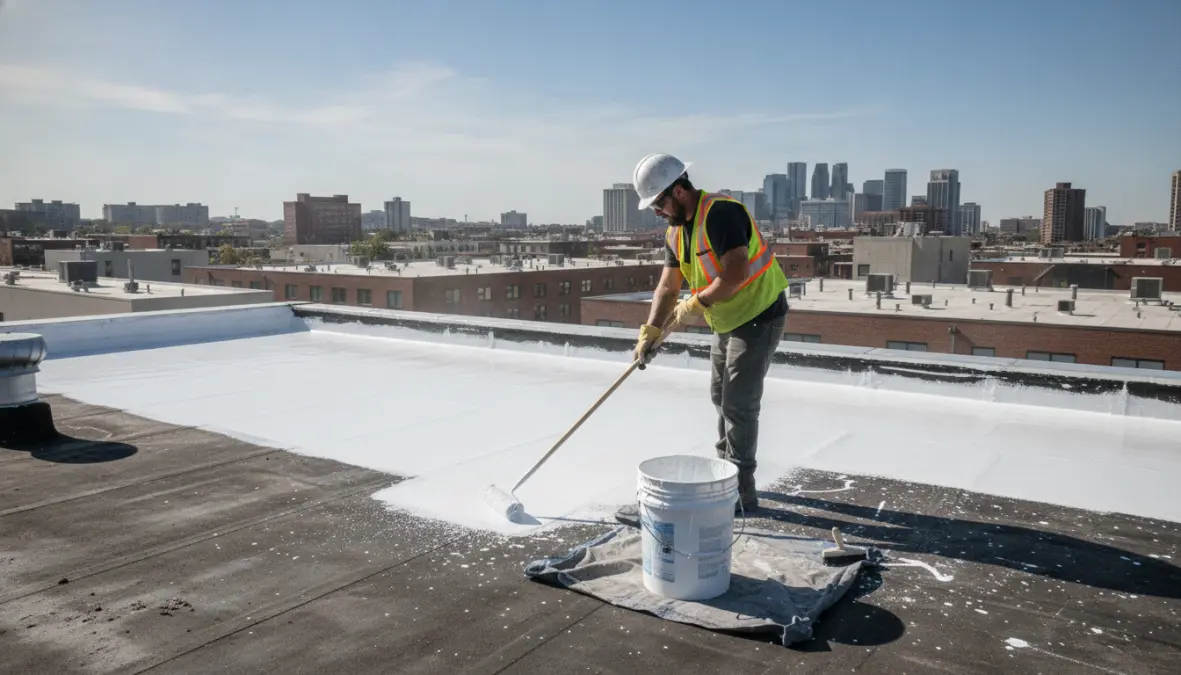
Cool roof coatings represent the most versatile option, especially for retrofitting existing structures. These liquid-applied products come in several formulations. Elastomeric coatings offer excellent durability and flexibility, expanding and contracting with temperature changes without cracking. Acrylic coatings provide good reflectivity at a lower cost, though they may require more frequent reapplication. Heat reflective paint can transform a dark roof into a cool one in just a day or two, making it ideal for installing cool roof coatings on existing buildings without major construction.
Single-ply membranes like TPO (thermoplastic polyolefin) and PVC (polyvinyl chloride) are popular for commercial flat or low-slope roofs. These factory-manufactured sheets come in bright white or light colors and offer inherent solar reflectance built into the material itself. They’re durable (typically lasting 20-30 years), resistant to UV degradation, and require minimal maintenance. TPO has become especially popular due to its combination of performance and cost-effectiveness.
For sloped residential roofs, cool roof shingles and tiles have evolved significantly. Modern formulations use special granules and pigments that reflect infrared radiation while allowing virtually any color palette—meaning you can have a darker-colored roof that still performs like a cool roof. Metal roofing with reflective coatings excels in nearly all climates, offering exceptional longevity (50+ years) alongside superior solar reflectance.
Climate considerations matter when selecting the best reflective roofing materials for hot climates. In consistently hot, sunny regions like the Southwest, maximum reflectivity pays dividends year-round. In mixed climates with cold winters, you’ll want to balance cooling benefits against potential heating penalties—though research shows the cooling savings typically outweigh any winter heating increases. In predominantly cold climates, cool roofs may not make economic sense, though they can still help with summer comfort and air quality.
FAQ
How much can cool roofs reduce energy costs?
Energy savings vary by climate, building type, and existing insulation, but most buildings see air conditioning cost reductions of 10-30%. In hot climates with poorly insulated buildings, savings can exceed 50%. The U.S. Department of Energy estimates that cool roofs save an average of $0.50 per square foot annually in reduced cooling costs. For a typical 2,000 sq ft home, that’s around $1,000 in savings over the roof’s lifetime—often enough to offset the slightly higher upfront cost of energy efficient roofing materials.
Do cool roofs work in all climates?
Cool roofs provide maximum benefits in hot, sunny climates where cooling demands dominate. They work well in mixed climates too, though the advantages diminish in regions with harsh winters where heating costs outweigh cooling expenses. The solar reflectance index requirements for green building certifications often vary by climate zone for this reason. Generally, if your building runs air conditioning for more than three months annually, cool roof technology will likely provide net energy and cost benefits.
What is the lifespan of cool roof coatings?
Quality cool roof coatings typically last 10-20 years, depending on the product type, application quality, climate exposure, and maintenance. Elastomeric coatings tend toward the longer end of this range, while basic acrylic coatings may need renewal after 8-12 years. Most manufacturers recommend periodic inspections and minor touch-ups to maximize longevity. The good news? Recoating is usually simpler and cheaper than the initial application.
Are cool roofs more expensive than traditional roofs?
Initial costs for cool roof technology range from comparable to 10-20% more expensive than conventional alternatives, depending on the specific materials chosen. However, this modest premium often pays for itself through energy savings within 3-7 years. Additionally, cool roofs may qualify for utility rebates, tax incentives, or contribute toward LEED certification roofing credits, further improving their economic value. When you factor in reduced HVAC wear and extended roof lifespan due to lower thermal stress, cool roofs frequently prove cheaper over their full lifecycle.
As urban populations grow and climate change intensifies heat challenges, cool roof technology offers a practical, proven solution that delivers immediate benefits. Whether you’re a homeowner looking to cut energy bills, a building manager seeking sustainable building materials, or a city planner implementing urban climate mitigation strategies, reflective roofing deserves serious consideration. It’s not just about individual buildings—it’s about creating cooler, healthier, more sustainable cities for everyone. The next time you see a brilliantly white roof gleaming in the sun, remember: that’s not just a roof, it’s a passive cooling strategy fighting urban heat one building at a time.