Agrivoltaics: How Solar Panels and Agriculture Create Dual Land Use Solutions
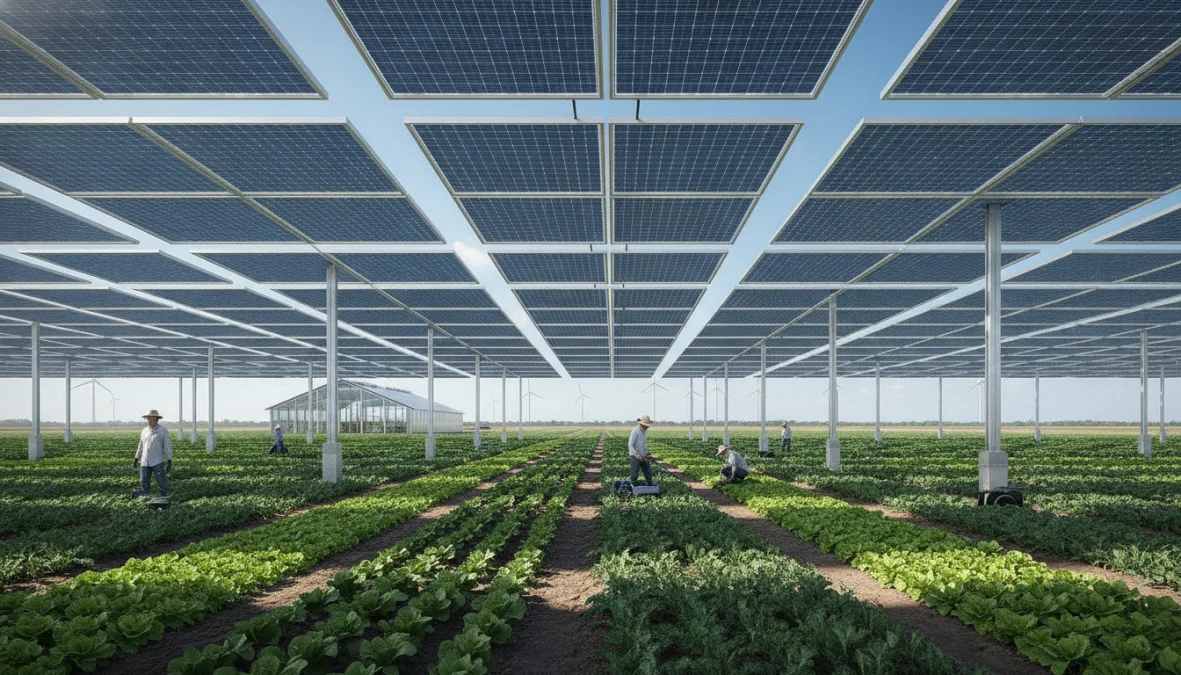
Imagine a farm where rows of crops grow beneath towering solar panels, creating energy while producing food on the same plot of land. This isn’t science fiction—it’s agrivoltaics, an innovative approach that’s transforming how we think about land use. As the world grapples with climate change, food security, and energy demands, this dual land use solution offers a promising path forward. Farmers are discovering they don’t have to choose between cultivating crops and generating renewable energy—they can do both simultaneously, often with surprising benefits for their bottom line and the environment.
What Is Agrivoltaics and How Does It Work?
Agrivoltaics, also known as photovoltaic agriculture or solar farming, is the practice of combining solar panel installation with agricultural production on the same land. The concept centers on dual land use—maximizing the productivity of every square meter by generating clean energy above while growing crops or raising livestock below.
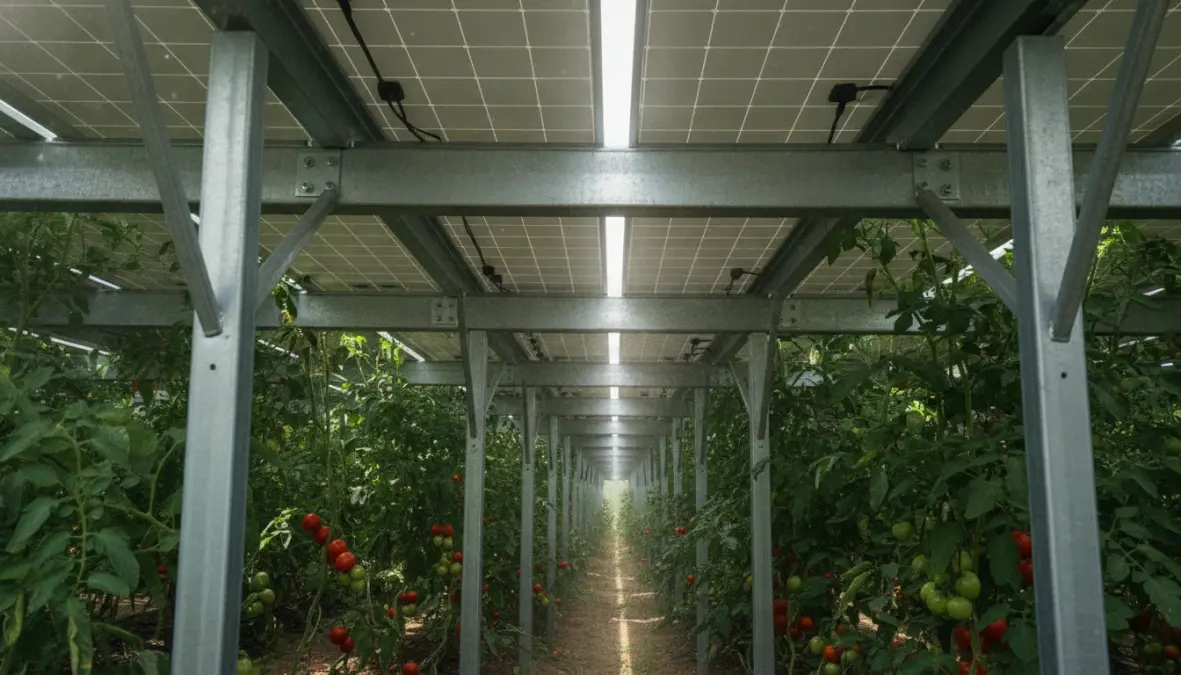
The technical implementation varies depending on farm needs and crop types. In the most common model, photovoltaic systems are mounted on elevated structures—typically 2 to 5 meters high—allowing farm equipment and workers to move freely underneath. The panels are spaced to create a balance between energy generation and adequate sunlight for plant growth, usually covering 30-60% of the land area.
Several implementation models exist: elevated solar arrays that allow full machinery access, widely-spaced panel configurations that create alternating sun and shade patterns, and systems designed specifically for shade-tolerant crops with denser panel coverage. Some innovative farms use bifacial solar modules that capture sunlight from both sides, increasing efficiency while allowing more light to filter through to crops below.
The concept emerged in the 1980s when German researcher Adolf Goetzberger first proposed combining energy and food production. Since then, it has evolved from experimental plots to commercial operations spanning hundreds of acres across Europe, Asia, and increasingly North America. Modern agrivoltaic installations incorporate sophisticated tracking systems and optimized panel angles to maximize both energy output and crop yields.
Key Benefits of Combining Solar Panels with Agriculture
The advantages of renewable energy farming extend far beyond simply using land twice. For farmers, the most immediate benefit is economic diversification—generating two income streams from a single plot. Solar energy production provides steady, predictable revenue that helps offset the volatility of agricultural markets. Studies show farmers can increase overall land productivity by 35-73% when properly implementing agrivoltaic systems.
From an environmental perspective, the benefits are equally compelling. The partial shade created by solar panel installation reduces water evaporation from soil, decreasing irrigation needs by up to 20-30% in arid regions. This microclimate management also protects delicate crops from extreme weather—hail damage, excessive heat, and frost exposure all decrease under solar canopies. Meanwhile, the system contributes to carbon footprint reduction by generating clean energy while maintaining carbon-sequestering agricultural land.
Perhaps most surprisingly, many crops actually thrive under agrivoltaic conditions. Research from the University of Arizona found that tomatoes, peppers, and leafy greens showed increased yields when grown with 30-50% shade coverage. The cooler, more humid microclimate beneath panels reduces plant stress during heat waves, extends growing seasons, and can improve fruit quality. Additionally, the solar infrastructure provides ready-made support for climbing plants and protective netting.
Sustainable agriculture practitioners appreciate how agrivoltaics addresses land optimization challenges. Rather than converting productive farmland entirely to solar farms—a growing concern as renewable energy expands—this approach preserves agricultural capacity while meeting clean energy goals. This is particularly valuable in regions where arable land is scarce or under development pressure. Similar to how vertical farming maximizes urban space, agrivoltaics maximizes rural land productivity through innovative design.
Implementing Agrivoltaic Systems: Considerations and Best Practices
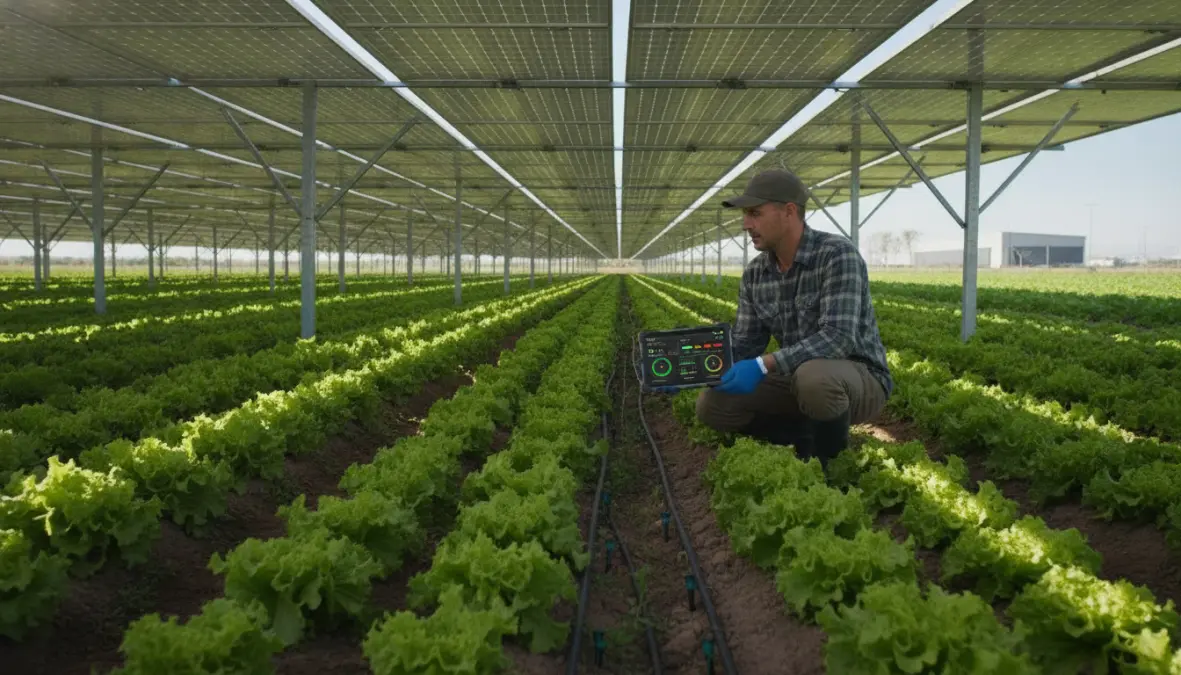
Successfully implementing photovoltaic agriculture requires careful planning and consideration of multiple factors. The first critical decision involves selecting appropriate crops. Best crops for agrivoltaic systems include lettuce, spinach, kale, berries, tomatoes, peppers, and herbs—plants that naturally tolerate or benefit from partial shade. Conversely, crops requiring full sun exposure like corn, wheat, and most grains are less suitable unless panel spacing is optimized for their needs.
The agrivoltaic system design and implementation process begins with site assessment. Factors include solar exposure patterns, existing crop types, soil conditions, and available infrastructure. Panel height must accommodate farming equipment—tractors, harvesters, and irrigation systems all require adequate clearance. Most installations use 3-4 meter mounting heights as a practical compromise. Panel orientation and tilt angles affect both energy generation and the shadow patterns cast on crops below, requiring careful modeling before installation.
Economic considerations loom large for most farmers. Initial installation costs for agrivoltaic systems run higher than traditional solar farms due to elevated mounting structures and specialized engineering. However, the economic benefits of dual land use farming become apparent over time. Farmers maintain agricultural income while adding energy revenue, often achieving payback periods of 8-12 years. Government incentives, renewable energy credits, and power purchase agreements can significantly improve financial returns.
Common challenges include higher maintenance requirements (panels need cleaning without damaging crops), potential complications with farm equipment operation, and the learning curve for managing crops under modified light conditions. Successful projects address these through thoughtful design—using panels with sufficient spacing for tractor access, implementing remote monitoring systems, and starting with shade-tolerant crop varieties before expanding to more challenging plants.
Examples of successful implementations worldwide provide valuable lessons. In France, the Tresserre project combines sheep grazing with solar energy production across 4.5 hectares. Japan has pioneered agrivoltaics for rice cultivation, while California farms are increasingly adopting the practice for high-value berry production. These projects demonstrate that with proper planning, solar panels effect on crop yields can be neutral or even positive while providing substantial energy generation benefits.
Just as organizations are exploring carbon credits for climate action, agrivoltaic farmers can potentially benefit from carbon offset programs while contributing to farm diversification and resilience.
FAQ: Common Questions About Agrivoltaics
Do solar panels reduce crop yields?
Not necessarily. While sun-loving crops may see reduced yields, many vegetables and fruits actually perform better with partial shade. Studies show shade-tolerant crops like leafy greens, berries, and tomatoes often produce equal or higher yields under agrivoltaic systems, especially in hot climates where panels reduce heat stress.
What crops are best suited for agrivoltaic systems?
Leafy greens (lettuce, spinach, kale), berries (strawberries, raspberries), nightshades (tomatoes, peppers), herbs, and certain root vegetables excel in agrivoltaic environments. These crops naturally tolerate or benefit from partial shade and the modified microclimate beneath solar panels.
How much does an agrivoltaic system cost?
Installation costs vary widely based on system size and design, typically ranging from $1,000 to $3,000 per kilowatt of capacity—higher than ground-mounted solar due to elevated structures. However, continued agricultural revenue and energy income combine to improve ROI compared to converting farmland entirely to solar energy generation.
Can livestock grazing be combined with solar panels?
Absolutely. Sheep grazing beneath solar arrays has become particularly popular, as the animals naturally maintain vegetation while benefiting from shade. Poultry farming also works well, with chickens thriving in the protected microclimate while controlling pests and weeds around panel structures.
What is the difference between agrivoltaics and traditional solar farms?
Agrivoltaics actively maintains agricultural production alongside energy generation, using elevated panels with spacing designed for crop or livestock needs. Traditional solar farms completely replace agriculture with energy infrastructure, using ground-mounted panels optimized solely for electricity production without considering dual land use benefits.
As climate pressures intensify and demand for both food and clean energy grows, agrivoltaics represents a practical solution that doesn’t force us to choose between essential needs. By thoughtfully combining crop production solar systems with traditional farming, we can create more resilient, productive, and sustainable agricultural landscapes. Whether you’re a farmer exploring diversification options or simply interested in innovative sustainability solutions, agrivoltaics demonstrates how creative thinking can turn apparent conflicts into complementary opportunities.