Quantum Sensing: How Quantum Physics Is Creating Ultra-Precise Measurement Tools
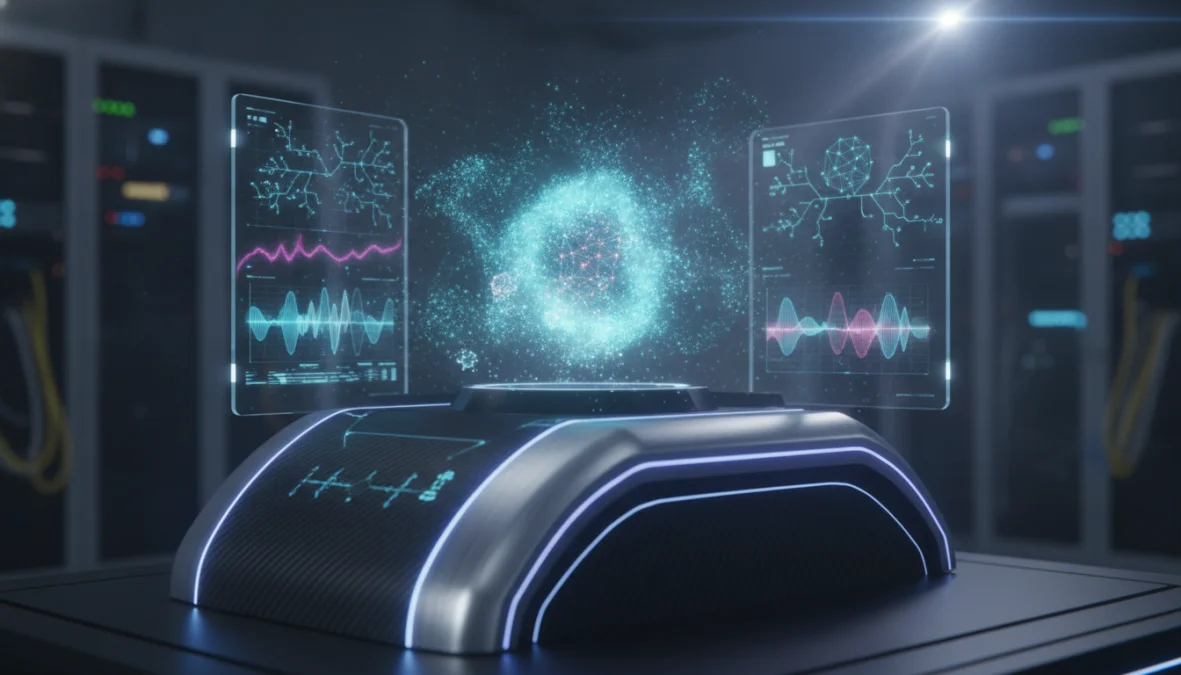
Imagine a sensor so sensitive it can detect the gravitational pull of a single grain of sand, or a clock so accurate it wouldn’t lose a second in billions of years. Sound like science fiction? Welcome to the world of quantum sensing, where the bizarre rules of quantum physics are transforming how we measure reality itself. These ultra-precise measurement tools are leveraging quantum phenomena like superposition and quantum entanglement to achieve levels of sensitivity that classical sensors simply can’t match—and they’re poised to revolutionize everything from brain imaging to submarine detection.
What Is Quantum Sensing and Why It Matters
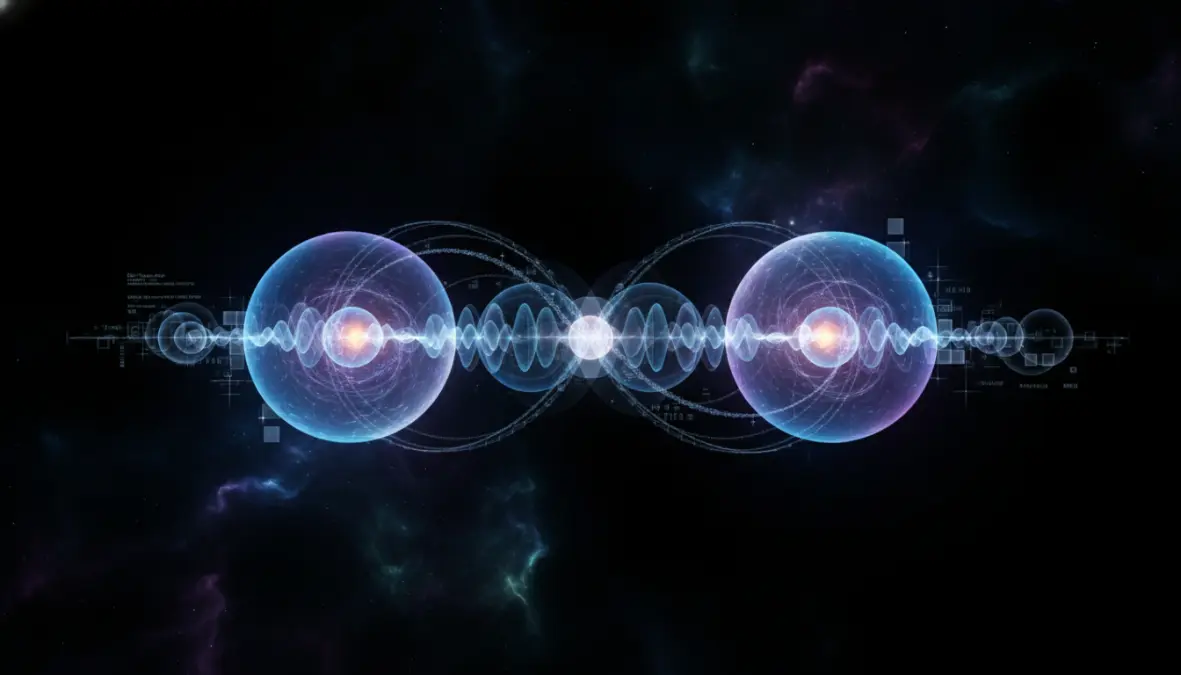
At its core, quantum sensing harnesses the peculiar properties of quantum mechanics to create measurement devices with unprecedented precision. Unlike classical sensors that rely on everyday physics, quantum sensors exploit quantum phenomena such as superposition (where particles exist in multiple states simultaneously) and quantum entanglement (where particles remain mysteriously connected regardless of distance) to detect the tiniest changes in their environment.
Understanding how quantum sensing works requires grasping a fundamental difference: while traditional sensors measure physical changes directly, quantum sensors use delicate quantum states as their measuring stick. Think of it like using a single atom as your ruler instead of a metal rod—it’s far more sensitive to environmental disturbances. This approach enables precision measurement capabilities that outperform quantum sensors vs classical sensors by orders of magnitude in many applications.
The implications are massive. In medicine, quantum sensors are enabling new forms of brain imaging without bulky equipment. Navigation systems could work in GPS-denied environments like underwater or underground. Geologists can detect mineral deposits or monitor volcanic activity with unprecedented accuracy. Even defense applications, from detecting stealth submarines to advanced radar systems, are being transformed. The quantum advantage isn’t just incremental—it represents a fundamental leap in our ability to observe and measure the physical world.
Key Types of Quantum Sensors and Their Applications
The field of quantum metrology encompasses several distinct sensor types, each exploiting different quantum phenomena to achieve remarkable measurement capabilities. Let’s explore the most promising technologies that are moving from lab curiosities to real-world applications.
Atomic Clocks and Quantum Magnetometers
Atomic clocks represent one of the most mature quantum sensing technologies, using the ultra-stable oscillations of atoms to keep time with extraordinary precision. Modern optical atomic clocks are so accurate they wouldn’t drift by even a second over the entire age of the universe. This isn’t just about knowing what time it is—these clocks are critical infrastructure for GPS navigation, telecommunications network synchronization, and even high-frequency financial trading where microseconds matter. The coherence of quantum states allows these devices to maintain their accuracy indefinitely.
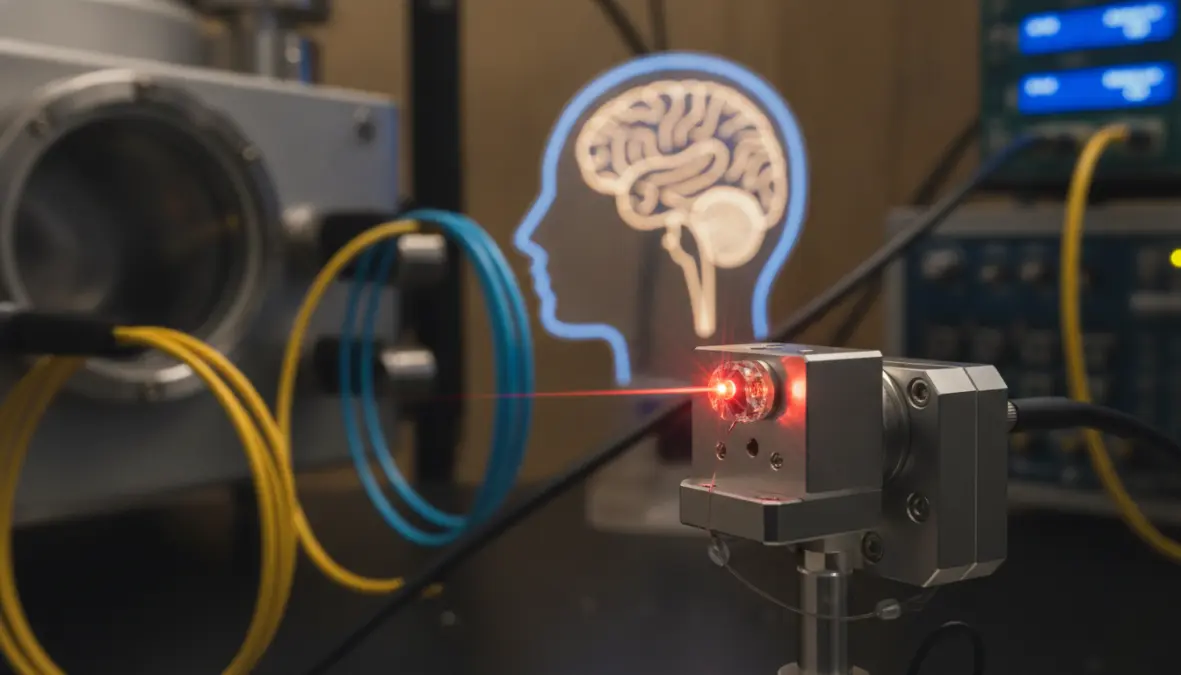
Quantum magnetometers, particularly those using nitrogen-vacancy centers in diamond or qubit sensors, can detect magnetic fields billions of times weaker than a refrigerator magnet. In medicine, these sensors enable magnetoencephalography (MEG) for brain imaging without requiring patients to sit inside massive, expensive machines. Military applications include detecting submarines by sensing the tiny magnetic anomalies their metal hulls create in Earth’s magnetic field. Archaeologists are using them to discover buried structures without excavation, while geologists map underground mineral deposits with unprecedented detail.
Quantum Gravimeters and Quantum Imaging Systems
Quantum gravimeters use atom interferometry to measure gravitational acceleration with extreme precision, detecting variations caused by differences in underground density. These quantum sensors are revolutionizing resource exploration—oil and gas companies can identify subsurface reservoirs, while water management agencies locate aquifers in drought-prone regions. Civil engineers use quantum gravimeters to detect voids beneath roads and buildings before they become sinkholes. Volcanologists monitor magma movement deep underground, potentially improving eruption predictions and saving lives.
Quantum imaging systems leverage squeezed light and quantum correlations to see what classical cameras cannot. These sensors can image through obscuring media like fog, smoke, or biological tissue with clarity impossible for conventional optics. Quantum sensing applications in medicine include advanced microscopy that reveals cellular structures at the molecular level without damaging living tissue. Security applications range from seeing through packaging to detect contraband to identifying chemical signatures from a distance. Some systems can even create 3D images using single photons, opening possibilities for ultra-low-light imaging in space exploration and nighttime surveillance.
The Future of Quantum Sensing Technology
Despite their incredible capabilities, today’s quantum sensors face significant challenges preventing widespread adoption. Most require cryogenic cooling, making them bulky and power-hungry. Manufacturing costs remain prohibitively high for many applications. The delicate quantum states these devices rely on are easily disrupted by vibrations, temperature fluctuations, and electromagnetic interference—fine in a laboratory, problematic in a bouncing vehicle or harsh industrial environment.
However, recent advances are rapidly addressing these limitations. Researchers have developed chip-scale atomic clocks small enough to fit in smartphones. Room-temperature quantum magnetometers using nitrogen-vacancy centers are now commercially available. Commercial quantum sensing devices are entering markets from geological surveying to medical diagnostics, with prices dropping as production scales up. Companies are developing ruggedized systems that can withstand field conditions while maintaining quantum advantage over classical alternatives.
Looking ahead, the potential applications are staggering. Quantum sensing for navigation could enable GPS-independent positioning for autonomous vehicles in urban canyons and tunnels. Quantum radar technology explained involves using quantum entanglement to detect stealth aircraft that evade conventional radar. Climate scientists envision networks of quantum gravimeters monitoring ice sheet melting and groundwater depletion in real-time. Healthcare could see portable quantum sensors for early disease detection through biomagnetic signals.
The convergence of quantum sensing with other emerging technologies promises even greater impact. Combined with artificial intelligence for data analysis and quantum communication networks like those described in quantum internet infrastructure, these sensors will form the perception layer of future smart systems. As precision measurement capabilities continue improving while costs and size decrease, quantum sensing will transition from specialized scientific instrument to ubiquitous enabling technology—quietly revolutionizing how we interact with and understand our world, one quantum state at a time.