Digital Twin Technology: How Virtual Replicas Are Transforming Industries
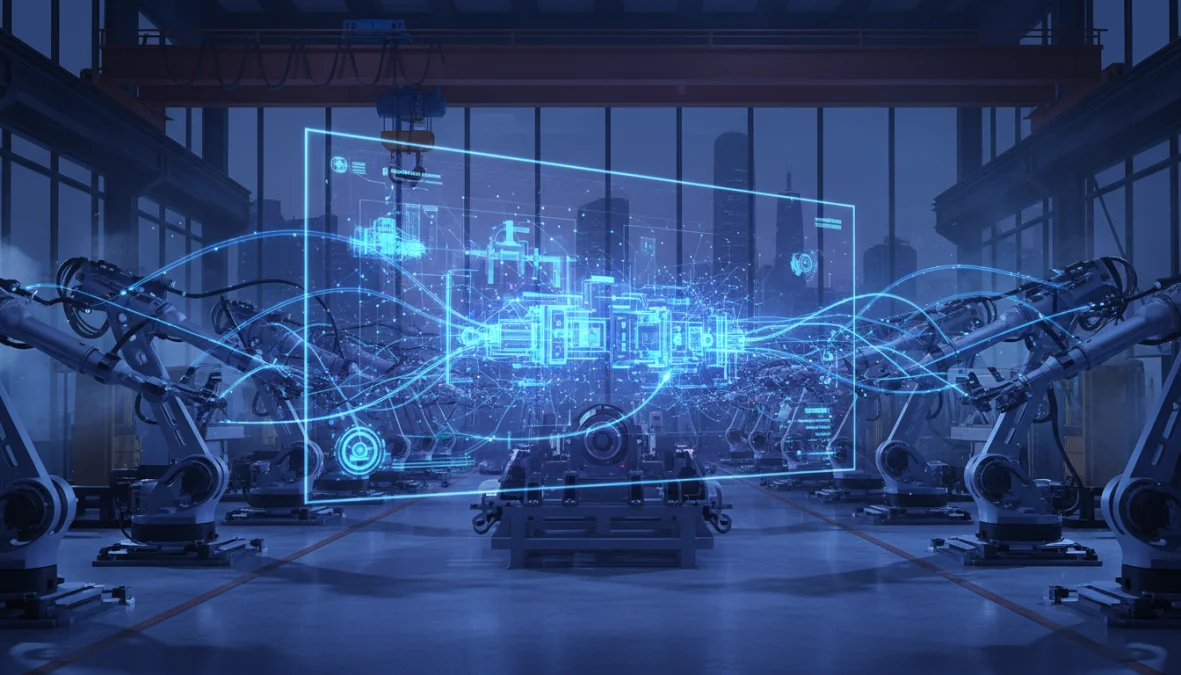
Imagine being able to test a new jet engine without ever building it, or predict when a wind turbine will fail weeks before it actually does. Sounds like science fiction? Welcome to the world of digital twin technology, where virtual replicas of physical objects are revolutionizing how businesses operate, innovate, and stay ahead of the competition. This cutting-edge approach is reshaping everything from factory floors to hospital wards, and it’s just getting started.
What Is Digital Twin Technology and How Does It Work?
At its core, digital twin technology creates a virtual replica technology that mirrors a physical object, system, or process in real-time. Unlike static 3D models that just sit there looking pretty, digital twins are dynamic, living representations that continuously update themselves based on data flowing from the real world.
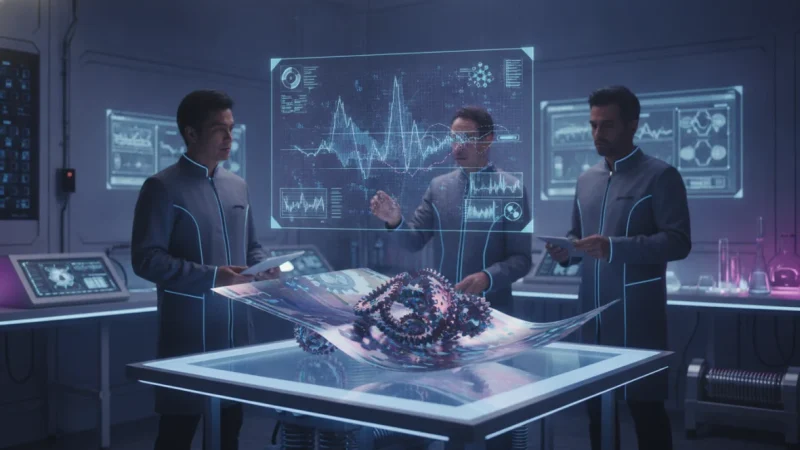
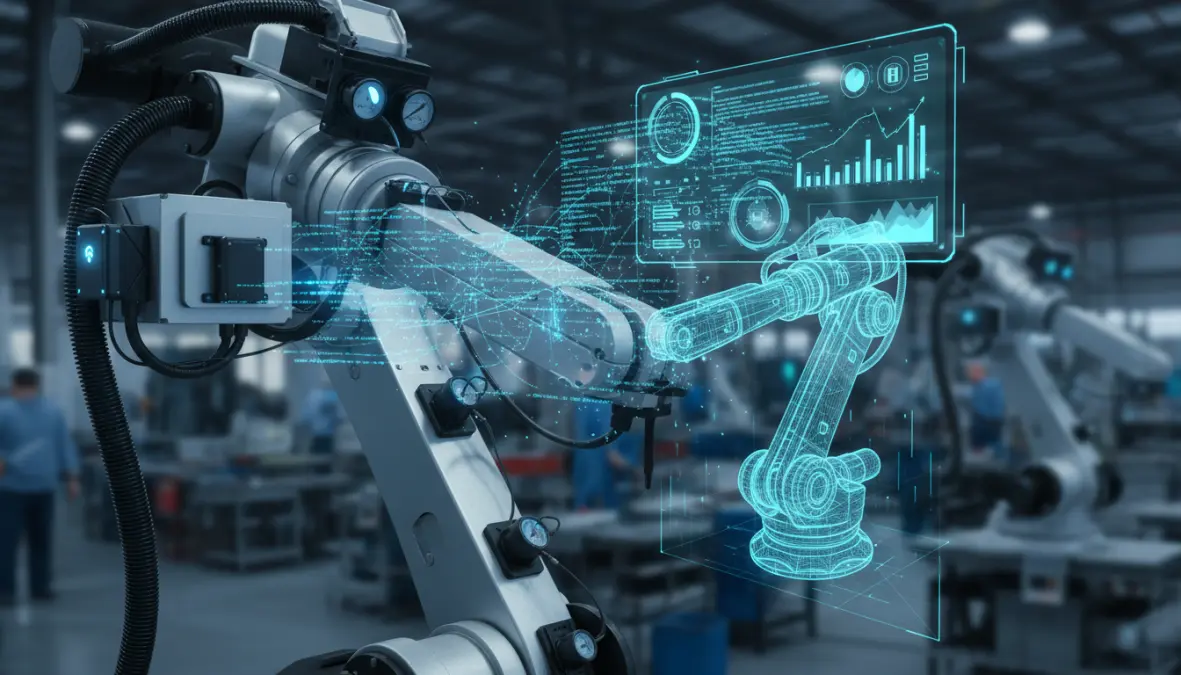
So how does digital twin technology work exactly? The magic happens through a combination of IoT sensors attached to physical assets, advanced digital twin software, and sophisticated analytics. These sensors collect data on everything from temperature and vibration to performance metrics, feeding this information into the virtual model. The digital twin then uses this data to simulate behavior, predict outcomes, and identify potential issues before they become expensive problems.
Think of it as having a crystal ball for your equipment, but instead of mystical predictions, you get scientifically-backed insights. The concept actually traces back to NASA, which pioneered the approach during the Apollo program to monitor spacecraft from Earth. Today’s digital twins consist of three key components: the physical asset itself, the virtual model created through 3D modeling and simulation software, and the continuous data connection that keeps them synchronized. This integration with Industry 4.0 principles makes digital twins essential for modern manufacturing and beyond.
Digital Twin Applications Across Key Industries
The beauty of digital twin applications lies in their versatility. From massive industrial operations to individual patient care, digital twin platforms and solutions are proving their worth across virtually every sector imaginable.
Manufacturing and Product Development
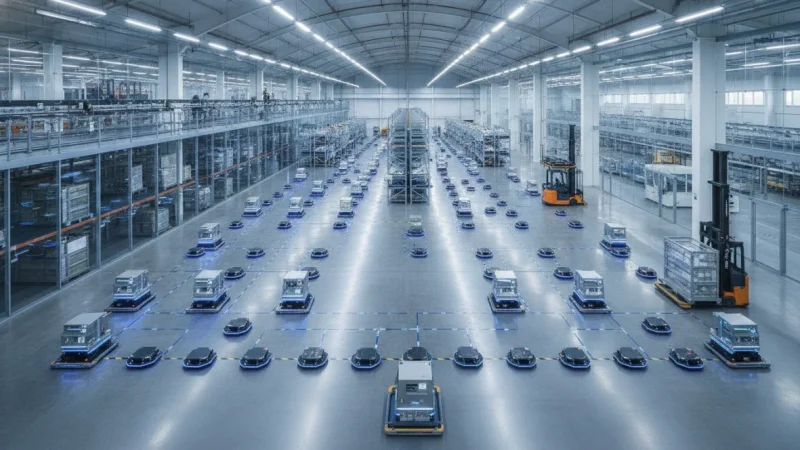
Digital twin technology in manufacturing is perhaps the most mature application area. Automotive giants like BMW and Tesla use virtual prototypes to test vehicle designs under countless scenarios without building expensive physical prototypes. This approach slashes development time and costs while improving final product quality.
On the factory floor, digital twin solutions enable predictive maintenance that’s changing the game for asset performance managementreal-time monitoring through digital twins to predict failures with remarkable accuracy. A production line can be virtually tested and optimized before a single bolt is tightened in the real world.
Aerospace companies are particularly enthusiastic adopters, using digital twins to monitor aircraft engines throughout their lifecycle. General Electric, for instance, creates digital twins of its jet engines, tracking performance and predicting maintenance needs across thousands of flights. This reduces downtime, extends equipment life, and most importantly, enhances safety.
Healthcare, Smart Cities, and Energy Sectors
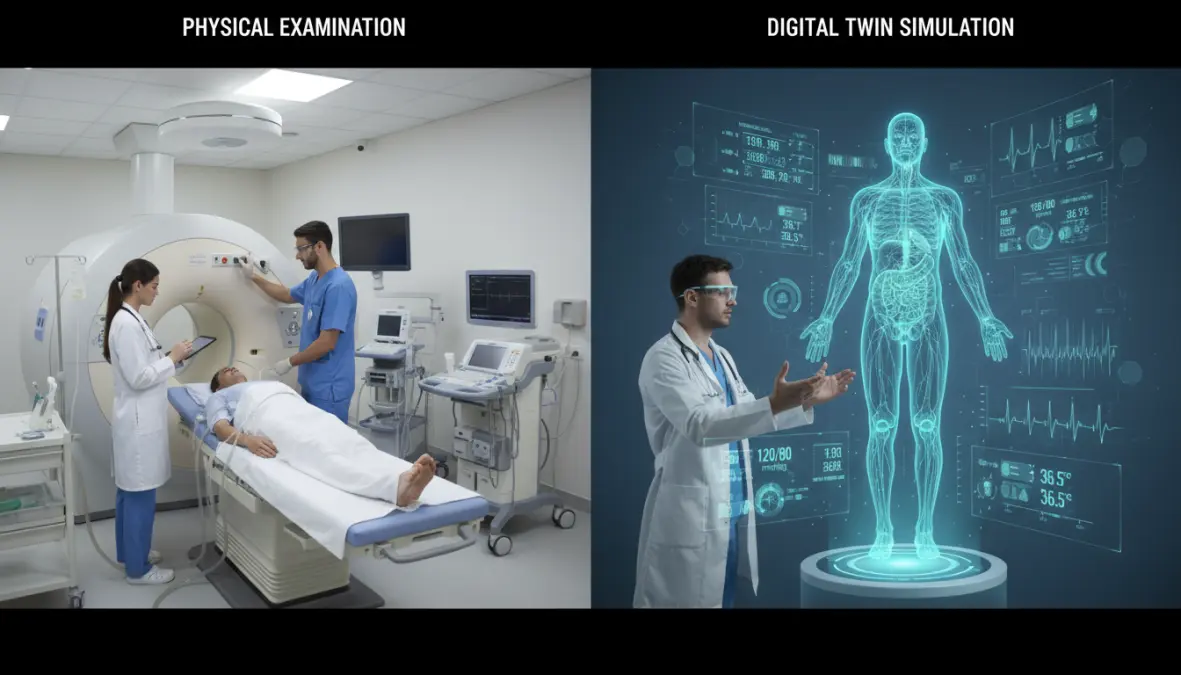
The benefits of digital twin in healthcare are opening fascinating possibilities for personalized medicine. Researchers are developing patient-specific digital twins that can simulate how an individual might respond to different treatments, predict disease progression, or even test surgical procedures before making a single incision. It’s like having a virtual test dummy that’s perfectly customized to each patient’s unique physiology.
Digital twin technology for smart cities is helping urban planners optimize everything from traffic flow to energy consumption. Singapore’s Virtual Singapore project creates a dynamic 3D model of the entire city-state, allowing planners to test infrastructure changes, simulate emergency scenarios, and improve public services. Similar to how quantum networks are transforming communication, digital twins are revolutionizing urban management.
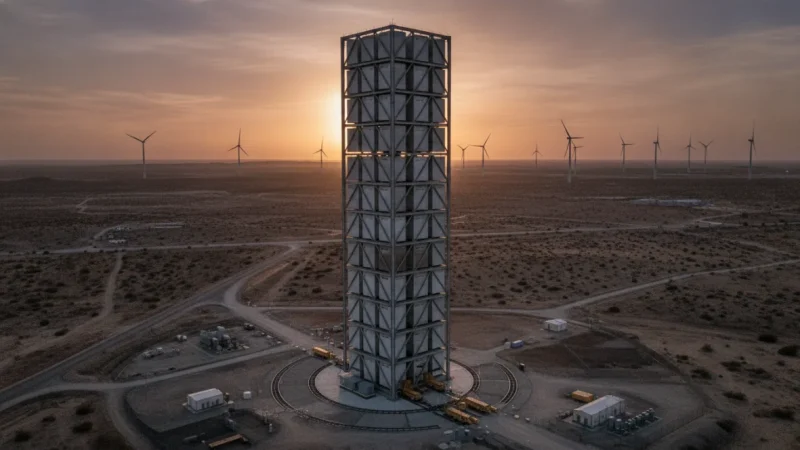
In the energy sector, digital twins monitor wind farms, optimize power grids, and improve safety in oil and gas operations. Wind turbine operators use virtual replicas to predict mechanical failures, adjust blade angles for maximum efficiency, and reduce maintenance costs by 20-30%. Power companies create digital twins of entire electrical grids to prevent blackouts and integrate renewable energy sources more effectively.
Digital Twin Implementation: Benefits, Challenges, and Best Practices
Understanding digital twin benefits is crucial before diving into implementation. The advantages are compelling and measurable:
- Cost reduction: Predictive maintenance alone can cut maintenance costs by 30-50% and reduce downtime by up to 70%
- Improved efficiency: Real-time optimization identifies bottlenecks and streamlines operations
- Risk mitigation: Testing scenarios virtually eliminates expensive real-world failures
- Faster innovation: Virtual prototyping accelerates product development cycles
- Better decision-making: Data-driven insights replace guesswork
However, implementing digital twin in industry isn’t without challenges. The cost of digital twin implementation can be substantial, particularly for complex systems requiring extensive sensor networks and specialized software. Organizations often underestimate the investment needed in data infrastructure and skilled personnel.
Data integration presents another hurdle. Digital twins need to pull information from multiple sources, often involving legacy systems that weren’t designed to communicate with modern digital twin platforms. Ensuring data quality and security adds another layer of complexity, especially as cyber threats become more sophisticated. Just as deepfake technology poses security concerns, digital twins must be protected from malicious manipulation.
When comparing digital twin vs simulation technology, it’s important to note that traditional simulations are typically one-time analyses, while digital twins continuously evolve with their physical counterparts. This distinction matters when planning your implementation strategy.
For successful digital twin implementation, consider these best practices:
- Start small: Begin with a single asset or process rather than attempting enterprise-wide deployment immediately
- Choose the right platform: Evaluate digital twin software options based on your specific industry needs and existing infrastructure
- Prioritize data quality: Invest in reliable IoT sensors and robust data management
- Build cross-functional teams: Successful implementations require collaboration between IT, operations, and domain experts
- Define clear objectives: Identify specific problems you’re solving rather than pursuing technology for its own sake
Much like how AI assistants are transforming workplace productivity, digital twins represent a fundamental shift in how we interact with physical assets. They’re not just about monitoring what’s happening—they’re about predicting what will happen and optimizing what should happen.
As simulation software becomes more sophisticated and IoT sensors become cheaper and more prevalent, digital twin adoption will only accelerate. The question isn’t whether your industry will embrace this technology, but when—and whether you’ll be leading the charge or playing catch-up. The virtual future is already here, and it’s running in perfect sync with reality.