Mouth Taping for Sleep: Benefits, Risks, and What Science Really Says
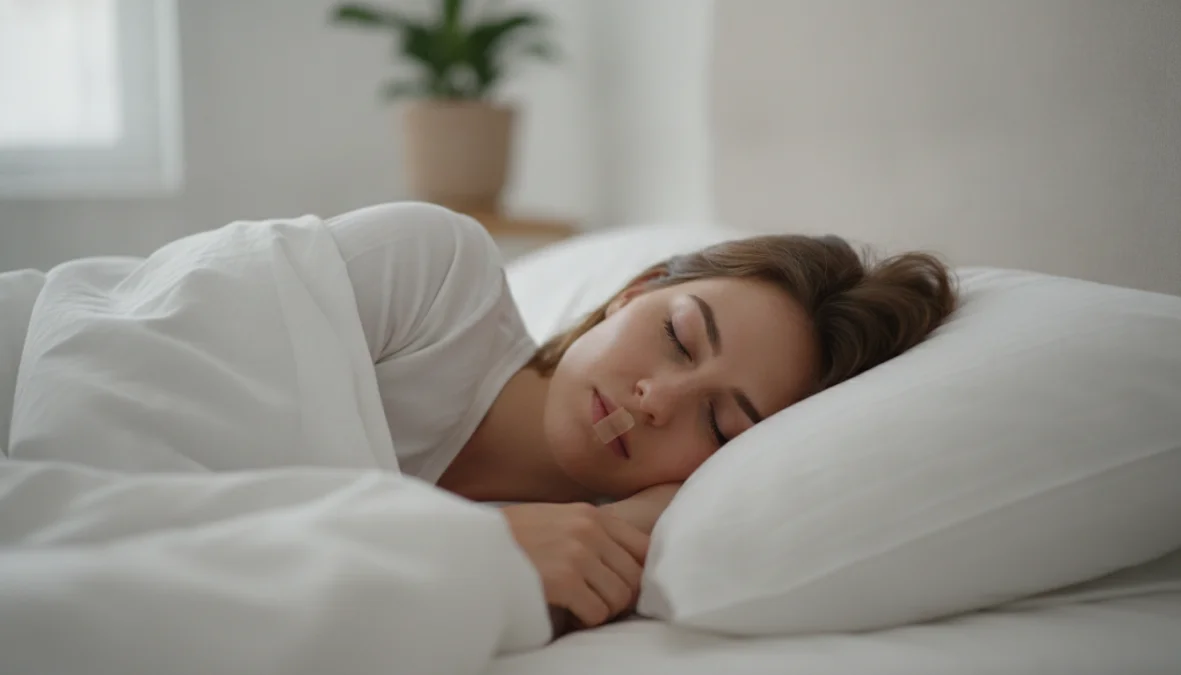
Ever scrolled through social media and stumbled upon someone with tape over their mouth, claiming it’s the secret to better sleep? You’re not alone. Mouth taping for sleep has exploded in popularity, with wellness enthusiasts and biohackers swearing by this surprisingly simple practice. But before you reach for the duct tape (please don’t!), let’s dive into what mouth taping actually is, what science says about it, and whether it’s something you should consider for your own sleep optimization journey.
What Is Mouth Taping and Why Are People Doing It?
So, what exactly is mouth taping sleep? It’s pretty much what it sounds like: using a small piece of specialized tape to gently keep your mouth closed during sleep, encouraging nasal breathing sleep instead of mouth breathing sleep. This isn’t about sealing your mouth shut completely—it’s more of a gentle reminder to your body to breathe through your nose.
The practice has roots in oral myofunctional therapy, where healthcare professionals use various techniques to retrain breathing patterns. But the recent surge in popularity? That’s all thanks to social media influencers, biohackers, and wellness communities sharing their experiences. The tape mouth shut sleep trend has particularly taken off on platforms like Reddit and TikTok, where users share their before-and-after stories.
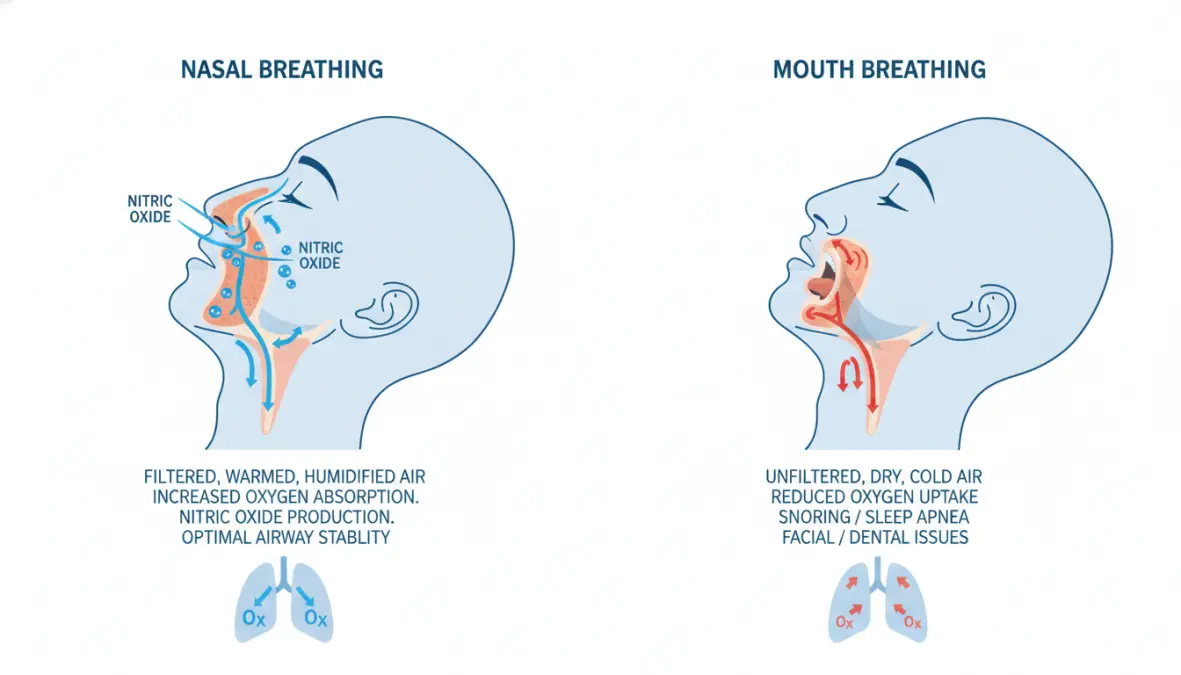
Here’s the key difference: when you breathe through your mouth at night, air bypasses your nasal passages entirely. Your nose, however, is designed to filter, warm, and humidify air before it reaches your lungs. Nasal breathing also triggers the production of nitric oxide, a molecule that helps with oxygen absorption. Mouth breathing, on the other hand, can lead to dry mouth, bad breath, and potentially disrupted sleep quality. Understanding this fundamental difference between nasal breathing sleep and mouth breathing sleep is crucial to grasping why people are willing to literally tape their mouths shut.
The Science Behind Mouth Taping: Potential Benefits and Evidence
Let’s get real about the science. While research on mouth taping benefits specifically is still limited, there’s substantial evidence supporting the advantages of nasal breathing over mouth breathing during sleep. Here’s what we know:
The theoretical mouth taping benefits stem primarily from forcing nasal breathing. When you breathe through your nose, several things happen:
- Better air filtration: Your nasal passages trap dust, allergens, and pathogens before they reach your lungs
- Nitric oxide production: Nasal breathing stimulates nitric oxide release, which improves oxygen saturation and supports cardiovascular health
- Optimal air conditioning: Your nose warms and humidifies air, making it easier on your respiratory system
- Improved CO2 tolerance: Nasal breathing helps maintain better carbon dioxide levels, which paradoxically improves oxygen delivery to tissues
A small study published in the Journal of Oral Rehabilitation found that mouth taping reduced mouth breathing episodes during sleep and potentially improved sleep quality markers. However, the sample size was limited, and more robust research is needed.
Anecdotally, many users report several benefits, including:
- Snoring reduction: Since mouth breathing often contributes to snoring, keeping your mouth closed may quiet those nighttime symphonies
- Less morning dry mouth: No more waking up feeling like you’ve swallowed sandpaper
- Better sleep quality: Some users report feeling more rested and experiencing fewer sleep disruptions
- Reduced congestion: Regular nasal breathing may actually improve nasal patency over time
Regarding sleep apnea, this is where things get tricky. While some people with mild obstructive sleep apnea report improvements, mouth taping should never be considered a treatment for sleep apnea without medical supervision. In fact, it could potentially be dangerous for those with untreated moderate to severe sleep apnea. For comprehensive sleep optimization, understanding your individual sleep needs is essential.
Safety Concerns and How to Try Mouth Taping Properly
Before you jump on the mouth taping sleep bandwagon, let’s talk mouth taping safety. This practice isn’t for everyone, and there are legitimate risks to consider.
Who should NOT try mouth taping:
- People with untreated obstructive sleep apnea (this could be dangerous)
- Anyone with nasal congestion, deviated septum, or chronic nasal blockage
- Those with severe allergies or respiratory conditions
- People who’ve consumed alcohol or sedatives before bed
- Anyone with a cold, sinus infection, or respiratory illness
If you’re curious about trying it and don’t fall into these categories, here’s how to approach it safely:
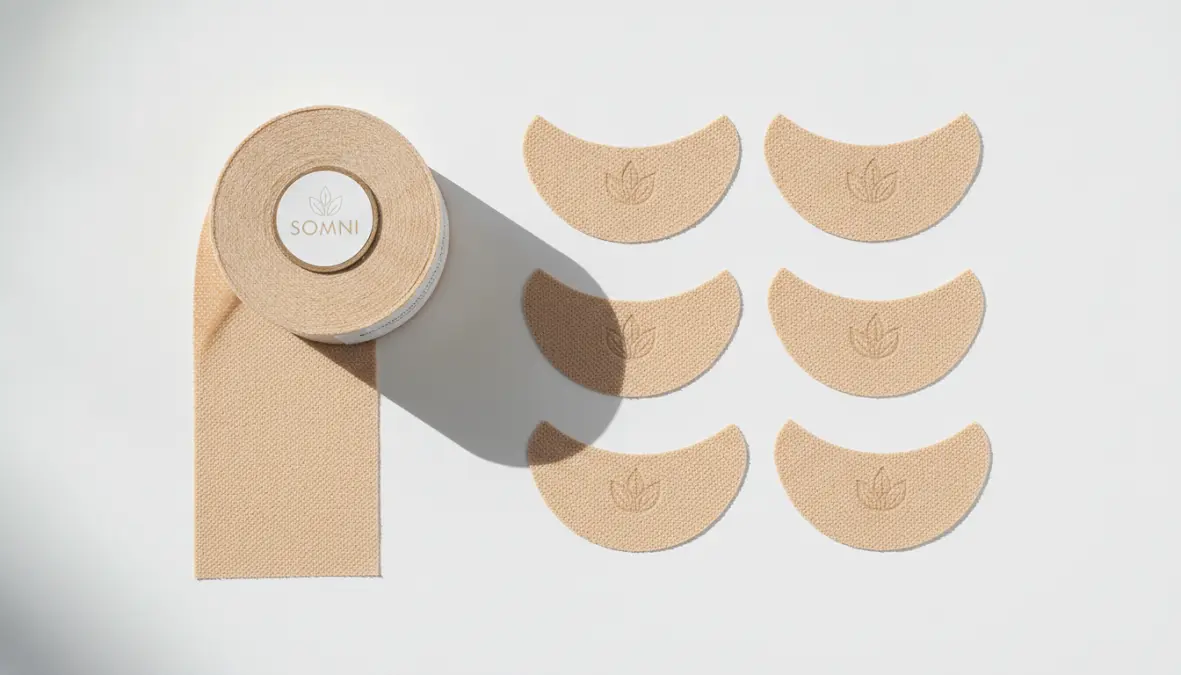
Choosing the right tape: This is crucial. Never use duct tape, scotch tape, or other household adhesives. Look for sleep mouth tape specifically designed for this purpose—it should be hypoallergenic, porous to allow some airflow, and gentle on skin. Many brands offer specialized mouth tape that’s easy to remove and won’t irritate sensitive facial skin.
Step-by-step instructions for beginners:
- Start during a daytime nap to get comfortable with the sensation
- Ensure your nasal passages are clear before bed
- Apply a small piece of tape vertically across your lips (not horizontally covering the entire mouth)
- Make sure you can easily breathe through your nose
- Keep the tape easily removable—never seal your mouth completely
- Start with just an hour or two, gradually increasing as you adapt
If you experience anxiety, difficulty breathing, or any discomfort, remove the tape immediately. Consider discussing this sleep breathing technique with your doctor first, especially if you have any underlying health conditions. Alternatives include nasal dilators, positional therapy, or working with a specialist in oral myofunctional therapy who can address the root causes of mouth breathing.
FAQ: Common Questions About Mouth Taping for Sleep
Is mouth taping safe for sleep?
For healthy individuals without sleep apnea or nasal obstructions, mouth taping is generally considered safe when done correctly with proper tape. However, it’s not suitable for everyone. If you have respiratory conditions, sleep apnea, or chronic congestion, consult a healthcare provider before trying it. Never use regular household tape—only specialized sleep tape designed for skin contact.
What type of tape should I use for mouth taping?
Use only specialized sleep mouth tape designed specifically for this purpose. Look for hypoallergenic, breathable, skin-safe tape that’s easy to remove. Popular options include micropore surgical tape or brands specifically marketed for mouth taping. The tape should be porous enough to allow some emergency mouth breathing if needed and gentle enough not to irritate your skin.
Can mouth taping help with snoring?
Yes, many people experience snoring reduction with mouth taping, as mouth breathing is a common contributor to snoring. By encouraging nasal breathing, mouth taping may reduce the vibrations that cause snoring sounds. However, if snoring is caused by sleep apnea or anatomical issues, mouth taping alone won’t solve the problem and could potentially be unsafe.
Does mouth taping work for sleep apnea?
Mouth taping should not be used as a treatment for moderate to severe sleep apnea and could be dangerous. While some people with very mild cases report subjective improvements, there’s no clinical evidence supporting mouth taping as a sleep apnea treatment. If you suspect you have sleep apnea, get a proper diagnosis and follow evidence-based treatments like CPAP therapy.
How long does it take to see results from mouth taping?
Results vary widely between individuals. Some people notice improvements in morning dry mouth and sleep quality within a few nights, while benefits like reduced snoring or better oxygen saturation may take a week or two to become apparent. Give it at least 7-10 nights before deciding if it works for you, and remember that adaptation takes time.
The bottom line? Mouth taping for sleep is an intriguing sleep optimization technique with theoretical benefits backed by limited but promising research. While it’s not a miracle cure and certainly isn’t appropriate for everyone, it might be worth exploring if you’re a chronic mouth breather looking to improve your sleep quality. Just remember to prioritize safety, use the right materials, and listen to your body. And if you’re dealing with serious sleep issues like apnea or chronic insomnia, professional medical advice should always come before DIY wellness trends. Sweet (nasal-breathing) dreams!