Slow Travel Benefits: Why the Movement Toward Quality Over Quantity Is Transforming Tourism
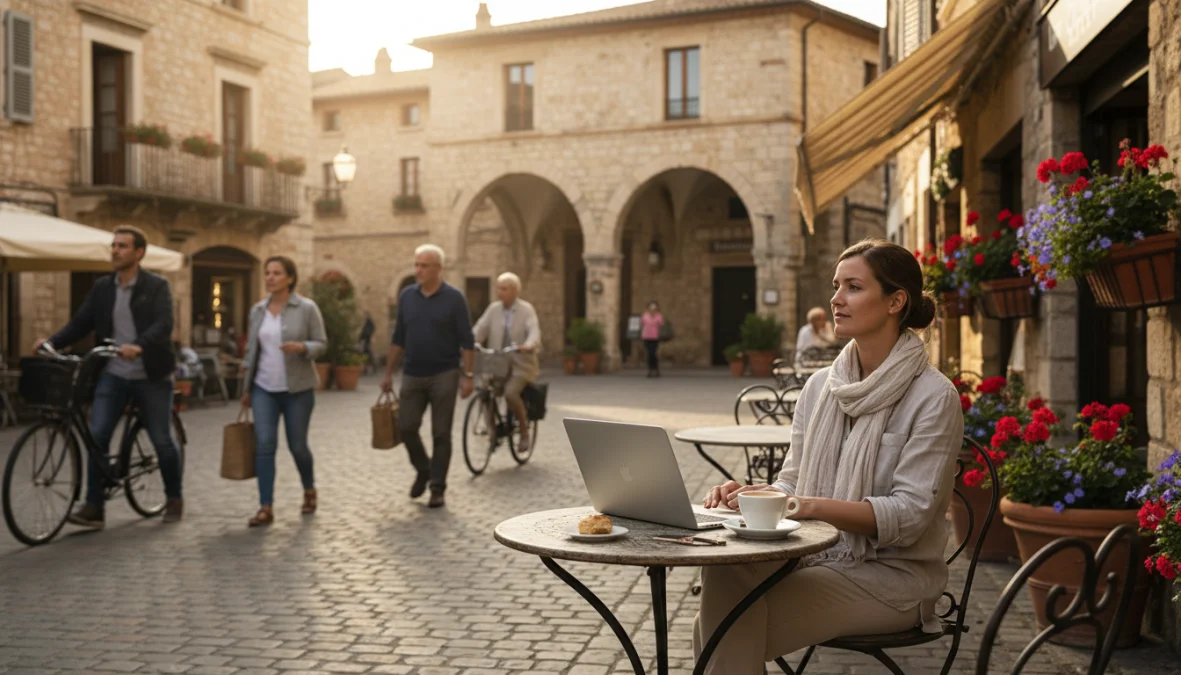
Ever feel like you need a vacation from your vacation? You’re not alone. In a world obsessed with checking off bucket list destinations like items on a grocery list, travelers are increasingly returning home exhausted, overwhelmed, and disconnected. Enter the slow travel movement—a refreshing antidote to the “see everything, experience nothing” approach that’s dominated modern tourism. The slow travel benefits extend far beyond simply feeling less rushed; they represent a fundamental shift toward meaningful connections, environmental responsibility, and authentic experiences that actually transform who we are.
What Is the Slow Travel Movement and Why It Matters
The slow travel movement draws inspiration from Italy’s Slow Food movement of the 1980s, applying the same philosophy of quality over quantity to how we explore the world. Rather than sprinting through five countries in ten days, slow travel encourages spending weeks or months in a single destination, truly inhabiting a place rather than just passing through it. This approach to conscious travel stands in stark contrast to mass tourism’s frenetic pace and trip-stacking—the exhausting practice of cramming multiple destinations into impossibly short timeframes.
Why is this philosophy gaining momentum? Travel burnout is real. Recent tourism trends show a significant shift among younger travelers and remote workers seeking more quality over quantity travel experiences. The pandemic accelerated this transition, forcing people to reconsider what they actually want from travel. Add growing awareness of tourism’s environmental impact—aviation accounts for roughly 2-3% of global carbon emissions—and you have a perfect storm driving people toward more intentional, slower journeys. The slow travel benefits resonate with travelers who’ve realized that Instagram-worthy checkpoints don’t necessarily translate to fulfilling experiences or personal growth.

The Core Benefits of Slow Travel: For Travelers, Communities, and the Planet
Understanding slow tourism benefits requires looking beyond individual satisfaction to the broader ecosystem of sustainable tourism. The advantages ripple outward, touching personal wellbeing, local communities, and planetary health simultaneously.
Personal and Experiential Benefits
The personal rewards of immersive travel experiences are profound and lasting. When you’re not racing from sight to sight, something magical happens: you actually start living somewhere rather than just visiting it. This creates space for mindful travel that engages all your senses and faculties.
- Authentic cultural immersion: Lingering long enough to understand local rhythms, from market schedules to neighborhood social dynamics
- Meaningful relationships: Time to develop genuine friendships with locals, not just transactional tourist interactions
- Language acquisition: Practical, conversational learning that happens naturally through daily life rather than phrasebook cramming
- Stress reduction: Eliminating constant packing, navigation, and logistics planning that characterize fast-paced trips
- Deeper memories: Rich, layered experiences that stick with you, rather than blurred snapshots of tourist attractions
- Mental presence: The luxury of being fully present without constantly planning the next move
When comparing why slow travel is better than fast tourism, consider this: which memory is stronger—spending two hours at the Eiffel Tower, or spending three weeks in a Parisian neighborhood where the baker knows your order?
Environmental and Community Impact
The environmental case for sustainable tourism through slow travel is compelling. Fewer flights mean dramatically reduced carbon footprints—staying three months in one destination instead of visiting six countries requires significantly less transportation. This directly addresses how slow travel reduces carbon footprint while making travel more accessible to climate-conscious explorers.
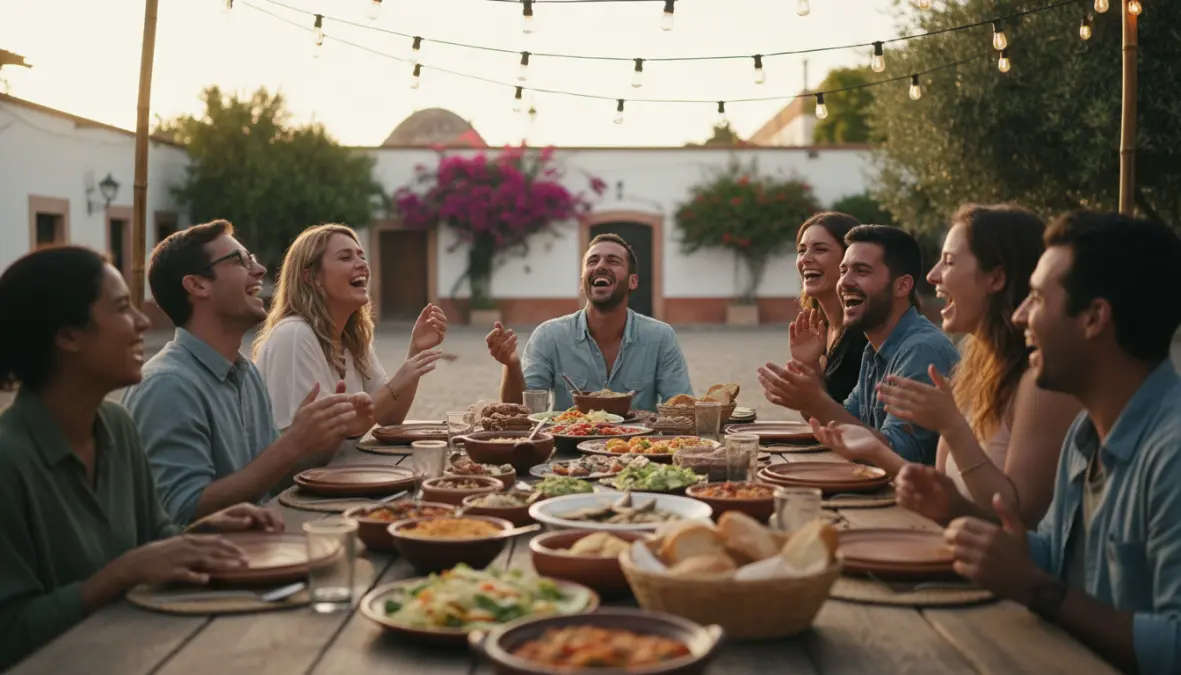
Local communities benefit enormously from responsible tourism practices. Extended stays mean money flows consistently into local economies—small guesthouses, neighborhood restaurants, local guides—rather than being funneled through international hotel chains and tour operators. This economic model helps combat overtourism by distributing visitors more evenly across destinations and seasons. Venice, Barcelona, and Dubrovnik all suffer from cruise ship daytrippers who flood attractions but contribute minimally to local economies. Slow travelers, conversely, become temporary community members who support businesses authentically and respectfully. This preserves cultural heritage by making tourism sustainable rather than extractive.
How to Embrace Slow Travel: Practical Strategies for Quality Over Quantity
Ready to embrace quality over quantity travel? The transition doesn’t require radical life changes—just intentional choices that prioritize depth over breadth. Understanding the benefits of staying longer in one destination is the first step; implementing practical strategies is where transformation happens.
Choose fewer destinations: Instead of a two-week European tour hitting eight cities, spend those two weeks in one region or even one city. You’ll uncover layers impossible to access on shorter visits.
Opt for local accommodations: Apartments and homestays over hotels create opportunities for local cultural immersion. Shopping at neighborhood markets and cooking meals embeds you in daily life rhythms.
Embrace slow transportation: Trains, buses, bicycles, and walking not only reduce environmental impact but provide windows into landscapes and communities that airports bypass entirely.
Create routines: Find your favorite coffee shop, explore different neighborhoods on foot, attend community events. Routine transforms you from tourist to temporary resident.
Learn basic local language: Even minimal effort opens doors and demonstrates respect, facilitating authentic travel experiences and meaningful travel connections.
Seek hands-on experiences: Cooking classes, craft workshops, volunteer opportunities, and local festivals provide insider perspectives impossible to gain from guided tours.
For those wondering how to practice slow travel on vacation with limited time, the principles scale. Even a one-week trip benefits from choosing one base and exploring thoroughly rather than rushing between multiple destinations. The mindset matters as much as the timeline. Just as wild swimming benefits come from mindful presence in natural environments, slow travel’s rewards emerge from being fully present wherever you are.
FAQ: Common Questions About Slow Travel
Is slow travel more expensive?
Not necessarily. While accommodation costs accumulate over longer stays, you save significantly on transportation, eat like locals rather than at tourist restaurants, and avoid expensive rushed tours. Monthly apartment rentals often cost less per night than hotels, and you’ll cook some meals yourself. Many slow travelers find it more affordable than traditional vacations.
How long should I stay in one place for slow travel?
There’s no magic number, but most slow travelers suggest a minimum of one week per location, ideally two to four weeks. This allows time to settle, explore beyond tourist areas, and develop local routines. The benefits of staying longer in one destination multiply after the first week when you stop feeling like a tourist.
Can I practice slow travel with limited vacation time?
Absolutely. Slow travel is more about mindset than duration. Choose one destination for your week off instead of three. Stay in one neighborhood, walk everywhere, shop at local markets, and resist the urge to see every landmark. Quality over quantity applies to any timeframe.
What’s the difference between slow travel and sustainable tourism?
Slow travel is one approach to sustainable tourism, focusing on extended stays and immersive travel experiences. Sustainable tourism is the broader concept encompassing all environmentally and socially responsible travel practices. Slow travel inherently supports sustainability through reduced transportation emissions and deeper community engagement, but you can practice sustainable tourism principles on any trip length through conscious travel choices.
The slow travel movement isn’t about rejecting all fast-paced travel—sometimes quick trips serve important purposes. Rather, it’s about recognizing that transformative travel experiences rarely happen at breakneck speed. By choosing presence over productivity, depth over distance, and connection over collection, we don’t just become better travelers—we become better global citizens. The next time you plan a journey, ask yourself: am I traveling to escape my life, or to actually experience another? The answer might just change everything.