Small Modular Reactors: Compact Nuclear Power for Remote Locations
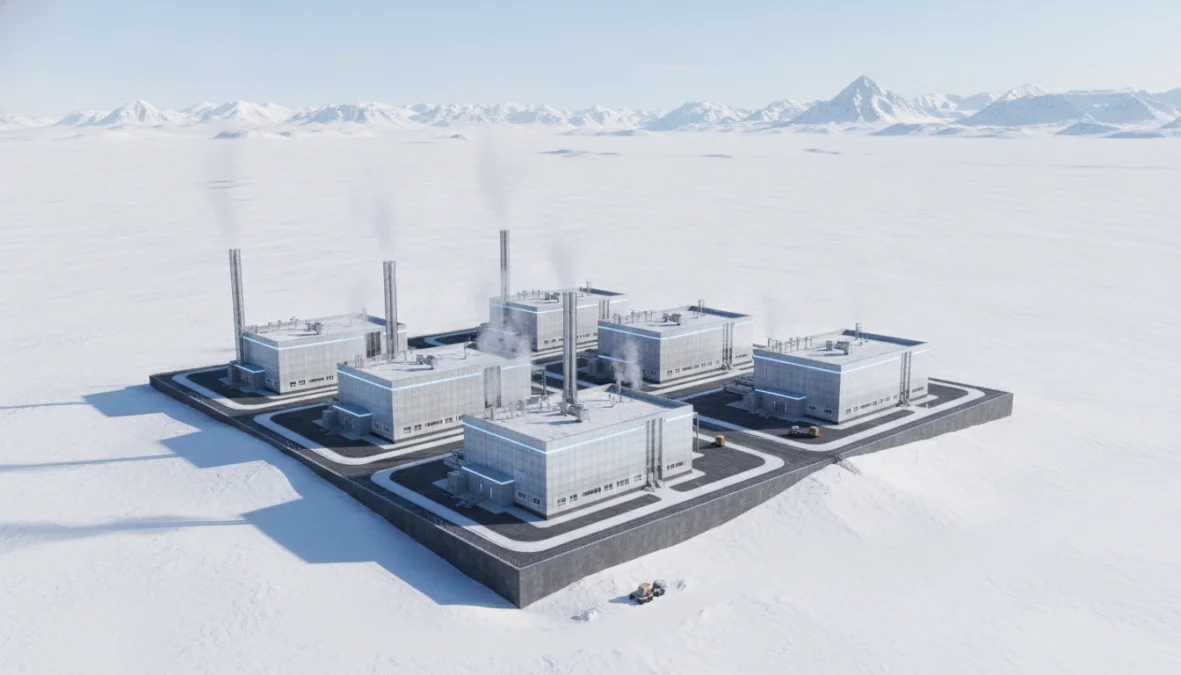
Imagine powering an entire mining operation in the Arctic Circle, or keeping the lights on for a remote island community, without relying on expensive diesel shipments or weather-dependent renewables. That’s the promise of small modular reactors—a game-changing approach to nuclear energy that’s shrinking the atom down to size. These compact powerhouses are rewriting the rules of power generation, bringing reliable, clean energy to places that traditional nuclear plants could never reach.
What Are Small Modular Reactors and How Do They Work?
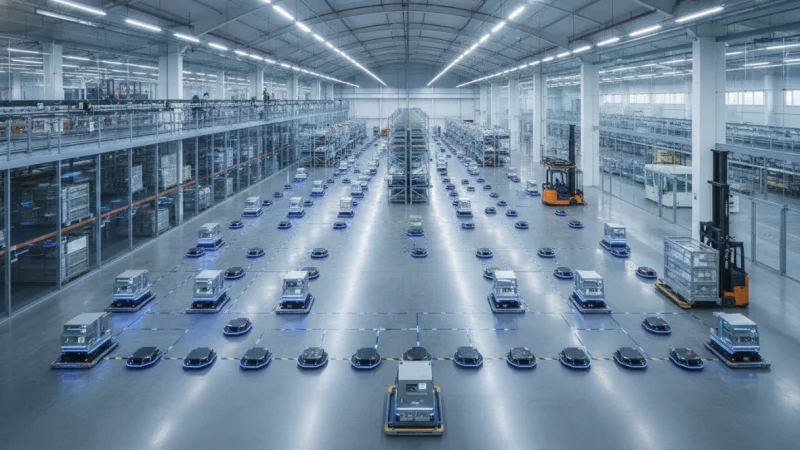
Small modular reactors (SMRs) are nuclear fission power plants with an electrical output typically below 300 megawatts electric (MWe)—roughly one-third the size of conventional nuclear reactors. While traditional nuclear facilities sprawl across vast sites requiring massive on-site construction projects, modular reactor design flips the script entirely. SMRs are factory-built in standardized modules, shipped to location, and assembled on-site like high-tech LEGO blocks.
The genius of SMR technology lies in this modular approach. Instead of spending a decade constructing a custom-built reactor, manufacturers can produce identical units in controlled factory environments, dramatically improving quality control and reducing costs. Think of it like the difference between building a custom mansion from scratch versus buying a prefabricated home—the latter is faster, cheaper, and more predictable.
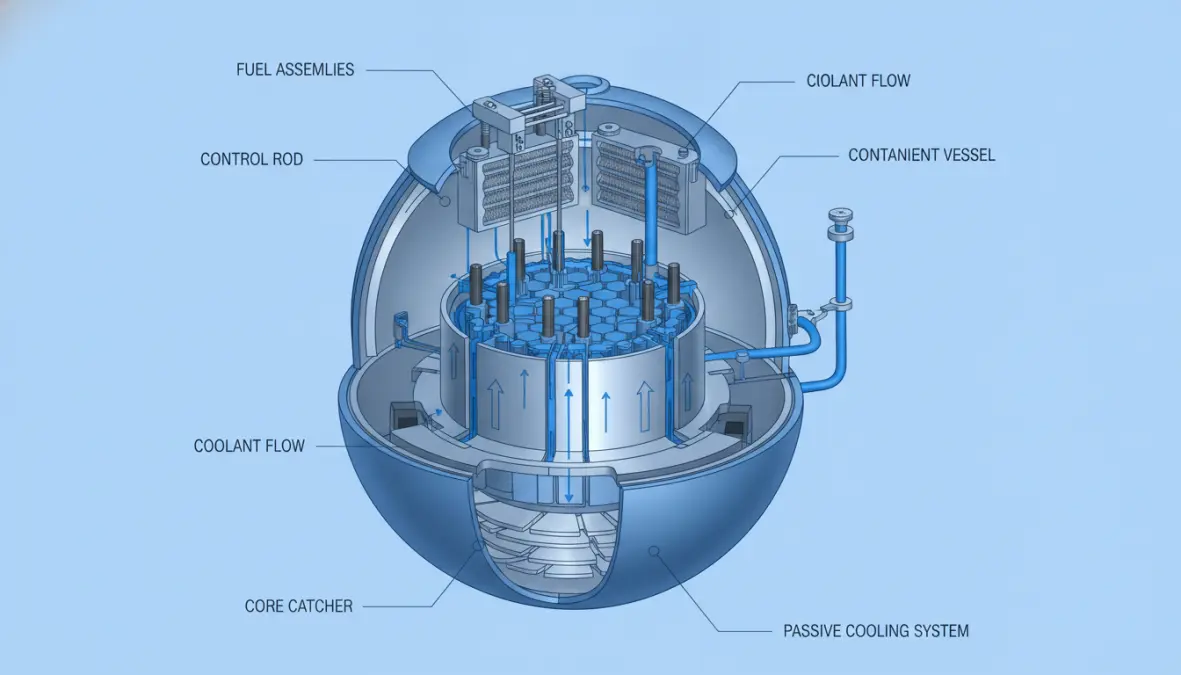
But how do small modular reactors work? At their core, they use the same principle as larger nuclear plants: controlled nuclear fission generates heat, which produces steam to drive turbines and generate electricity. However, small nuclear reactors come in several flavors. Light water reactors (LWRs) use regular water as both coolant and moderator. High-temperature gas reactors employ helium cooling for higher efficiency. Liquid metal reactors use sodium or lead for superior heat transfer. Each design offers unique advantages for different applications, making SMRs incredibly versatile for remote power solutions.
Key Advantages of SMR Technology for Remote and Off-Grid Applications
When it comes to small modular reactors for remote locations, the benefits are transformative. Traditional diesel generators—the current standard for many isolated communities and industrial sites—require constant fuel deliveries, produce significant emissions, and carry volatile operating costs. Compact nuclear power eliminates these headaches entirely.
The benefits of small modular nuclear reactors for off-grid electricity are substantial. First, they’re genuinely scalable—communities can start with one module and add more as demand grows. Second, they require minimal infrastructure compared to conventional plants: smaller cooling water requirements, reduced grid connection needs, and a footprint sometimes smaller than a football field. Third, deployment timelines shrink from the decade-plus required for traditional reactors to just 3-5 years, getting power online when it’s actually needed.
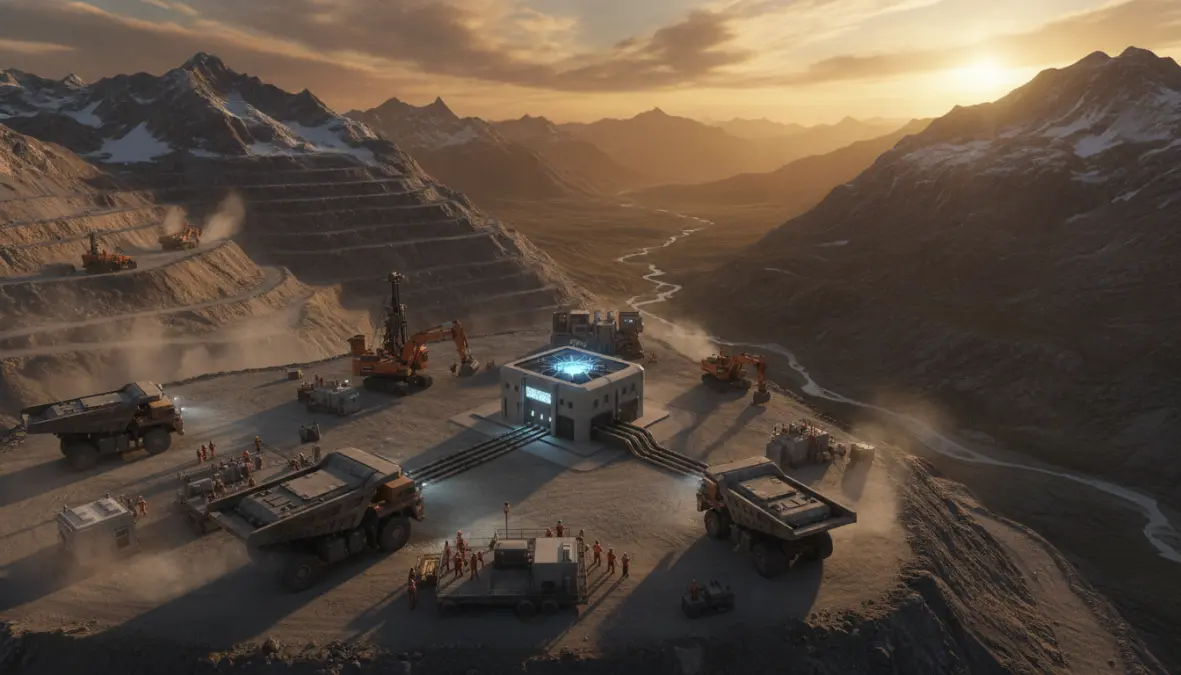
Real-world applications are diverse and compelling. Mining operations in remote Canada and Australia are exploring portable nuclear power to replace diesel generators that burn millions of gallons annually. Arctic communities struggling with energy costs exceeding $1 per kilowatt-hour see SMRs as pathways to energy independence. Military bases requiring secure, reliable baseload power are prime candidates. Even space agencies are developing nuclear microreactors—ultra-compact versions—for lunar bases, showing just how versatile this technology can be. For more on how decentralized energy solutions are transforming remote power, check out how microgrids build community resilience.
Safety Features and Environmental Benefits
Safety concerns often dominate nuclear conversations, but safety features of small modular reactors represent a quantum leap forward. Unlike older reactors requiring active cooling systems and human intervention during emergencies, modern SMRs incorporate passive safety systems that work without electricity or human action. Natural convection, gravity-driven cooling, and inherent physical properties prevent meltdowns even in worst-case scenarios.
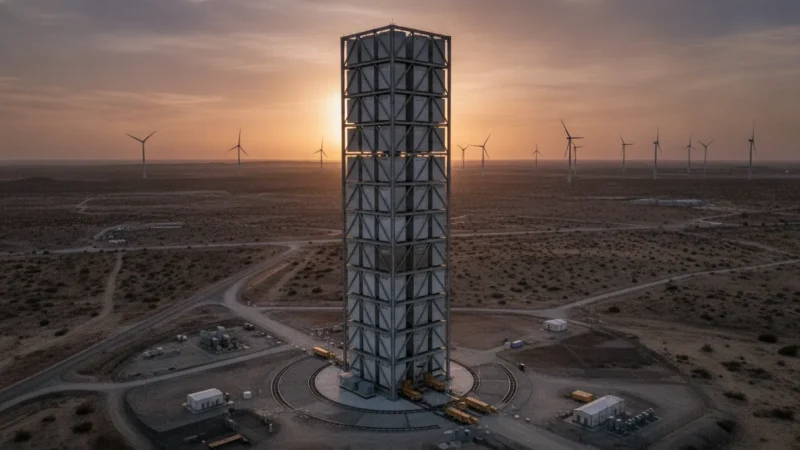
Many designs feature underground containment, adding another safety layer while reducing visual impact. The smaller fuel inventory means less radioactive material overall, and advanced designs produce significantly less nuclear waste per megawatt-hour than traditional reactors. From an environmental standpoint, SMRs deliver zero operational emissions, a minimal land footprint, and decades of reliable clean energy technology without the intermittency challenges facing solar and wind installations in harsh climates.
Economic Considerations and Deployment Timeline
Understanding the cost of small modular reactor installation requires looking beyond sticker prices. Yes, first-of-a-kind SMRs carry high capital costs—estimates range from $3,000 to $6,000 per kilowatt of capacity. However, factory production promises economies of scale that should drive prices down as deployment accelerates. For remote locations currently paying premium rates for diesel fuel, the economics become compelling quickly.
Construction timelines of 3-5 years versus 10+ years for conventional plants mean faster return on investment and reduced financing costs. Modular construction also allows phased investment—communities can install capacity incrementally rather than committing billions upfront. The regulatory approval process remains complex, but streamlined licensing frameworks are emerging as governments recognize SMRs’ strategic importance. SMR deployment in off-grid areas also avoids costly grid extension projects, improving project economics in truly remote settings.
Challenges and Future Outlook for Small Modular Reactors
Despite their promise, small modular reactors face significant hurdles before becoming mainstream. Regulatory frameworks vary wildly between countries, creating uncertainty for manufacturers and operators. Public acceptance remains mixed—nuclear energy carries decades of baggage that clean energy technology advocates must address through transparent communication and demonstrated safety records.
First-of-a-kind costs are genuinely daunting, and until production scales up, SMRs struggle to compete economically with established technologies in grid-connected areas. Supply chain development is ongoing—specialized components, skilled workers, and manufacturing capacity all need expansion. Cybersecurity presents new challenges as digitally-controlled reactors become potential targets. Spent fuel management, while reduced in volume, still requires long-term solutions that politically divided nations struggle to implement.
Yet the future looks increasingly bright. Dozens of SMR projects are advancing globally, from Canada’s BWRX-300 to Russia’s already-operational floating reactors. Commercial deployment timelines suggest widespread availability within the next decade. Beyond baseload power, SMRs show promise for hydrogen production, desalination, and district heating. As nations pursue nuclear energy comebacks, SMRs offer a politically palatable path forward. Their potential integration with renewable energy—providing stable power when wind and solar falter—positions them as essential tools in the clean energy transition rather than competitors to renewables.
Frequently Asked Questions About Small Modular Reactors
How small are SMRs compared to traditional reactors?
SMRs generate under 300 MWe versus 1,000+ MWe for conventional plants. They’re roughly one-third the size physically, with some designs fitting inside shipping-container-sized modules. This compact footprint enables installation where large reactors simply cannot go.
Are small modular reactors safe?
Modern SMRs incorporate passive safety systems that function without electricity or human intervention during emergencies. Underground containment, natural cooling, and smaller fuel inventories significantly reduce risk compared to older reactor designs. Their safety record is continuously improving with technological advancement.
How much does an SMR cost?
Current estimates range from $3,000-$6,000 per kilowatt of installed capacity, with total project costs for a 300 MWe unit potentially reaching $1-2 billion. Factory production should reduce these costs significantly as the industry matures and scales production.
Can SMRs replace diesel generators in remote areas?
Absolutely. For locations with sustained power demand above several megawatts, SMRs offer superior economics, reliability, and environmental performance compared to diesel. The key consideration is demand stability—SMRs excel at baseload power rather than intermittent use.
What is the difference between SMRs and microreactors?
Microreactors are even smaller, typically producing 1-20 MWe versus SMRs’ 50-300 MWe range. Microreactors prioritize extreme portability and rapid deployment, making them ideal for military applications, disaster relief, or very small communities. SMRs target larger permanent installations.
As the world seeks sustainable power generation solutions for increasingly diverse applications, modular nuclear reactors represent a practical bridge between centralized grid infrastructure and truly remote operations. Whether powering Arctic research stations, enabling sustainable mining, or supporting communities choosing energy independence, SMRs are proving that sometimes the biggest innovations come in the smallest packages. The atomic age isn’t over—it’s just getting more flexible.