Microgrids Explained: How Decentralized Energy Systems Build Community Resilience
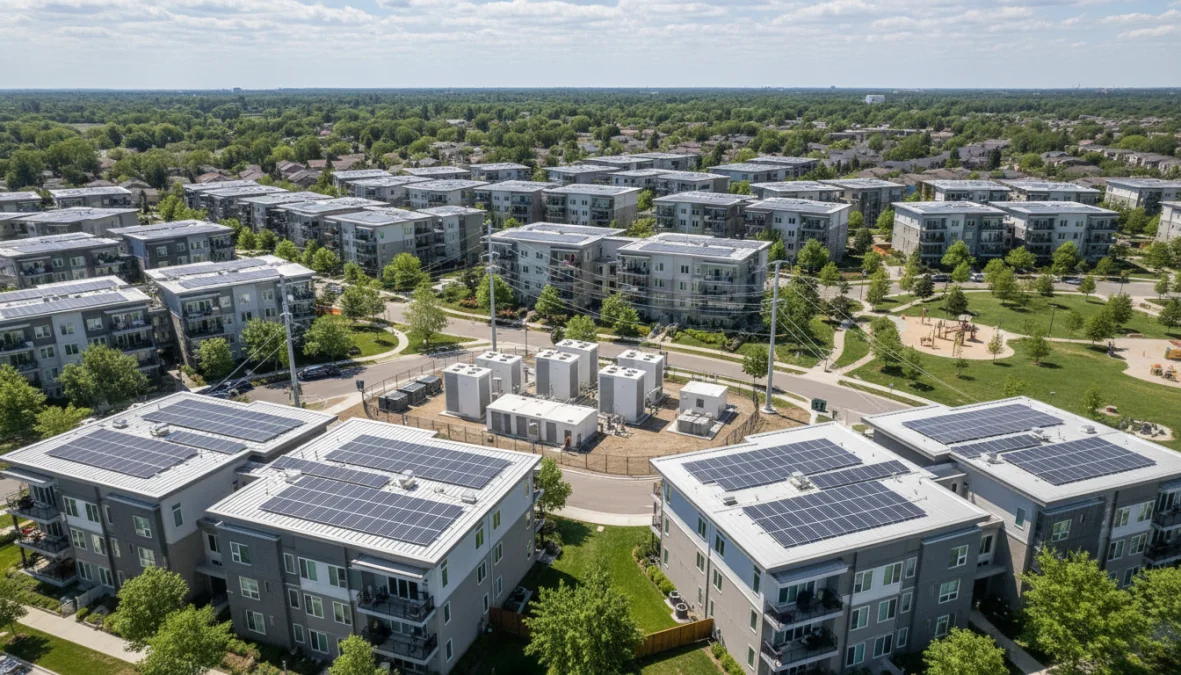
Picture this: a massive storm knocks out power across your city, but your neighborhood’s lights stay on. Your local hospital continues operating smoothly, and community centers remain open as shelters. This isn’t science fiction—it’s the promise of microgrid technology, a revolutionary approach to energy that’s transforming how communities prepare for disasters and build lasting resilience. As extreme weather events become more frequent and our traditional power infrastructure ages, decentralized energy systems are emerging as a critical solution for communities seeking greater control over their energy future.
What Is Microgrid Technology and How Does It Work?
At its core, microgrid technology represents a localized energy network that can operate independently from the traditional centralized power grid. Think of it as a self-contained electrical ecosystem that serves a specific geographic area—whether that’s a college campus, a military base, a hospital complex, or an entire neighborhood.
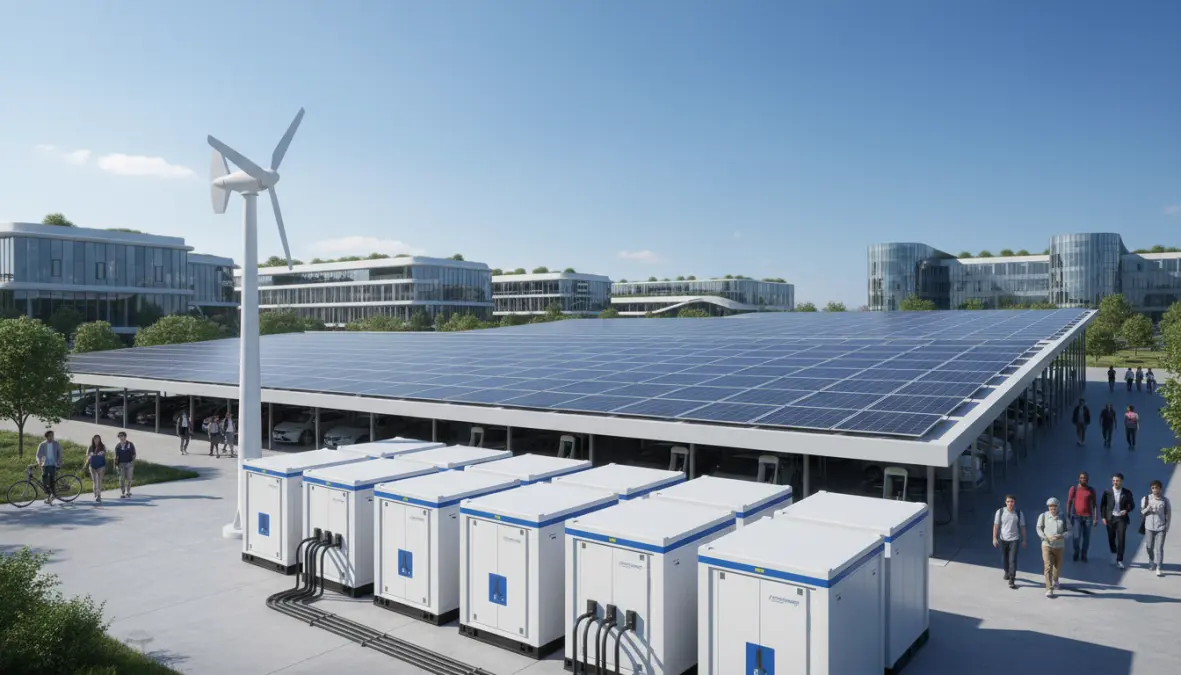
Unlike the conventional power grid that relies on large, distant power plants transmitting electricity over hundreds of miles, decentralized energy systems generate and distribute power locally. A typical microgrid consists of three essential components: local generation sources (like solar panels or small wind turbines), energy storage systems (usually advanced batteries), and intelligent control systems that manage the entire operation.
What makes smart grid technology particularly fascinating is its ability to operate in two distinct modes. In grid-connected mode, the microgrid works alongside the traditional power grid, drawing or supplying electricity as needed. But here’s where things get interesting: when the main grid fails due to storms, equipment failures, or other disruptions, the microgrid can seamlessly “island” itself—disconnecting from the larger grid and continuing to power its local area independently. This islanding capability is the secret sauce that provides power outage protection when communities need it most.
The intelligence behind these systems lies in sophisticated control software that constantly monitors energy supply and demand, automatically switching between sources, managing battery charging and discharging, and making split-second decisions about when to connect or disconnect from the main grid. This level of automation is what distinguishes modern microgrids from simple backup generator setups.

Key Benefits of Community Microgrids for Energy Resilience
When we talk about how do microgrids improve community resilience, we’re really discussing a fundamental shift in how communities approach energy security. A community microgrid acts as an insurance policy against the vulnerabilities of our aging centralized power infrastructure.
During Hurricane Sandy, while millions lost power for weeks, Princeton University’s microgrid kept the campus running—providing not just electricity for essential operations, but also serving as a community hub for charging phones and accessing information. This real-world example illustrates microgrid resilience in action: the ability to maintain critical services when the broader grid fails.
Microgrid technology for rural communities offers particularly compelling advantages. Remote areas often face both higher electricity costs and less reliable service due to their distance from major power plants. By implementing local energy production through renewable microgrids, these communities achieve greater energy independence while reducing their monthly energy bills. In Alaska, several indigenous communities have deployed microgrids combining wind, solar, and battery storage, dramatically reducing their reliance on expensive diesel fuel.
The environmental benefits are equally impressive. Renewable microgrids integrate solar, wind, and other clean energy sources at the local level, reducing carbon emissions and air pollution. Unlike traditional fossil fuel plants, these systems produce power where it’s consumed, eliminating transmission losses that typically waste about 5-8% of generated electricity. For communities committed to climate action, microgrids represent a practical pathway toward sustainability—similar to how individuals might pursue carbon credits as part of their environmental strategy.
Healthcare facilities are leading adopters because the stakes are so high. Hospitals can’t afford power interruptions during surgeries or when life-support systems are operating. The University of California San Diego’s microgrid has reliably powered its medical facilities through numerous grid disturbances, demonstrating how microgrid technology for disaster recovery saves lives. Military bases, too, recognize that energy security is national security—installations from California to Connecticut have implemented microgrids to ensure operational continuity.
Distributed Energy Resources: The Building Blocks
Distributed energy resources (DERs) are the individual components that, when orchestrated together, create a functioning microgrid. Solar photovoltaic panels are often the workhorses, converting sunlight into electricity during daylight hours. Small wind turbines complement solar by generating power when the sun isn’t shining—particularly valuable in coastal or prairie communities with consistent wind patterns.
Battery storage systems serve as the crucial buffer, storing excess energy generated during peak production times and releasing it when demand exceeds local generation. Modern lithium-ion batteries have become increasingly cost-effective, though other technologies like flow batteries are emerging for longer-duration storage needs.
Many microgrids also incorporate backup generators (often running on natural gas or biodiesel) and combined heat and power (CHP) systems that simultaneously generate electricity and capture waste heat for building heating or cooling. This diversity of distributed generation sources creates redundancy—if one component fails or weather conditions reduce output from one source, others can compensate, maintaining reliable power supply.
Implementing Microgrid Systems: Challenges and Future Outlook
Let’s address the elephant in the room: the cost of installing a community microgrid remains a significant barrier. Initial investments can range from hundreds of thousands to millions of dollars, depending on scale and complexity. While operational savings and resilience benefits often justify these costs over time, the upfront capital requirement presents challenges, particularly for smaller communities or developing regions.
Technical complexity also poses hurdles. Designing, installing, and maintaining a microgrid requires specialized expertise in electrical engineering, renewable energy systems, and sophisticated control software. Regulatory frameworks haven’t always kept pace with this technology—many jurisdictions still have rules designed for centralized power generation that don’t easily accommodate bidirectional energy flow and grid independence.
So when does implementing community microgrid projects make sense? Consider this framework: communities facing frequent outages, remote locations with expensive grid extensions, areas with high electricity costs, facilities requiring exceptional reliability (hospitals, data centers), or regions prioritizing renewable energy adoption are all strong candidates. The benefits of decentralized energy systems are most compelling where these factors converge.
The future looks increasingly bright for grid modernization through microgrids. Artificial intelligence and machine learning are making control systems smarter, predicting energy demand patterns and optimizing resource allocation with unprecedented precision—not unlike how quantum networks are revolutionizing digital communication. Market analysts project explosive growth in the microgrid sector as battery costs continue falling and climate resilience becomes a higher priority for communities worldwide.
Policy support is strengthening too, with governments recognizing that microgrid vs traditional power grid isn’t an either/or proposition—both systems can work together, with microgrids enhancing the resilience and flexibility of our broader energy infrastructure. Grants, tax incentives, and streamlined permitting processes are making these projects more accessible to diverse communities.
As we face an era of increasing climate uncertainty and aging infrastructure, microgrid technology offers communities a powerful tool for building resilience from the ground up. Whether you’re a local government official exploring options, a business leader concerned about power reliability, or simply a curious citizen wondering how your community might weather the next big storm, understanding decentralized energy systems is becoming essential. The question isn’t whether microgrids will reshape our energy landscape—it’s how quickly communities will embrace this transformative technology to secure their energy future.