The New Space Race: How Private Space Exploration Is Reshaping the Commercial Space Industry
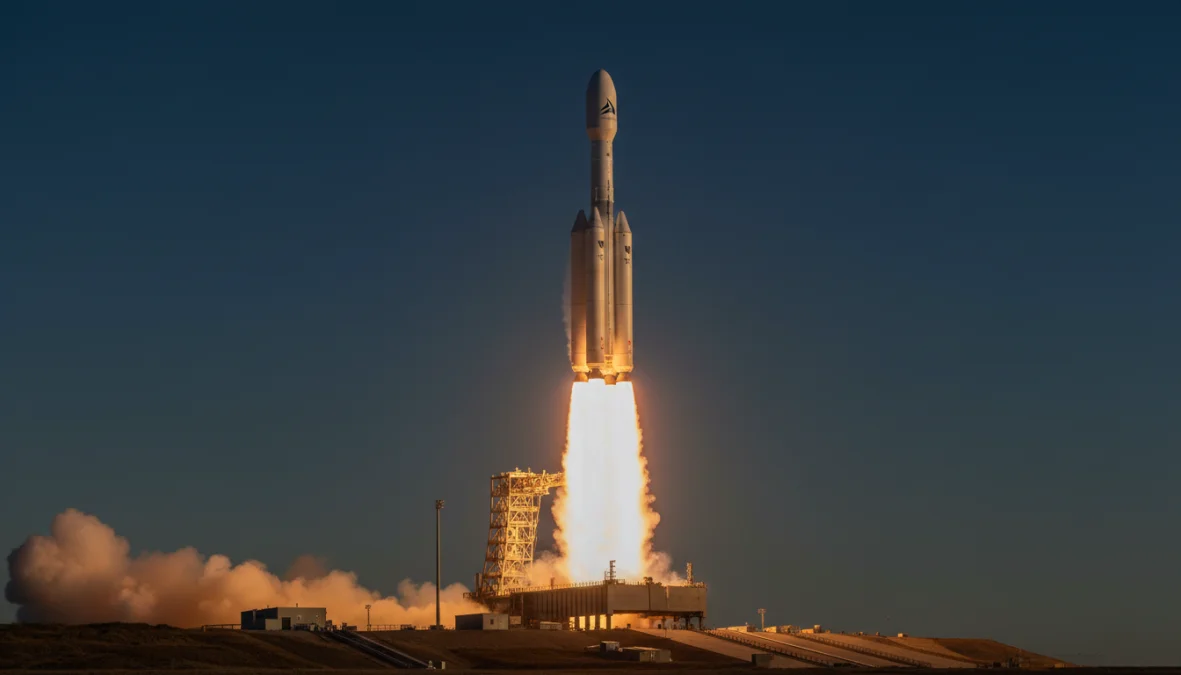
Remember when space was the exclusive playground of superpowers? Those days are gone. Today, private space exploration has completely transformed the game, turning what was once a geopolitical chess match into a thriving marketplace. Companies like SpaceX, Blue Origin, and Virgin Galactic aren’t just launching rockets—they’re launching an entirely new economic frontier. The commercial space industry is booming, and it’s changing everything we thought we knew about reaching the stars.
From Government Monopoly to Commercial Space Industry: The Evolution of Space Exploration
For decades, government space programs like NASA, Roscosmos, and ESA held absolute control over humanity’s journey beyond Earth. The space race was a matter of national pride and Cold War competition, with budgets that only superpowers could afford. But the retirement of the Space Shuttle program marked a turning point. Suddenly, NASA found itself without a way to send astronauts to orbit, relying instead on Russian Soyuz capsules—at $80 million per seat.
This vulnerability, combined with budget constraints and shifting political priorities, opened the door for private space exploration. The Commercial Crew Program, launched in the early 2010s, invited private companies to develop their own crew transportation systems. SpaceX answered the call with Dragon, while Boeing developed Starliner. What emerged wasn’t just a new way to reach space—it was Space Race 2.0, driven by innovation, competition, and the promise of profit.
Several factors accelerated this transition. Technological advances made rocket reusability feasible, dramatically reducing launch costs. Venture capital poured billions into space startups, recognizing the commercial space industry as the next big frontier. Meanwhile, the potential for private companies launching satellites, offering payload delivery services, and even developing space tourism created compelling business cases that government programs never pursued.
SpaceX vs NASA: Collaboration or Competition in the New Space Economy
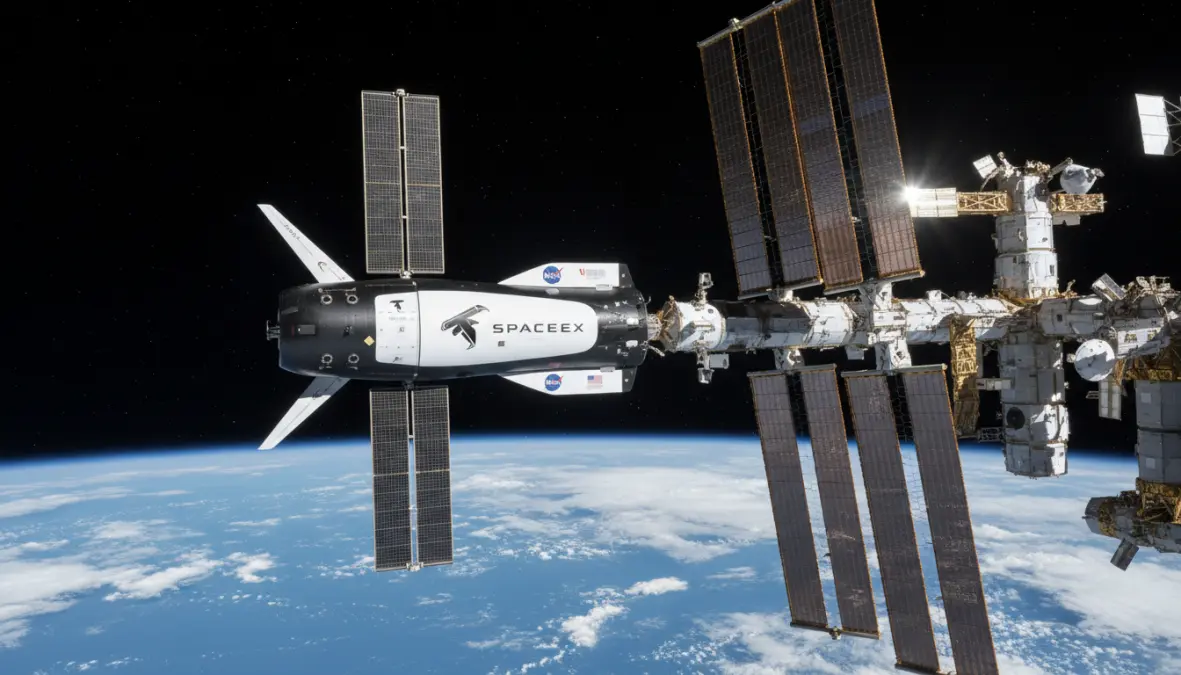
The narrative of SpaceX vs NASA is often framed as a battle, but that’s misleading. The reality is far more nuanced—and interesting. Private space companies and government agencies have developed a symbiotic relationship that’s reshaping the new space economy. NASA doesn’t see SpaceX as a competitor; it sees them as a contractor and partner. SpaceX relies heavily on NASA contracts for ISS resupply missions, crew transportation, and even lunar landing systems for the Artemis program.
This hybrid model leverages the strengths of both sectors. Commercial spaceflight companies bring agility, cost efficiency, and innovation speed. Meanwhile, government programs provide stable funding, regulatory frameworks, and long-term vision for projects without immediate commercial returns. Blue Origin is developing lunar landers through NASA partnerships, while Virgin Galactic focuses on suborbital tourism. Rocket Lab has carved out a niche in small satellite launches, demonstrating how diverse the private space exploration ecosystem has become.
The cost comparison government vs private space programs reveals striking differences. Traditional NASA launches could cost $1 billion or more. SpaceX’s Falcon 9, thanks to reusable first stages, can launch for around $60 million—and that number keeps dropping. This efficiency isn’t just about cheaper rockets; it’s about faster iteration, risk-taking, and operational flexibility that bureaucratic government agencies struggle to match.
Key Advantages of Private Space Companies
The private sector space innovation advantages are substantial. First, there’s speed. SpaceX developed the Falcon 9 and Dragon spacecraft in a fraction of the time traditional programs would require. Decision-making is streamlined—Elon Musk can greenlight major design changes overnight, while NASA requires extensive committee reviews.
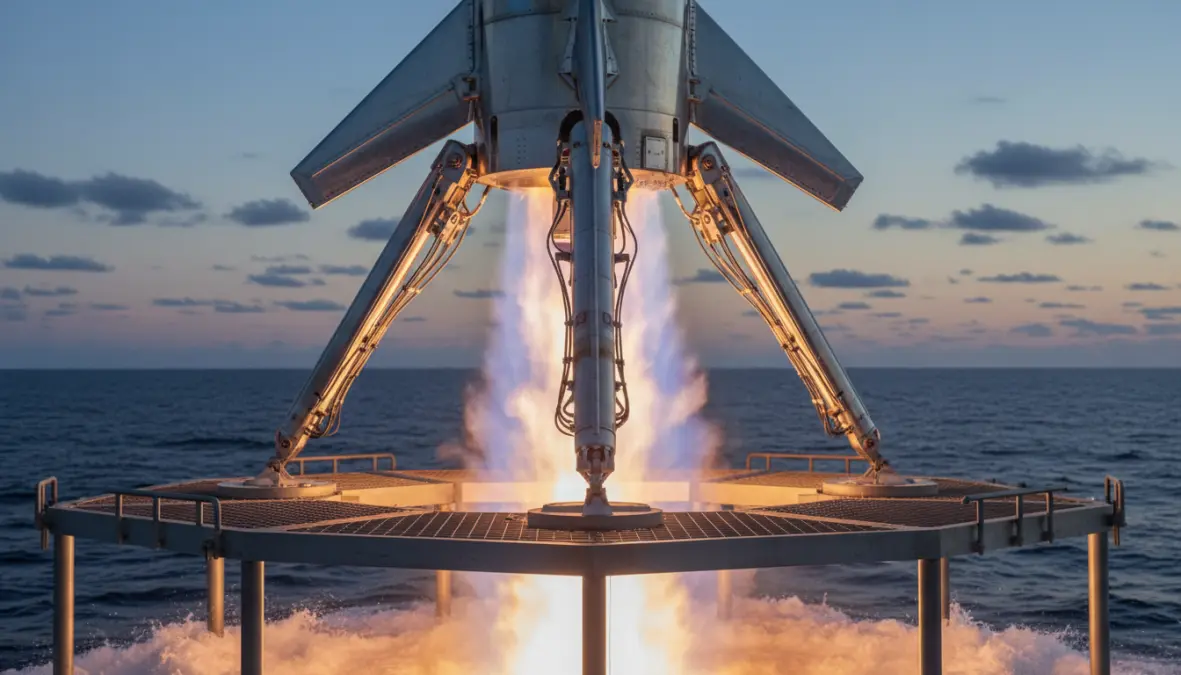
Rocket reusability represents perhaps the biggest game-changer. SpaceX has landed and reflown boosters dozens of times, slashing launch vehicle development costs. Blue Origin’s New Shepard has demonstrated similar capabilities for suborbital flights. This wasn’t just innovation—it was necessity driven by the need for profitability.
Private companies also attract top talent differently. They offer equity, rapid advancement, and the chance to work on cutting-edge projects without government bureaucracy. The culture is startup-like: fail fast, learn faster, iterate constantly. This approach has accelerated orbital infrastructure development, satellite constellation deployment (like Starlink’s thousands of satellites), and even astronaut training programs tailored for commercial needs.
What Government Space Programs Still Do Best
Despite private sector advantages, government space programs remain essential for missions that don’t promise quick returns. The James Webb Space Telescope cost $10 billion and took decades to develop—no private company would fund that. Mars rovers like Perseverance and Curiosity are pure science missions, exploring questions about life’s origins rather than quarterly profits.
Government agencies excel at fundamental research, planetary defense initiatives, and international coordination. NASA’s planetary science division studies climate change from space, tracks asteroids, and conducts experiments that inform future commercial ventures. They also handle regulation, ensuring that the explosion of commercial spaceflight doesn’t create chaos in orbit or compromise safety.
Long-term projects without commercial viability—like crewed missions to Mars or deep space probes—still fall primarily to government programs. The benefits of private space exploration are clear, but they complement rather than replace government work. The future of commercial space travel depends on this partnership continuing.
The Future of Commercial Spaceflight: Opportunities and Challenges Ahead
The new space economy is projecting explosive growth. Space tourism is transitioning from billionaire joyrides to potentially accessible experiences, with companies developing space station commercialization plans. Axiom Space is building commercial modules for the ISS and planning standalone stations. Sierra Space and Blue Origin have similar ambitions.
Beyond tourism, the opportunities are staggering. Asteroid mining could unlock trillions in resources. Manufacturing in microgravity could produce materials impossible to create on Earth. Satellite constellation networks promise global internet coverage, revolutionizing connectivity. Payload delivery services are becoming routine, with dozens of companies offering rides to orbit.
However, challenges loom large. Space debris threatens both government and private operations—one collision could trigger a cascade that makes certain orbits unusable. International regulation hasn’t kept pace with innovation, creating legal gray areas. Economic sustainability remains uncertain; many companies burn through cash faster than they generate revenue. Questions about equitable access persist: will space remain a billionaire’s playground, or can it benefit humanity broadly?
The government and private space partnerships model appears to be the most sustainable path forward. Neither sector alone can address all challenges or seize all opportunities. How private companies changed space industry is clear—they’ve made it faster, cheaper, and more innovative. But government programs provide the foundational research, regulatory oversight, and long-term vision that pure commerce can’t replace.

FAQ
Is private space exploration safer than government programs?
Safety standards remain comparable, as private companies must meet strict government regulations. SpaceX’s Crew Dragon has an excellent safety record, and NASA oversees all crewed missions rigorously. However, government programs historically had more conservative risk tolerance, while private companies sometimes push boundaries faster. The safety comparison ultimately depends on specific missions rather than sector.
How much does commercial spaceflight cost?
Costs vary dramatically. Suborbital tourism flights with Virgin Galactic or Blue Origin run $250,000-$500,000 per seat. Orbital missions on SpaceX Dragon for private astronauts cost tens of millions. Satellite launches range from $1 million for small payloads on rideshare missions to $60+ million for dedicated Falcon 9 launches—still far cheaper than traditional government programs.
Can private companies replace NASA?
Not entirely. Private companies excel at commercially viable services like satellite launches, cargo delivery, and tourism. However, NASA conducts fundamental research, deep space exploration, and scientific missions without profit potential that private companies won’t pursue. The future involves collaboration, with each sector handling what it does best rather than complete replacement.
What is the biggest achievement of private space companies?
Rocket reusability stands out as transformative. SpaceX’s ability to land and refly boosters has fundamentally changed launch economics, reducing costs by orders of magnitude. This achievement opened space access to smaller nations, universities, and companies while accelerating satellite deployment, space station resupply, and making ambitious projects like Mars colonization conceivable.
The transformation of space from government monopoly to commercial marketplace represents one of the most significant shifts in human space exploration. Private space exploration hasn’t eliminated the need for government programs—it’s created a dynamic ecosystem where innovation and collaboration drive progress faster than either sector could achieve alone. As we look ahead, the stars no longer belong exclusively to nations. They belong to anyone bold enough to reach for them.