Sunset Anxiety: Why Evening Hours Trigger Stress and How to Cope
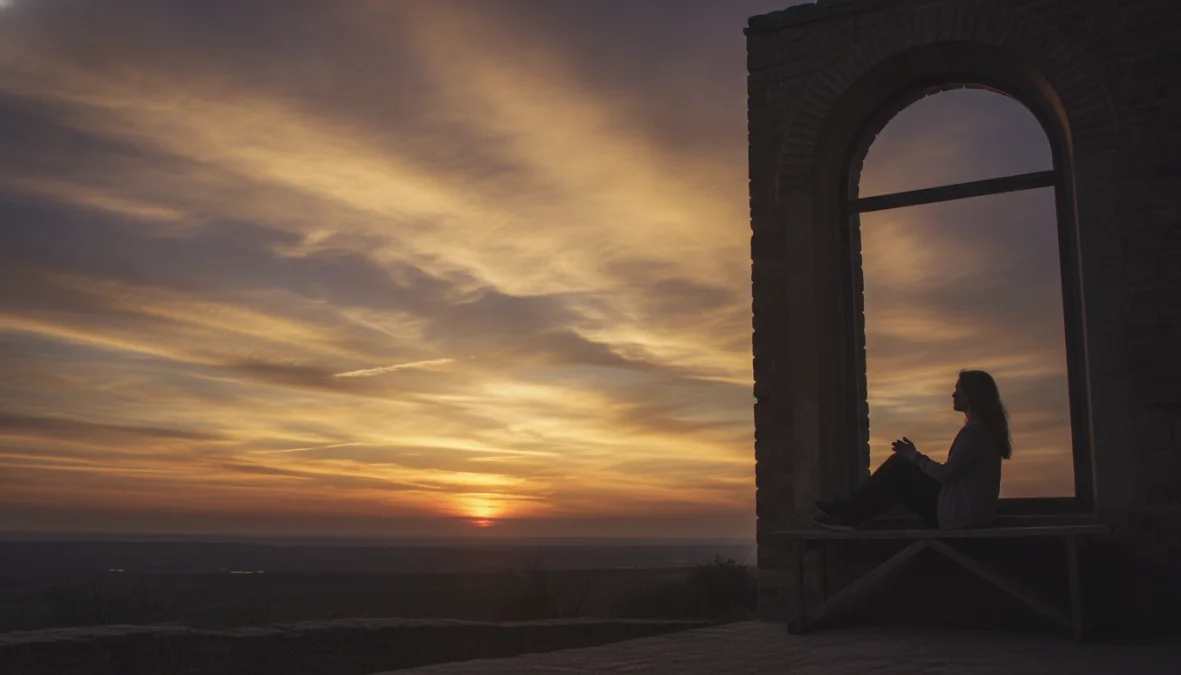
You’re winding down from your day, the golden hour bathes everything in warm light, and then—without warning—a wave of unease washes over you. Your chest tightens, thoughts start racing, and what should be a peaceful sunset suddenly feels like a countdown to dread. If you’ve ever wondered why do I feel anxious at sunset, you’re not alone. This phenomenon, known as sunset anxiety, affects countless people who find their stress levels mysteriously spike as daylight fades. Understanding why this happens and how to manage it can transform your evenings from a source of tension into genuine rest.
What Is Sunset Anxiety and Why Does It Happen?
Sunset anxiety, also called evening anxiety or twilight anxiety, refers to a pattern of heightened stress, worry, or unease that emerges specifically during dusk and early evening hours. Unlike sundown syndrome—a condition primarily affecting individuals with Alzheimer’s disease or dementia characterized by confusion and agitation in late afternoon—general evening anxiety can affect anyone, regardless of cognitive health. Many people describe it as a sense of impending doom or restlessness that arrives like clockwork as the sun begins to set.
The biological underpinnings are fascinating. Your circadian rhythm, the internal clock that regulates sleep-wake cycles, plays a crucial role. As natural light diminishes, your body initiates melatonin production to prepare for sleep. However, this transition can temporarily disrupt neurochemical balance. Some research suggests that serotonin levels—your brain’s mood stabilizer—may dip during this transition, while cortisol levels can paradoxically spike in certain individuals experiencing diurnal mood variation. This creates a perfect storm for anxiety.
Additionally, light deprivation triggers psychological responses rooted in evolutionary biology. Our ancestors faced genuine threats at night, and remnants of this survival mechanism can manifest as dusk depression or heightened vigilance when darkness approaches. The day-to-night transition also represents an ending—a symbolic threshold that can trigger existential thoughts or fear about the hours ahead, especially for those prone to anxiety worse in the evening.
Common Triggers and Symptoms of Evening Anxiety
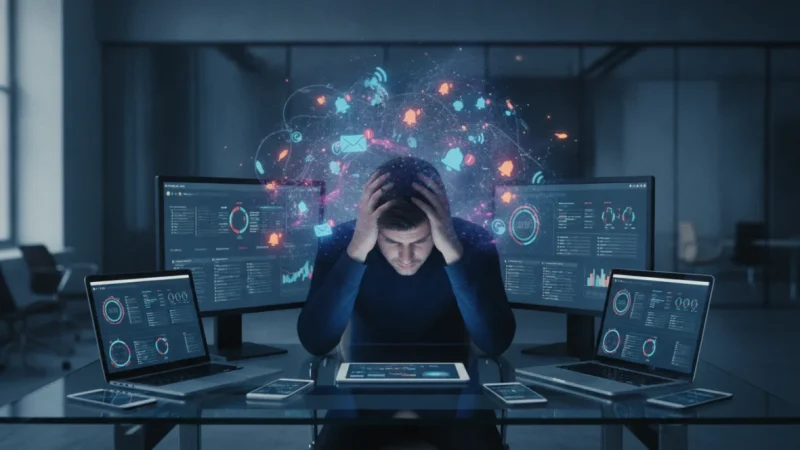
Understanding what specifically triggers your nighttime stress is essential for managing sunset anxiety symptoms. One major culprit is the sudden absence of daytime distractions. During daylight hours, work demands, social interactions, and activities keep your mind occupied. As these fade with the sun, intrusive thoughts have space to surface—what psychologists call evening rumination. Your brain suddenly has the bandwidth to replay the day’s mistakes, worry about tomorrow, or fixate on existential concerns.
The end of day anxiety also intensifies for those living alone or experiencing social isolation. Evening solitude can amplify feelings of loneliness or disconnection. Remote workers and those working from home are particularly vulnerable, as they lack the natural transition that commuting provides between “work mode” and “rest mode.” Without this buffer, accumulated stress from the entire day compounds as evening approaches.
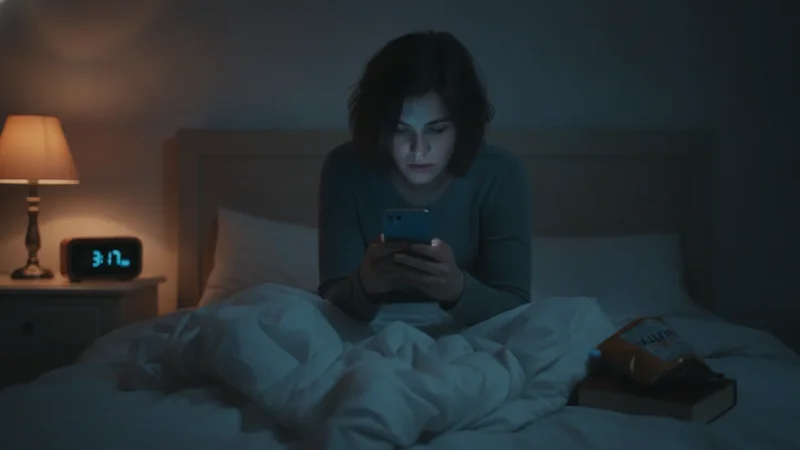
Another significant trigger is anticipatory anxiety about sleep itself. If you’ve struggled with insomnia, the approaching night can feel threatening—you’re essentially feeling stressed when the sun goes down because you associate darkness with sleepless hours of tossing and turning. This creates a vicious cycle where anxiety about sleep prevents the very relaxation needed to sleep well.
Physically, time of day anxiety manifests through racing thoughts, muscle tension (particularly in the jaw, shoulders, and stomach), restlessness or inability to sit still, increased heart rate, and that pervasive sense of doom or impending disaster. Emotionally, you might experience irritability, feeling overwhelmed by tasks that seemed manageable hours earlier, sudden sadness without clear cause, or hypervigilance to bodily sensations.
Certain populations face higher risk. Those with generalized anxiety disorder or depression frequently report worsening symptoms in evening hours. People with seasonal affective disorder often experience intensified twilight anxiety during winter months when darkness arrives earlier. The pattern is clear: if your mood and anxiety fluctuate based on time of day, you’re experiencing a legitimate psychological phenomenon that deserves attention and strategy.
Evidence-Based Strategies to Manage Sunset Anxiety
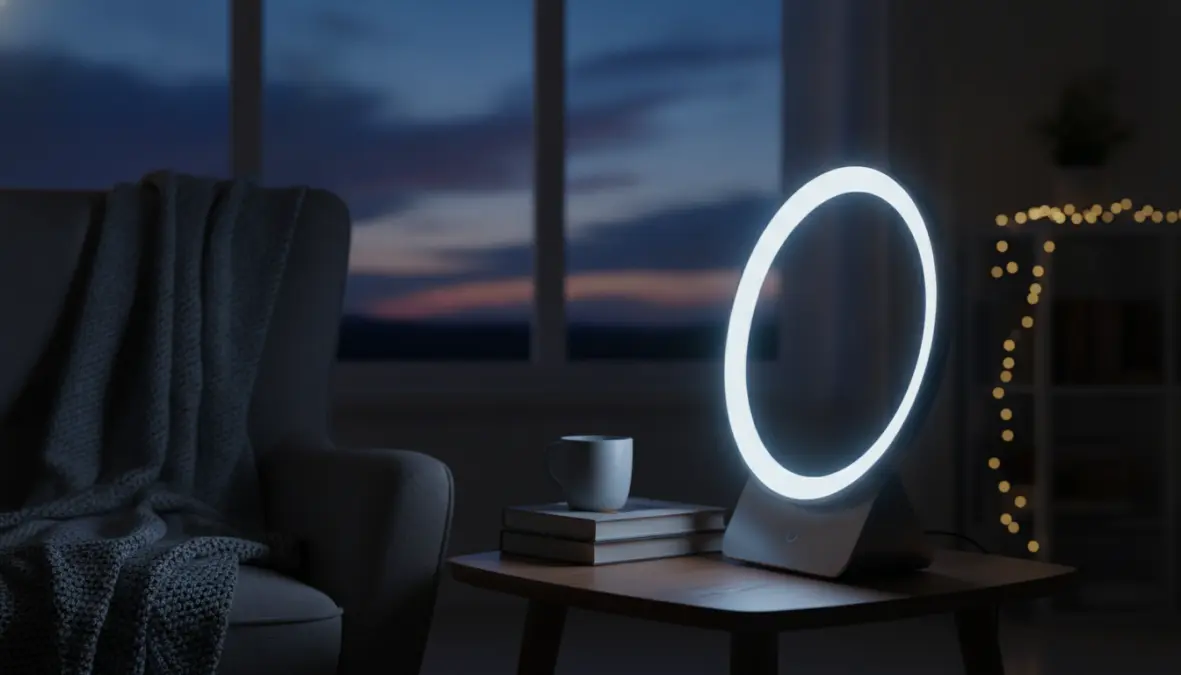
The good news? Multiple evidence-based approaches can help you cope with evening anxiety effectively. Let’s start with perhaps the most powerful tool: light therapy. Since diminishing natural light triggers neurochemical changes, extending your exposure to bright light during the vulnerable twilight hours can significantly reduce symptoms. Use a light therapy box (10,000 lux) for 20-30 minutes during early evening, or simply ensure your living spaces are well-lit rather than dim during dusk. This signals your circadian system to maintain alertness temporarily while you transition more gradually toward rest.
Creating a structured evening routine provides predictability that soothes an anxious nervous system. Think of it as behavioral activation specifically tailored for dusk. Schedule specific activities for the 5-7 PM window: perhaps a walk during golden hour, preparing a nourishing meal, or engaging in a hobby. Consistency is key—your brain learns that this time brings positive, controlled experiences rather than unstructured worry time.
Grounding techniques work exceptionally well for how to cope with evening anxiety in the moment. The 5-4-3-2-1 method (identifying five things you see, four you can touch, three you hear, two you smell, one you taste) anchors you in the present rather than spiraling into anxious futures. Body-based approaches like progressive muscle relaxation or techniques from somatic therapy can release the physical tension that accumulates as evening approaches.
Exercise strategically timed for late afternoon (between 3-5 PM) can dramatically reduce nighttime stress. Physical activity metabolizes excess cortisol and increases endorphins, creating a buffer against evening anxiety spikes. Even a 15-minute walk can make a difference. However, avoid vigorous exercise too close to bedtime, as it can interfere with melatonin production.
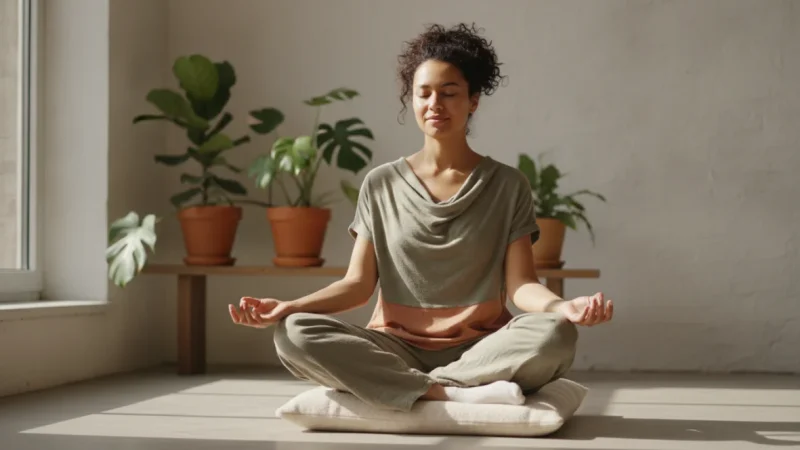
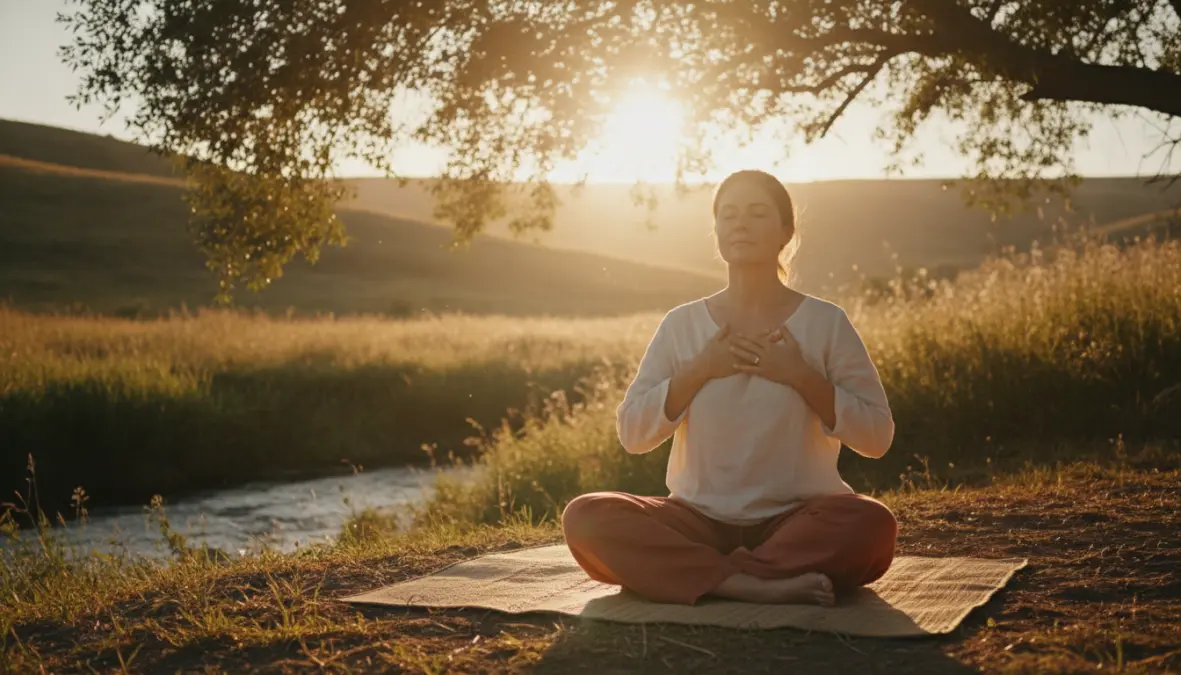
Mindfulness practices specifically designed for sunset can transform your relationship with this time. Rather than resisting the transition, create a “sunset ritual”—sit outside if possible, practice breathing exercises while watching the sky change, or engage in gentle stretching. Nature-based practices like forest bathing during early evening hours combine light exposure, movement, and mindfulness beautifully.
Pay attention to stimulant intake. Caffeine consumed after 2 PM can still be active in your system during evening hours, amplifying anxiety. Similarly, while alcohol might seem to relax you initially, it disrupts sleep architecture and can worsen anxiety later in the night.
Journaling offers a powerful outlet for evening rumination. Designate 10-15 minutes around 6 PM to “brain dump” your worries, thoughts, and tomorrow’s concerns onto paper. This externalization signals your mind that these issues are recorded and addressed, reducing the compulsion to mentally rehearse them as darkness falls.
Finally, social connection during vulnerable hours matters tremendously. Schedule phone calls with friends, attend evening classes or groups, or simply ensure you’re not completely isolated during the 5-8 PM window. Human connection is a powerful antidote to anxiety.
If sunset anxiety significantly impairs your quality of life, interferes with relationships or work, or occurs alongside depression or panic attacks, professional support from a therapist specializing in anxiety disorders can provide targeted interventions like cognitive-behavioral therapy or medication when appropriate.
FAQ About Sunset Anxiety
Is sunset anxiety a real condition?
While not a formal diagnostic category, sunset anxiety is a well-documented pattern of diurnal mood variation recognized by mental health professionals. It represents a legitimate psychological and physiological phenomenon affecting many people, distinct from but related to broader anxiety disorders.
Can sunset anxiety be a sign of depression?
Yes, evening anxiety can co-occur with or signal depression, particularly when accompanied by persistent sadness, loss of interest in activities, or hopelessness. The two conditions frequently overlap, and evening mood deterioration is common in depression. Professional evaluation can clarify the relationship.
Does sunset anxiety go away?
Sunset anxiety often improves significantly with targeted strategies like light therapy, routine changes, and stress management. For many, it’s manageable rather than permanent. Severity can fluctuate with seasons, life stress, and overall mental health. Consistent intervention typically yields substantial improvement over weeks to months.
Is sunset anxiety the same as sundown syndrome?
No. Sundown syndrome specifically affects individuals with dementia or Alzheimer’s disease, causing confusion and behavioral changes in late afternoon. General twilight anxiety occurs in people without cognitive impairment and primarily involves mood and anxiety symptoms rather than confusion or disorientation.
The transition from day to night doesn’t have to be something you dread. By understanding the biological and psychological factors behind why does dusk make me anxious, you’ve taken the first step toward reclaiming your evenings. Experiment with the strategies that resonate most—whether that’s flooding your space with light, moving your body, or connecting with others. Your evenings can become a time of genuine rest and restoration rather than mounting tension. The sunset isn’t an ending to fear, but a natural rhythm you can learn to flow with rather than fight against.