Revenge Bedtime Procrastination: Why We Sacrifice Sleep for Freedom
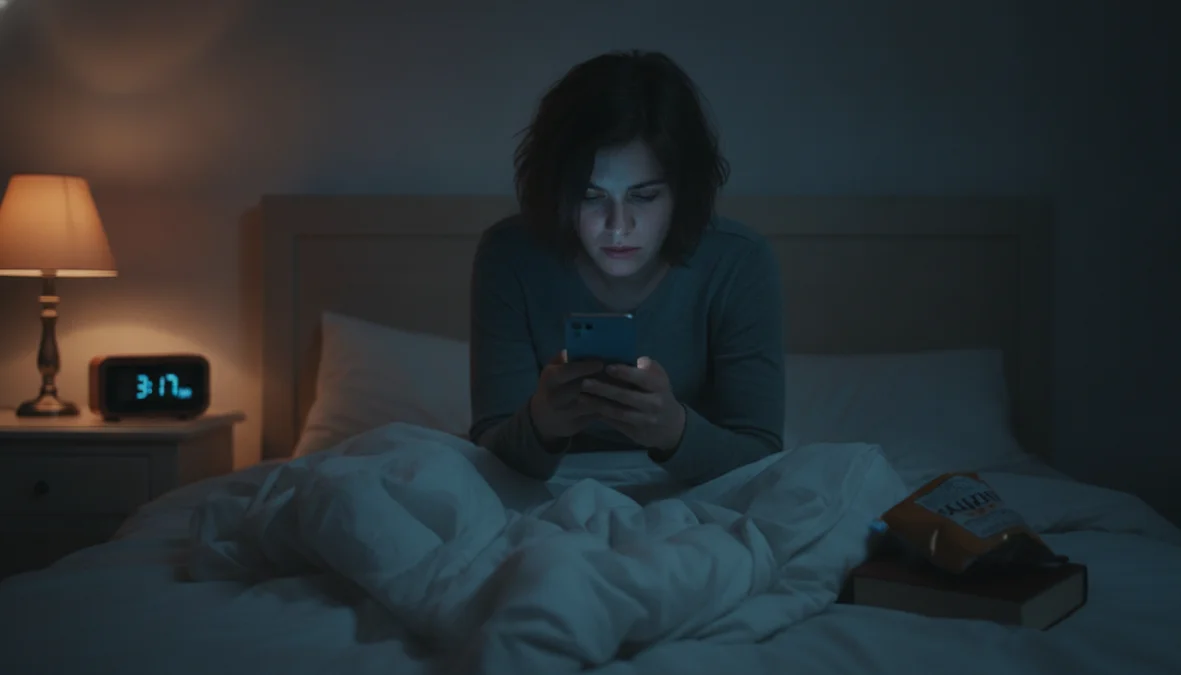
It’s 11 PM. You’re exhausted. Tomorrow’s going to be brutal. Yet here you are, three episodes deep into a series you’re not even enjoying that much, scrolling through social media feeds you’ve already seen twice today. Sound familiar? You’re not weak-willed—you’re experiencing revenge bedtime procrastination, and you’re far from alone in this nightly rebellion against sleep.
What Is Revenge Bedtime Procrastination?
Revenge bedtime procrastination is the phenomenon of deliberately delaying sleep despite knowing you’ll regret it tomorrow, simply to reclaim personal time you felt deprived of during the day. The term originated in China—”報復性熬夜” (bàofùxìng áoyè)—where overwork culture made late-night hours the only time people felt they owned their lives. The word “revenge” captures the defiant nature of this behavior: we’re getting back at our overscheduled days by stealing back hours for ourselves, even if we’re the ones who ultimately pay the price.
Unlike regular bedtime procrastination, which might stem from poor time management or distraction, bedtime revenge syndrome is intentional. It’s not that you can’t sleep—you’re actively choosing not to. Common examples include endlessly scrolling TikTok, binge-watching Netflix shows, online shopping, gaming marathons, or diving into internet rabbit holes about topics you’ll forget by morning. Studies suggest that up to 40% of adults engage in some form of sleep procrastination, with particularly high rates among people working demanding jobs or those with limited autonomy during waking hours.
Why We Stay Up Late: The Psychology of Nighttime Procrastination
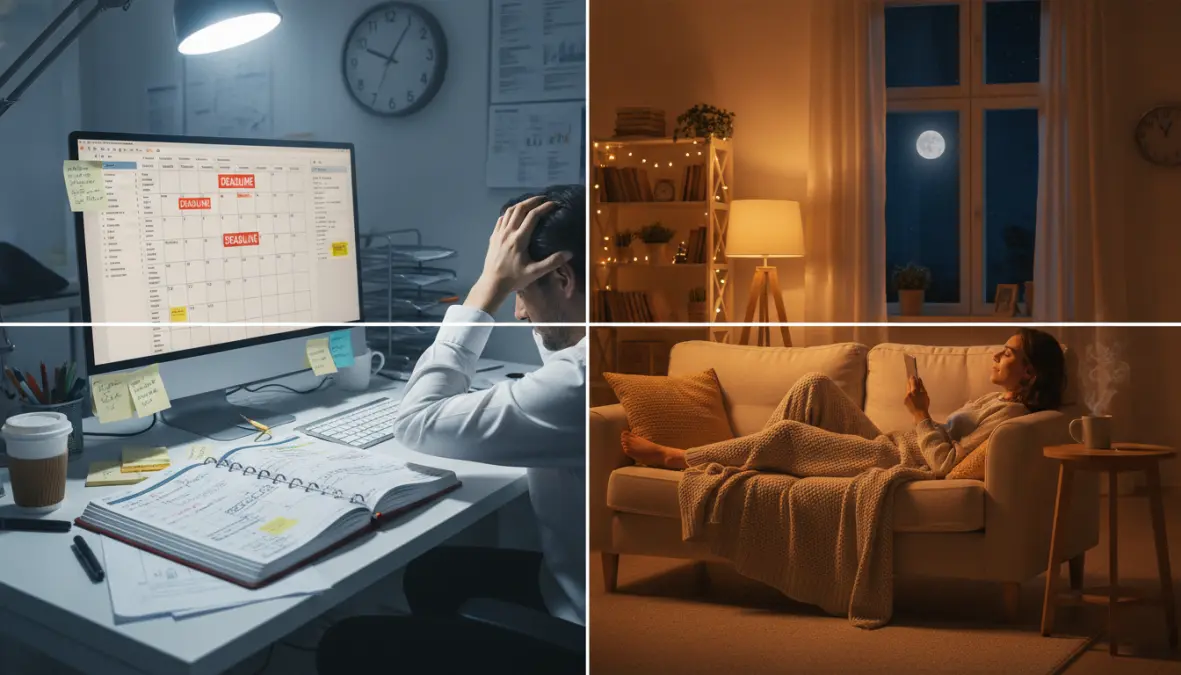
Understanding why we sabotage our own sleep requires looking at what our days have become. Nighttime procrastination rarely happens because we love being tired—it’s a response to feeling like we’ve spent 16 hours meeting everyone else’s demands except our own.
The Freedom Paradox: Trading Sleep for Control
The psychology behind revenge sleep centers on personal autonomy. When your day is dictated by meetings, deadlines, commutes, family obligations, and constant connectivity, staying up late becomes an act of reclaiming agency. Those midnight hours feel like the only time you’re truly free to choose what you do. It’s your time, unapologetically yours, even if you’re spending it on activities that aren’t particularly fulfilling.
Research on self-regulation reveals the paradox: we seek freedom but create new consequences. Procrastination before sleep is a maladaptive coping mechanism for chronic stress and leisure time deficit. The always-on culture, where work emails invade evenings and productivity is glorified above rest, leaves many feeling they must steal time from sleep to have any personal life at all. People most susceptible include those with rigid work schedules, parents who only get quiet after kids sleep, students overwhelmed by academic pressure, and anyone experiencing poor work-life balance.
The deeper issue is that we’re addressing a time scarcity problem with a solution that actually worsens it. By choosing staying up late to feel in control, we’re borrowing tomorrow’s energy and focus for tonight’s illusion of freedom. It’s trading one form of autonomy for another, except the exchange rate is terrible.
The Cost of Late-Night Revenge
The consequences of chronic sleep deprivation habits extend far beyond feeling groggy. Consistently sacrificing sleep for personal time leads to cognitive impairment comparable to being legally drunk, affecting memory, decision-making, and emotional regulation. Physically, insufficient sleep is linked to obesity, weakened immune function, increased cardiovascular disease risk, and metabolic disorders.
The impact on mental health and sleep creates a vicious cycle. Sleep-deprived people experience heightened anxiety, depression symptoms, and reduced stress resilience. When you’re exhausted, your workday feels more overwhelming and uncontrollable, which amplifies the need to reclaim nighttime hours, perpetuating the pattern. Your circadian rhythm disruption compounds the problem, making it harder to fall asleep even when you try, while also reducing sleep quality when you finally do. Understanding your natural sleep patterns can help—learning about your chronotype might reveal you’re fighting against your biological tendencies.
Breaking the Revenge Bedtime Procrastination Cycle
Addressing revenge bedtime procrastination requires more than just better willpower—it demands examining the root causes. If you find yourself wondering “why do I stay up late when I’m tired,” the answer usually isn’t about sleep; it’s about your waking hours.
How to stop revenge bedtime procrastination starts with auditing your day. Can you carve out 30 minutes of genuine personal time before evening? Could lunch breaks become actual breaks rather than working through them? Small pockets of autonomy during daylight reduce the desperation to claim nighttime hours. This addresses the causes of revenge bedtime procrastination rather than just symptoms.
Create intentional evening routines that honor your need for personal time without sacrificing sleep. Set a “devices down” time 60 minutes before bed and fill that hour with genuinely restorative activities—reading, gentle stretching, creative hobbies, or conversation. Improve your sleep hygiene by establishing consistent bedtimes, keeping your bedroom cool and dark, and considering circadian lighting solutions that support natural sleep-wake cycles.
Set firm boundaries with work and technology. If emails after 7 PM are the norm in your workplace, this is a systemic problem requiring boundary-setting, not just personal discipline. Stress management techniques like mindfulness meditation can help address the underlying anxiety driving late-night scrolling.
Most importantly, practice self-compassion. Breaking the revenge bedtime procrastination cycle is gradual. Start by pushing bedtime back just 15 minutes weekly rather than attempting dramatic overnight changes. Acknowledge that wondering “is revenge bedtime procrastination harmful” means you’re already aware—now focus on small, sustainable adjustments rather than perfect execution.
The real solution isn’t better sleep discipline; it’s building a life where you don’t feel you need revenge against your own schedule. Your late-night resistance is telling you something important about how you’re living. Maybe it’s time to listen—preferably before midnight.