Mycelium Leather Alternative: How Mushroom-Based Materials Are Revolutionizing Sustainable Fashion
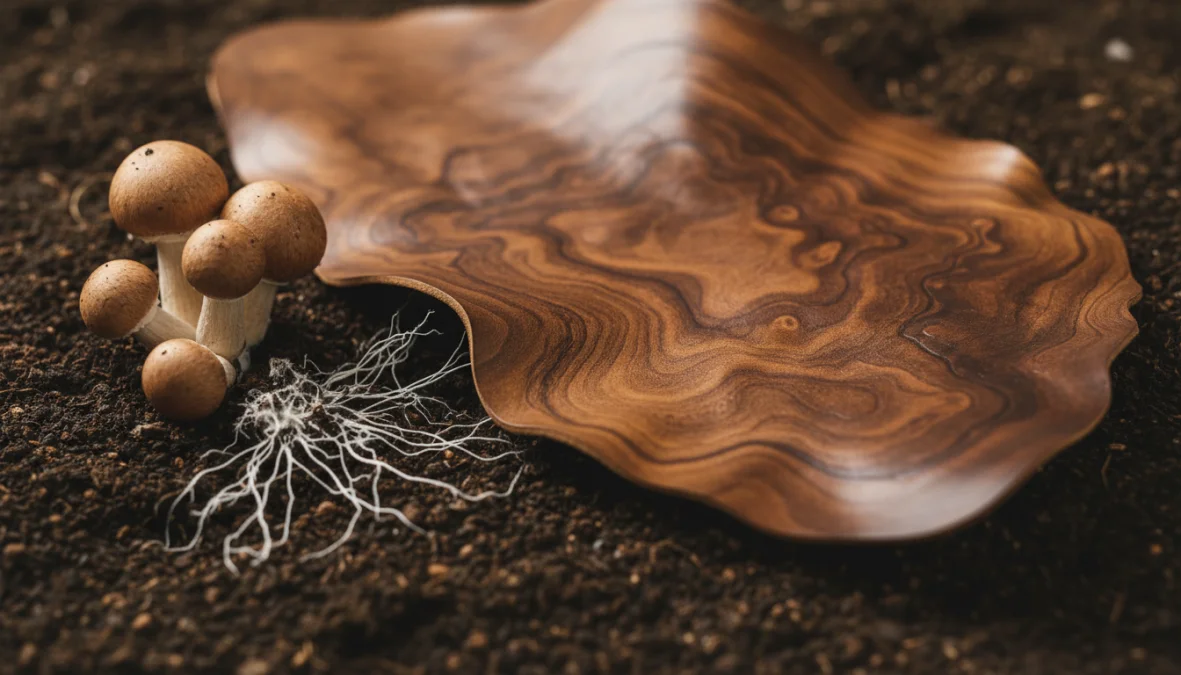
The fashion industry is undergoing a radical transformation, and at the heart of this revolution lies an unexpected hero: mushrooms. While you might associate fungi with your favorite risotto, scientists and fashion innovators are now growing them into luxurious, sustainable materials that could replace traditional leather. This mycelium leather alternative isn’t just a niche experiment—it’s attracting investments from major luxury brands and promising to reshape how we think about fashion, sustainability, and our relationship with materials.
What Is Mycelium Leather and How Is It Made?
So, what exactly is mycelium leather alternative? To understand this innovative mushroom leather, we need to start with the basics. Mycelium is the root structure of mushrooms—a complex network of thread-like fibers called hyphae that grow beneath the surface. Think of it as nature’s own underground internet, except instead of data, it transports nutrients.
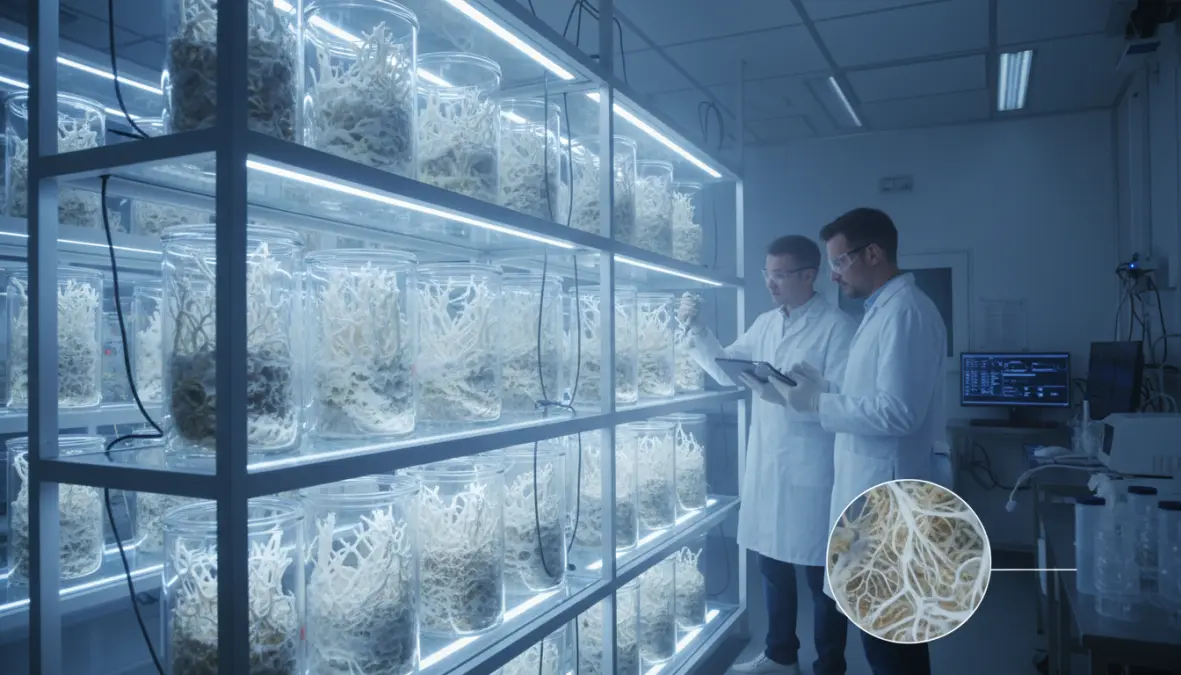
The production process of fungal leather is surprisingly elegant. Scientists feed mycelium agricultural waste like sawdust or corn stalks, then guide its growth in controlled environments. Within just 1-2 weeks, the mycelium forms dense, mat-like structures that can be harvested, processed, and finished to create a leather-like material. This stands in stark contrast to traditional leather, which requires raising animals for years, or synthetic alternatives derived from petroleum.
Companies like Bolt Threads (creators of Mylo) and MycoWorks (Fine Mycelium) have pioneered commercial-scale production of mycelium fabric. The environmental advantages are compelling: mycelium leather requires virtually no water compared to animal agriculture’s massive thirst, eliminates the need for antibiotics or hormones, and produces zero slaughterhouse waste. The entire process can happen in facilities the size of warehouses, using vertical farming techniques that maximize space efficiency.
What makes this bio-fabricated leather particularly exciting is its customizability. During growth, manufacturers can manipulate thickness, texture, and density to create materials suited for everything from handbags to car interiors. Unlike animal hides with natural inconsistencies, mycelium leather can be grown to exact specifications.
Comparing Sustainable Leather Alternatives: Mycelium vs Lab-Grown vs Plant-Based Options
The world of vegan leather alternatives has exploded beyond simple vinyl and PU leather. Today’s sustainable fashion materials landscape includes several competing technologies, each with distinct advantages. Let’s break down how these eco-friendly leather substitutes stack up against each other.
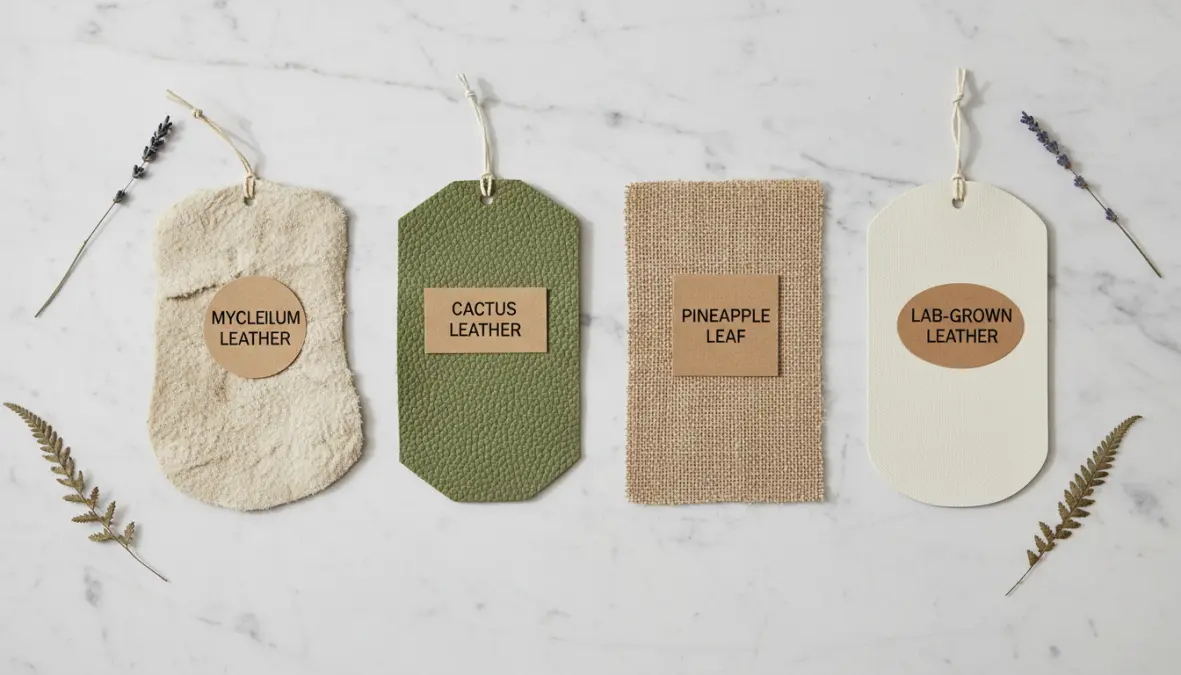
Mycelium and Mushroom-Based Leather
Mycelium leather excels in several key areas. Its texture closely mimics genuine leather, with a natural grain and supple feel that synthetic alternatives struggle to replicate. Durability tests show promising results—while not quite matching decades-old animal leather in every metric, quality mycelium materials can withstand typical fashion product lifecycles.
The material performs well in accessories like handbags, wallets, and watch straps. Fashion houses including Hermès and Stella McCartney have already incorporated mycelium leather into limited collections, validating its luxury appeal. However, cost remains a challenge. Current production runs significantly higher than traditional leather, though economies of scale are expected to narrow this gap as manufacturing expands.
One standout feature? Breathability. Unlike plastic-based faux leathers that trap moisture, mycelium’s natural structure allows air circulation, making it more comfortable against skin—a crucial factor for wearables and footwear.
Lab-Grown and Other Bio-Fabricated Alternatives
Lab-grown leather takes a different approach entirely, using cellular agriculture to grow actual animal skin cells in bioreactors—no animals required. This creates chemically identical leather but faces challenges around scalability and public perception of “lab-created” materials.
Meanwhile, plant-based alternatives have gained traction. Piñatex (from pineapple leaves), Desserto (cactus leather), and apple-based materials offer compelling stories and lower environmental footprints. However, many still require polyurethane binders to achieve leather-like properties, somewhat undermining their eco-credentials.
Bacterial cellulose represents another frontier, where microorganisms produce cellulose fibers that can be processed into leather alternatives. Each technology suits different applications: plant-based options excel in cost-effectiveness for fast fashion, mycelium dominates in luxury goods requiring authentic texture, and lab-grown leather may eventually capture markets demanding “real” leather without animal harm.
The Environmental Impact and Future of Mycelium Leather in Sustainable Fashion
When evaluating any sustainable fashion materials, we need to look beyond marketing claims to actual environmental data. Mycelium leather’s carbon footprint is dramatically lower than conventional leather—studies suggest reductions of up to 90% in greenhouse gas emissions compared to cattle-raised leather. The material is also biodegradable under proper conditions, fitting perfectly into circular fashion models where products return to the earth rather than languishing in landfills.
However, challenges remain. Scalability tops the list—current production volumes can’t yet meet global leather demand. Quality standardization also needs refinement, as variations in growth conditions can affect final product consistency. And while prices are dropping, mycelium leather still costs more than both conventional and synthetic alternatives, limiting mainstream adoption.
The future looks promising despite these hurdles. Investment in fungal biotechnology has surged, with venture capital flooding into companies developing next-generation biomaterials. Major brands like Adidas have announced partnerships to incorporate mycelium into footwear lines, signaling industry confidence.
Market analysts predict the alternative leather market could reach $90 billion within the next decade, with mycelium capturing a significant share. For this to happen, manufacturers must achieve price parity with traditional leather while educating consumers about performance characteristics. Incorporating these innovations into your wardrobe aligns perfectly with building a minimalist and sustainable wardrobe focused on quality and environmental responsibility.
The regulatory landscape will also shape adoption. As governments worldwide implement stricter environmental standards, materials offering carbon-neutral fashion solutions gain competitive advantages. Some regions are already considering incentives for regenerative materials that actively benefit ecosystems rather than merely reducing harm.
FAQ
Is mycelium leather as durable as animal leather?
Mycelium leather shows good durability for typical fashion applications, though it hasn’t yet matched the decades-long lifespan of high-quality animal leather. Current generations perform well for 3-5 years of regular use in accessories and clothing. Ongoing improvements in processing techniques are steadily closing this gap, with some manufacturers reporting performance metrics approaching conventional leather standards.
How much does mycelium leather cost?
Currently, mycelium leather costs 2-3 times more than conventional leather due to limited production scale and specialized manufacturing processes. Prices range from $50-150 per square meter depending on quality and finish. However, as production scales up and technologies mature, industry experts predict costs will drop to competitive levels within the next few years, making it accessible for mainstream fashion brands.
Is mycelium leather truly vegan and cruelty-free?
Yes, mycelium leather is genuinely vegan and cruelty-free materials. It’s grown from fungal organisms using plant-based nutrients, with no animal involvement whatsoever. Unlike some “vegan” leathers that use animal-derived glues or finishes, quality mycelium products maintain vegan integrity throughout production. This makes it ideal for consumers seeking ethical alternatives without compromising on aesthetics or performance.
Can mycelium leather be recycled or composted?
Mycelium leather is biodegradable, though compostability depends on finishing treatments applied during manufacturing. Pure mycelium breaks down naturally, but some commercial products include protective coatings that may slow decomposition. Several manufacturers are developing fully compostable versions that return to soil within months under industrial composting conditions. Always check specific product specifications, as biodegradability varies between brands and applications.
The rise of mycelium leather represents more than just another alternative material—it’s a fundamental shift in how we produce and consume fashion. As this technology matures and scales, we’re witnessing the early stages of a manufacturing revolution that could transform multiple industries beyond fashion. Just as decentralized platforms are reshaping communication, bio-fabricated materials are democratizing production, making sustainable luxury accessible while healing rather than harming our planet. The question isn’t whether mycelium leather will succeed, but how quickly we’ll embrace this fungal future.