Spring Fashion Trends: Building a Minimalist and Sustainable Wardrobe
The arrival of spring brings more than just blooming flowers and warmer days—it’s a fresh opportunity to rethink how we approach fashion. This season, spring fashion trends are moving away from overflowing closets and disposable pieces toward something more intentional: minimalist wardrobes built on sustainable principles. It’s not just about looking good; it’s about feeling good about what you wear and where it comes from.
The Shift Toward Minimalist and Sustainable Spring Fashion
If you’ve been paying attention to spring fashion trends lately, you’ve probably noticed a major shift. The days of buying everything in sight are being replaced by thoughtful curation and sustainable fashion trends that prioritize the planet over profit. This movement isn’t just a passing fad—it’s a response to the devastating impact of fast fashion, which produces 92 million tons of textile waste annually.
The minimalist spring wardrobe approach champions quality over quantity, encouraging us to invest in fewer, better pieces that actually serve our lives. Major fashion houses and emerging ethical brands alike are embracing this philosophy, showcasing collections with clean lines, versatile silhouettes, and timeless appeal. The benefits? You’ll save money in the long run, reduce decision fatigue every morning, and significantly lower your environmental footprint. Slow fashion emphasizes conscious consumption—buying less, choosing well, and making garments last. It’s a win-win that’s reshaping how we think about our closets.
Essential Pieces for a Minimalist Spring Capsule Wardrobe
Building a capsule wardrobe spring collection doesn’t mean sacrificing style—it means being smarter about your choices. When you’re wondering how to build a minimalist spring wardrobe, start with these foundational spring wardrobe essentials that work together seamlessly.
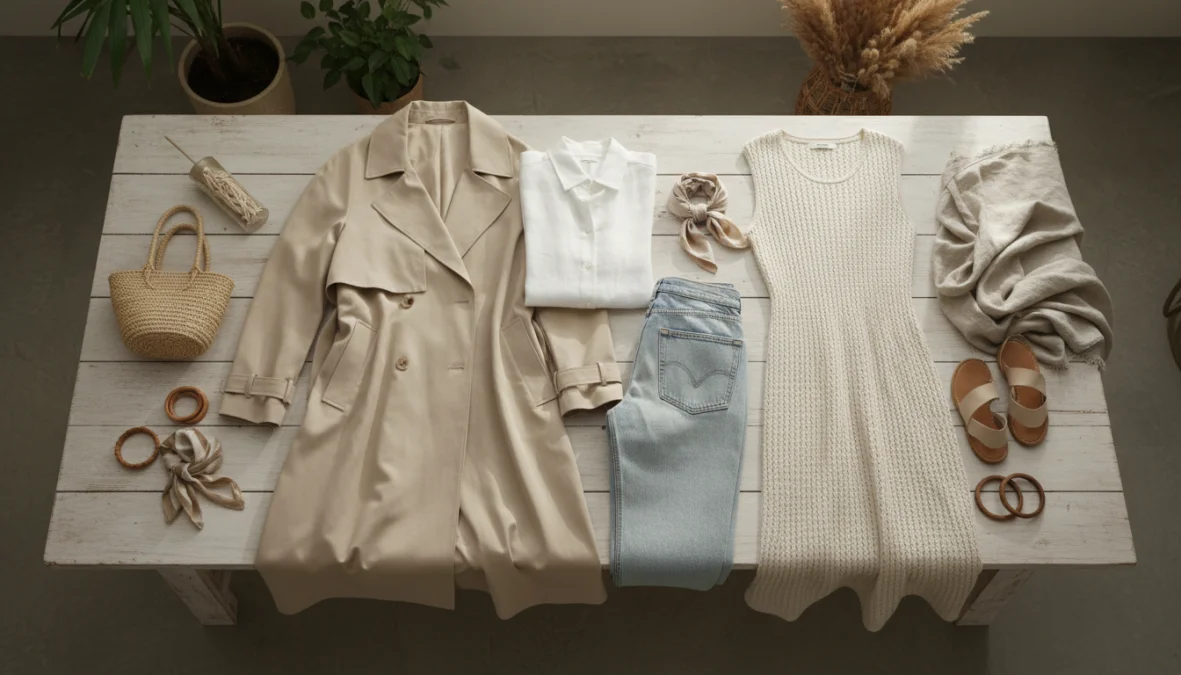
First up: a classic trench coat in a neutral shade like beige or khaki. This piece transitions effortlessly from cool mornings to breezy evenings and pairs with literally everything. Next, invest in high-quality denim—a well-fitting pair of jeans in a medium wash becomes the backbone of countless outfits. Add a crisp white button-down shirt made from organic cotton; it’s professional enough for work yet casual enough for weekends.
A tailored blazer in a neutral color palette (think cream, camel, or soft grey) instantly elevates any look, while a versatile midi dress in a solid color or subtle print serves double duty for both casual and dressier occasions. Round out your essentials with sustainable sneakers in white or neutral tones and simple leather sandals. These timeless pieces form the foundation of endless spring outfit ideas.
Here are three effortless outfit combinations using these essentials: (1) White shirt + blazer + jeans + sneakers for casual Friday at the office; (2) Midi dress + trench coat + sandals for weekend brunch; (3) White tee + jeans + blazer + sneakers for running errands in style. The magic of versatile clothing is that each piece works multiple ways, maximizing your wardrobe’s potential without excess.

Color Palettes and Fabrics That Define Spring Minimalism
The minimalist aesthetic thrives on a carefully curated neutral color palette. For spring, think soft whites, warm beiges, earthy terracotta, sage green, and gentle pastels like powder blue or blush pink. These colors complement each other naturally, making it nearly impossible to create a clashing outfit. The beauty of neutrals is their versatility—they transition seamlessly between seasons and never look dated.
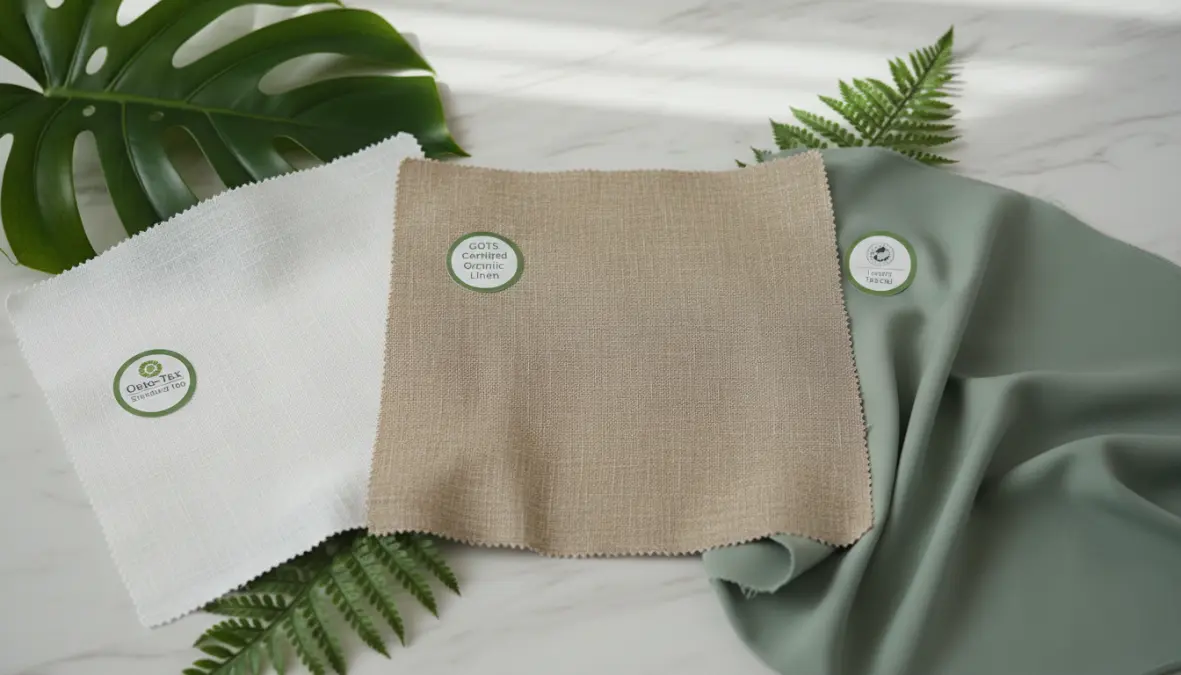
Equally important are the fabrics you choose. Eco-friendly fashion prioritizes materials that are kind to both skin and planet. Organic linen is perfect for spring’s warming temperatures—it’s breathable, durable, and becomes softer with each wash. Look for GOTS-certified organic cotton, which guarantees no harmful pesticides were used in production. Tencel (lyocell) is another sustainable superstar, made from wood pulp using a closed-loop process that recycles water and solvents. These natural, responsibly-produced fabrics align perfectly with minimalist values while offering superior comfort and longevity.
Shopping Sustainably: Ethical Fashion Brands and Practical Tips
Ready to embrace sustainable spring fashion trends? The good news is that ethical fashion brands are more accessible than ever, catering to various budgets and styles. Everlane leads with radical transparency, showing exactly what each item costs to produce. Reformation combines trendy silhouettes with sustainable practices and carbon-neutral shipping. Patagonia has long championed environmental responsibility, offering durable outdoor-inspired pieces with lifetime repair guarantees.
For more affordable sustainable spring fashion, check out Arket for Scandinavian minimalism, Kotn for exceptional organic cotton basics, or Pact for budget-friendly organic essentials. Cuyana follows the “fewer, better” philosophy with investment pieces built to last. When shopping, look for certifications like GOTS (Global Organic Textile Standard), Fair Trade, B-Corp status, or OEKO-TEX, which verify a brand’s environmental and social commitments.
Beware of greenwashing—when brands make misleading sustainability claims. If a company uses vague terms like “eco-conscious” without specific certifications or transparency about their supply chain, dig deeper before buying. Building a sustainable wardrobe is a gradual process. Start by conducting a closet audit: sell or donate pieces you haven’t worn in a year. This creates space—both physical and mental—for intentional purchases. Embrace quality over quantity by investing in well-made items that cost more upfront but last years longer than fast fashion alternatives.
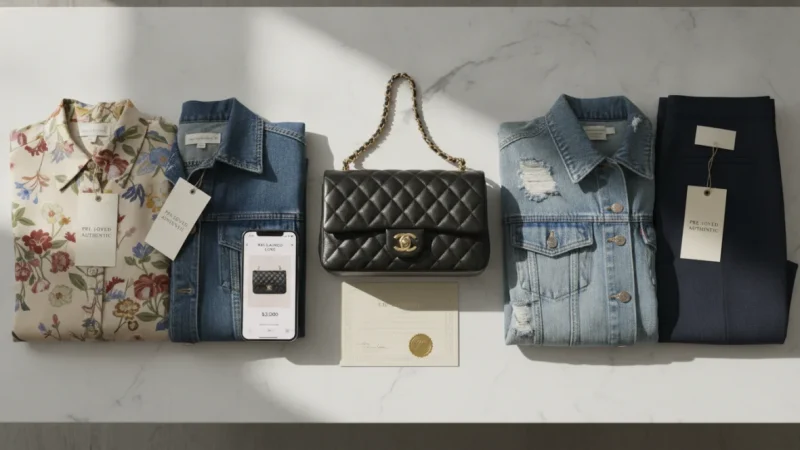
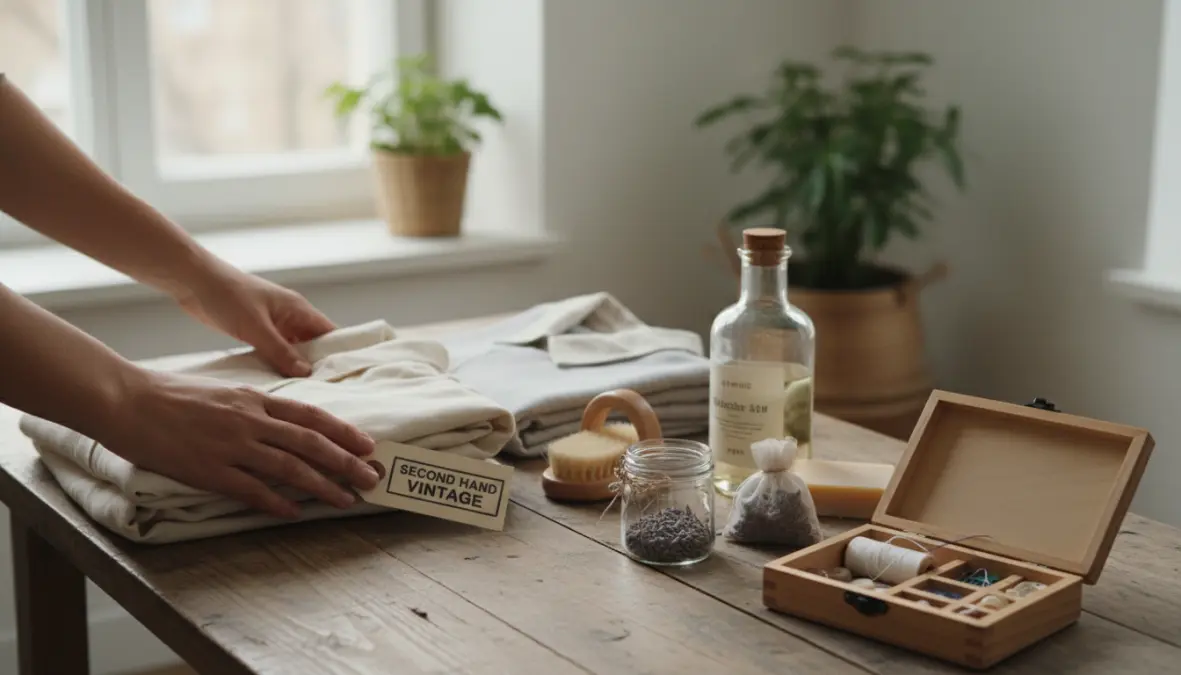
Proper care extends garment life significantly: wash clothes less frequently, use cold water, air dry when possible, and learn basic repairs like sewing buttons or mending small tears. Don’t overlook second-hand and vintage shops, which offer unique finds while giving garments a second life. These practices embody ethical production principles and wardrobe curation at its finest.
Questions to Ask Before Every Purchase
Before clicking “buy” or heading to the checkout, run through this quick checklist to ensure you’re making a thoughtful choice:
- Versatility: Can I style this piece at least three different ways? Does it work with items I already own?
- Cost-per-wear: If I wear this 30 times, what’s the actual cost per use? Higher upfront investment often means better long-term value.
- Materials: Is this made from sustainable, quality fabrics that will last? Are there harmful chemicals or synthetic materials?
- Production ethics: Does the brand provide transparency about working conditions and fair wages?
- Real need: Am I buying this because I genuinely need it, or am I shopping out of boredom or impulse?
This decision-making framework helps you avoid regrettable purchases and build a wardrobe you’ll actually love and use. It’s about being intentional—every piece should earn its place in your closet.
As spring unfolds, embrace this opportunity to reset your relationship with fashion. A minimalist spring wardrobe built on sustainable principles isn’t about deprivation—it’s about freedom. Freedom from clutter, from guilt, and from the endless cycle of buying and discarding. By choosing timeless pieces, supporting ethical fashion brands, and practicing conscious consumption, you’re not just dressing better—you’re contributing to a fashion industry that values people and planet as much as profit. Your spring style can be both beautiful and responsible, proving that less truly is more.