Lion’s Mane Benefits: The Complete Guide to Cognitive Enhancement and Dosage
Ever feel like your brain is running on low battery by mid-afternoon? You’re not alone. In a world where mental performance is currency, more people are turning to nature’s pharmacy for help—and one fuzzy white mushroom is stealing the spotlight. Lion’s mane benefits have captured the attention of biohackers, students, and professionals alike, promising sharper focus, better memory, and a brain that actually keeps up with your ambitions. But is this ancient fungus really the cognitive upgrade it’s cracked up to be? Let’s dig into the science, the dosage, and everything you need to know about Hericium erinaceus.
What Is Lion’s Mane Mushroom and Why It’s Trending
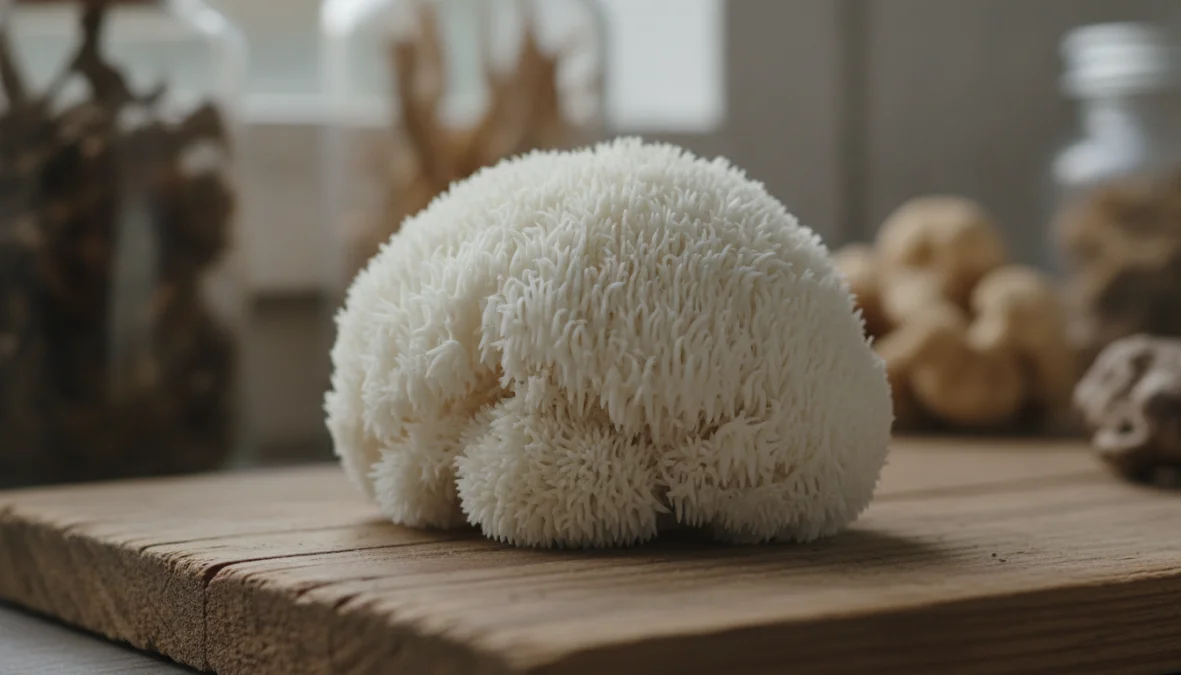
Lion’s mane mushroom looks exactly like its name suggests: a cascading white pom-pom that resembles a lion’s mane. Botanically known as Hericium erinaceus, this edible fungus has been a staple in traditional Chinese medicine for centuries, prized for its ability to support digestive health and overall vitality. Ancient practitioners believed it fortified the “five internal organs” and promoted general well-being—claims that modern science is now starting to validate.
So why has this mushroom exploded in the nootropic mushrooms market? Simple: we’re living in an age of cognitive optimization. As circadian lighting and other biohacking trends gain traction, people want natural, evidence-based ways to enhance brain health supplements. Lion’s mane fits the bill perfectly. You can find it fresh at specialty markets, but most people opt for mushroom supplements in the form of powders, capsules, or liquid extracts. Each form has its perks: fresh mushrooms offer culinary versatility, while lion’s mane extract provides concentrated bioactive compounds for maximum cognitive benefits.

Science-Backed Lion’s Mane Benefits for Brain and Body
Let’s cut through the hype and talk hard facts. The lions mane benefits aren’t just folklore—research is backing up what traditional healers have known for ages. This remarkable fungus contains bioactive compounds like beta-glucans, hericenones, and erinacines that work synergistically to support your brain and body in multiple ways.
Cognitive Enhancement and Memory Support
Here’s where things get really interesting. Lion’s mane is one of the few natural substances shown to stimulate nerve growth factor (NGF) production. NGF is a protein crucial for the growth, maintenance, and survival of neurons. By promoting NGF, lion’s mane cognitive enhancement goes beyond just making you feel sharper—it potentially supports actual brain cell regeneration and neuroplasticity.
Studies on older adults with mild cognitive impairment showed measurable improvements in cognitive function after taking lion’s mane extract for several months. For students cramming for exams or professionals juggling complex projects, does lion’s mane improve cognition? The research suggests yes. The mushroom’s ability to support neurogenesis (the creation of new brain cells) makes it particularly appealing for lion’s mane memory improvement. Think of it as fertilizer for your neurons—encouraging them to grow, connect, and communicate more efficiently.
Mental Clarity and Mood Balance
Brain fog isn’t just annoying—it’s productivity kryptonite. One of the most commonly reported lion’s mane benefits for brain function is the reduction of that mental haze that makes even simple tasks feel overwhelming. Users frequently report improved lion’s mane for focus and concentration within weeks of consistent use.
But the benefits extend beyond cognitive clarity. Recent research indicates lion’s mane neurological benefits include mood regulation. Studies suggest the mushroom may help reduce symptoms of mild anxiety and depression, possibly through its anti-inflammatory effects on brain tissue and its support of healthy neurotransmitter function. The neuroprotective properties of this mushroom help shield brain cells from oxidative stress, creating a foundation for better emotional balance. Similar to how sound bathing promotes mental wellness through different mechanisms, lion’s mane works at the cellular level to support mood stability.
Beyond the brain, lion’s mane supports your immune system thanks to those powerful beta-glucans that activate immune cells. Its anti-inflammatory properties benefit gut health too—interesting, considering the gut-brain connection. Some users report improved digestive function alongside their cognitive gains, a reminder that true wellness is holistic. Much like how forest bathing addresses multiple health dimensions simultaneously, lion’s mane works on several physiological systems at once.

Lion’s Mane Dosage: How Much Should You Take?
Here’s the million-dollar question: how much lion’s mane to take daily? The answer depends on your goals, the form you’re using, and the quality of your supplement. Let’s break it down.
Standard dosage ranges:
- Beginners: 500-1000mg daily of lion’s mane extract (look for products standardized to contain at least 30% polysaccharides)
- Intermediate users: 1000-2000mg daily for noticeable cognitive benefits
- Experienced biohackers: 2000-3000mg daily, split into two doses
- Powder (mycelium or fruiting body): 1-3 grams daily, mixed into coffee, smoothies, or tea
The difference between powder and extract matters. Extracts concentrate the bioactive compounds, meaning you need less to achieve the same effect. When shopping for mushroom supplements, check the label for extraction ratio (10:1 or 20:1 are common) and whether it’s made from the fruiting body or mycelium—fruiting bodies generally contain higher concentrations of the compounds you want.
For best lion’s mane supplement dosage timing, most people take it in the morning or early afternoon. Since it supports mental clarity and focus, evening doses might interfere with wind-down routines—though some find it calming rather than stimulating. Start with morning doses and adjust based on your response.
How long before you see results? This isn’t a quick fix. Most users report noticeable improvements in brain fog and focus within 2-4 weeks, while deeper cognitive benefits and lion’s mane memory improvement typically emerge after 8-12 weeks of consistent use. Patience pays off with natural nootropics.
Safety considerations: Lion’s mane is generally well-tolerated with minimal side effects. Some people experience mild digestive upset initially. If you’re on blood thinners or have a mushroom allergy, consult your healthcare provider first. Pregnant or nursing women should err on the side of caution and avoid supplementation until more research is available.
Quality matters immensely. Look for supplements tested for heavy metals and contaminants, preferably from organic sources. Third-party testing is your friend—it ensures you’re getting actual lion’s mane and not just filler.
Whether you’re a student seeking academic excellence, a professional battling afternoon slumps, or someone simply wanting to preserve cognitive function as you age, lion’s mane benefits offer a compelling, science-backed option. This ancient mushroom has earned its place in the modern wellness toolkit—not through marketing hype, but through genuine neurological support that you can feel. Start with a quality supplement, be consistent, and give your brain the natural boost it’s been asking for. Your neurons will thank you.