Circadian Lighting Benefits: How Smart Bulbs Improve Sleep and Productivity
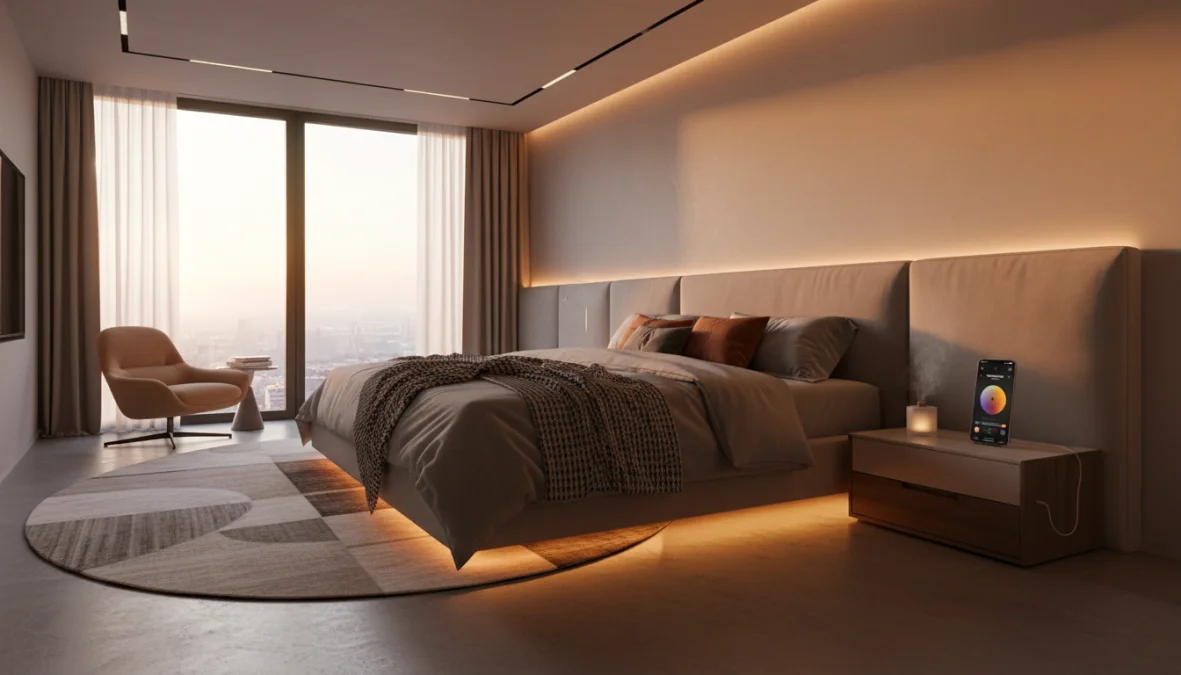
Ever wonder why you feel energized under bright morning light but drowsy when the sun sets? That’s your biological clock at work—and it turns out, the lighting in your home might be sabotaging it. Between artificial blue light from screens and overhead LEDs blasting your retinas at midnight, modern life isn’t exactly circadian-friendly. But here’s the good news: circadian lighting benefits are real, and smart bulbs are making it easier than ever to sync your lighting with your body’s natural rhythms. Let’s dive into how the right lighting setup can transform your sleep quality and supercharge your productivity.
What Is Circadian Lighting and Why It Matters
Your circadian rhythm is essentially your body’s internal 24-hour clock, orchestrating everything from sleep-wake cycles to hormone production. Light is the primary cue that keeps this clock ticking accurately. When specialized photoreceptors in your eyes detect light—especially blue wavelengths—they signal your brain to suppress melatonin production and boost cortisol, making you feel alert. As natural daylight fades and warmer tones dominate, melatonin kicks in and prepares you for sleep.
This is where circadian rhythm lighting comes in. Also called human centric lighting, it’s designed to mimic the natural progression of daylight throughout the day. Traditional lighting doesn’t adapt—your bedroom lamp blasts the same color temperature whether it’s 7 AM or 11 PM. Smart bulbs, however, can shift from energizing cool blue light in the morning to warm amber tones at night, supporting your sleep wake cycle lighting needs. It’s not just about dimming; it’s about matching the spectral quality of natural light to help your body know what time it is. For more on how your body’s internal timing works, check out why your chronotype matters more than you think.
Key Circadian Lighting Benefits for Sleep and Productivity
The promise of circadian lighting benefits isn’t just marketing hype—there’s solid science backing up how strategic light exposure affects both rest and performance. From falling asleep faster to staying sharp during work hours, the right lighting schedule can be a game-changer.
How Circadian Lighting Improves Sleep Quality
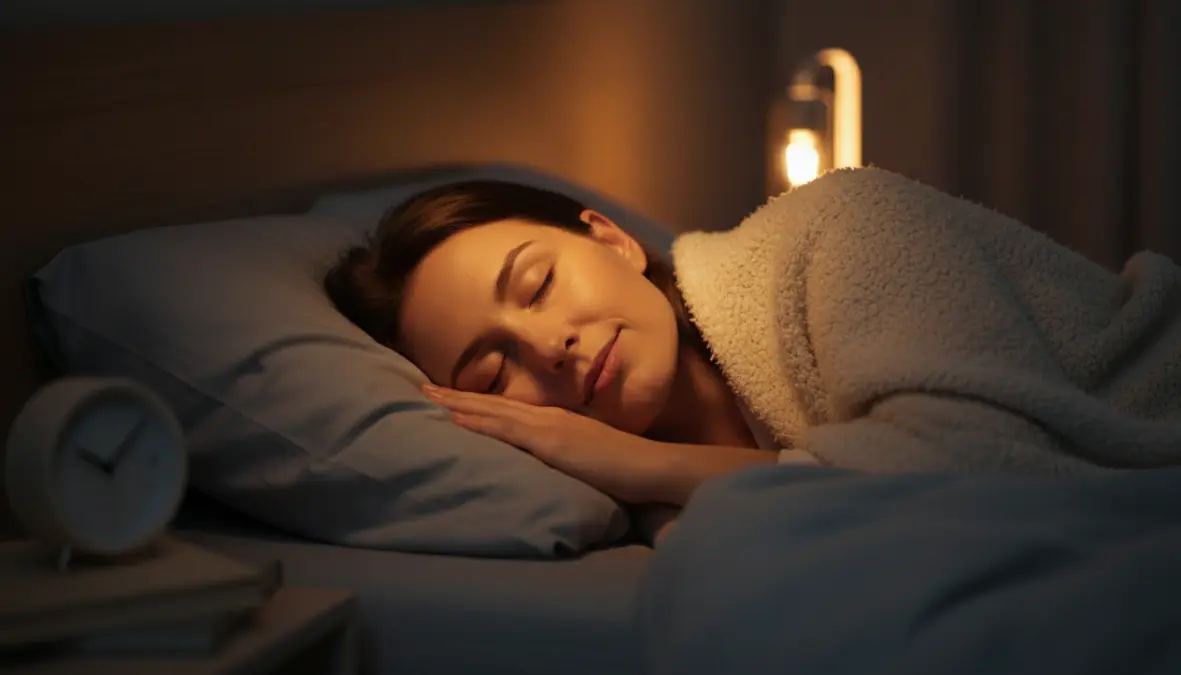
If you’ve ever scrolled through your phone before bed and then tossed and turned for hours, you’ve experienced firsthand how blue light and sleep don’t mix. Blue-rich light suppresses melatonin production by up to 50% according to research, tricking your brain into thinking it’s still daytime. This is where smart bulbs for sleep shine (pun intended). By automatically reducing blue wavelengths and shifting to warmer color temperatures (around 2000K-2700K) in the evening, these bulbs help your body ramp up melatonin naturally.
Studies show that people using circadian lighting schedules for better sleep fall asleep an average of 15-20 minutes faster and experience fewer nighttime awakenings. It’s essentially light therapy for better sleep hygiene—no prescription needed. Many users report deeper, more restorative sleep within just a week of implementing proper evening lighting. For those dealing with irregular sleep patterns, this technology offers a non-invasive way to reset your biological clock without medication.
Boosting Daytime Energy and Productivity
While winding down matters, starting your day right is equally crucial. Exposure to bright, blue-enriched light in the morning acts like a natural espresso shot, signaling your brain to suppress any lingering melatonin and increase alertness. This is where smart lighting productivity benefits become apparent. Using tunable white lighting set to cooler temperatures (5000K-6500K) during morning and peak work hours can improve focus, reaction time, and even mood.
Research from lighting studies indicates that workers exposed to circadian-optimized lighting reported 15-25% improvements in productivity metrics and reduced afternoon fatigue. For remote workers and home offices, implementing smart bulbs that mimic natural light can recreate the energizing effect of a sun-filled workspace—even if you’re working from a windowless room. The key is maintaining that natural daylight simulation when your body needs it most. Similar optimization strategies are explored in how technology is transforming workplace productivity.
Choosing the Right Smart Bulbs for Circadian Rhythm Support
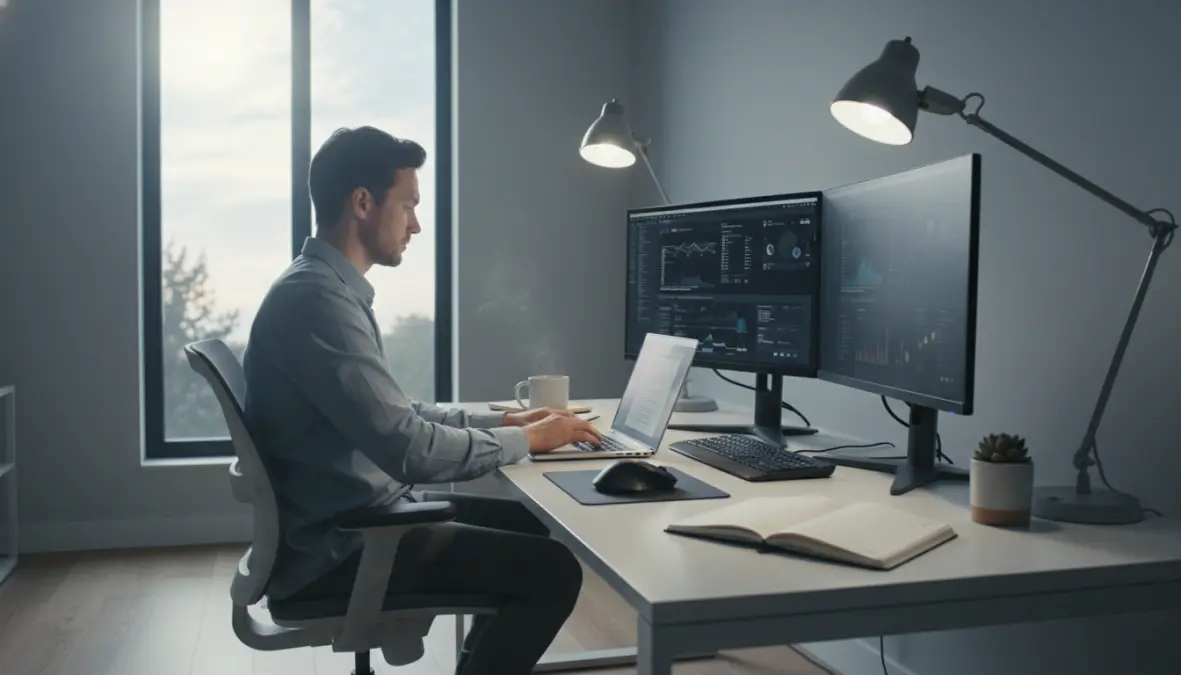
Not all smart bulbs are created equal when it comes to supporting your circadian rhythm. Here’s what to look for when shopping for LED circadian bulbs that actually deliver on the promise of human-centric lighting.
First, prioritize tunable white lighting capability. You need bulbs that can adjust across a wide color temperature range—ideally from warm 2000K (think candlelight) to cool 6500K (bright daylight). Many budget smart bulbs only offer basic dimming without true color temperature adjustment, which won’t give you the circadian lighting benefits you’re after. Look for products specifically marketed as “circadian” or “tunable white.”
Second, check for robust automation features. The whole point is to have your lighting adjust automatically without thinking about it. The best smart bulbs for circadian rhythm integrate with scheduling apps or home automation platforms like Apple HomeKit, Google Home, or Amazon Alexa. You want to set up routines that gradually shift color temperature throughout the day—energizing blue-white at 7 AM, neutral during midday, and warm amber by 8 PM.
Third, consider brightness capabilities. For effective morning wake up light simulation, you need bulbs capable of at least 800-1000 lumens. Dim bulbs won’t provide the intensity needed to properly signal your photoreceptors and kick-start your day.
Popular brands like Philips Hue, LIFX, and Nanoleaf offer solid circadian-friendly options, though they come at premium prices. Mid-range alternatives from brands like Wyze and Govee provide good functionality at lower cost. Whichever you choose, invest in bulbs for at least your bedroom and primary workspace—these are the high-impact zones.
For setting up how to set up circadian lighting at home, start simple: Schedule cool, bright light (5500K+) from wake time until early afternoon, transition to neutral white (3500-4500K) in late afternoon, then warm tones (2700K or lower) 2-3 hours before bed. Most apps let you create gradual transitions rather than abrupt changes, which feels more natural. You can fine-tune based on your personal schedule and how your body responds.
FAQ About Circadian Lighting
Do smart bulbs really help you sleep better?
Yes, when used properly. Studies confirm that reducing blue light exposure in the evening increases melatonin production, making it easier to fall asleep. Users typically notice improvements within 5-7 days of consistent use.
What color temperature is best for sleep?
Aim for 2000K-2700K in the 2-3 hours before bedtime. This warm, amber-to-red spectrum minimizes blue light that suppresses melatonin while providing enough visibility for evening activities.
When should I switch from blue to warm light?
Start transitioning to warmer tones around 2-3 hours before your target bedtime. If you sleep at 11 PM, begin shifting to warm lighting by 8-9 PM. Gradual transitions work better than sudden changes.
Can circadian lighting help with jet lag or shift work?
Absolutely. Strategic light exposure is one of the most effective non-pharmaceutical interventions for resetting your biological clock. Shift workers can use bright light during their “day” (even if it’s nighttime) and block light during their “night” to help adapt.
How long does it take to see benefits?
Most people notice improved sleep quality within a week. Productivity benefits may appear within days as your energy levels stabilize. Consistency is key—sporadic use won’t deliver the same results as maintaining your circadian lighting schedule daily.
Optimizing your lighting might seem like a small tweak, but the circadian lighting effects on productivity and sleep quality can be profound. It’s one of those biohacking strategies that’s both accessible and backed by solid science. If you’re struggling with sleep issues or afternoon crashes, your lighting setup might be the missing piece. Start with your bedroom and workspace, establish a consistent schedule, and give your body a few weeks to adjust. Your biological clock will thank you—and your energy levels and sleep quality will show it.