Sound Bathing Benefits: The Science Behind Vibrational Healing Therapy
Ever left a concert feeling oddly relaxed, or noticed how certain sounds can instantly shift your mood? You’re experiencing something practitioners have known for centuries: sound has power over our bodies and minds. Sound bathing takes this phenomenon and turns it into a therapeutic practice, using carefully crafted vibrations to promote healing and relaxation. But what exactly are the sound bathing benefits, and is there actual science behind the hype, or is this just another wellness trend? Let’s dive into the fascinating intersection of ancient practice and modern research.
What Is Sound Bathing and How Does It Work?
Sound bathing—also called a sound bath—is a meditative experience where participants are “bathed” in sound waves produced by various instruments. Unlike passive music listening, this is vibrational therapy designed to create specific frequencies that interact with your body at a cellular level.
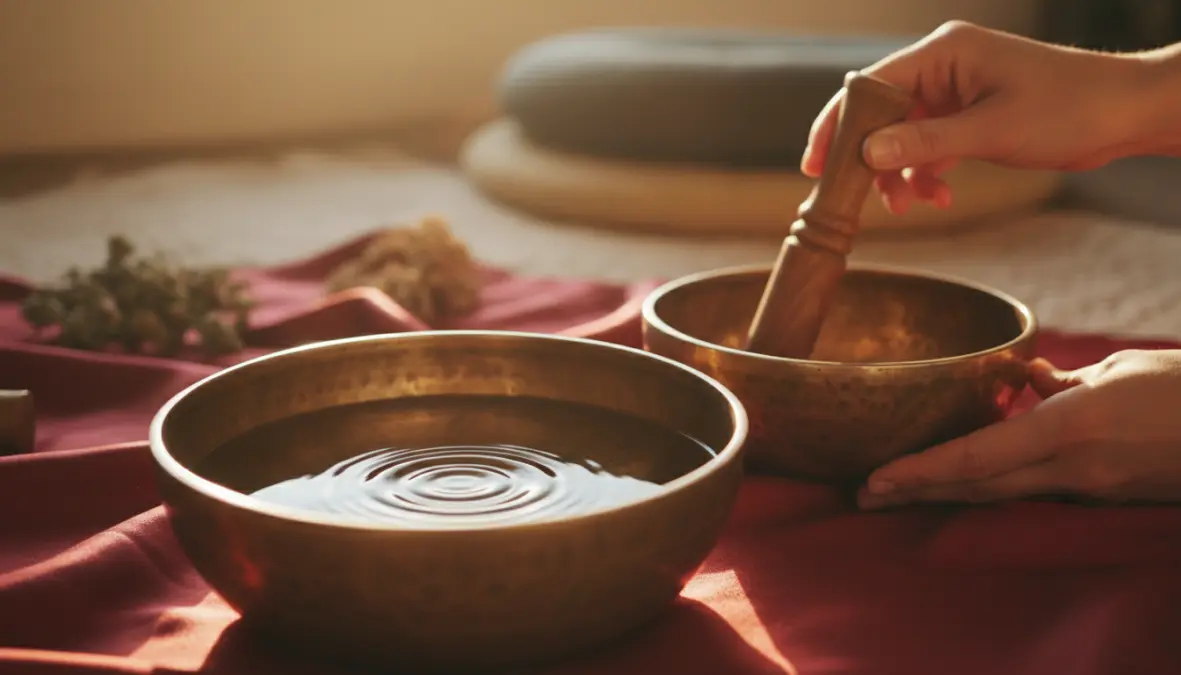
The practice has roots in ancient cultures, from Tibetan singing bowls used by monks for meditation to Aboriginal didgeridoos employed in healing ceremonies. Modern sound bathing typically features instruments like crystal or metal singing bowls, gongs, tuning forks, chimes, and sometimes even the human voice in the form of toning or chanting.
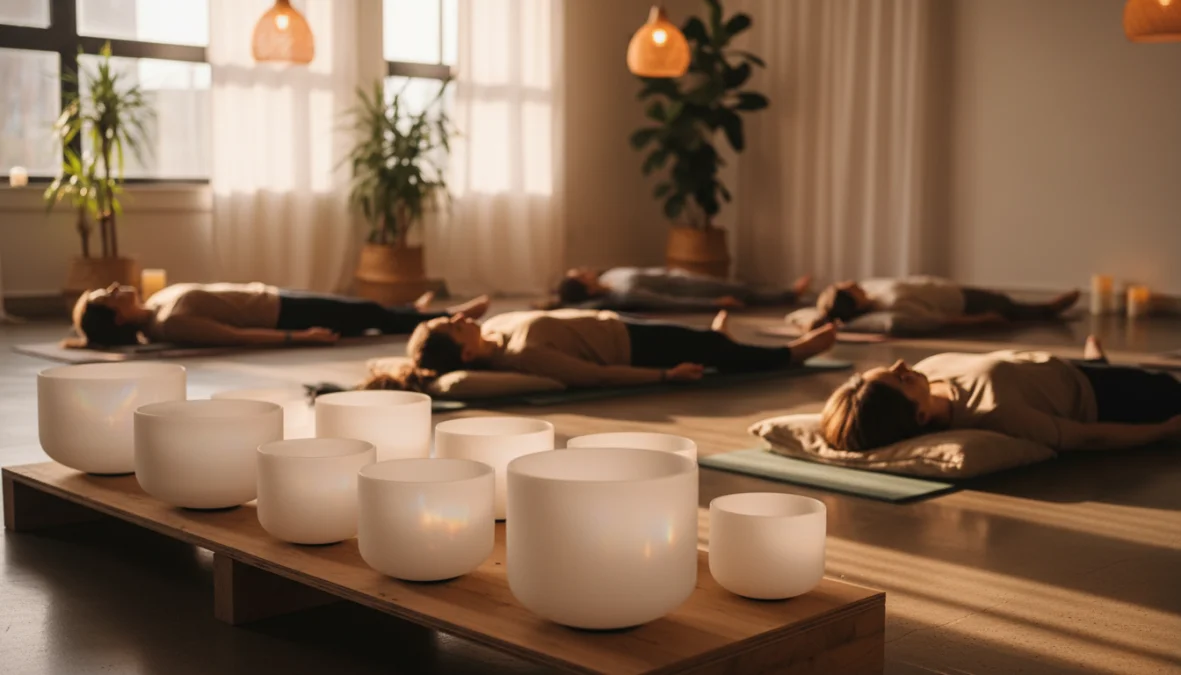
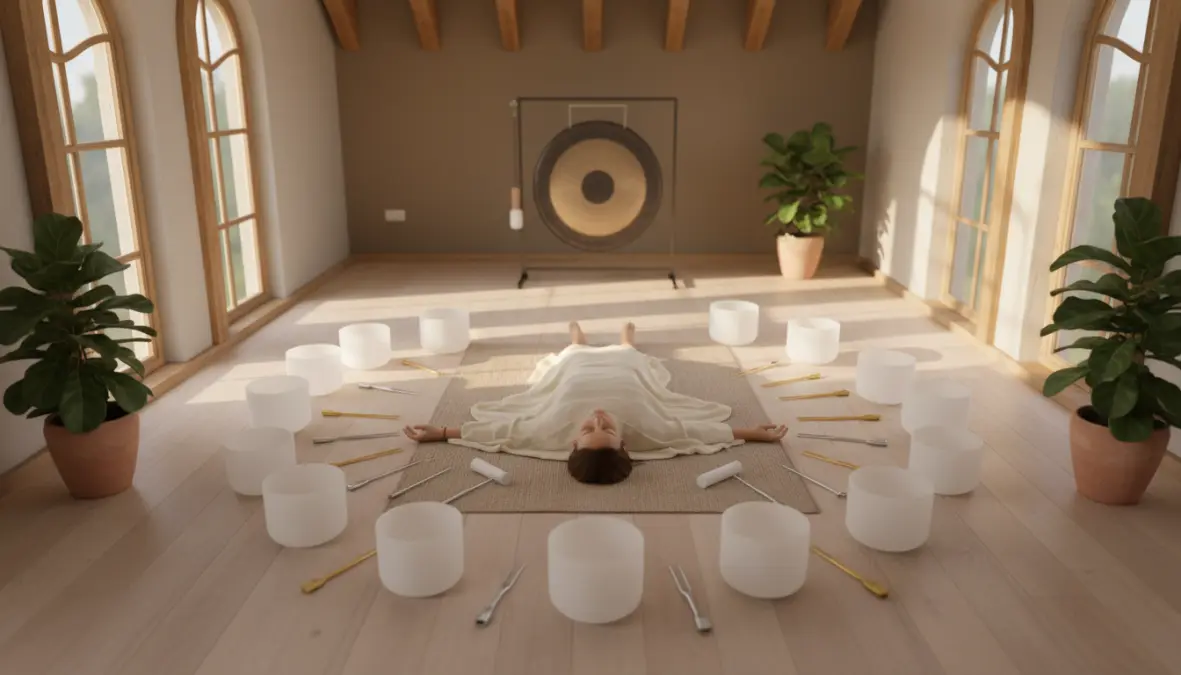
During a typical session, you’ll lie down in a comfortable position while a practitioner plays these instruments around you. Sessions usually last 45-90 minutes, and the goal isn’t to think or analyze—it’s to simply receive the sound waves. The vibrations travel through air and directly through your body (which is about 70% water, an excellent conductor of sound).
What distinguishes sound bathing from standard music therapy? Music therapy uses music as a psychological tool, often involving active participation, discussion, or specific therapeutic protocols. Sound bathing is more about the physical and energetic effects of pure vibration, focusing on frequencies and their impact on your nervous system. Similar to practices explored in biohacking approaches, sound bathing seeks to optimize your body’s natural systems through targeted interventions.
The Science-Backed Benefits of Sound Bathing
Now for the exciting part: the sound bathing benefits aren’t just anecdotal. Research is increasingly validating what practitioners have claimed for years. A study published in the Journal of Evidence-Based Integrative Medicine found that after just one sound meditation session, participants showed significantly reduced tension, anxiety, and negative mood states, while feelings of spiritual well-being increased.
Stress reduction stands out as one of the most documented benefits. Sound bathing activates your parasympathetic nervous system—your “rest and digest” mode—while downregulating the sympathetic “fight or flight” response. This shift measurably reduces cortisol levels, your primary stress hormone. One study measuring participants before and after Tibetan singing bowl meditation found heart rate and blood pressure decreased significantly.
For those struggling with sleep issues, the healing frequencies in sound bathing may offer relief. The deep relaxation induced during sessions can improve sleep quality by calming an overactive mind and reducing the physiological arousal that keeps many people awake. This connects well with understanding your body’s natural rhythms, as discussed in research on chronotypes and sleep science.
Pain management represents another promising area. Vibrational therapy may work through several mechanisms: reducing muscle tension, releasing endorphins, and potentially through a phenomenon called “gate control,” where non-painful sensory input (like vibration) blocks pain signals from reaching the brain.
Mental health benefits extend beyond stress reduction. Participants in sound bathing sessions report decreased symptoms of anxiety and depression. The mechanism? Likely through brainwave entrainment—when external rhythms synchronize your brain’s electrical patterns. Sound bathing can shift your brain from beta waves (normal waking consciousness) to alpha (relaxed awareness) and theta (deep meditation) states. This is also why sound bathing enhances meditation practice and improves focus.
The vagus nerve—a major nerve running from your brain to your abdomen—plays a crucial role too. Certain frequencies stimulate vagal tone, which is associated with emotional regulation, inflammation reduction, and improved heart rate variability, a marker of resilience and health.
Understanding Healing Frequencies and Their Effects
You’ve probably heard claims about specific frequencies: 432 Hz for harmony, 528 Hz for DNA repair, or the ancient Solfeggio frequencies for various healing purposes. What’s the truth behind these numbers?
The science here gets murky. While specific frequencies do affect matter—a phenomenon called cymatics beautifully demonstrates how sound creates geometric patterns in water and sand—the claims about particular frequencies having targeted healing properties remain largely unproven. There’s no robust scientific evidence that 528 Hz specifically repairs DNA, for example.
That said, the concept of resonance in the body is real. Every object, including organs and tissues, has a natural resonant frequency. In theory, exposing tissues to certain frequencies could influence their function, but we need more research to understand this fully. What matters more than specific hertz measurements may be the overall experience of harmonic, pleasant sounds that promote relaxation.
The takeaway? Don’t get too hung up on mystical frequency claims, but don’t dismiss the power of vibration entirely. The effects you experience are real, even if the mechanisms aren’t exactly what some practitioners claim.
What the Research Shows (and What It Doesn’t)
Let’s be honest about the current state of evidence. Studies on sound bathing show promising results for stress reduction, relaxation, mood improvement, and short-term pain relief. These benefits appear consistent across multiple small studies.
However, most research involves small sample sizes, lacks long-term follow-up, and often doesn’t include control groups. We need larger, more rigorous trials to definitively prove specific claims. The good news is that research interest is growing, and the preliminary findings are encouraging enough to warrant continued investigation.
What we don’t have good evidence for: curing serious diseases, repairing DNA, balancing chakras (which aren’t recognized anatomical structures), or miraculous transformations from a single session. Sound bathing is a complementary wellness practice, not a replacement for medical treatment.
Approach sound bathing with realistic expectations: it’s a tool for relaxation, stress management, and potentially enhanced meditation practice. Think of it alongside other evidence-based wellness practices like cold water therapy—beneficial for many, but not a cure-all.
How to Experience Sound Bathing Benefits Yourself
Ready to try it? Sound baths are increasingly available at yoga studios, meditation centers, wellness spas, and dedicated sound healing practices. Many cities now offer regular group sessions, typically ranging from $30-60 per person.
What to expect at your first session: Arrive a few minutes early, bring a yoga mat or blanket, and wear comfortable clothing. You’ll typically lie down (though sitting is fine too), and the practitioner will play instruments for 45-90 minutes. Some people fall asleep—that’s completely fine. Others experience visual imagery, emotional releases, or deep relaxation. There’s no wrong way to experience it.
To prepare, avoid heavy meals beforehand, stay hydrated, and set an intention if that feels meaningful to you. Keep an open mind but let go of expectations about what “should” happen.
Can’t find local sessions or prefer privacy? At-home sound bathing is absolutely possible. YouTube offers thousands of free sound bath recordings. Apps like Insight Timer feature guided sound meditations. For a more invested approach, you might purchase your own singing bowl (prices start around $30 for small bowls) or use tuning forks.
How often should you practice to see sound bathing benefits? While even a single session can provide immediate relaxation, regular practice (weekly or bi-weekly) tends to produce more sustained effects on stress levels and sleep quality. Think of it like meditation or exercise—consistency matters.
Contraindications: Sound bathing is generally safe, but people with sound sensitivity, epilepsy triggered by auditory stimuli, or certain mental health conditions should consult their healthcare provider first. Pregnant women should inform the practitioner, as some avoid using singing bowls directly on the body during pregnancy. If you have a pacemaker or other implanted medical device, discuss vibrational therapy with your doctor.
When choosing a practitioner, look for someone with proper training (various certification programs exist), good reviews, and clear communication about their approach. Trust your gut—if something feels off, it’s okay to look elsewhere. Just as you’d be cautious about environmental health factors like microplastic exposure, be mindful about who you trust with your wellness practices.
FAQ: Sound Bathing and Vibrational Therapy
How long do sound bath effects last?
Immediate effects like relaxation and reduced anxiety typically last a few hours to a couple of days. With regular practice, cumulative benefits for stress management and sleep quality can become more sustained. Many practitioners suggest weekly sessions for maintaining effects.
Is sound bathing scientifically proven?
Research shows promising evidence for stress reduction, mood improvement, and relaxation benefits. However, studies are still relatively small-scale. The practice has scientific plausibility based on how sound affects the nervous system, but more rigorous research is needed for definitive proof of all claimed benefits.
Can sound bathing be harmful?
For most people, sound bathing is very safe. Rare side effects might include temporary headaches, emotional releases, or disorientation. People with epilepsy, severe mental health conditions, or sound sensitivity should consult healthcare providers first. Excessively loud sessions could theoretically cause hearing damage, though this is uncommon with experienced practitioners.
How often should you do sound bathing?
There’s no universal rule, but many people benefit from weekly or bi-weekly sessions. Some enjoy monthly sessions for maintenance, while others practice brief at-home sessions daily. Start with whatever frequency feels manageable and adjust based on how you feel.
What should I wear to a sound bath?
Comfortable, loose-fitting clothing is ideal since you’ll be lying down for an extended period. Avoid anything restrictive around your waist or neck. Dress in layers—you might get cool lying still. Remove jewelry that might jingle or create discomfort, and consider bringing socks since body temperature often drops during deep relaxation.
Sound bathing sits at a fascinating crossroads where ancient wisdom meets modern neuroscience. While we’re still unraveling exactly how and why it works, the combination of preliminary research and thousands of years of traditional use suggests something genuinely beneficial is happening. Whether you’re looking to manage stress, improve sleep, enhance your meditation practice, or simply try something new, sound bathing offers a low-risk, potentially high-reward experience. In our constantly overstimulated world—where digital habits often harm our wellbeing—taking time to simply receive healing vibrations might be exactly what we need. Why not give it a try and see how your body responds?