Blue Zones Diet Secrets: What the World’s Longest-Living People Eat
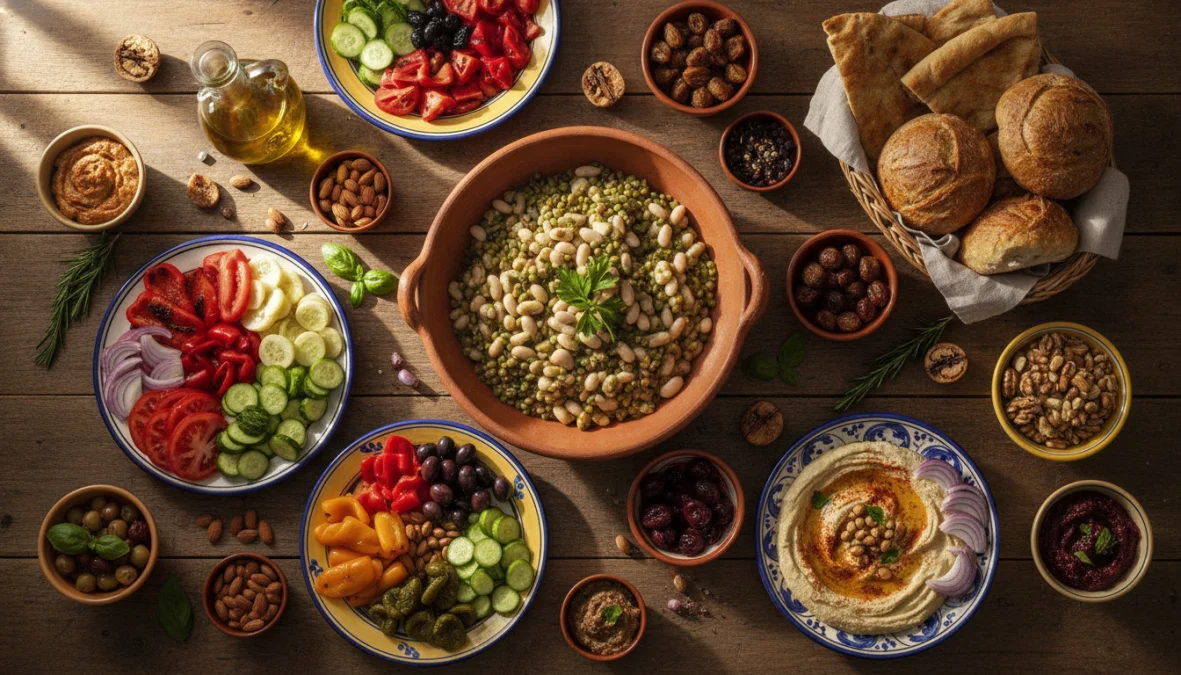
Ever wonder why some people seem to blow out candles well into their nineties and beyond, while looking healthier than most forty-year-olds? The answer might not be hidden in expensive supplements or trendy superfoods, but rather in the humble kitchens of five remarkable regions around the world. The blue zones diet isn’t a fad—it’s a collection of traditional dietary patterns practiced by the world’s longest-living populations, and it’s simpler than you might think.
What Is the Blue Zones Diet and Why It Matters
The term “Blue Zones” was coined by explorer and researcher Dan Buettner, who identified five regions where people consistently live past 100 with remarkably low rates of chronic diseases. These blue zones lifestyle hotspots include Okinawa (Japan), Sardinia (Italy), Ikaria (Greece), Nicoya Peninsula (Costa Rica), and Loma Linda (California). What makes these places special isn’t just genetics—it’s their approach to daily living, especially what they eat.
The longevity diet practiced across these diverse regions shares striking similarities despite vast geographical distances. At its core, the blue zones diet emphasizes whole, unprocessed foods with plants taking center stage. These communities didn’t follow meal plans or count calories; they simply ate what their ancestors ate, grown locally and prepared traditionally. The result? Lower rates of heart disease, cancer, and dementia, coupled with active, purposeful lives well into old age.
Understanding these centenarians eating habits matters more than ever as modern diets contribute to rising health issues globally. The beauty of the blue zones approach is its accessibility—you don’t need exotic ingredients or complicated recipes, just a return to traditional dietary patterns that nourish rather than merely fill.
The 5 Blue Zones and Their Traditional Diets
Each Blue Zone has developed unique culinary traditions shaped by climate, culture, and available ingredients. Yet beneath these differences lie common threads that create the blueprint for healthy aging nutrition.
Okinawa, Japan: Plant-Based Eating and the Hara Hachi Bu Principle
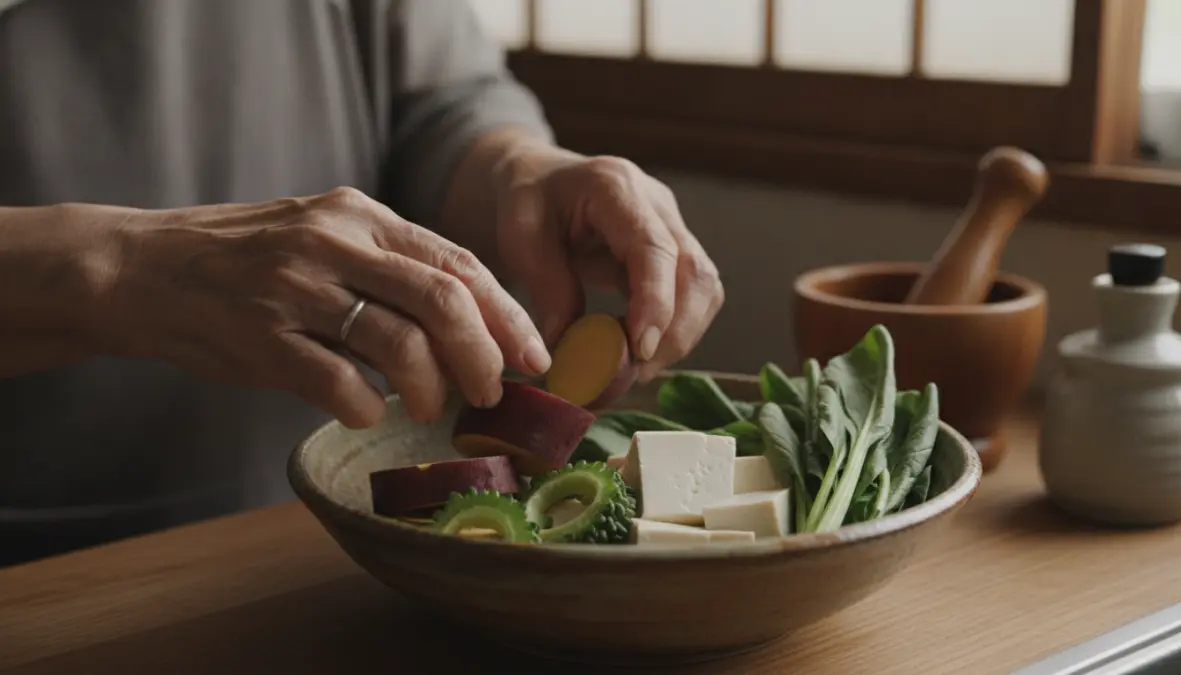
The Okinawa diet revolves around sweet potatoes, which historically provided up to 60% of calories for islanders. Unlike Western diets heavy in refined grains, Okinawans built their meals around purple sweet potatoes, bitter melon (goya), tofu, and vibrant vegetables. Turmeric features prominently in their cuisine, along with small amounts of fish and pork reserved for special occasions.
What sets Okinawan eating apart isn’t just the food—it’s the philosophy. The practice of hara hachi bu means eating until you’re 80% full, a mindful approach that naturally prevents overconsumption. When considering what do people in blue zones eat for breakfast, Okinawans might start the day with miso soup, rice, and vegetables—simple, satisfying, and nutrient-dense. This plant-based longevity approach has given Okinawa the world’s highest concentration of female centenarians.
Sardinia, Italy and Ikaria, Greece: The Mediterranean Approach
The Sardinia centenarian diet and Ikaria diet exemplify the celebrated Mediterranean diet blue zones variation. Both islands share a love for olive oil—used generously on vegetables, bread, and legumes. Daily consumption of beans and legumes diet staples like chickpeas, lentils, and fava beans provides protein and fiber without the health risks associated with excessive meat consumption.
Sardinian shepherds historically consumed pecorino cheese from grass-fed sheep, sourdough bread, and moderate amounts of Cannonau wine—a variety exceptionally high in antioxidants. Ikarians follow similar patterns, adding wild greens, potatoes, goat milk, and herbal teas to their daily routine. Both communities eat fish regularly but treat meat as a weekly indulgence rather than a daily staple. The whole food diet approach here means minimal processed food and maximum flavor from simple, quality ingredients.
Nicoya, Costa Rica and Loma Linda, California: Beans and Purpose
The Nicoya diet centers on the “three sisters”—beans, corn, and squash—cultivated together for centuries. Nicoyans eat black beans daily, often with rice, tortillas, and tropical fruits like papaya and bananas. Their water is naturally high in calcium, and their lifestyle includes strong family bonds and physical labor well into old age.
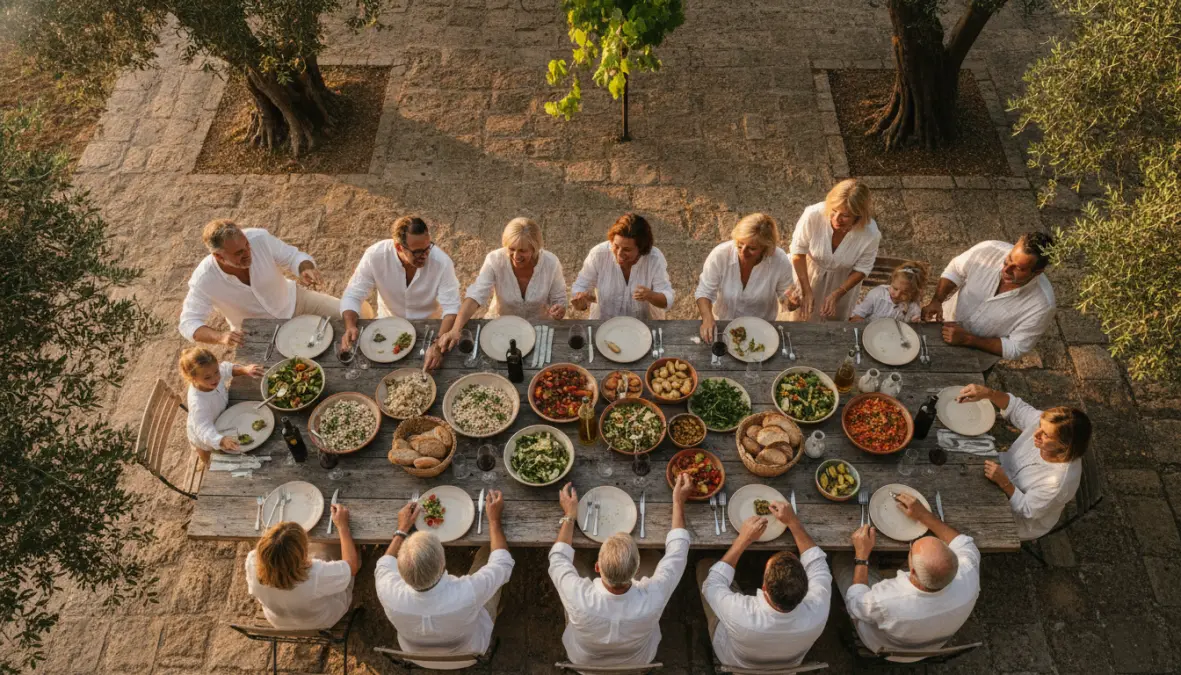
Loma Linda presents a unique case: a community of Seventh-day Adventists in California whose faith encourages plant-based eating. Their diet emphasizes nuts (especially walnuts), avocados, legumes, whole grains, and plenty of water. Many follow vegetarian or vegan patterns, demonstrating that how to eat like blue zones centenarians works across different cultural contexts. Both regions prove that community eating practices and social connection around meals contribute as much to longevity as the food itself.
Common Blue Zones Diet Principles You Can Apply Today
Despite their differences, all Blue Zones share remarkably consistent dietary patterns. Approximately 95% of their calories come from plant sources—a powerful endorsement for plant-based longevity. If you’re looking for a blue zones diet food list, start with these universal elements:
- Beans and legumes daily: At least a half-cup of beans appears in nearly every Blue Zone meal plan
- Whole grains over refined: Sourdough bread, brown rice, whole oats—never white bread or sugary cereals
- Nuts as daily snacks: A handful of almonds, walnuts, or local varieties
- Vegetables in abundance: Filling half your plate with colorful, seasonal vegetables
- Meat as garnish: Small portions (2-3 ounces) no more than five times monthly
- Moderate wine consumption: 1-2 glasses daily with meals and friends (optional)
- Minimal sugar and processed foods: Sweets reserved for celebrations
The secret to living longer blue zones extends beyond the plate. These communities practice natural movement—walking, gardening, manual work—rather than scheduled exercise. They eat with family, forming strong social connections. They have purpose (Okinawans call it ikigai). When creating blue zones plant based diet recipes for your own kitchen, remember that simplicity wins. A blue zones diet meal plan might include oatmeal with nuts for breakfast, lentil soup with vegetables for lunch, and bean stew with whole grain bread for dinner—nothing complicated, everything nourishing.
Interestingly, the principles of reducing processed consumption and returning to traditional practices resonate with broader environmental awareness movements. Just as reducing microplastic exposure requires conscious choices about what we consume, adopting Blue Zones eating habits means rejecting heavily processed, packaged foods in favor of whole ingredients.
FAQ: Blue Zones Diet Questions
What do Blue Zones eat for breakfast?
Breakfast varies by region but typically includes whole grains (oatmeal, whole grain bread), vegetables, beans, or miso soup. Sweet potatoes in Okinawa, sourdough toast with olive oil in Sardinia, or bean-filled tortillas in Nicoya are common choices.
Do Blue Zones eat meat?
Yes, but sparingly—about five times per month in small portions (2-3 ounces). Meat serves as a celebratory food or flavor enhancer rather than the meal’s centerpiece.
Can you lose weight on the Blue Zones diet?
Many people naturally lose weight because the diet emphasizes fiber-rich plant foods, portion control (like hara hachi bu), and minimal processed food. Weight loss isn’t the goal, but it’s often a pleasant side effect.
What foods are avoided in Blue Zones?
Heavily processed foods, sugary drinks, excessive meat, and refined grains are naturally limited. There’s no strict “forbidden” list—it’s about prioritizing whole foods.
The blue zones lifestyle proves that longevity isn’t about deprivation or expensive interventions—it’s about returning to time-tested wisdom. By embracing more plants, cooking at home, sharing meals with loved ones, and moving naturally throughout your day, you’re not just adding years to your life. You’re adding life to your years. Start with one bean-based meal this week, and you’ve already begun your journey toward the dietary secrets of the world’s healthiest people.